
All Posts By

Vas Sladek

Weeding vindication

By | gardening, weeds | No Comments

The problem

I need to write this blog post but I have to do it gently, without starting a war. Now, landscape maintenance is populated by many all-stars like me: certified, experienced and opinionated individuals. And while I’m always ready to learn, there are limits. I’m only human.

One such limit is weeding. Weeding should be done with tools, not with fingers. Unless, of course, you’re picking huge trophy weeds.

It was only a matter of time before someone disagreed with me. I’ve seen and heard those people. They happily sit down to hand weed and pick away until their fingers are bruised and bleeding; or, more often than not, until they delegate this unpopular task to someone else.

A gift even Santa can’t match

Just last week, I received a huge gift. Something even Santa can’t bring.

Picture a large bed full of weeds, slightly compacted and muddy. A newly promoted working manager dropped to his knees to weed and inside one minute realized it would take him forever to hand-pick all of the weeds. So, he quickly got up and walked away.

To do what exactly?

Vindication 101

Did you get it? He brought a cultivator (A Dutch hoe to be precise: because it’s sharp and ideal for this situation) and ran it through the bed. Then he raked up the weedy mess and disposed of it. Like a pro.

He stayed on his feet, it was much quicker, the weeds got uprooted and the bed looked fluffy. Don’t forget the bonuses: his fingers didn’t hurt and the bed will stay nice longer!

(One major drawback of hand-picking weeds is that the roots often go undisturbed.)

That’s how you handle weedy patches. With tools. Like a pro. I know that some will still disagree. That’s fine. Those people will leave nasty comments before moving to other blog sites. Let them go, quietly.

Quiz

Study the picture and answer the question.

The best way to weed this bed quickly and efficiently is by…

A. line trimming the weeds and having a window repair service on speed dial

B. sitting down and using your arthritic, bruised fingers only

C. delegating this task to the most junior staff

D. using a small hand tool or a combination of cultivator and rake

Conclusion

Weeding isn’t going away, ever. So, use tools for weeding. It will save you time and your finesse work will shine. Yes, you can tell people Red Seal Vas trained you.

Mulch tactics

By | gardening, Mulch | No Comments

Here we go again

I love mulch. It keeps moisture in your beds, deprives weeds of sunlight and it gives your beds an instant sharp look. Of course, it does break down so you might have to top it up once in a while.

Just last week, I did some clean-ups at a new site my day-job employer took over from another landscape contractor. While the pruning looked OK, I could tell the previous dudes didn’t care for finesse work much. And yet, it’s finesse work that gives your site a sharp look.

Running a line trimmer through your planted beds doesn’t qualify as finesse work. It’s extremely dangerous and desperate. If you somehow manage not to blow out windows, you will likely injure the plants. Never do this. Allegedly, the previous contractors did this all the time. Which is why they lost the site.

Don’t go cheap with thin mulch

Here I had to gently uproot the weeds and get rid of them without removing the mulch. It would be difficult to line trim the weeds into oblivion.

But this isn’t how mulch works. At a depth of 2-3″, it should keep moisture in the bed, block sunlight from reaching any weeds and give us a sharp look.

Of course, over time the mulch degrades and requires top-up. But I also find that many homeowners try to go cheap by applying a thin layer. Which is a huge mistake.

I learned why from Dr. Linda Chalker-Scott, my mentor. I knew mulch kept moisture in the bed and prevented sunlight from reaching weeds. What I didn’t know was that a thin layer of mulch made everything very cozy for weeds. It helped retain moisture in the bed without depriving the weeds of sunlight. That’s how we get beds like the one pictured above.

Now that it’s nicely weeded, it needs more mulch to replenish it and make it work and look the way it was supposed to. So, remember, don’t go cheap with mulch. Apply at least 2-3 inches and keep it topped up.

Pine cones from Douglas fir

By | Arborist Insights, landscape maintenance | No Comments

Requests

Getting requests from strata owners and councils is standard. Some of them are quick and easy; and some are more involved and require approval; some generate extra invoices. Also, some are suspicious.

At one small site last fall, I got a request to clean-up pine cones along the boulevard. Ok. Except I knew there weren’t any pine trees growing along the boulevard. But, I had to go check it out. Requests are no joke, they must be taken care of.
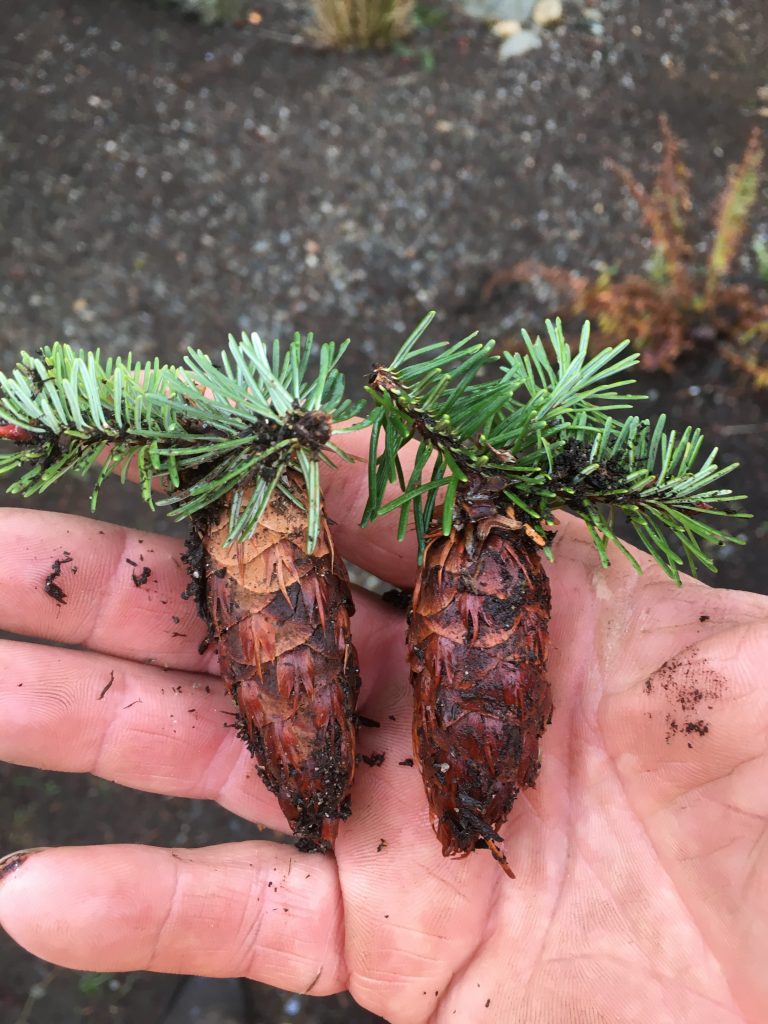
Psedotsuga menziesii (Douglas fir)

Douglas fir

The only cones I could find belonged to a massive Douglas fir (Pseudotsuga menziesii), which is a native tree in British Columbia. Thus, you find it everywhere and it’s easy to identify because of its cones.

The cones have protruding bracts which make it super easy to identify the tree. People living in British Columbia should be familiar with the tree. But, not in this complex. Here, every cone is a pine cone.

So, what’s the point of this blog post? Am I just poking fun at people’s ignorance? No, although, it wouldn’t hurt if people could identify a few key native tree species.

Educate

What concerned me was the site foreman’s relaxed attitude. Why not use this request as a way to educate the clients about their own trees? If you do it gently, they might even appreciate it. You can even offer them a free copy of my picture e-book.

The other issue is removing “pine cones” from a semi-wild corner. Douglas firs shed branches and cones all year. It’s extremely difficult to keep forests “clean”. I think it’s pointless, but their strata fees pay for our services. So, we clean forest floors by removing “pine cones”. Now you know.
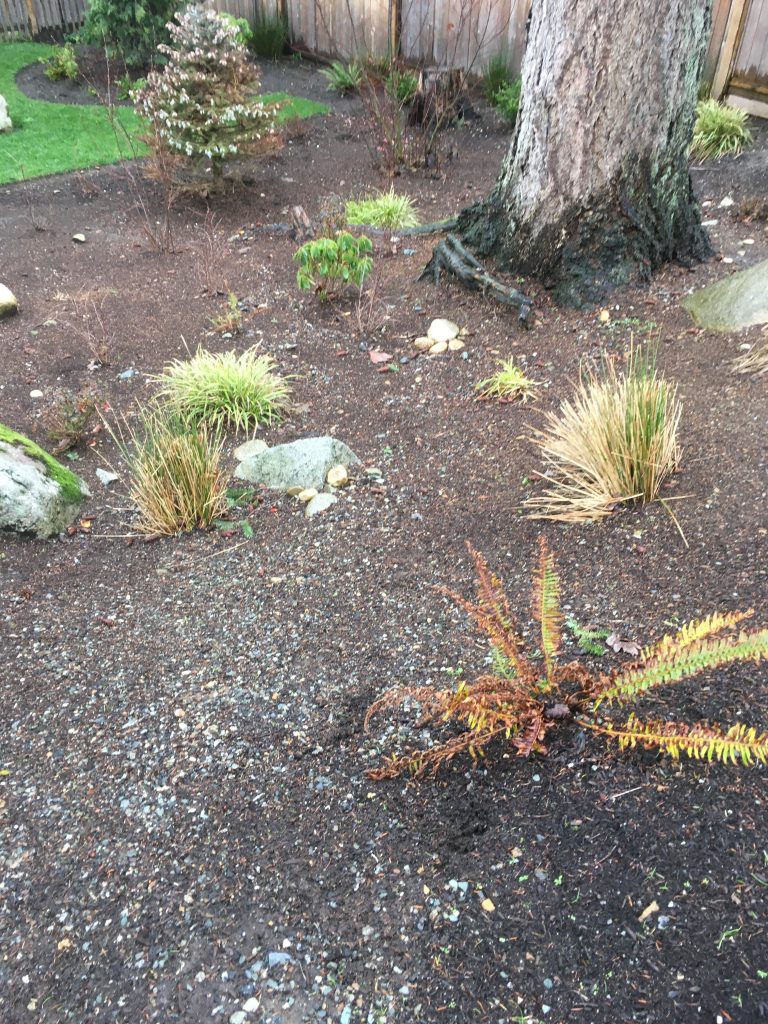
Pine cone-free zone!

Conclusion

Learn about your local native trees or, if you’re an expert, share your knowledge with your friends and neighbors. Leave some debris on the forest floor.
Blogging the cold away

By | Education | No Comments

When it’s frosty

Sometimes it’s just too frosty outside for landscapers to pull off a full work day. Like today. Faced with a short day in Maple Ridge, British Columbia and very little tree work, I opted to stay home and blog the cold away. And it feels great to have that option.

It hasn’t always been that way. In some years, I didn’t have banked vacation pay and losing hours stressed me out. Nor did I have extra sources of income. With COVID-19 eliminating a lot of extra fun activities in 2020, I was actually able to hit winter with banked vacation time.

This leads me to two points: the seasonality of the landscape trade and extra sources of income. Let’s take a look.

Seasonality

Before accepting my current landscape manager position six years ago, I made sure there was work all year. That was a major prerequisite. And anyone considering a career in landscape horticulture has to think about the seasonality of the trade.

Some young dudes are happy to take lay-offs. They’re single and living with their parents. Sure. But for professionals like me, with goals and obligations, winter lay-off is not an option. I need to work in winter, even if the day doesn’t always last the full eight hours. Yesterday, for example, we installed soil amender in light flurries and went home after seven hours. Not bad at all.

It also pays for landscape companies to keep their core staff working all year. If you disband in late fall to save money, you might not get all of the best people back in spring. Then what? Can you manage without landscape manager Vas? I doubt it!

Extra income

I’m in my twenty-first season of landscape maintenance so I’m used to the landscape industry’s seasonality. That’s why I’m always on the lookout for income generating ideas. Like blogging.

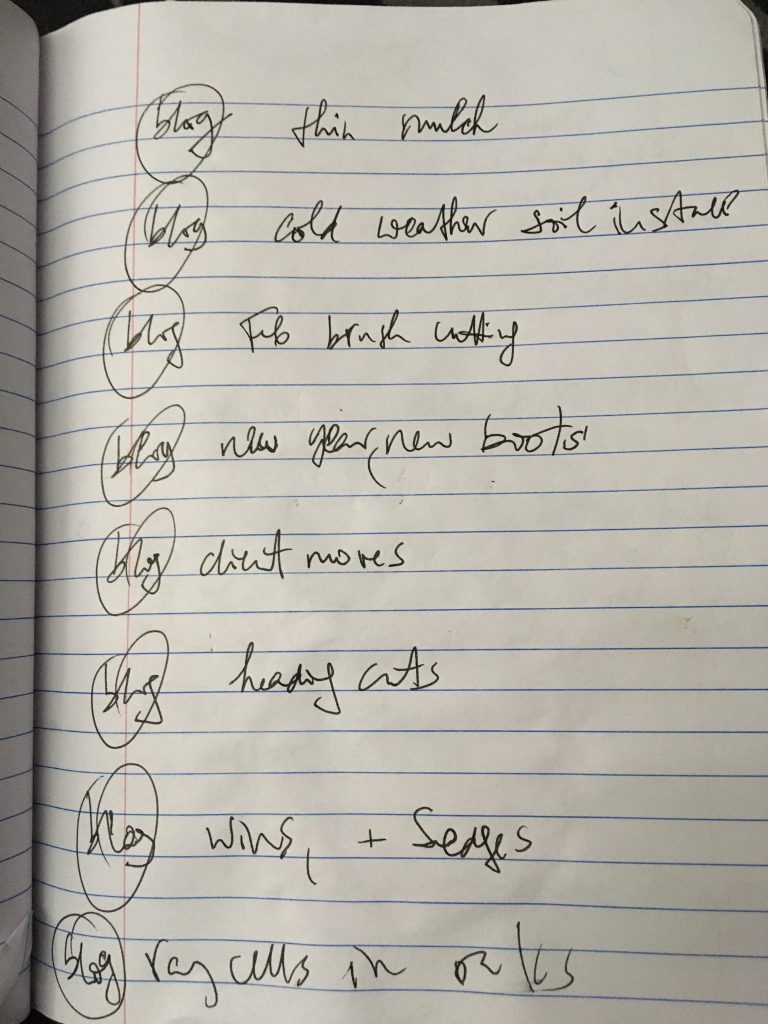
Blog ideas in Dollarama notebook.

Did you know I turned pro as a blogger thanks to Proper Landscaping Inc.? It’s true. I posted a few short blogs on this website just as my municipal lay-off was ending and I haven’t stopped since. You have no idea how much my kids appreciate James, the owner of Proper Landscaping, for keeping me employed.

When the weather is decent, I also do side-gigs for residential clients. People always need pruning and clean-ups done; deep-edging beds is also a great cold weather task, and so is soil installation.

When it snows, I know who to call for some snow shoveling action. Sure, it’s heavy labor but last year I turned two snow days off without pay into 24 hours of paid labor. That made me happy.

And if you come across my posts on Facebook Marketplace selling unwanted plants, you know what’s happening. Vas is hustling.

It’s cold today but we’re almost in mid-February. Spring is coming. Hold on!

Don’t neglect preventive tool maintenance

By | Tips | No Comments

Worst offender

It’s extremely important to have properly maintained tools. And yet, I rarely remember to do preventive tool maintenance.

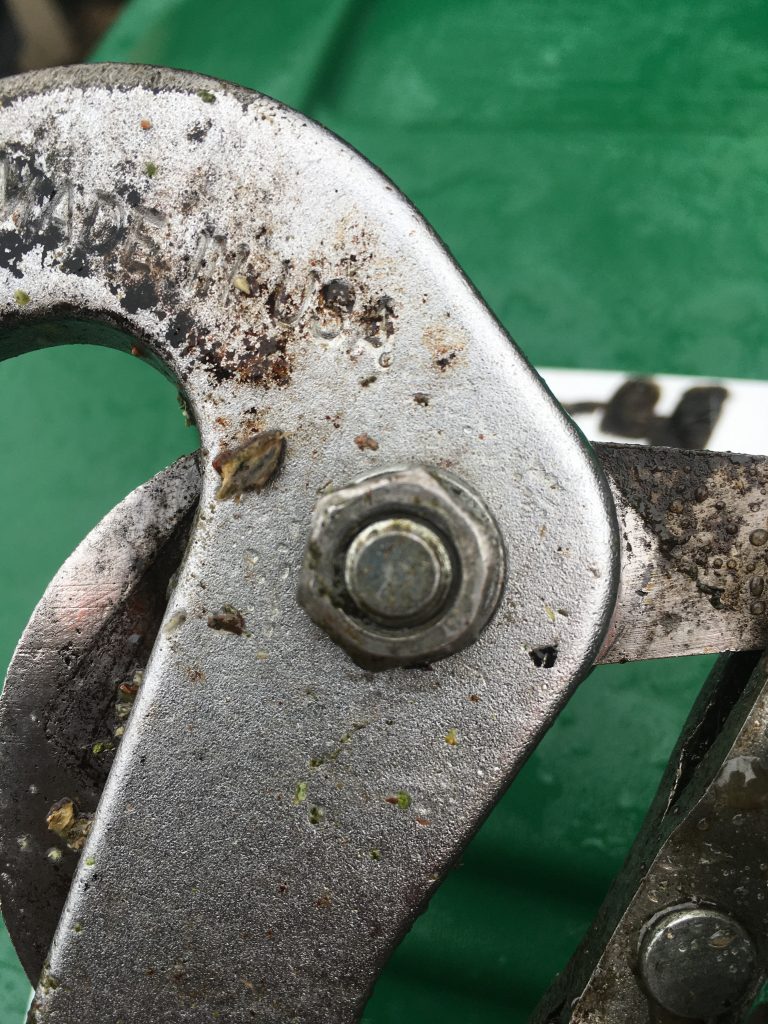
Take one example from last week. I was on site doing tree work with pole pruners and after lunch I noticed that the nut and bolt were completely gone. My pole pruner attachment was useless, until I found the missing parts and tightened them back into place.

Now, in my defense, it wasn’t my tool. I had just borrowed it. But still, I rarely check to make sure everything is tight and functioning properly. Don’t be like me. Do some preventive maintenance.

This nut and bolt fell out!

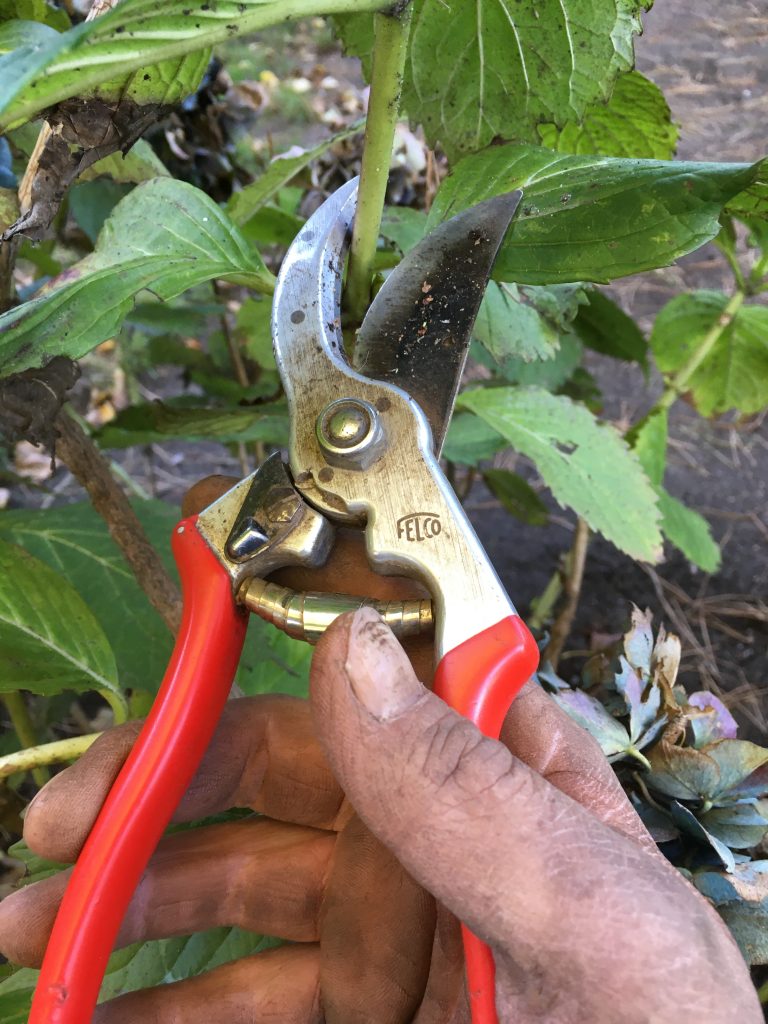
Felco

Swiss-made Felco snips are expensive because the handles are designed to last forever. You can get new springs and blades when they’re all worn out. But in my twenty seasons as a landscape professional, I’ve changed my Felco blade twice, I think.

Usually the bolts are so filthy I give up and buy a new pair of Felcos. I also fail to sharpen the blades which is a problem because we have to make clean, sharp cuts on our shrubs and trees.

Don’t be like me, clean your Felcos often and replace the blades and springs.

Trimmer heads

Now, I don’t recommend polishing trimmer heads often because they get dirty right away. But there is one funny twist here.

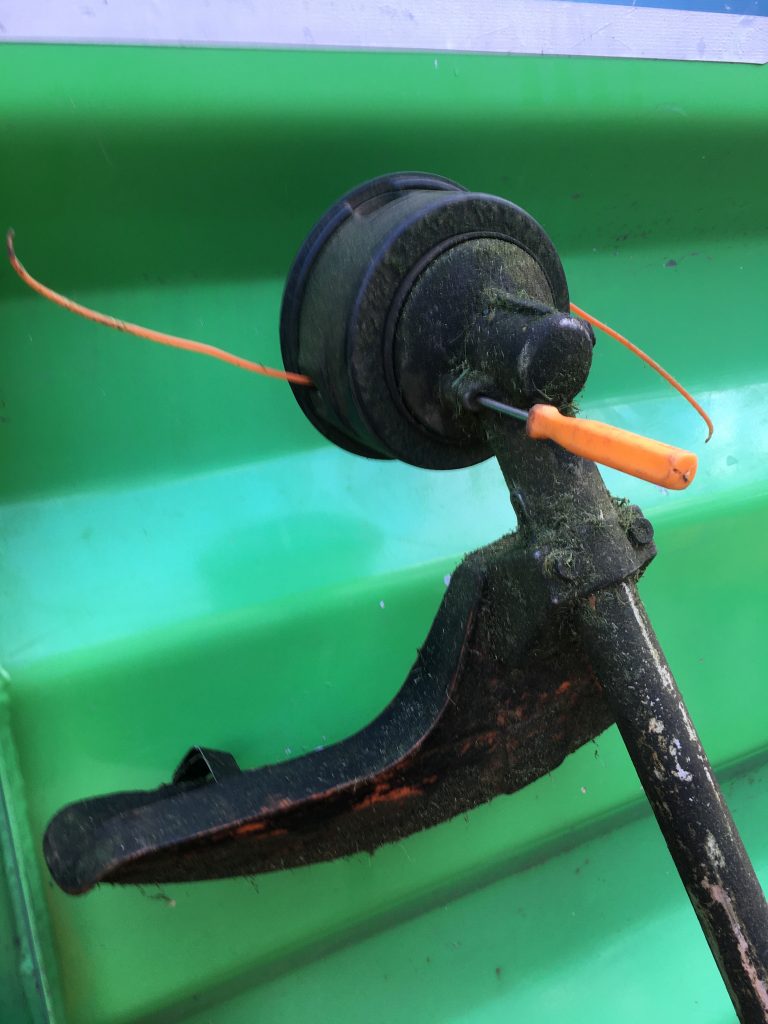
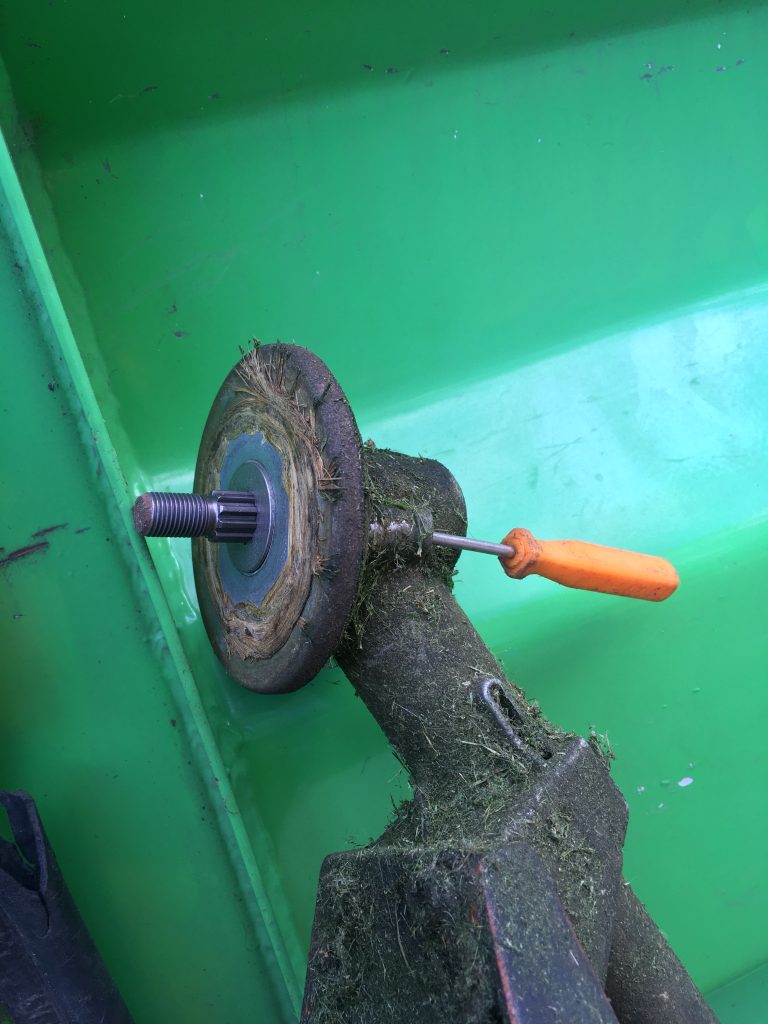
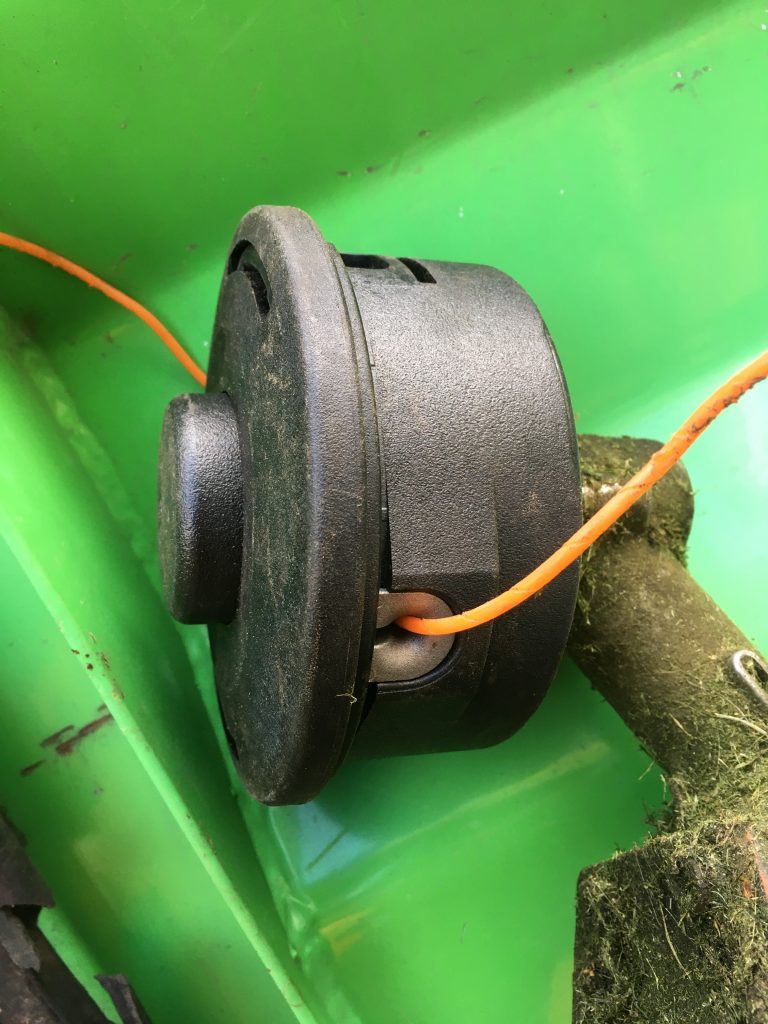
When your auto-feed trimmer head stops feeding when you tap it, it means the plastic is worn out. Every season I get one worker holding a new replacement trimmer head and he has no idea how to change it over. That’s because the one access point for his tool is obscured by dirt.

1: stop the head from spinning
2: remove the head
3: install a new trimmer head

Hand saws

When it comes to hand saws, I get very picky because it’s hard to make good cuts with rusty, dull hand saws. I never sharpen my hand saws. I simply check on their condition and get new ones.

I have one from Japan in a plastic sheath; and one folding Stihl hand saw for back up.

Don’t use dull hand saws when you work on your trees. You’ll make terrible cuts. Buy a new sharp hand saw and keep it dry.

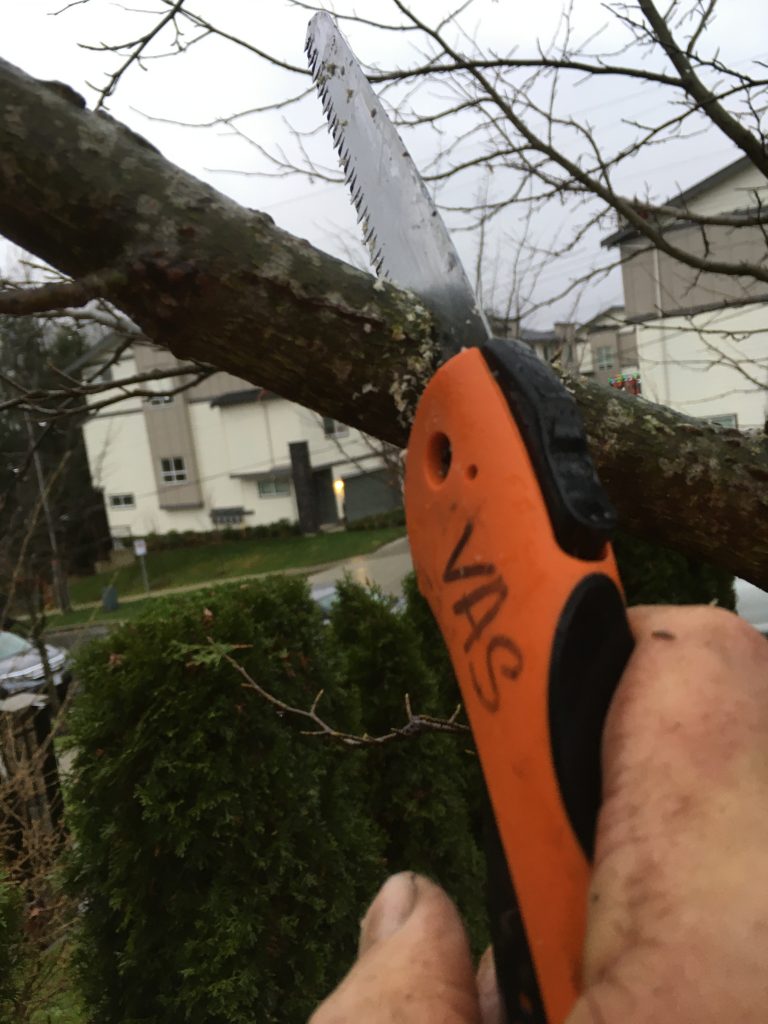
I love sharp saws but they can go missing so I put my name on them.

Conclusion

Take care of your tools. Use your winter down time to tighten nuts and replace dull blades on your snips and hand saws. I’m terrible at maintaining tools. Don’t be like me.

Adventures in shrub pruning

By | Pruning | No Comments

What’s your goal?

Why are you pruning? What are you trying to accomplish? It’s important to get this right with your client’s help before you start pruning. Inform your clients what the resulting shrub will look like after pruning.

This will help you avoid the following embarrassing situation. A landscaper in the United States was asked to prune shrubs next to a building. So he did it.

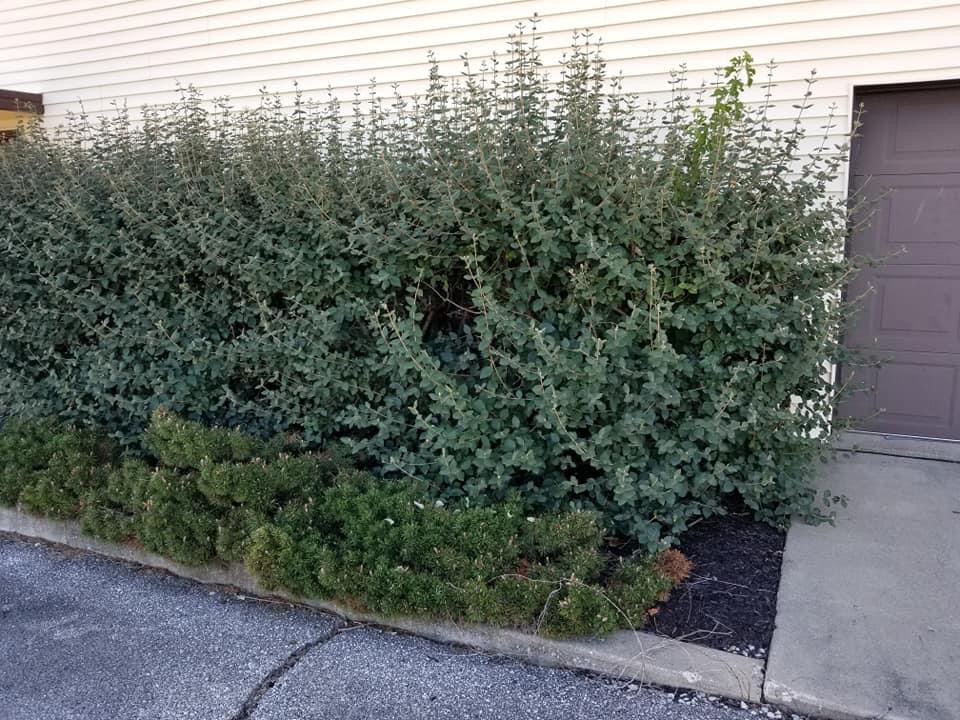
Before pruning.

If it was me I would use power shears to give the shrub some shape back by removing the new spiky growth.

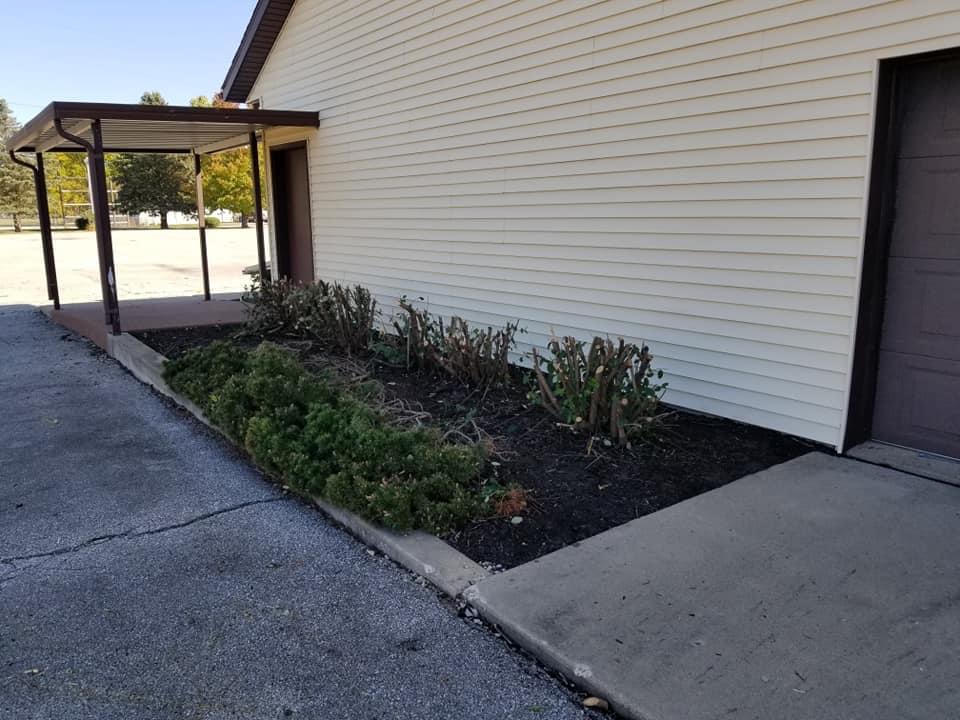
Instead, this happened…..

After pruning.

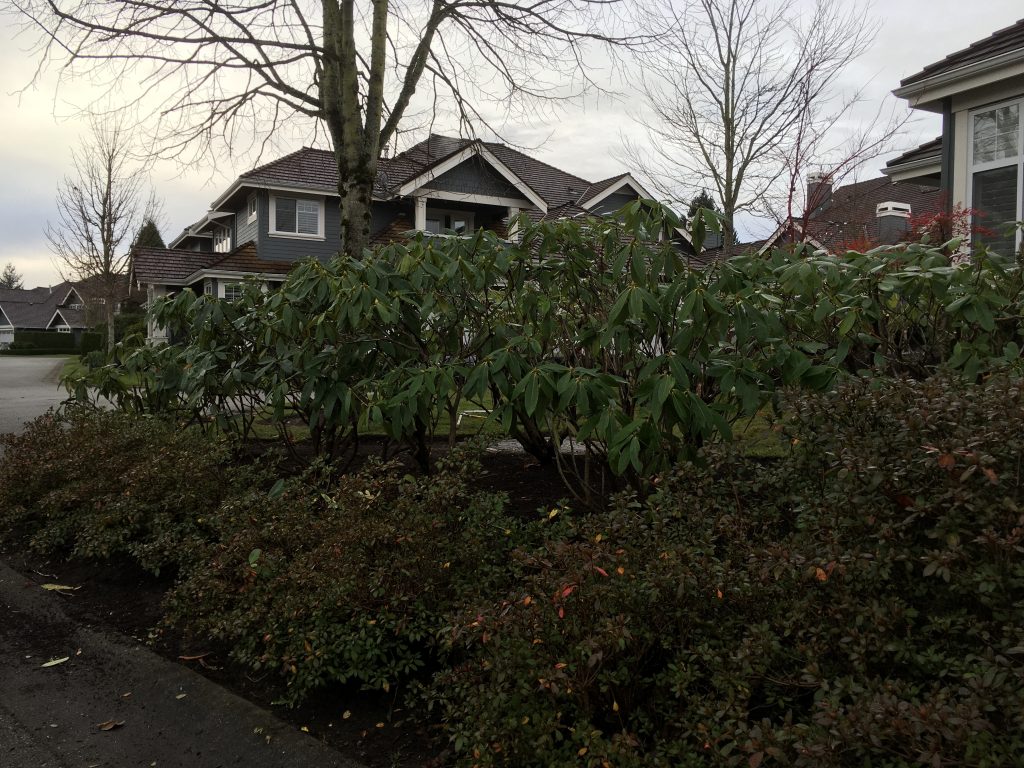
This isn’t pruning, this is, technically speaking, renovation pruning. Like you’re starting over. I could see how the client would freak out. Although, I’m sure the shrub will flush out again with new growth. It’s not fatal, unless heat stress kills the shrub.

Rhododendron renovation

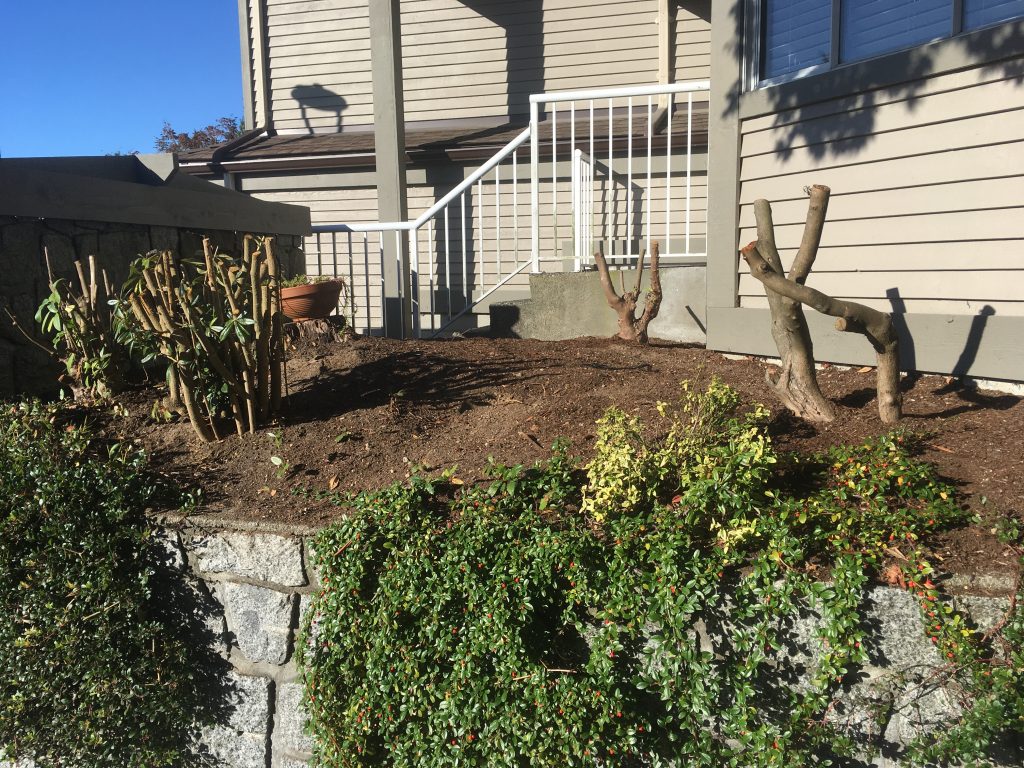
Renovation pruning.

On this project it was clear from the beginning that the client would see stumps with latent buds. Once the buds pop, the Rhododendron will green up. Period. No confusion.

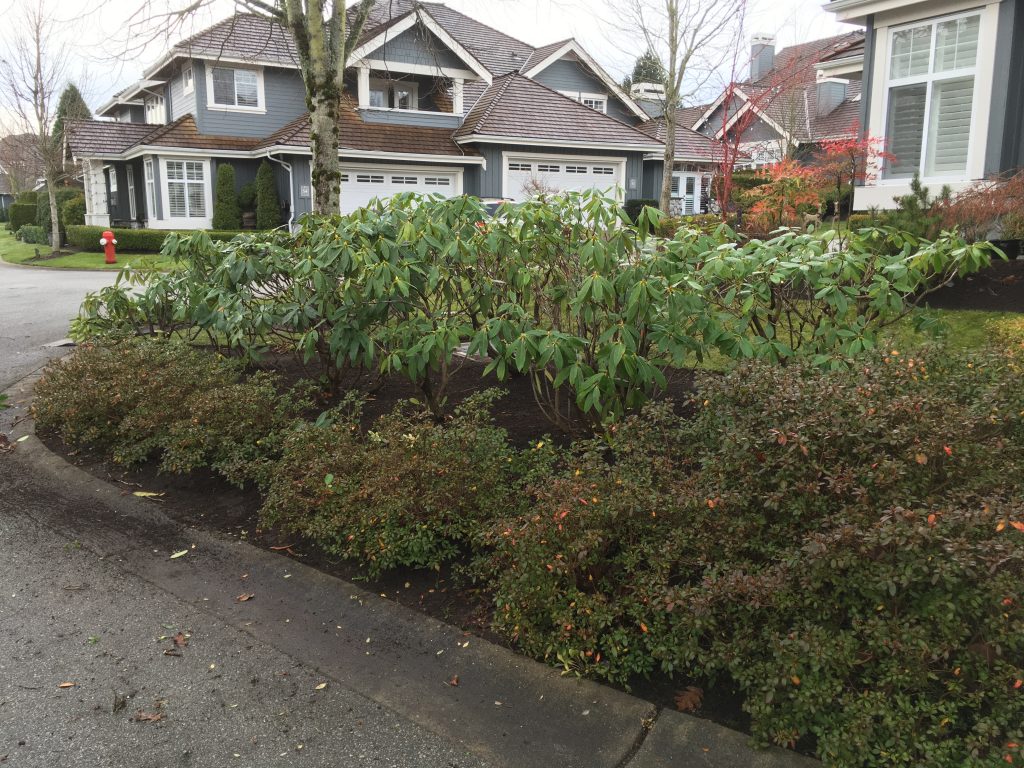
Reduction pruning

Reduction pruning means the size of the shrub is significantly reduced but it still looks green. Like a normal shrub. Just smaller.

Here the goal was 50% reduction to allow for better visibility from vehicles.

Before
Reduced and still green.

It should be noted that on this project the clients were ecstatic. That’s what we want. Our goal was clear and mutually agreed upon before we started pruning.

Typical mid-season pruning

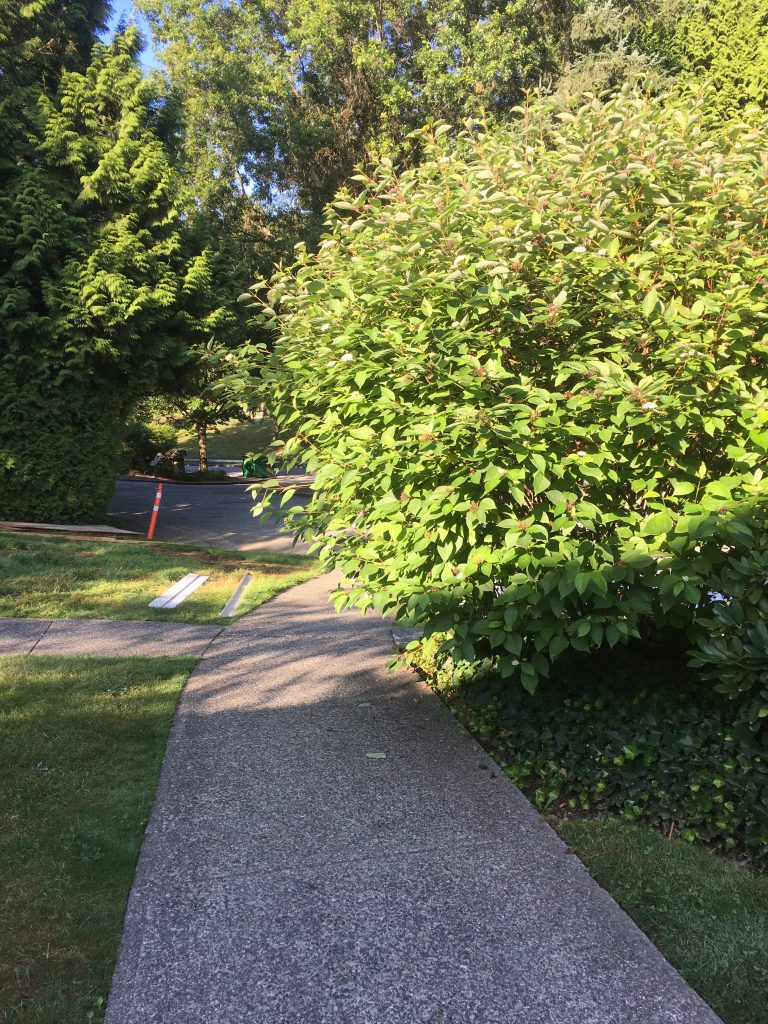
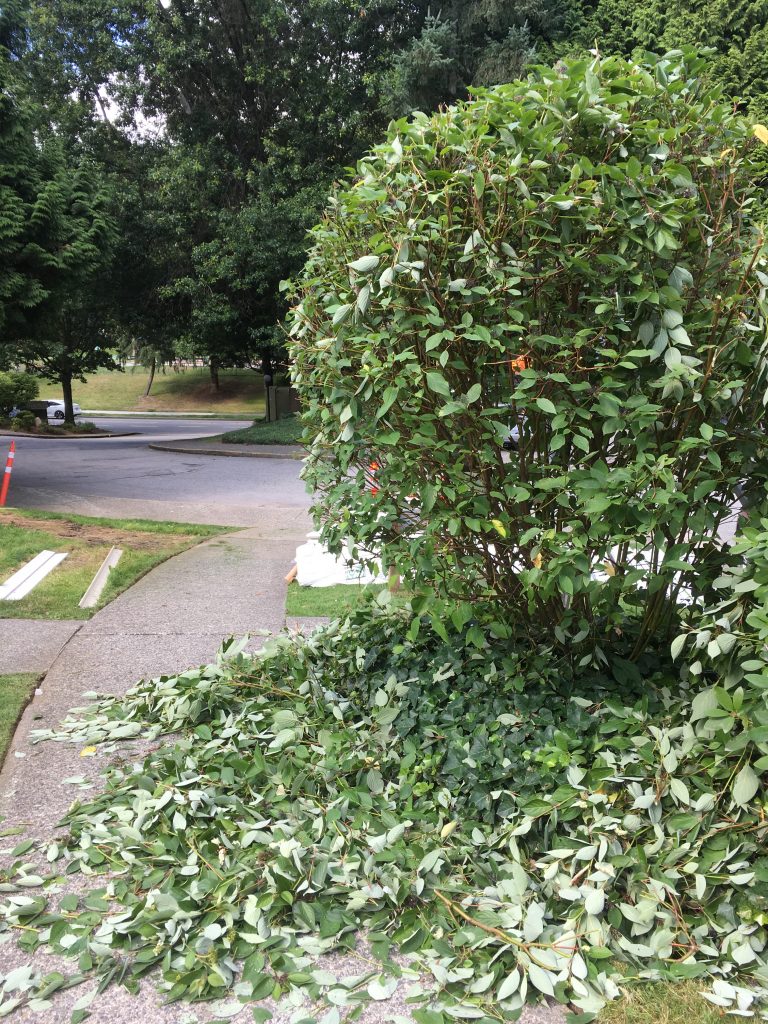
Let’s see an example of typical mid-season pruning. I think this is what the client above expected to see.

This dogwood (Cornus) just needs a trim.
All done.

This dogwood shrub still has its shape and the walkway is clear for pedestrians. If you require loppers, you’re doing more than mid-season pruning.

Conclusion

Mid-season, reduction and renovation pruning jobs accomplish different goals so make sure you know what your client wants from you. Then over-deliver.

One fail from 2020

By | Company News | No Comments

Taking stock

Landscape install projects are great because they break up the monotony of routine landscape maintenance work and they generate extra revenues for landscape companies. I also love working with plants so it’s very good fit for me.

It’s also a great idea to take stock of your completed landscape install projects and see how it all went. And while 2020 went really well, without any disasters or client complaints, there is one fail that bothers me.

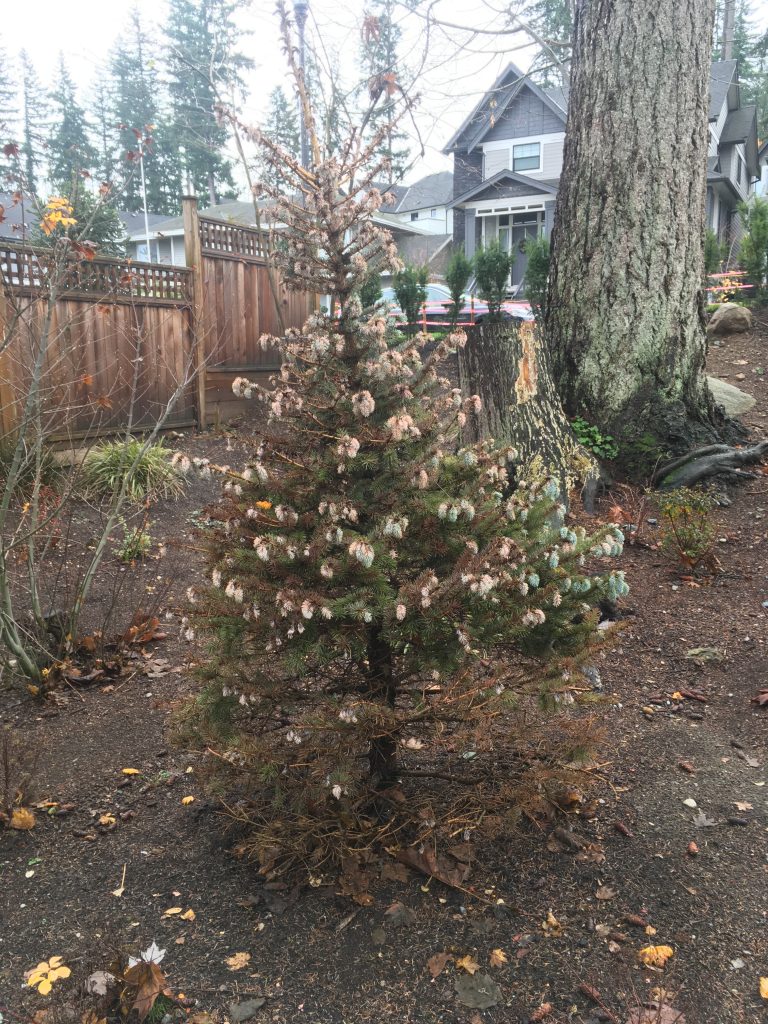
Doomed Christmas trees

In one project this season we installed two expensive spruce trees along with Sedums and shrubs like Spireae and Berberis. It was all fun and games except for the trees. You know you’re dealing with spruce trees when you touch the foliage and feel the stabbing pain in your skin.

The planting went well. I dug a hole with the correct dimensions and removed the wire cage. Then I carefully back-filled the tree and went in search of water.

You should always water-in your installs.

The spruce trees were labelled as drought-tolerant but it’s my humble opinion that they must first get established.

Because the trees were situated in no-man’s land it took a while for the residents to start watering. I think this delay doomed the trees.

Others think that over-watering did them in and it’s plausible that the residents would over-compensate with over-watering.

Several weeks later, both trees were suffering. One went down hard; and the other one pushed out new growth which gave me some hope. When I visited the site next, both trees were gone, replaced by native Western Red Cedars (Thuja plicata).

Water

Plants need water to function properly. This is especially true for newly planted specimens.

Over-watering can also be deadly because excess water displaces oxygen from the soil and the tree suffocates. For this reason it’s important to stick your finger in the planting hole and check for moisture levels.

This is extremely hard for busy residents to pull off.

This one failure from 2020 will be haunting me for a while. I always feel responsible for the plants I install. Like they were my kids. It’s unfortunate that I can’t do the watering myself. I do the install and pray.

How was your year? Did you experience any failures in your gardens?

Best books, one awful year

By | Books | No Comments

Books I recommend

It’s been an awful pandemic year but I did read many books in 2020, most of them in audio format as I worked in the landscape. Here is a list of four books I especially enjoyed.

Mancuso

Stefano Mancuso’s latest book “The incredible journey of plants” is a fun read. It’s not as serious as his “The revolutionary genius of plants” so it will appeal to more people.

Mancuso covers plant migrations with incredible tales of plants, like the ones that survived the Hiroshima bombing and Chernobyl.

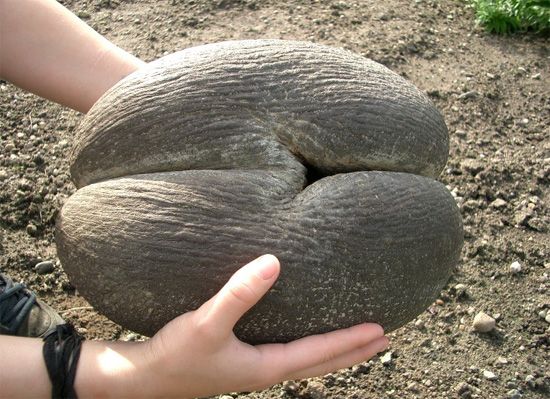
You will also learn a new specific epithet: callipyge, which means “women’s buttocks. There is a sea palm which produces massive seeds-the biggest in the world-and they look like a woman’s buttocks. Now why would a plant produce seeds this big?

Sea palm seed!

If you like plants, you will enjoy this tour of the world. You can easily finish this book over two evenings.

Dial

The adventurer’s son” is a memoir by a scientist about his life and his son. When his son disappears in 2014 in the wild Pacific Coast of Costa Rica, a search is organized. Of course, before you arrive at this point, you get the full father-son back story. And they do a lot of fun stuff together.

As a father myself, I ask the same question: do you introduce your son to new experiences or do you shelter him to protect him? I introduced my own son to mountain biking and now I worry about crashes.

Because there wasn’t a happy ending, we get to enjoy this memoir. All fathers will enjoy reading this memoir, even if the search part of the book was long and complicated.

Stuart-Smith

The well-gardened mind” is THE book on the connection between our brains, health and gardening. Period. I’ve read a lot of stuff on the connection between health and nature and this book covers a lot of ground, in detail.

The author’s husband is a well-known garden designer and together they have created their own garden.

Well-recommended.

Urbina

The outlaw ocean” is a stunning book, full of crime, over-fishing, slavery and craziness on the high seas. Ian Urbina is not a journalist putting together a story from foreign reports. He actually hits the high seas and gets dirty.

This is an eye-opening book on the last untamed frontier. It’s hard to believe what really happens on the oceans of the world.

Workers are recruited and then kept on ships for many months as slave labor. Captains demand sex; and the lucky ones get paid for their labor. Many perish.

This is a wild book. You won’t forget reading it. Stunning.

Nature prescriptions in BC, first in Canada

By | Education, health and safety | No Comments

Good news! Yes, really

Finally some good news during a pandemic. Nature prescriptions are now officially available in British Columbia, the first province in Canada to pull this off. And it makes perfect sense to launch PaRx in Super, Natural BC. The project is a collaborations between health care providers and the BC Parks Foundation.

I had no idea this was coming to British Columbia. I only found out about it when I opened my Globe and Mail newspaper last week.

Now, I’ve read about US doctors prescribing nature to patients in places like California. This is how it works.

Imagine a chubby boy from a poor neighborhood coming to see his doctor. The doctor could prescribe him pricey pills for his anxiety; and expose him to various side-effects while she pockets her Big Pharma perks. But this is a good news blog post so our doctor prescribes time in nature. Say, two hours per week spent in a local park.

What’s interesting is that patients actually did it when they got a prescription from their doctor. They trusted their doctor who handed them a prescription with a map of the nearest park.

It works!

We know it works. Spending time in nature works for all sorts of ailments and medical conditions. And all side-effects are positive, like longer life and more energy.

This PaRx launch is actually well-timed during a pandemic because many people are stressed out. Many people have lost their jobs and their social connections have been severed. But going outside to your local park is safe and good for you.

I’ve written blog posts about forest bathing and its many benefits. PaRx takes it a step further because your family doctor prescribes time in nature for you. It’s good for you and for the planet.

2021

Let’s hope the PaRx program grows huge as many more health care providers sign on. In the meantime consider making a donation to the BC Parks Foundation. Anything over $20 will get you a tax receipt.

Now get outside and enjoy nature!

Red Seal Vas enjoying mall plants and coffee in Irvine, California.

Lessons from municipal parks

By | gardening, landscape maintenance | No Comments

Go stress-free

There is something to be said for municipal landscapes in late fall. I noticed how stress-free municipal park maintenance is. Unlike commercial strata maintenance where grooming and control are the norm.

Now, I know that municipalities have set annual budgets and during a pandemic there probably wasn’t enough cash to groom every public park.

Strata owners pay hefty monthly maintenance fees and expect to see well-groomed landscapes. Still, there are lessons you can learn from public parks and apply them in your own gardens. Let’s take a look.

Perennial cutback

In strata maintenance, spent perennials are cut-back as soon as possible. But you can leave them standing in your own garden. Covered in frost, perennials can look great; and birds eat their seeds or hide in them.

Don’t rush to cutback your perennials.

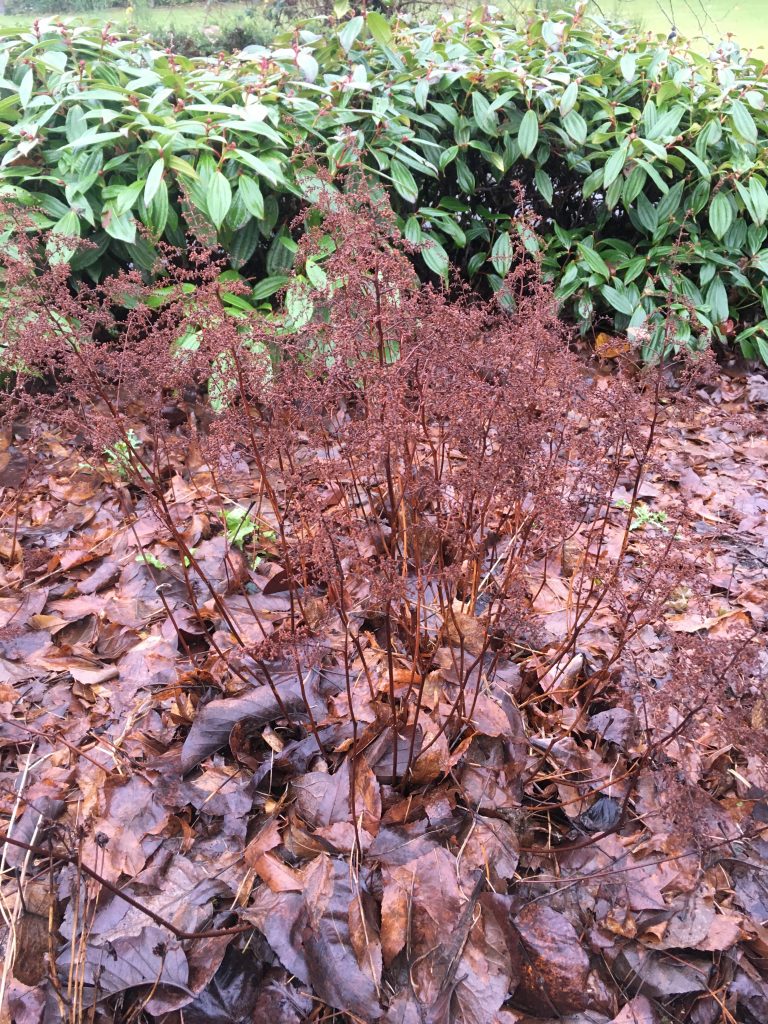
Astilbe produce gorgeous flowers in summer and I don’t mind this look. If you touch the brown stalks, they will break off in your hand.

The leafy layer protects the soil and shelters tiny life forms. Of course, in strata landscape maintenance, this kind of bed isn’t tolerated. It’s groomed!

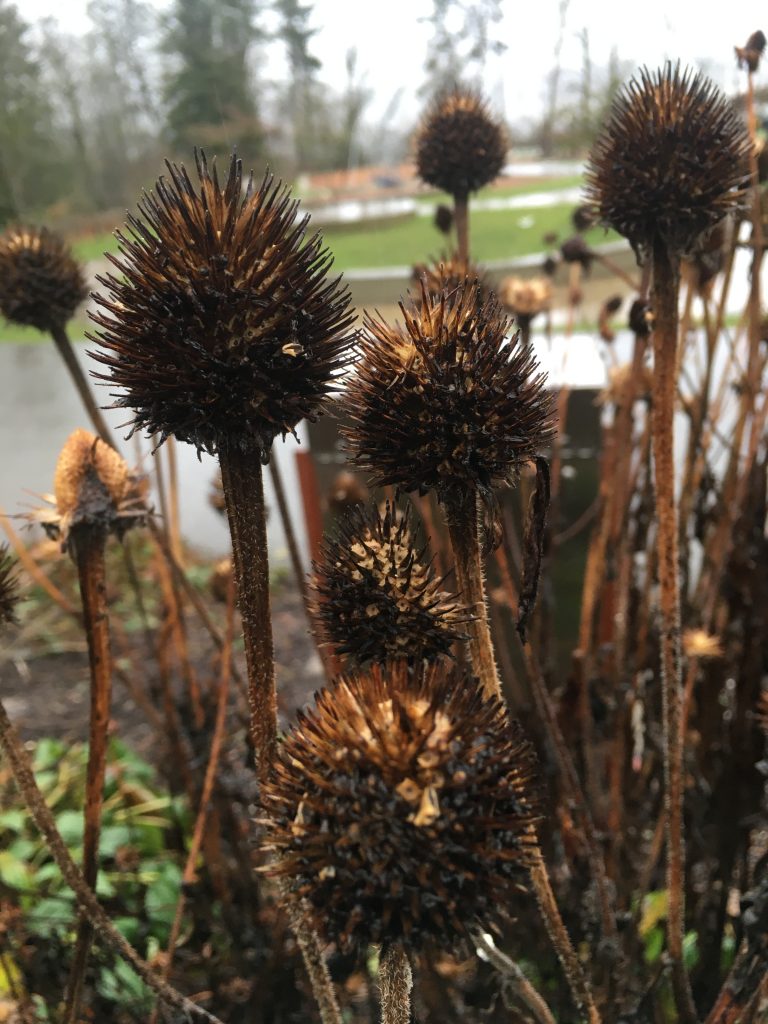
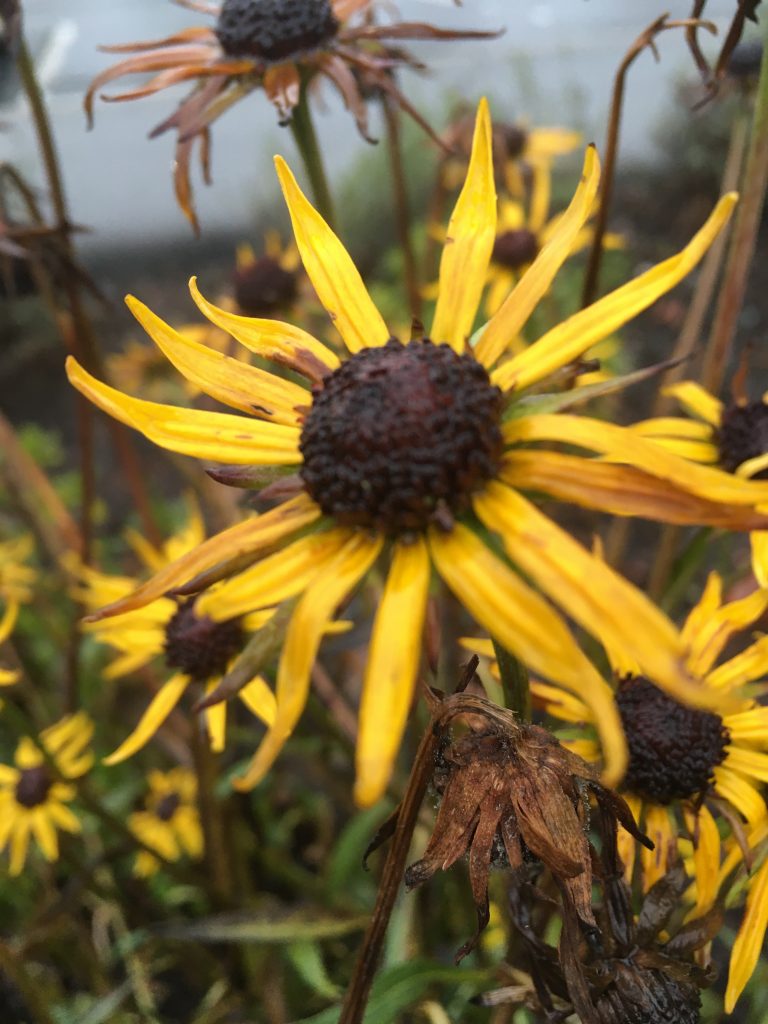
Enjoy the December holdouts, like this Rudbeckia. Don’t rush to cut them back. Walking by today, this reminded me of warm late summer days.

Grasses

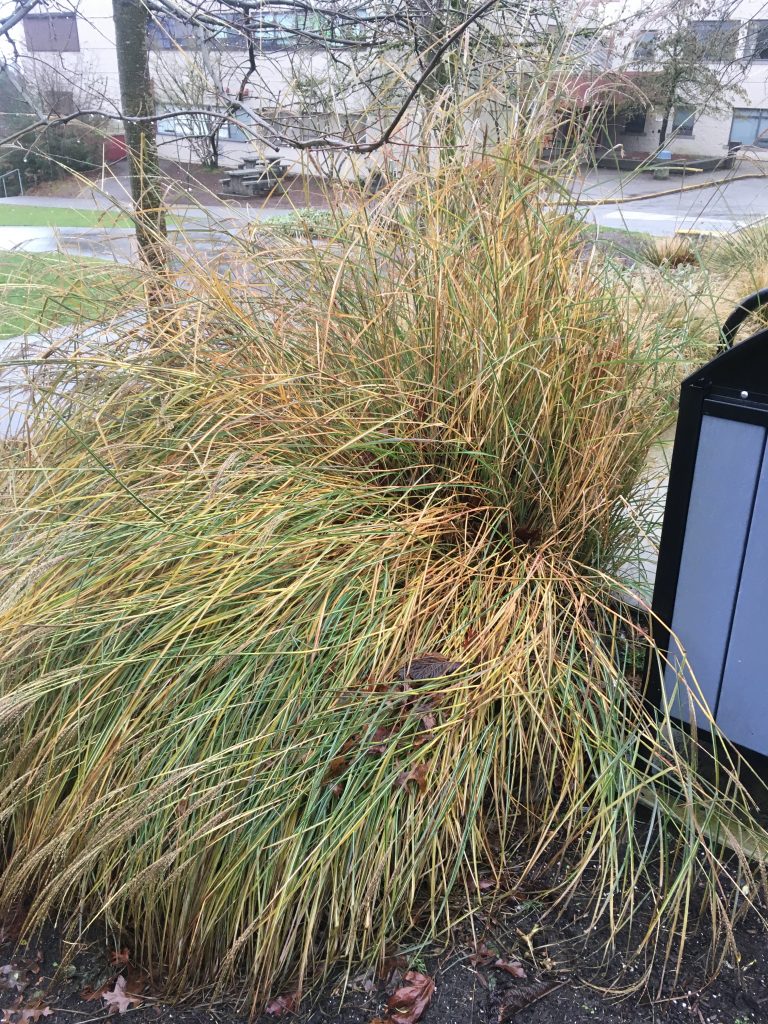
In strata maintenance, when ornamental grasses like this Miscanthus flop over even a little bit they get power-sheared into low mounds. Why the rush? Like your spent perennials, it’s OK to leave your grasses standing in winter.

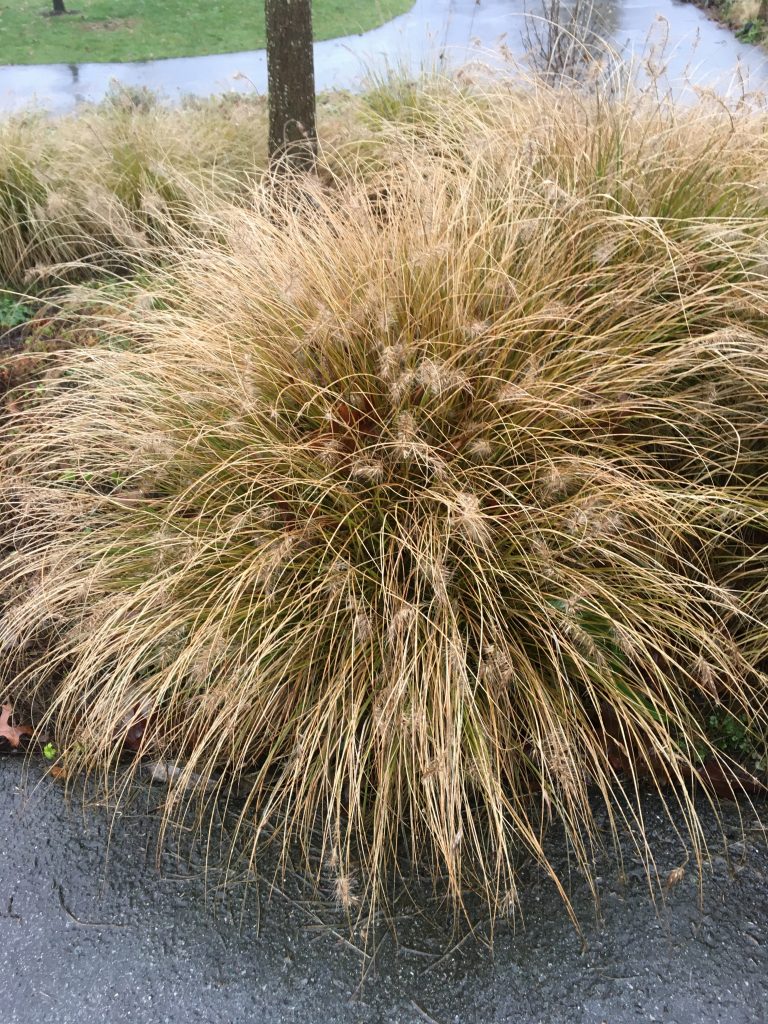
Pennisetum should be left alone until spring. I quite like this look, as opposed to a harshly shaved mound.

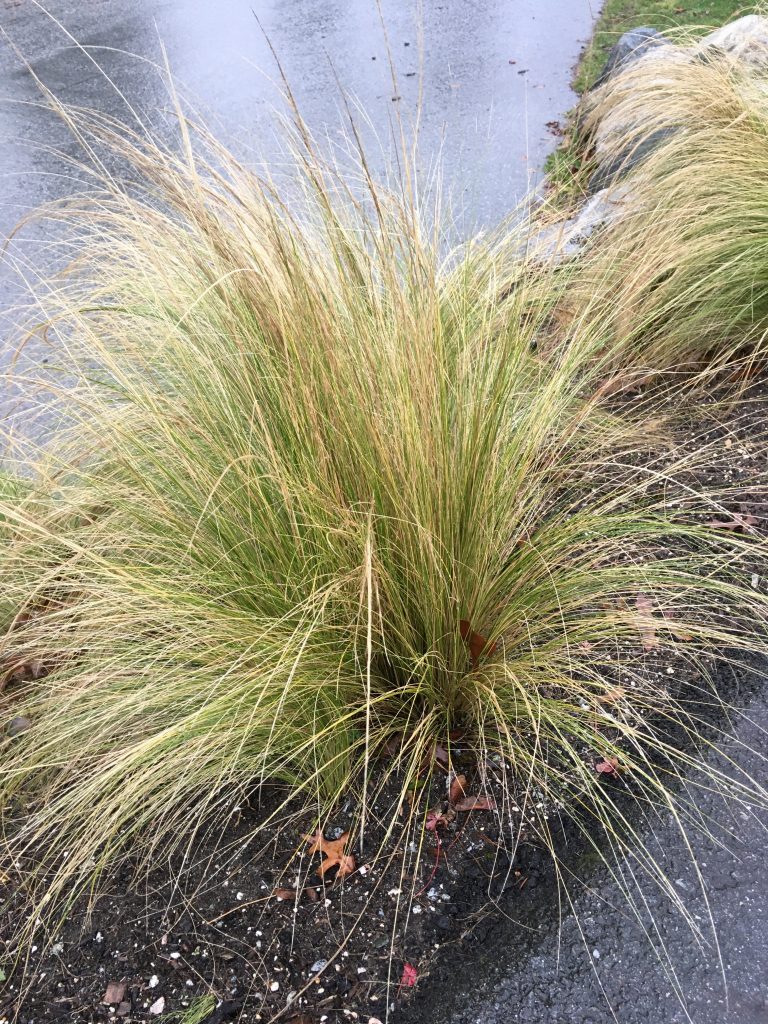
Mexican feather grass (Stipa tenuissima) is supposed to look like this all year. Don’t shear it. Maybe run your fingers through it in spring. It looks fantastic when it moves in the wind.

Conclusion

Learn from your public parks and stop rushing to cut everything back. Ornamental grasses look great in late fall and when covered by frost in winter. Pennisetums should be cutback in spring.

Look at your garden and experiment. Take one winter and don’t cutback all of your perennials and grasses. Leave it for next spring.