
Category

gardening

Definitely say “Thank you!” to your landscaper

By | gardening, Landscaping, Seasonal | No Comments

Thank you!

It’s a long year outside in the landscape so it’s always nice when a resident shows up with gifts to thank us. Like today. While I was deep-edging and enjoying a beautiful sunny mid-December day a resident “woke me up” from my audiobook.

The lady handed me an envelope with sweets and a card with cash inside. The sweets didn’t last very long; before lunch is the most dangerous time for landscapers because blood sugar levels are low. So I took care of that problem very quickly; and there was enough cash to buy lunch at Tim Horton’s an hour later. That was really nice.

It doesn’t matter who maintains your complex or residential garden, say “thank you” just before the holidays. Your landscapers and gardeners work hard to keep your place looking great. They will definitely appreciate a simple ‘Thank you’.

Bitch, bitch, bitch

It isn’t always rosy like this. Sometimes things go wrong so I fully expect to get several complaints a year. Not that every complaint makes sense. When I was a new landscape foreman every complaint threw me off and many times I lost sleep because of it. Not anymore. Now I’m a working manager and most complaints can be dealt with. I no longer lose sleep over it.

Now it’s also easier to blame junior staff for mistakes…….

A long season

Every Christmas it hits me how long the season is. Landscapers sweat outside all year in heavy rain, 30+ summer temperatures and in freezing temperatures. Every spring is super busy, then comes hot summer weather. When school starts, leaves start to turn and fall and the clean up can drag into December.

December is always a bit sketchy because we never know what we’ll get. This year El Nino is giving us a mild start to winter so it looks like we’ll make it to Christmas without interruptions. I can’t remember the last time I did side jobs the week before Christmas; and I have tree work ready for the new year. I’m counting my blessings.

Conclusion

When you’re enjoying your Christmas holiday this year look outside at your garden or landscape. If it’s in great shape, don’t forget to say thank you to your maintenance workers. They spend a long year outside doing their best.

Are you still stressing over fallen leaves?

By | gardening, Mulch, Tips | No Comments

David Hobson’s opinion

This past October I travelled to Waterloo, Ontario to cheer on my son’s soccer team. They played in the youth U15 nationals, representing British Columbia.

Now, since they only played one match a day and the team didn’t hang out with parents, I had plenty of time to hang out.

I visited the St. Jacob’s farmer’s market, Canada’s largest outdoor farmer’s market. Safely absorbed by the market crowds, I bought a copy of the Waterloo Region Record newspaper. In it David Hobson wrote about fall leaves and how he deals with them “How about those leafs?” (Waterloo Region Record, October 7, 2023, section C8). Inevitably, this topic comes up every year so let’s see what David does in his own garden.

Easy does it!

David recommends bagging your leaves and leaving them outside exposed to the elements. By spring you should have layers of soggy, decomposing leaves you can add to your garden beds. He has done it for years and suggests you do the same. Start small. Even one bag of leaves is fine.

David doesn’t spread the leaves around in his own garden, except around shrubs where they get trapped and don’t blow away. Normally he makes a large pile of leaves, sometimes two metres across and just as high. The leaves should be wet for best results.

As the leaves begin to decompose, the pile shrinks by half. By early June he peels of compacted layers and adds them to his garden and vegetable beds. They stay there all summer and by fall those leaves are almost gone. They were used to build up soil just the way it happens in nature.

This is one reason I enjoy blowing leaves off multi-family complexes into woodland buffer zones. It’s good ecology and I cut down on green waste dumping charges.

If you like David Hobson’s ideas, try them out; and follow David online.
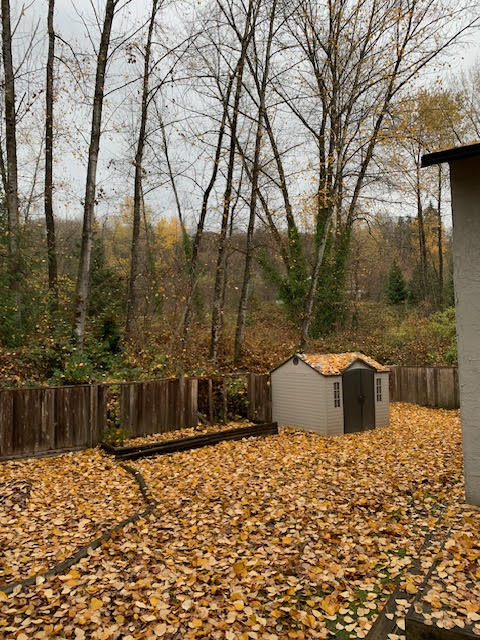
Stop stressing: blow it into one big pile and let it decompose!

In the garden: simple summer tasks

By | gardening, landscape maintenance | No Comments

Feeling the heat?

There was a hot, dry and dusty stretch in July and August and many landscapers had difficulty finding work. Since their lawns were short and brown, they had extra time on their hands. And finding work on site shows experience.

To find work you have to look closely at your landscape or garden. The work is there. I know because I have done it. When people cry there is no work, I rush in to help them. That is what good landscape managers do. Let us take a look.

Work examples

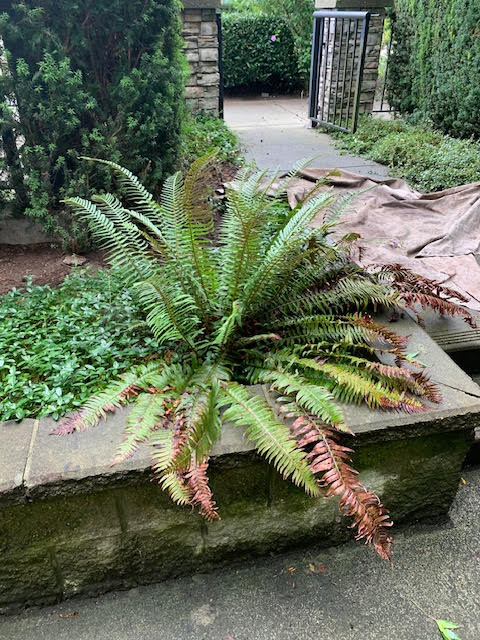
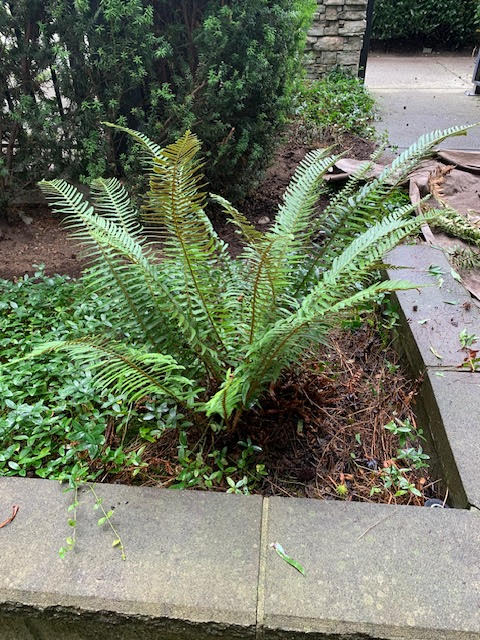
Any ferns that have not been clipped in spring, like this native sword fern (Polystichum munitum), can be done in summer.

Dead out

Dead plants and dead branches look awful. We want everything to look great: healthy and beautiful. So do not be afraid to cut dead stuff out.

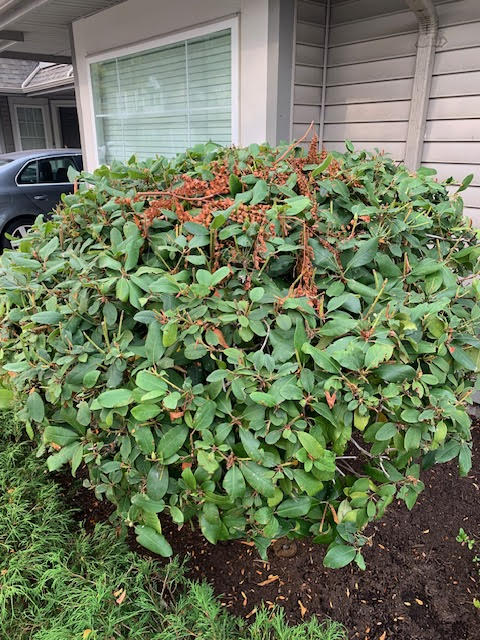
Easy hand pick: dead branch on top of this rhododendron

This dead rhododendron branch really bothered me. One cut and I could sleep well at night.

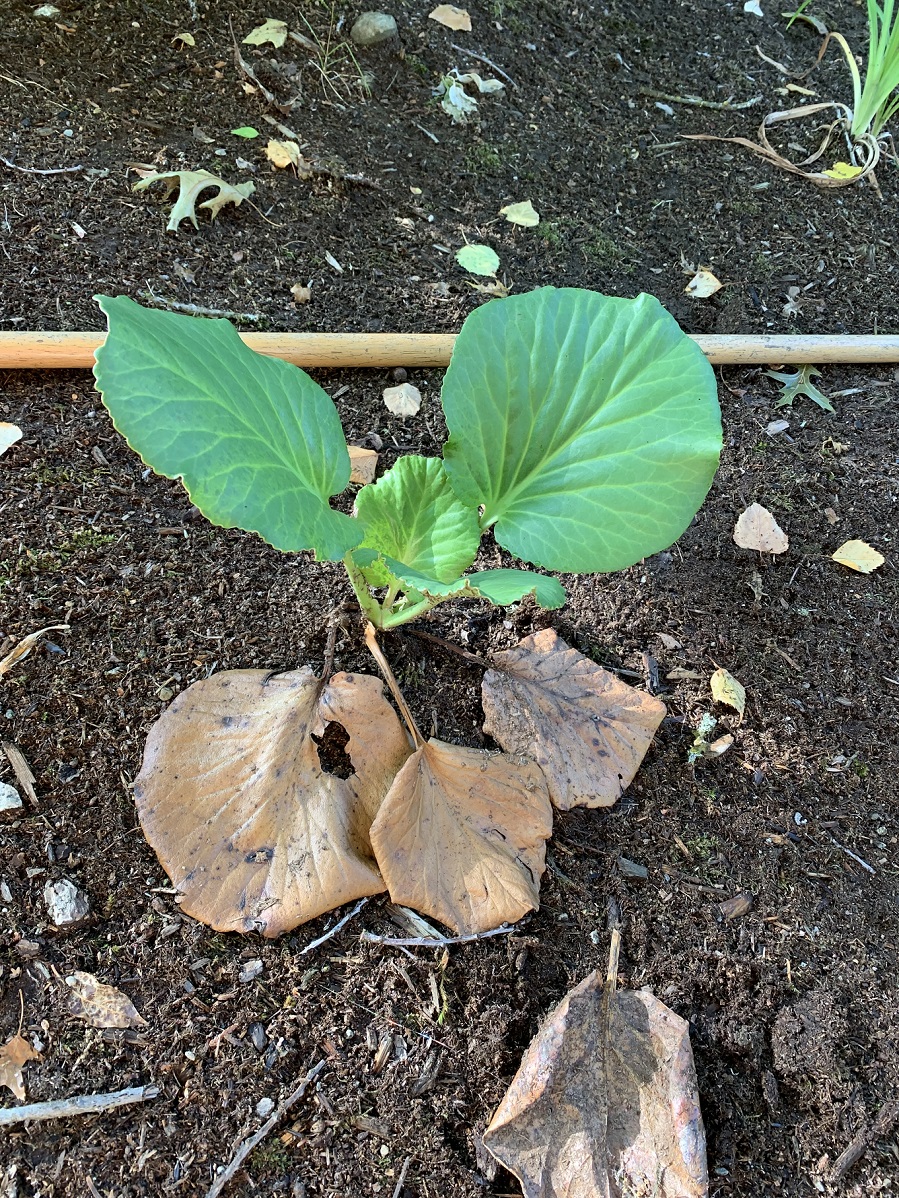
Cut back the brown Bergenia leaves
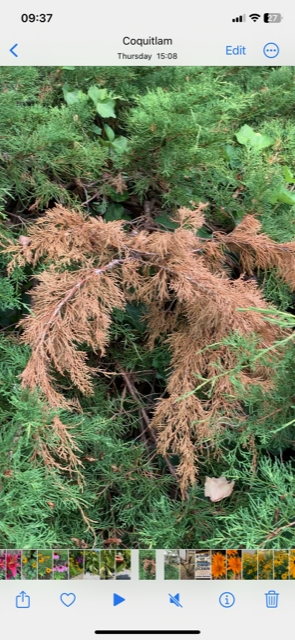
Snip out dead out of junipers.

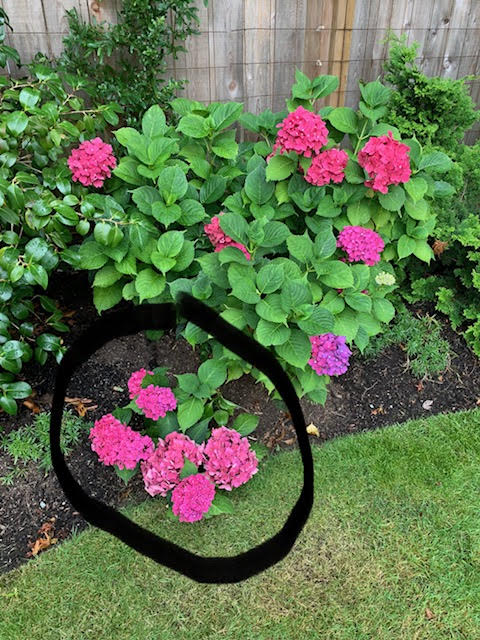
Hydrangea

This low branch looks terrible; we need a nice upright look. When the branches touch the ground you can make them disappear.

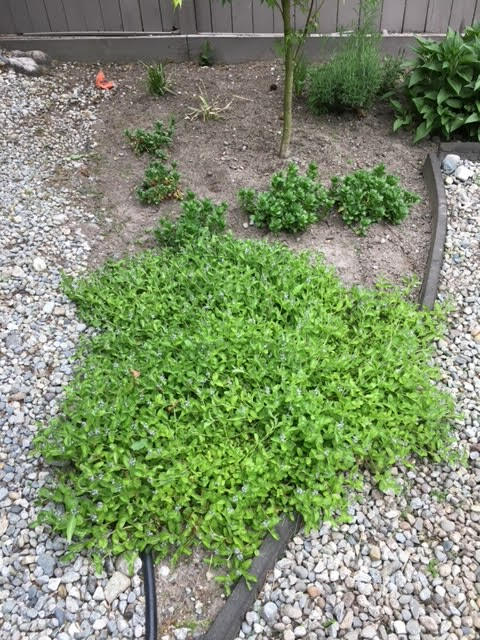
Groundcover

I planted this groundcover to compete with weeds and it’s doing really well. Almost too well. So, clip it back inside the triangle borders.

Sweetgum

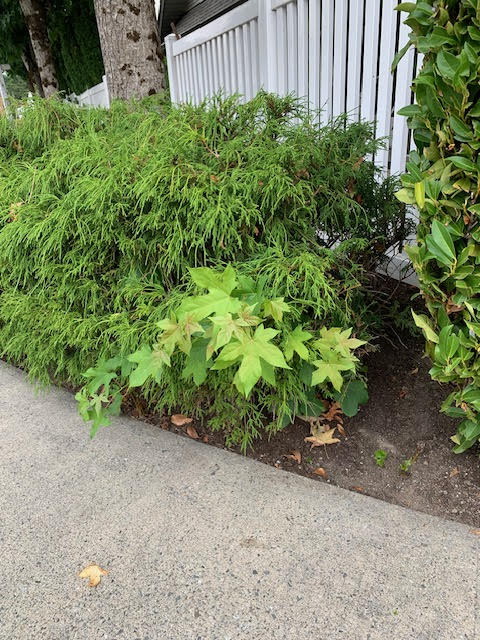
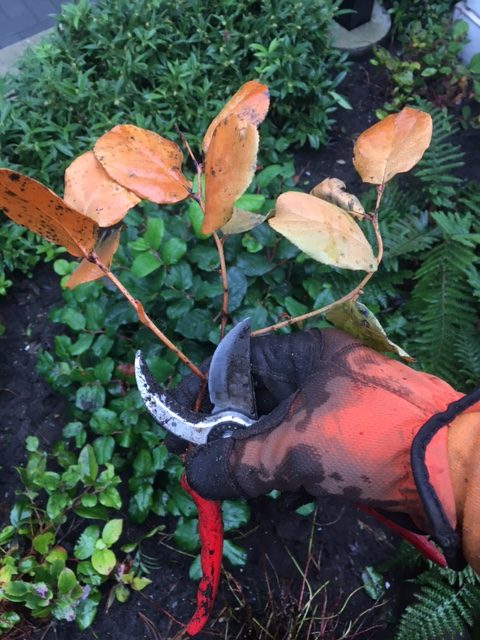
This sweetgum tree is sending out suckers from its roots right through a juniper. So, I snipped it at ground level to create the separation we need. It wouldn’t make sense to let the sweetgum get bigger inside the juniper.

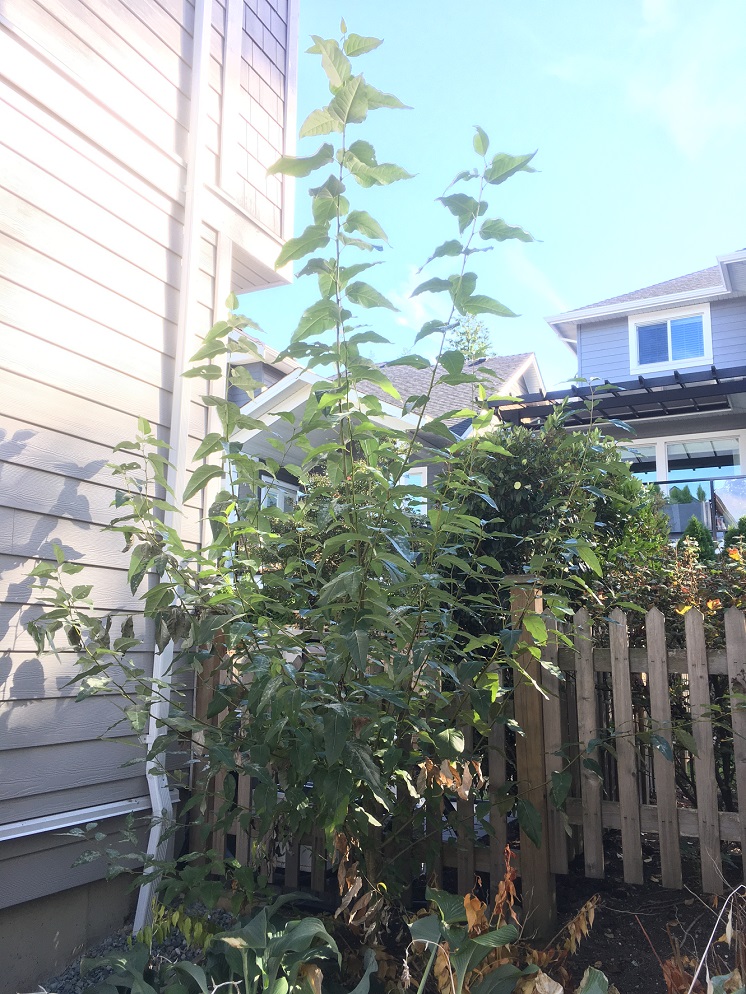
It has taken two seasons for this invading cottonwood tree to grow back to annoying size. I actually cut it back myself because the foreman on site thought it was planted on purpose. It wasn’t. Cottonwoods get quite large and this site is small.

I did my best to remove all roots but there is one buried deep in the soil and I didn’t have the time to excavate it, which means I will be back in two years to humble the invader once again.

Conclusion

Take a good look around your home garden or strata landscape. Even during summer when conditions are dry, there is plenty of work. You just have to look for it. Looks for details that get missed during the busy months. Check every corner, every raised bed and every back exit area.

Garden professor takes on myths

By | Education, gardening | No Comments

Link of gold

Usually, surfing online is an awful time-waster but not today. While checking my Facebook feed I came across a recent video recording of a presentation given by my mentor Dr. Linda Chalker-Scott. You might have read my earlier blog about Linda. In it, I call her my hero because she covers gardening as a scientist. This means that her findings and writings are based in science, not gardening hearsay. When I read about her experiments with mulch flammability I was extremely jealous. I would love to torch different mulches in the name of science.

Linda uses science to bust persistant gardening myths. You can listen to her presentation below. I can almost guarantee you that you will learn something new. It’s also possible that you too are holding on to gardening myths. Let Linda dispel it for you.

My mentor

Before the pandemic hit, I almost got to see Linda at a trade show in Abbotsford. I have several of her books -highly recommended-and I follow her because she writes on topics that apply to my everyday work as a landscape professional.

Let’s see some examples. I know a strata site where one of the residents buys lady beetles every year with after-tax dollars to deal with aphids. It sounds like a plausible idea until you realize that the lady has no way of keeping the lady beetles on her tree. There are more trees on her site. Linda has an extension paper that deals with this topic. (Spoiler alert: don’t do it!)

Now, what about landscape fabric? It’s sounds great! Put it down, cover it with soil or mulch and never weed again. Not so fast. The fabric clogs up and doesn’t let water through; and when the soil decomposes, thin layers can actually make life very cosy for weeds. Landscape fabric is a waste of money. (Now you know!)

Get to know Linda

Gardening is fascinating. There is always something new to learn and I have a lot of respect for garden professionals. But there are many opinions that aren’t backed up by science so why not let Linda show you the way. You can thank me later. She’s an awesome lady and she lives in our corner of the world, in the Pacific Northwest. That’s a huge bonus.

Low-profile zones need love, too!

By | gardening, landscape maintenance | No Comments

Don’t discriminate

I love seeing and knowing the entire garden or strata complex landscape. Not just the high-profile entrance and car ramp areas but every little corner, including raised box beds and back of the building areas. You must move beyond the “beauty strip” to succeed.

This isn’t the first time I’ve written about it; but I remembered the idea when I substituted recently for another vacationing landscape foreman. His main helper volunteered to cover the back of the building by himself, which sounds like he reads my blogs. Not so. He’s a smoker and by working at the back of the building he gets to smoke a lot of “fags”. My only worry, with the province in drought conditions, was a human-caused fire in the neighbouring wild zone.

Tasks

Low-profile zones are weedy; full of small weeds and big trophies. There is also some seed drift from the wild zone next door. Cultivation fluffs up the soil nicely as well.

Another less obvious task was establishing tree wells around trees planted in the lawn. Without tree wells to warn lawn care workers about trees, there is bound to be trouble as lawn care machines crash into tree bark. This leads to stress and, if repeated weekly, to death.

Blemishes

When we walked the back area later in the afternoon to assess everything we noticed several blemishes. One was tree stakes installed way too low. Normally, stakes are roughly at chest height, depending on the tree. The stakes we saw were at knee height which makes them ineffective.

Another blemish worth covering in a separate blog, involves shrub planting. Many of the shrubs were sitting high with portions of their root balls exposed. That’s crazy because the roots desiccate and die. Read my next blog post to find out how this can happen.

Residential low-profile corners

Yesterday, my job was to clean-up a backyard residential garden. It was full of magnolia leaves from last fall; there were some dead shrubs and dead branches to remove, and of course, weeds. When I did the final clean up blow I discovered a hidden corner behind a stack of chairs. A perfect example of low-profile garden neglect.

Small weedy areas like this produce weed seeds so it’s best to keep everything in check. Remember, check every single area around your house and garden. Don’t discriminate!

A cleaned-up low-profile zone

“The joy of Gardening” book review

By | Books, gardening | No Comments

Worth your time!

I picked up Ellen Mary’s book “The joy of gardening” in audio format on Audible.com. And I’m glad I did. It was a nice listen while I worked outside in the landscape. I actually listened to it again today while weeding a residential garden for a client.

The book is written for people new to gardening and it covers every angle but it doesn’t mean that more experienced gardeners can’t learn something. I know I did. For example, I had never heard of bulb lasagnas until I listened to this book. You can read my blog post about it on my West Coast Landscape Pro blog. Briefly, it involves planting different kinds of bulbs in one pot. The top layer flowers first, and so on down the pot.

Mental health

Ellen Mary’s background is, among other things, plant therapy and it shows. While this is a book about gardening, she does bring in mental health issues. And it’s done well. It doesn’t distract you from gardening issues; and if you need help with your mental health, then it will help you.

For example, when Mary explains how to thin out seedlings she suggests letting go of negative issues in your life with every seedling you eliminate. She also describes how she mows her lawn by concentrating on the physical task of mowing without thinking about anything else.

She also touches on the Japanese concept of “shinrin-yoku” or forest bathing. By now it’s a well-known topic covered in many books. The main idea is that a walk in the woods is good for people and the Japanese have study data to back it up. For example, blood pressure drops nicely once people enter the forest.

Interconnection

Now, I know you’re focused on your own garden, whatever its size. However, Mary’s book reminds you that we are all connected. Even if your garden is very humble, it will provide homes for insects, birds and small animals. Weeds might cause panic for you but pollinators might still enjoy them.

Also, your garden gives back through beauty and contact with soil. You’re encouraged to relax in your garden and observe what’s going on.

Conclusion

Ellen Mary’s book is a nice gardening primer for beginners. She covers all angles so you can relax and learn as you read or listen. There are lessons hidden in the book that even experienced gardeners will appreciate.

The narrator does a great job, too. If you’re looking for a new book on gardening, you can’t go wrong with this one. Yes, Ellen Mary is from the UK but everything in the book applies to Canada. Don’t worry.

Happy gardening!

Let black bears play in your garden

By | gardening | No Comments

“Kids playing”

Two weeks ago I was push mowing in a strata complex when an elderly couple drove up and stopped me to warn me about black bears playing on their back patio. Clearly distressed, they were worried about the well-being of my crew but loud lawn care machines usually repel black bears.

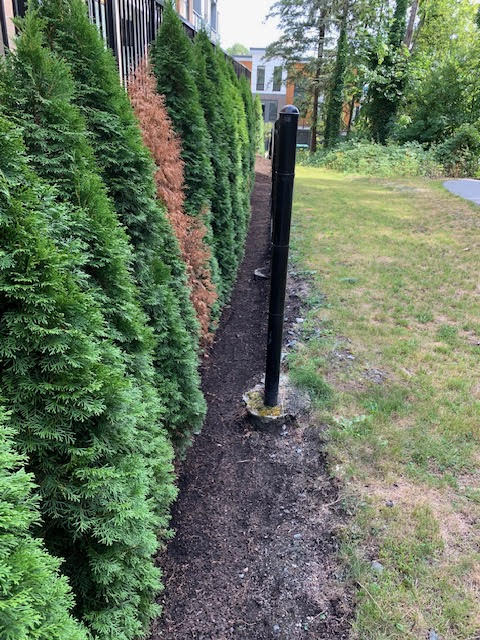
They also bitterly complained about a part of their cedar hedge (Thuja occidentalis) being down. The bears broke off one stem and then sat on it while the owners looked on from the comforts of their over-priced home.

I found it funny because there was nothing to be done. I believe we are extremely lucky to have black bears roaming our neighbourhoods; they’re beautiful animals. Beyond the patio they abused there is a large wild zone and beyond that are long dykes. That’s where the bears find food and hang out. This is their home. So yes, be careful and know what to do when you encounter black bears in the city or on the trails. But don’t worry about any damage they do to your garden. We are fortunate to have these animals.

Easy fix

Later that day I brought over a sharp hand saw, and a rake and tarp. The lady living in this unit is pretty interesting; some would describe her as “high-maintenance”. Often she bikes around on her pricey e-bike and stops by to tell me- in great detail- about invasive plant species that keep her up at night.

My job was to cut and remove the broken cedar stem which was easy with my sharp hand saw. Always use sharp hand saws so you can make quick, sharp cuts. Then, as specified by the homeowner, I had to rake up the drop inside the cedar hedge. Before we left the site, I sent one of our guys there to blow off the grass so it looked like we were never there.

The bears were responsible for the large hole in the hedge. It should grow over eventually. Let the kids play!

Pruning: don’t be so formal

By | gardening, Pruning | No Comments

Check before pruning

Before you start pruning, stop to assess everything. Ask yourself why you are pruning and then decide how you will do it. In my nightmares, dudes indiscriminately gun down every shrub in sight with power shears.

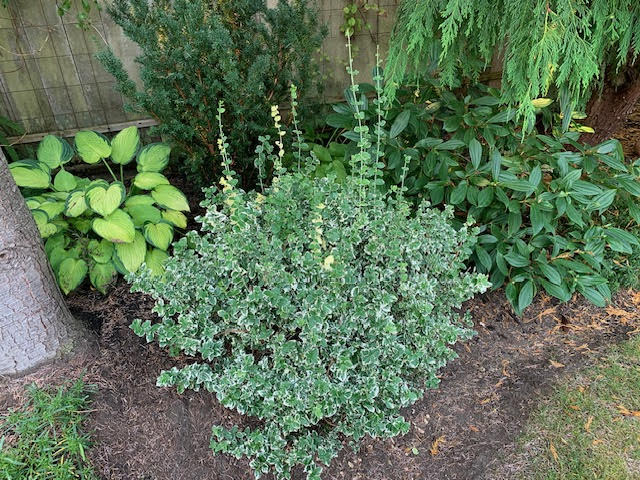
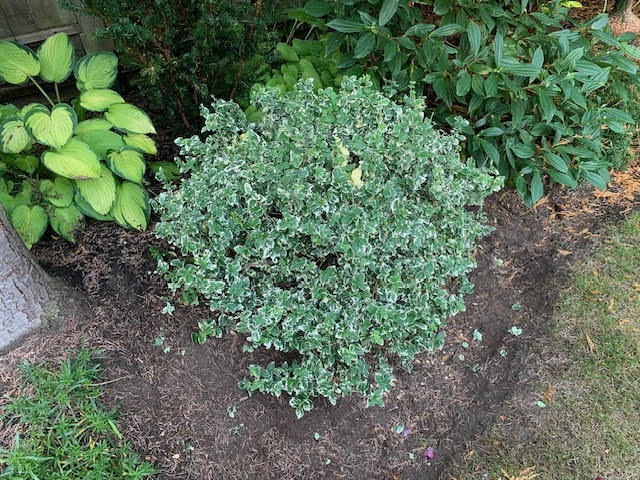
It also helps when the clients give you a hint, like this past weekend in White Rock. The lady took me for a walk around her back garden and showed me what work she wanted me to get done soon. One obvious target was a shaggy Euonymus.

Gardens vs Strata complexes

Now, I know that most strata landscapers would grab power shears and prune it into a ball, leaving behind tons of debris on the ground and on top of the shrub. It looks fast but it’s a mirage. We’ll get to that soon.

Luckily, I knew the lady’s garden well and nothing in her garden is sheared into formal shapes: balls, squares, rectangles, etc. She has a nice garden and my monthly visits involve a lot of bitch work. I weed, remove leafiness and cultivate the beds. And I also prune so let’s get back to our euonymus shrub. I grabbed my Felco hand snips and, always minding the location of my pretty fingers, carefully grabbed a few stems before snipping them off. And I held on to the debris which was then disposed of in my garden bag. Power shears seem to be faster but not if you include clean-up time. I had almost zero debris on the ground and on top of the shrub.

Good result

Hand snipping gives the shrub a more natural look since the pruning cuts are slightly staggered. And in this garden setting it totally fits. Tight round balls would only make sense if we had some formal shapes in the garden already, either plants or fixed elements. That isn’t the case in this garden and I love it! I openly confess to happily leaving loud, polluting power shears in the truck and enjoying quiet hand snipping on a sunny day in a quiet-and also white and rich-neighbourhood. It feels like therapy.

Before

After

How landscapers stay busy on cold winter days

By | gardening, landscape maintenance | No Comments

There’s always work

If you live in a strata building and look outside at your landscapers with suspicion, fear not. They’re busy even though it’s cold outside. Let’s see what they’re doing.

Garbage

There’s no point making a site look beautiful when there is a pile of garbage on the lawn. You might as well pick it up, otherwise it will detract from your overall maintenance presentation. This will also take the pressure off your building caretaker.

Deep-edging

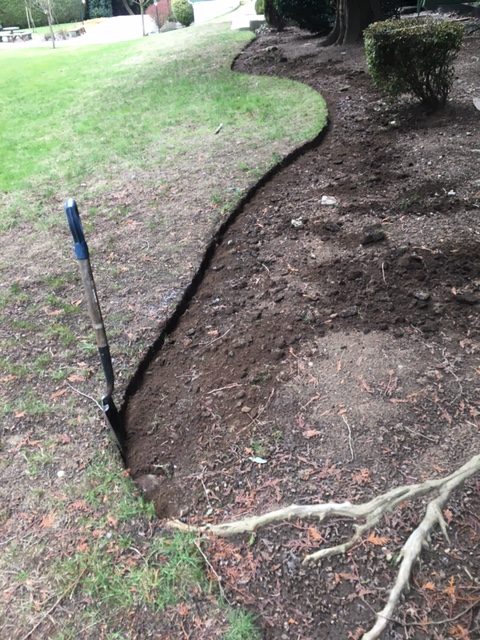
Assuming your edges aren’t frozen solid, you can re-establish your deep edges with an edging shovel which is flat on the bottom. Make sure the edges are sharp ninety degrees and remove any dislodged grass chunks.

Edging gives our beds nice definition, it will help guide our lawn care edger machines, and it’s best done now in winter when we’re not busy cutting grass.

Dead out

Now is a great time to snip out dead foliage out of our plants. Often people are too busy during the season to stop and deal with this. Not deep into January: I snipped out dead branches from trees, dead out of Salal and evergreens. We should aim for beautiful, healthy landscapes. Dead foliage looks awful so snip it out.

Salal

Add soil

If there’s budget, adding soil amender to tired, depleted beds, is also a great winter time task. The warm soil might even warm you up. New soil looks great immediately and you won’t have to weed for months. The plants also appreciate the new soil.

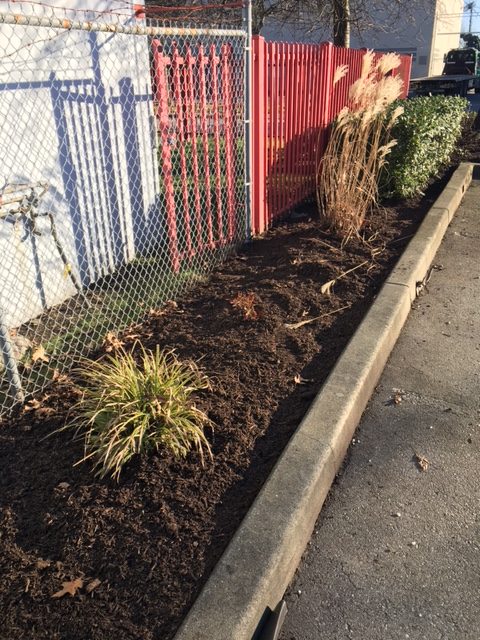
My commercial site in Coquitlam.

Note the Miscanthus sinensis ornamental grass. Since it’s still beautiful and upright, I’m leaving the cutback closer to spring. It’s important to cut it back before new foliage starts to emerge in spring. But for now, enjoy it.

This bed usually requires cultivation but now, with new soil installed, I shouldn’t have to touch it too much.

Conclusion

Yes, the winter is a slow season but we still have work to do. We can add new soil to tired, depleted beds, snip out dead foliage from trees and shrubs, prune roses and deep edge our beds. And don’t skip garbage picking.

Early 2023 fine-tuning tasks for your garden

By | gardening, Trees | No Comments

New season

The new year is here and the garden is very quiet. But if you look closely, there is some fine-tuning you can do now. Assuming you feel motivated to go out into your garden in January. Let’s take a look at some of my work.

Black eyed Susans

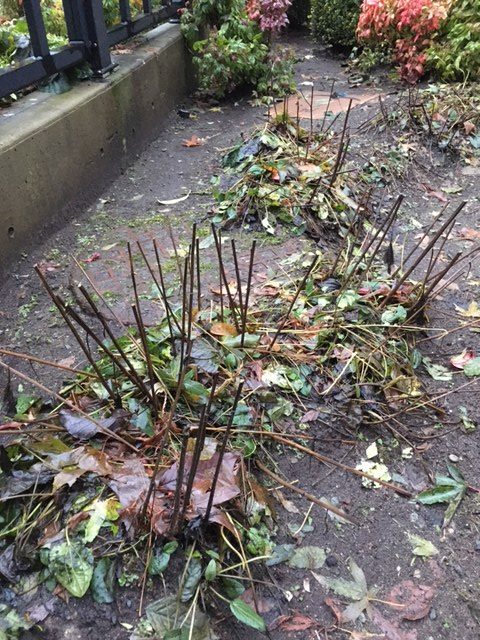
I’m not a fan of stubs. On trees they die and create a pathway for diseases to enter. On perennials like Rudbeckias, they create homes for bugs to move into and sharp sticks for gardeners to get stabbed with.

I hate this look. If you must cutback your Rudbeckias early, use hand snips and enjoy the work. Remove the entire flower stalk so only the basal leaves remain. It will look much better. These long stubs look weird.

Clean up tree damage

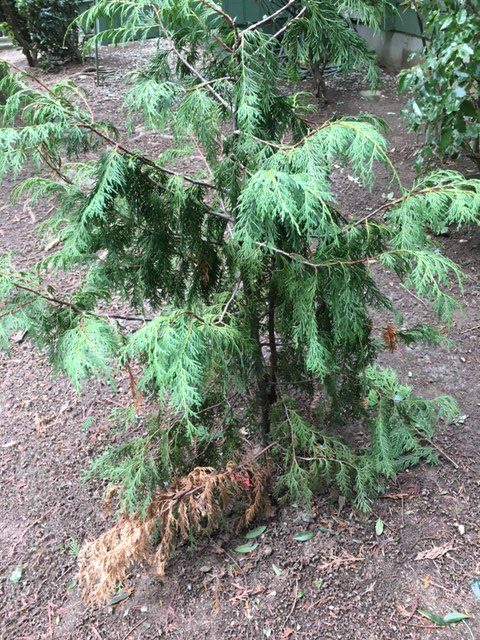
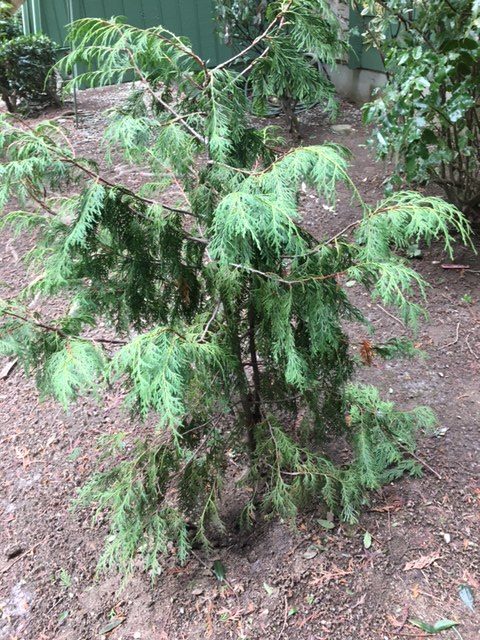
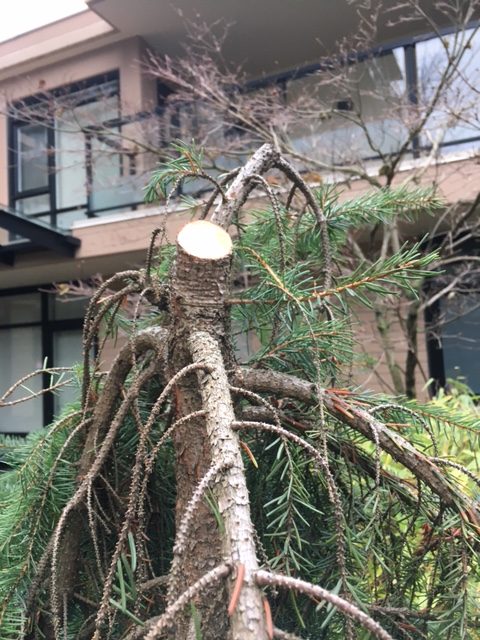
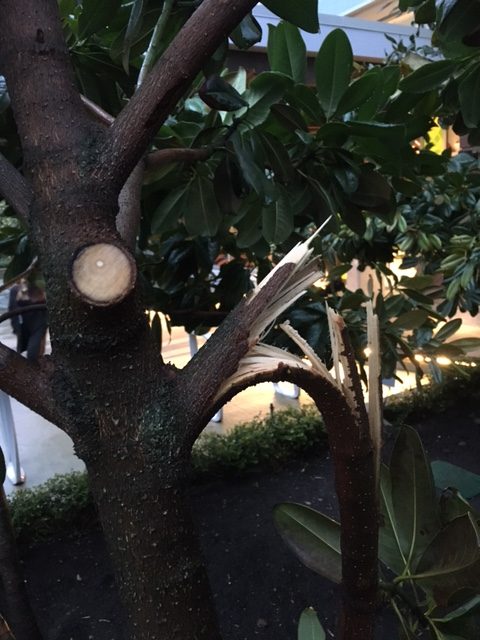
If you don’t manage to knock off snow from your trees before damage occurs, then just make sure the break points are cleaned up. I found one small evergreen with a broken top so I cut it to make it look decent. Always use sharp hand saws.

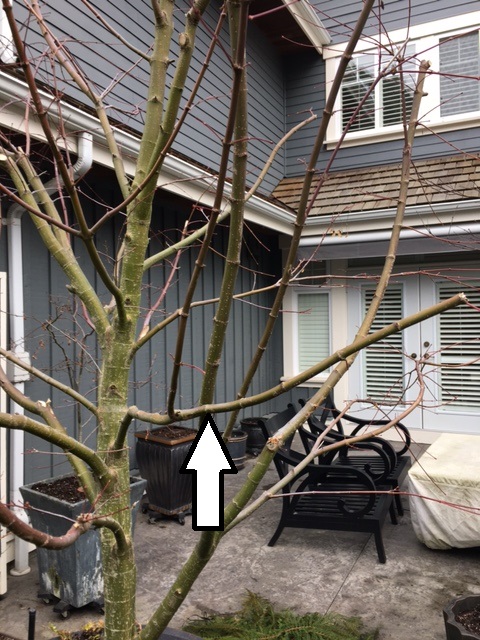
Rubbing branches on trees should also be eliminated. See the white arrow.

Perennial cutback

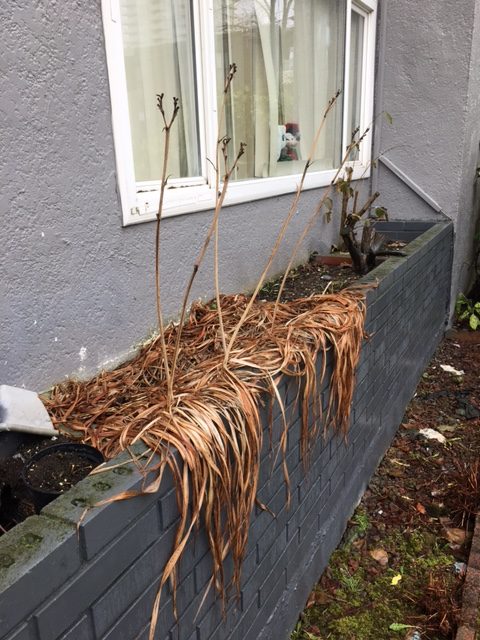
January is a good time for perennial cutback but it’s not critical. Just get it done before spring hits. Personally, when I see the bed below, I don’t want to wait any longer.

This deserves a clean up.

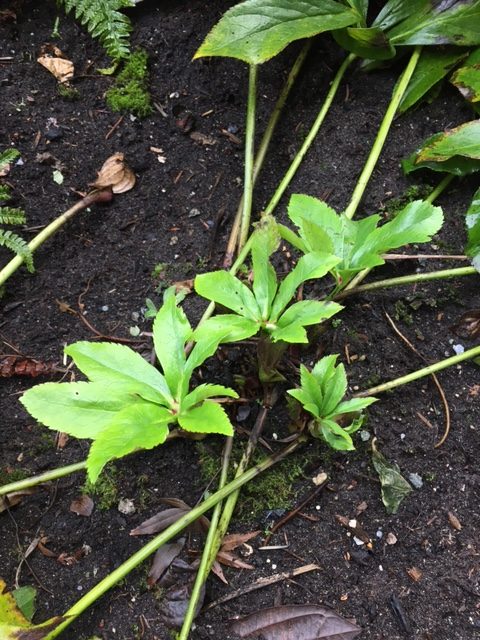
Once Hellebores start pushing out new foliage, you can clip back the old leaves. Flowers follow. I don’t like to rush this. The old leaves at least give us something green to look at.

Now you can cutback the old leaves at the base.

Conclusion

Take a good look at your winter garden to see if you can fine-tune it a little bit before spring. There is always something to do.