
All Posts By

Vas Sladek

“Caring for plants” Korean short story

By | gardening, Magazines, Reviews | No Comments

As I was browsing through the magazine section of my local public library I noticed a short story in the New Yorker magazine (July 10 & 17, 2017). Caring for plants, by Hye-young Pyun, translated from Korean. Sure, why not.

It all starts with our protagonist in hospital, badly crippled. There was a car accident and, sadly, we learn that the wife didn’t make it. This is where gardening comes in. The wife loved her garden. She cared for her flowers and shrubs but now the garden looked rough and abandoned.

I have some experience with abandoned gardens. One of my earlier blogs deals with a true story from Japan. The wife commits suicide and her husband lasts barely a year or two. Their little front garden is still there but it no longer gives anyone pleasure. It is sad to see the weeds and over-grown plants.

Our protagonist eventually gets well enough to go home but he’s still in rough shape. His first caregiver is a riot and by far the best character in the story. Then she gets fired. And the mother-in-law enters the picture. We know she is sad and mad. She never liked the cripple.

When she isn’t helping her son-in-law, she is out in the garden. She knows that this was her daughter’s favourite spot so she does what she can to keep it up. Then she starts digging holes in the far corner of the garden.

Our protagonist is slowly recovering and still has to crawl to make it to the washroom. Then he mentions to his physiotherapist that she has been feeding him extra pills. Wasn’t that unusual? Perhaps. The physiotherapist, too, gets axed.

Now the mother-in-law starts talking about money and budgets. The son finds it odd and then discovers that his resignation at work had been submitted without his prior knowledge.

Then one day, he crawls to the window and sees his mother-in-law planting new plants in the holes she had dug. But wait. Is that an extra large hole in the far corner of the garden? Here we get to exercise our imagination. Perhaps tomorrow there will be a large tree delivered? Or is it meant for our crippled son-in-law. It’s up to you to decide how he ends up there. An overdose looks imminent. I think.

If you have some extra time at night or on the weekend, read this short story and let me know how you think the story ends.

 

Lace bug infested rhododendrons

By | gardening, landscape maintenance | No Comments

As frequently happens, I get interrupted from my tasks to attend to strata owners’ requests. Today was a statutory holiday in British Columbia so we hit the site with a California-style mow-blow-go service. Of course, this also meant that residents who would normally be at work were home.

And off we went to see the lady’s front entrance rhododendron. The owner said it’s been suffering with white flies for five seasons. She gives it fertilizer and prunes it twice a year to keep the height in check. It doesn’t flower much. Aha, I could feel a blog post brewing in my head.

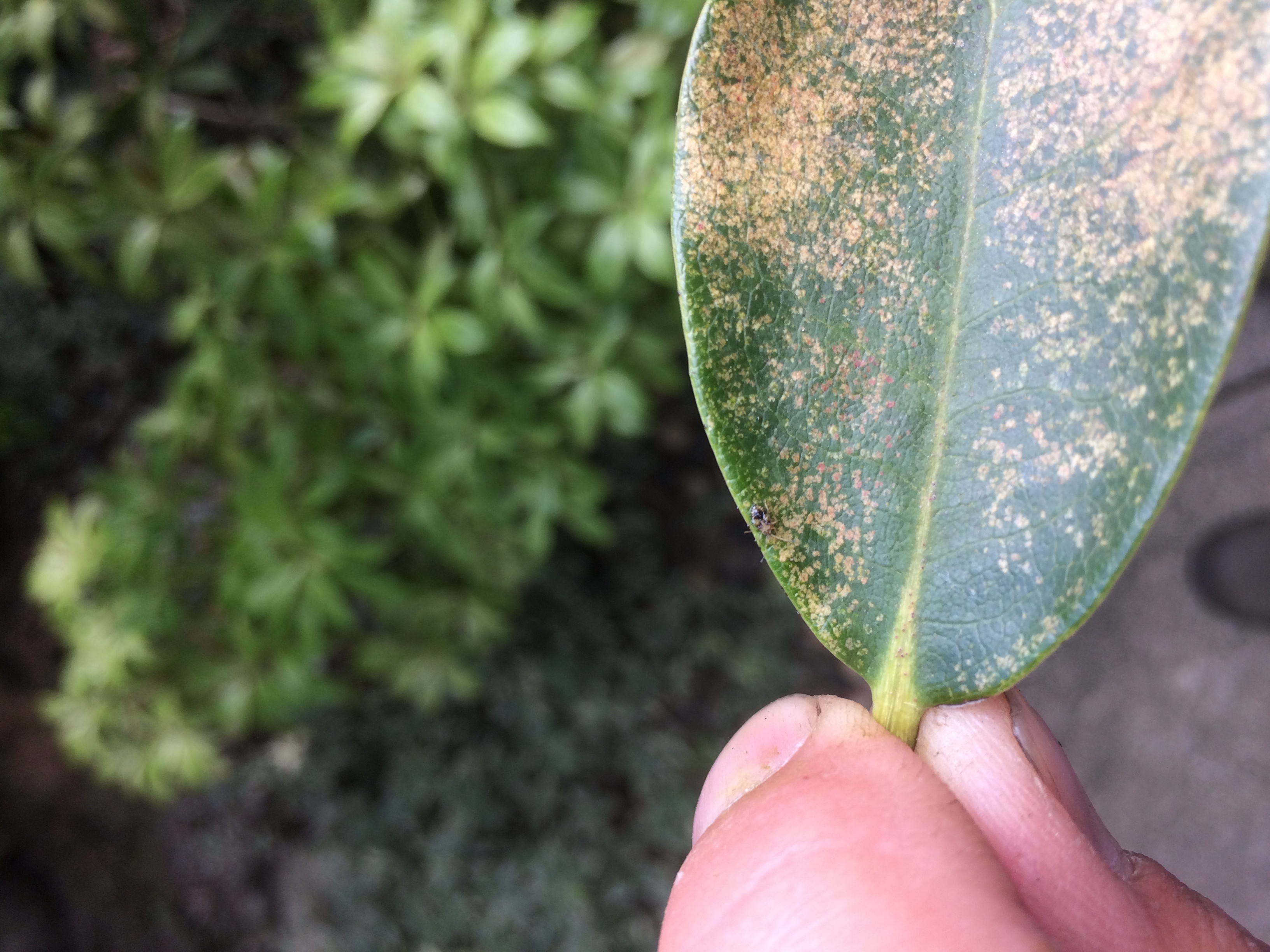
Bugs on leaf undersides

I examined the leaf undersides but found lace bugs instead of white flies. Since both bugs are sucking insects I knew sprays are usually employed to control them. So I snapped a few photos and made a note to do some research when I got home. I’m also fortunate to have great contacts to reach out to when I need help. One is municipal gardener Tracey Mallinson and another is Dr. Linda A. Gilkeson.


IMG_5668ed

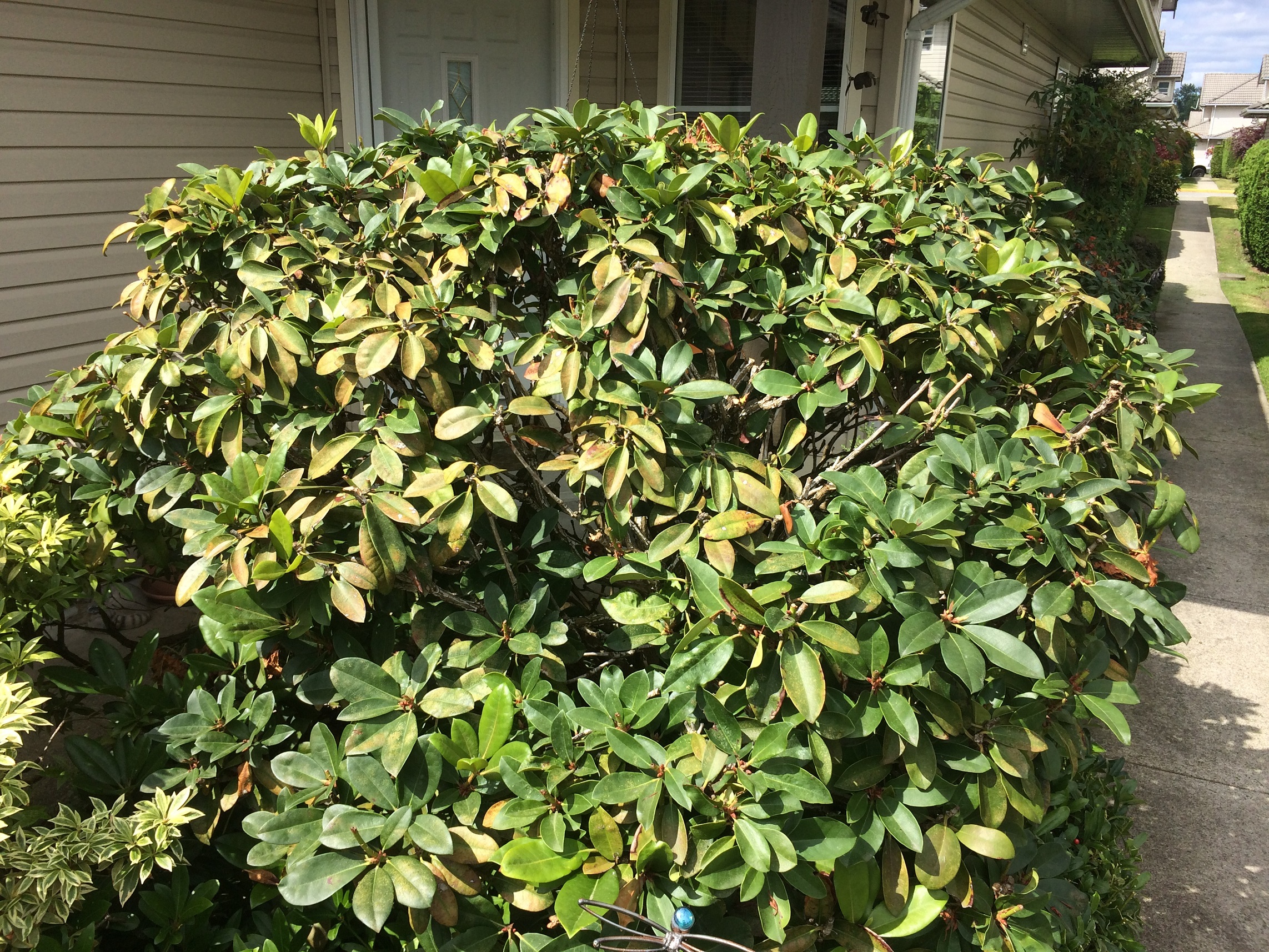
The lace bugs are clearly visible.


IMG_5670

Clearly the work of sucking insects.


IMG_5698


Rhodo


IMG_5673ed


Let’s examine the rhododendron. It appears to be in too-sunny a location. Rhododendrons in shadier spots don’t suffer as many infestations. This goes for Azaleas and Pieris japonicas.

The shrubs looks OK from distance but the insect damage is obvious up close. Flipping the leaves upside down, it was easy to spot the lace bugs. The Pieris japonica on the left is also affected.

I have no idea how much rhododendron fertilizer the plant gets but I’m assuming the owner follows the label. Another suggestion online was to keep the roots moist.

The owner prunes the rhodo twice a year to keep its height in check. She enjoys the privacy she gets but doesn’t want to be overwhelmed. This made me think of Japanese gardeners who refuse to prune trees and shrubs that show signs of weakness. Instead they ask the owner to nurse the plant back to health.


Solutions

Best course of action in July would be direct forceful blasts of water on the underside of leaves. I’m sure there are commercial insecticidal sprays but once you go the chemical route you’re stuck. Dr. Gilkeson states that the sprays must be repeated 10-14 days later and there is some danger that the sprays could burn the leaves. We don’t have that problem with water; water is also considerably cheaper.

The best solution would be for natural predators to arrive and feast on the lace bugs. Patience!


Examining details in the landscape

By | landscape maintenance | One Comment

In my capacity as landscape supervisor I continuously examine landscapes and look for details. Here is what I found last week.


Tree suckers


IMG_5308edIMG_5309ed


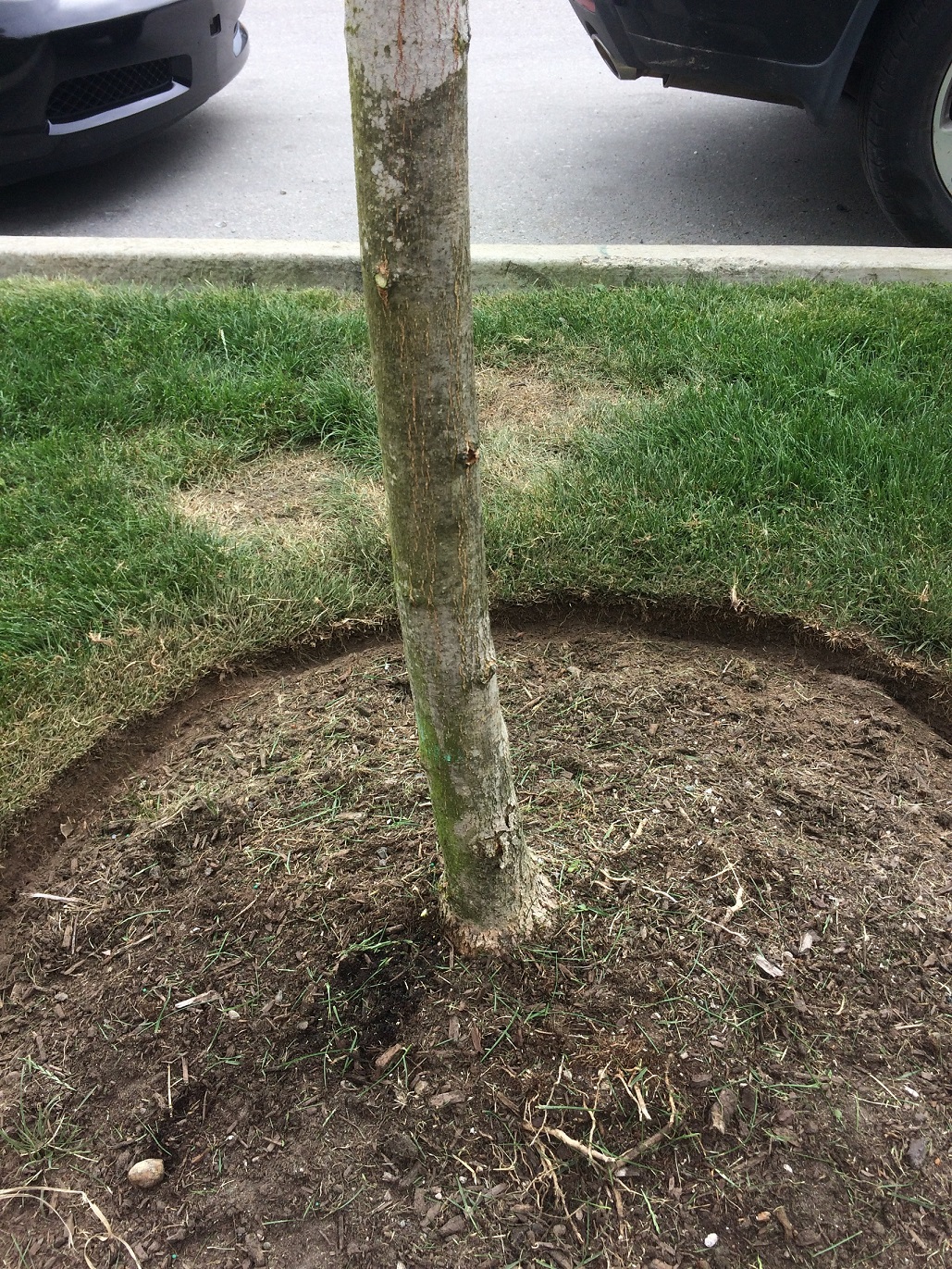
Since we don’t want branches developing this low on our boulevard trees it’s best to snip them off. I always carry snips on my belt so this was a quick job. One exception would be really young trees. On young trees the lower branched shield the bark from potential sunshine damage. We can leave lower branches on, noting their eventual removal in subsequent seasons.


Lawn care rookies

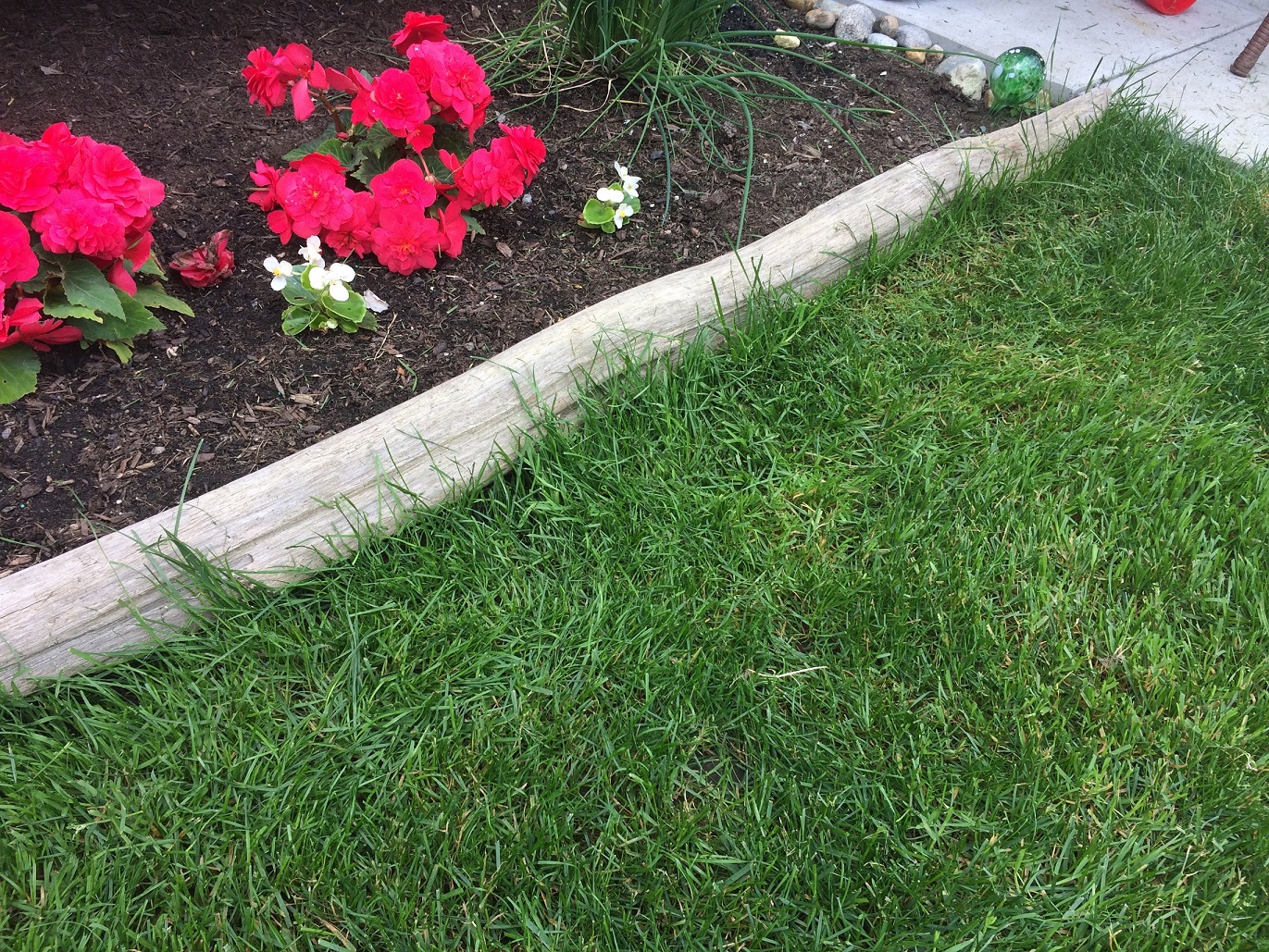
Staff training never really ends. I like to gently point out mistakes and suggest corrections. As soon as possible. Just remember that some skills require significant amount of time to master. This applies to line trimming. Our new girl is still terrified of causing damage so she lacks the required aggression. Driftwood is fairly solid so we can take some liberties and get close enough to remove the shaggy grass edge. If driftwood chips fly off, we are obviously too close. We’ll give her more practice time on the line edger and she will improve. I know it takes time.
 

IMG_5312ed

Our new worker will eventually get close enough so the shaggy edge is removed down to mower height. Practice time required.


IMG_5326ed

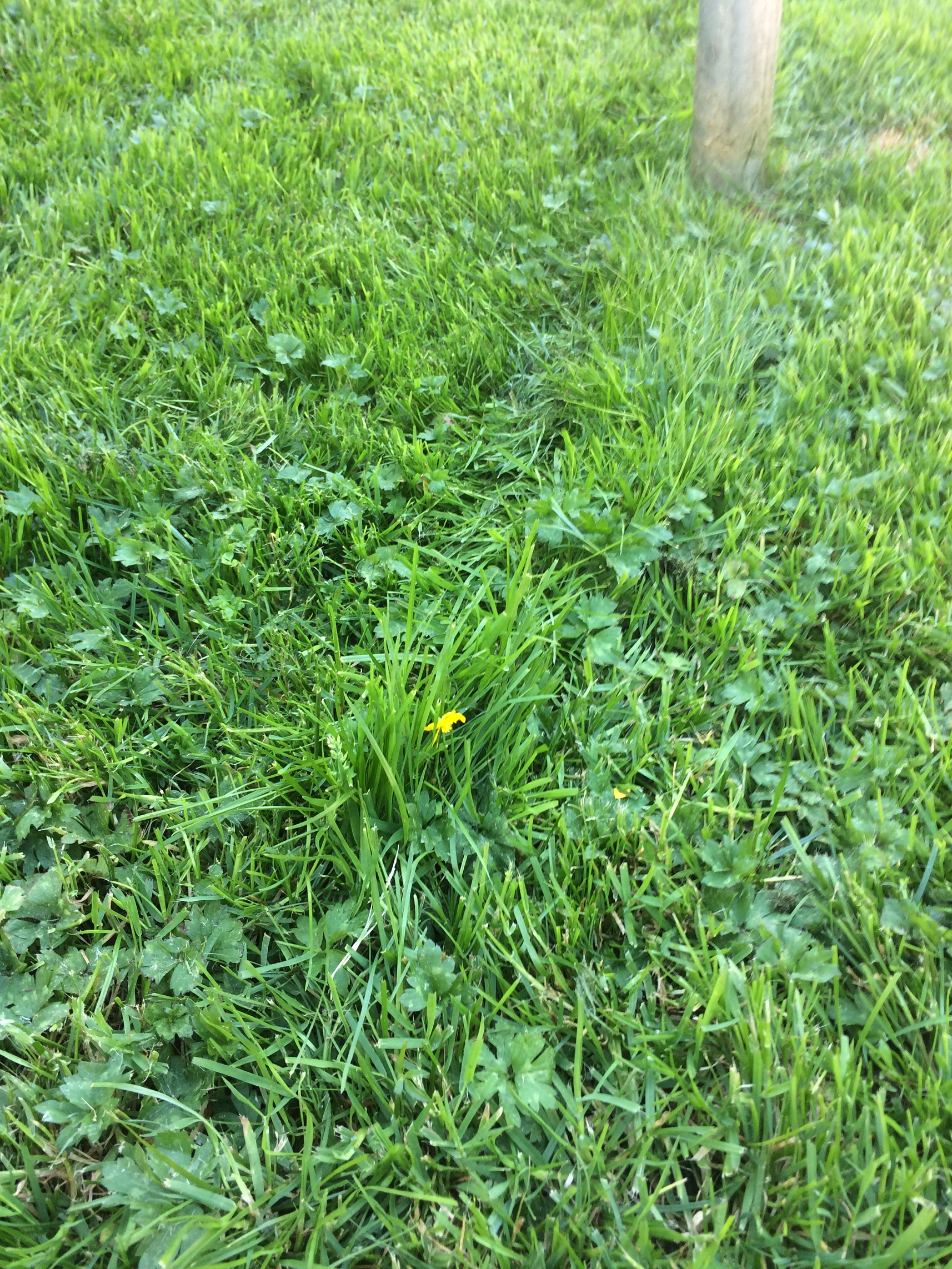
This massive “Mohawk” is hard to explain.


Weak trees

It’s easy to spot the one weak red maple (Acer rubrum) on this street. Then you have to ask why it’s so weak when its sisters are doing fine. We found out the cause when we attempted to plant boxwoods around the weakling. The soil was so waterlogged we delayed the boxwood planting.

Water displaces oxygen in the soil and if nothing changes, plants suffocate and die. I believe the water leak problem has been corrected so we’ll see what happens with the red maple. My fingers are crossed.


IMG_5324ed

One weak Acer rubrum surrounded by thriving sisters.


Cedar hedges


IMG_5321ed

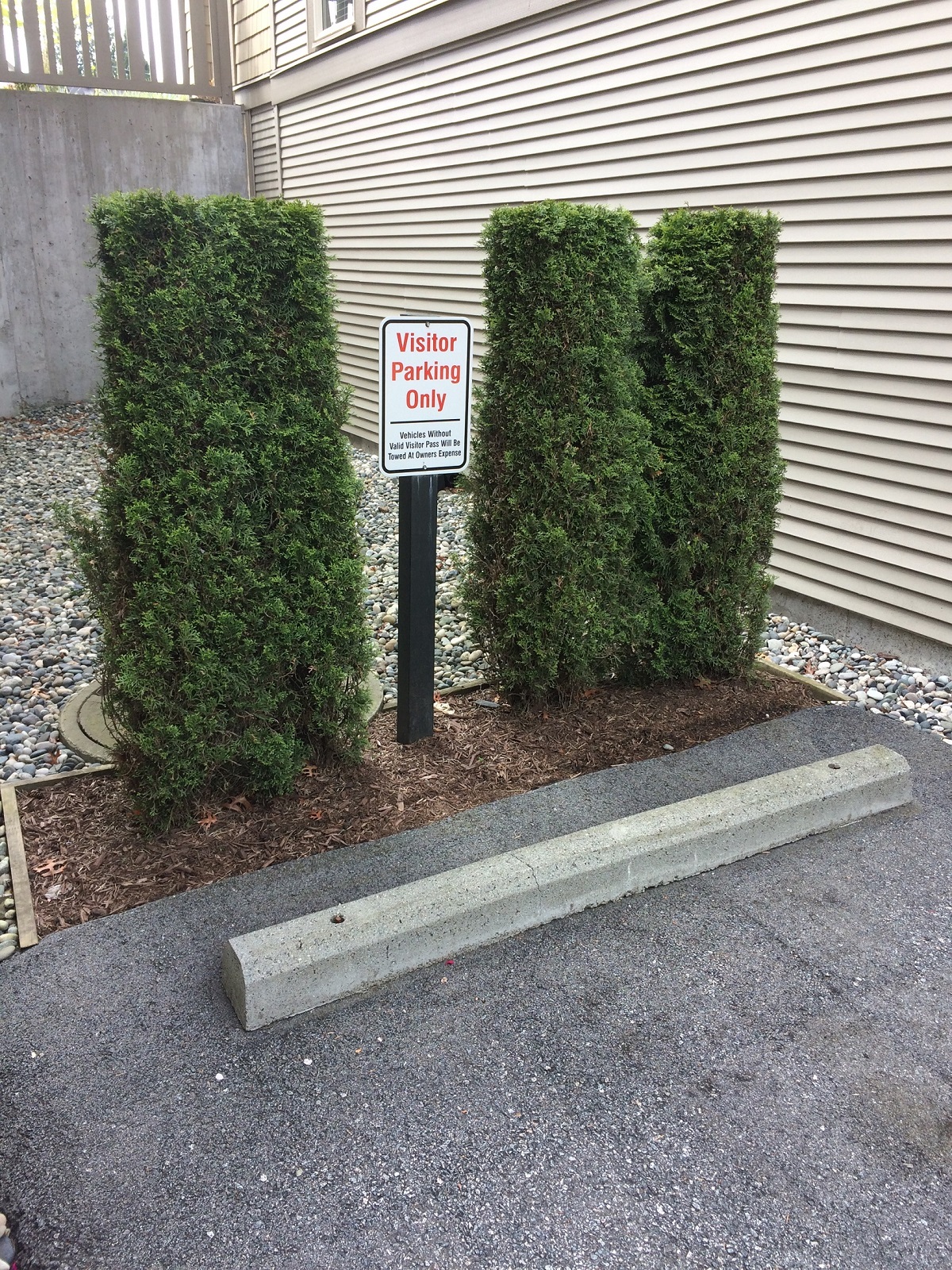
I personally planted these two cedars (Thuja occidentalis ‘Smaragd’). So I check on them when I can to see if they’re getting watered. Cedars are thirsty in their first year.

Then this week I noticed a wooden trellis around the cedars. The owner had installed it to protect the cedars. But all I see is shading. The trellis blocks light and will most likely lead to browning. That’s not what the lady wanted to hear.

The above is what I noticed on my sites last week. Pay attention to landscape details.

What did you notice?


Obstruction in the landscape

By | landscape maintenance, Pruning, Strata Maintenance | No Comments

Obstruction in the landscape is a well-known theme but it’s often missed or ignored. Especially by newer crew leaders and workers. So let’s examine some cases of obstruction and learn from them.


Spring rains

This is what happens after spring rains and early season growth. All of a sudden we have obstruction everywhere. Immediate corrective action is required by people’s front doors.


IMG_3201ed


Walkways

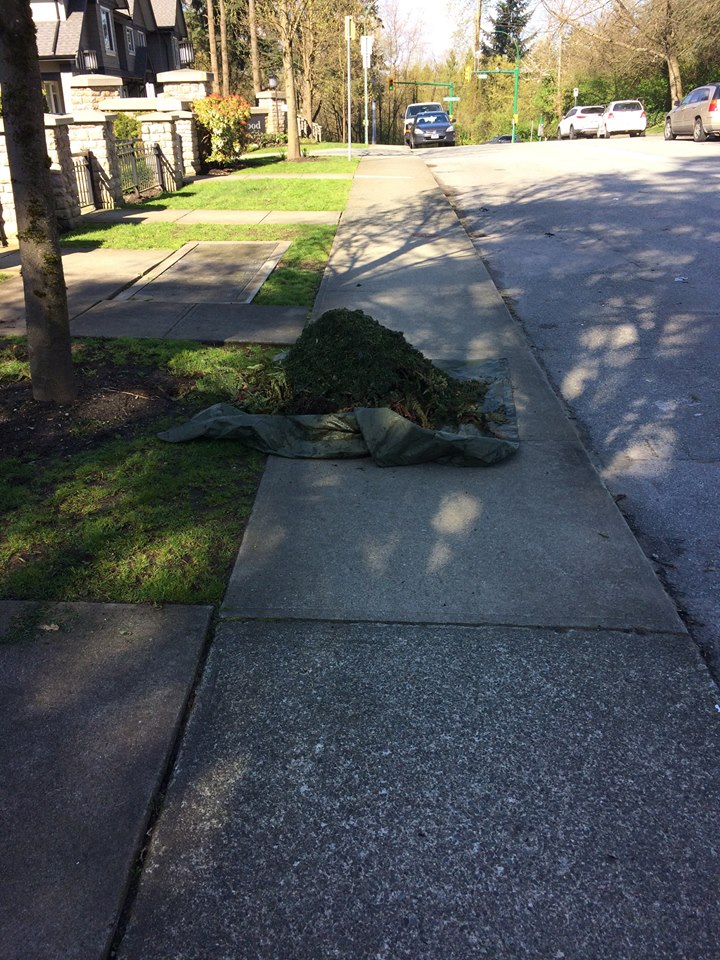
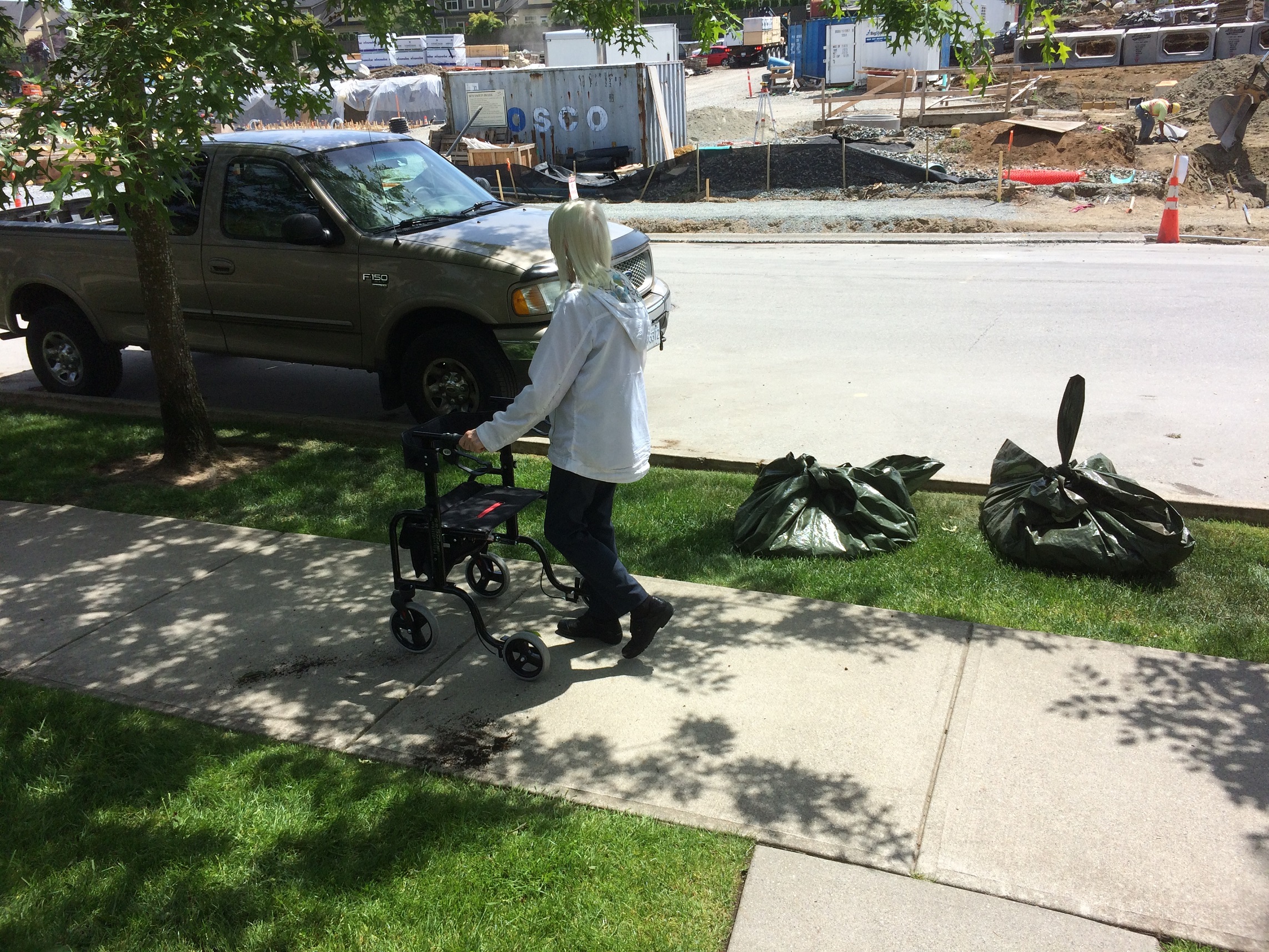
It happens all the time. Your new worker concentrates on his lawns and in his rush to complete the work places his tarps on walkways. Then a senior citizen pulls up in a motorized scooter and we have a problem. If you think senior citizens aren’t capable to angry outbursts and middle finger salutes, think again. Never block walkways.


18119349_10203111679748423_6949587408846556966_n

This isn’t the best place for a tarp.


IMG_4381ed

Much better and stress-free!


Signs

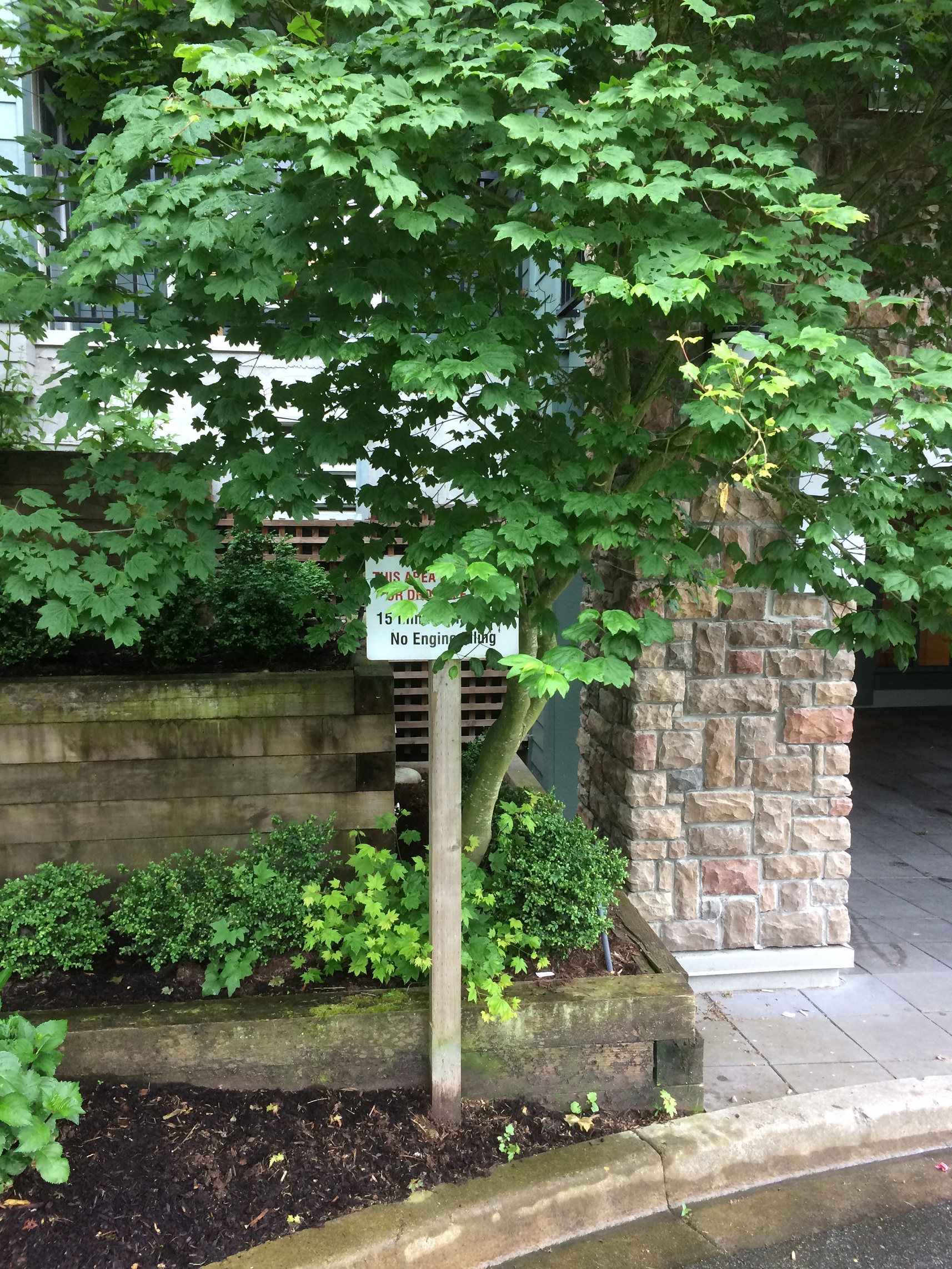
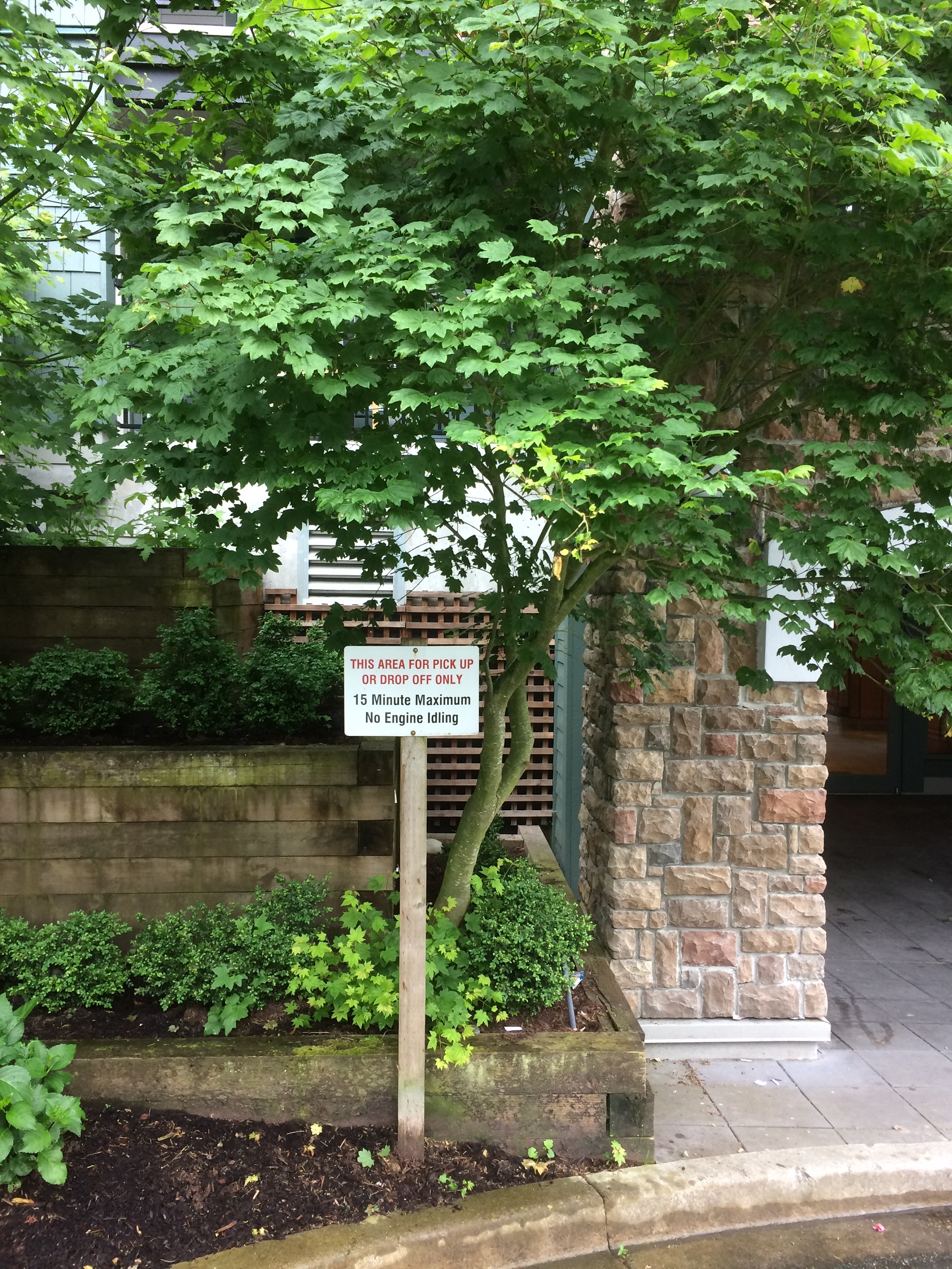
Signs exist because they have a message to convey. It’s easy for vegetation to obscure them so check your sites and take action. This is especially true for sites you have recently taken over.


IMG_4202ed


IMG_4203ed

Much better.


Exits

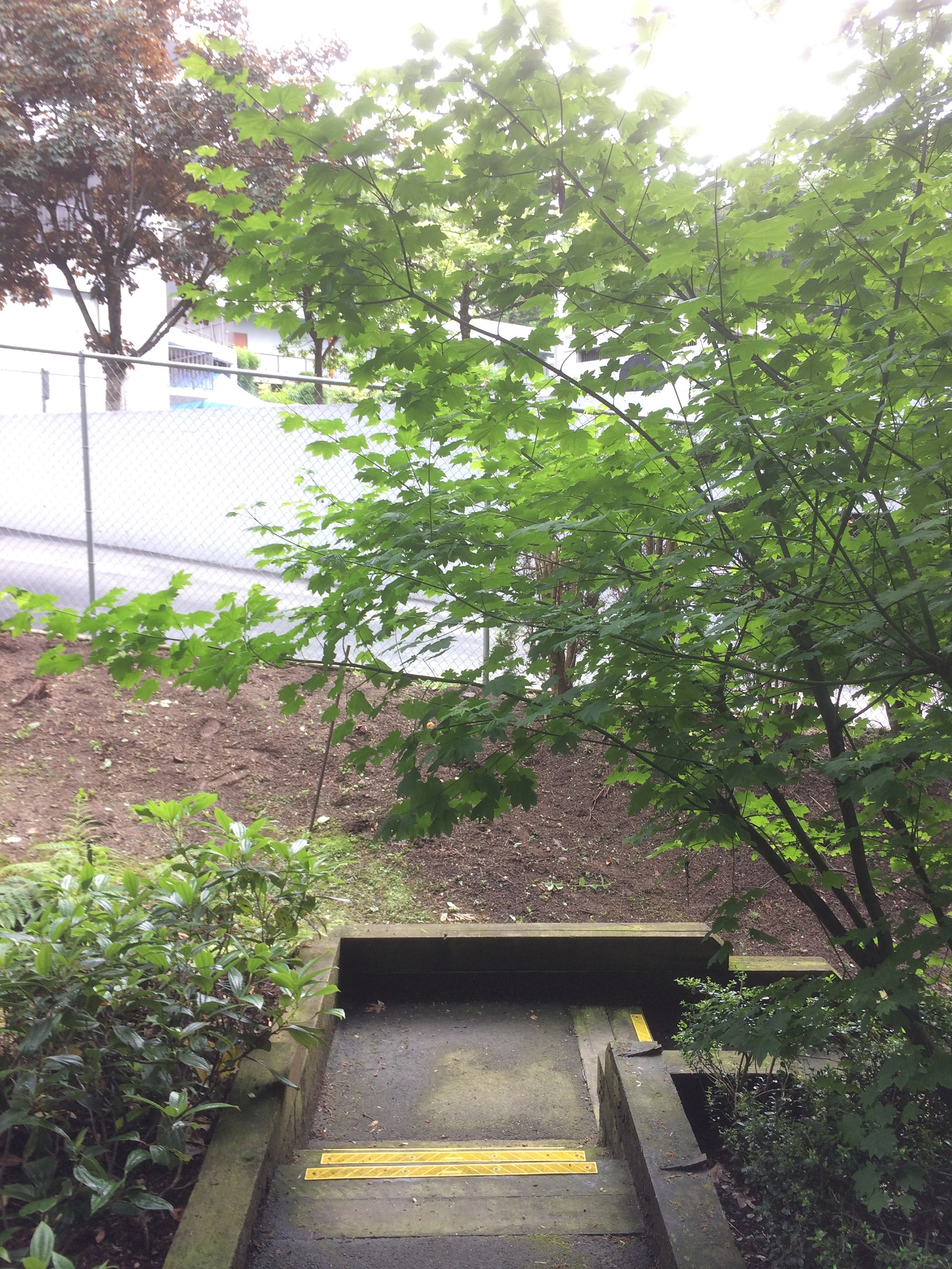
All exits should be clear. This example is from a neglected strata site. I pruned off the offending maple tree (Acer circinatum) branches in a few minutes. The residents must have been ducking here for months.


IMG_4472ed


IMG_4676ed

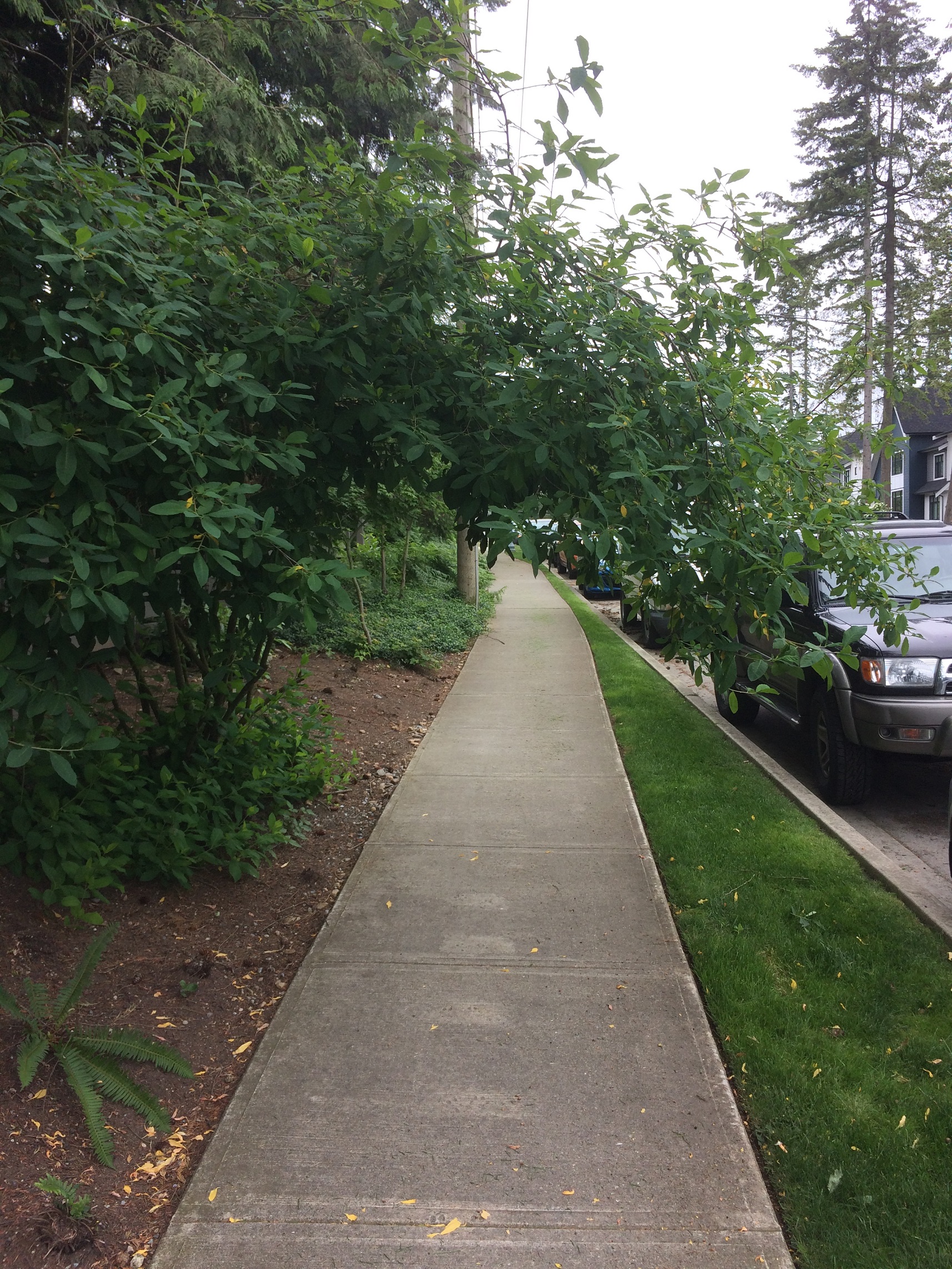
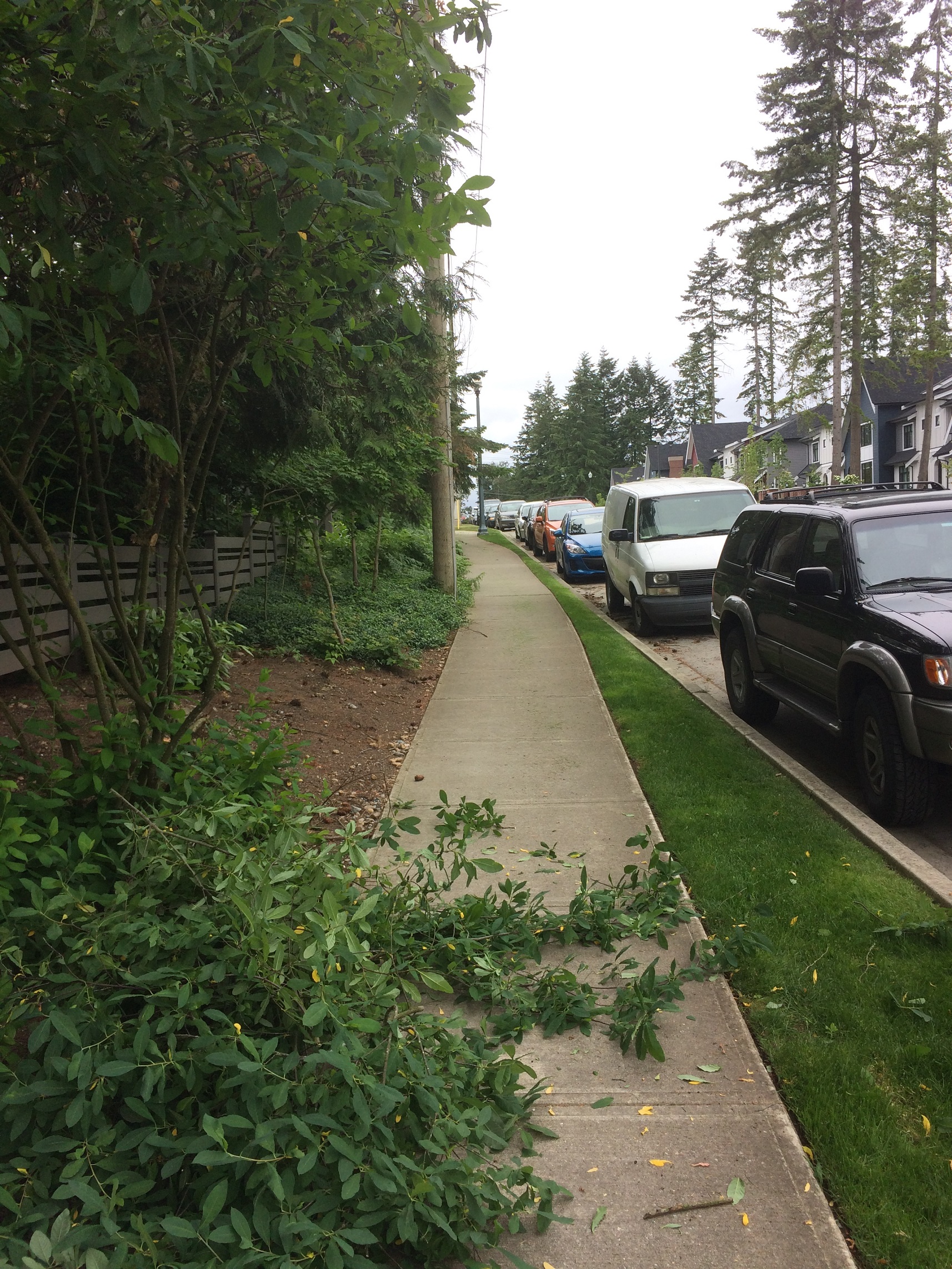
Another walkway example with Indian plum going wild.


IMG_4677ed

Problem solved!


Peonies

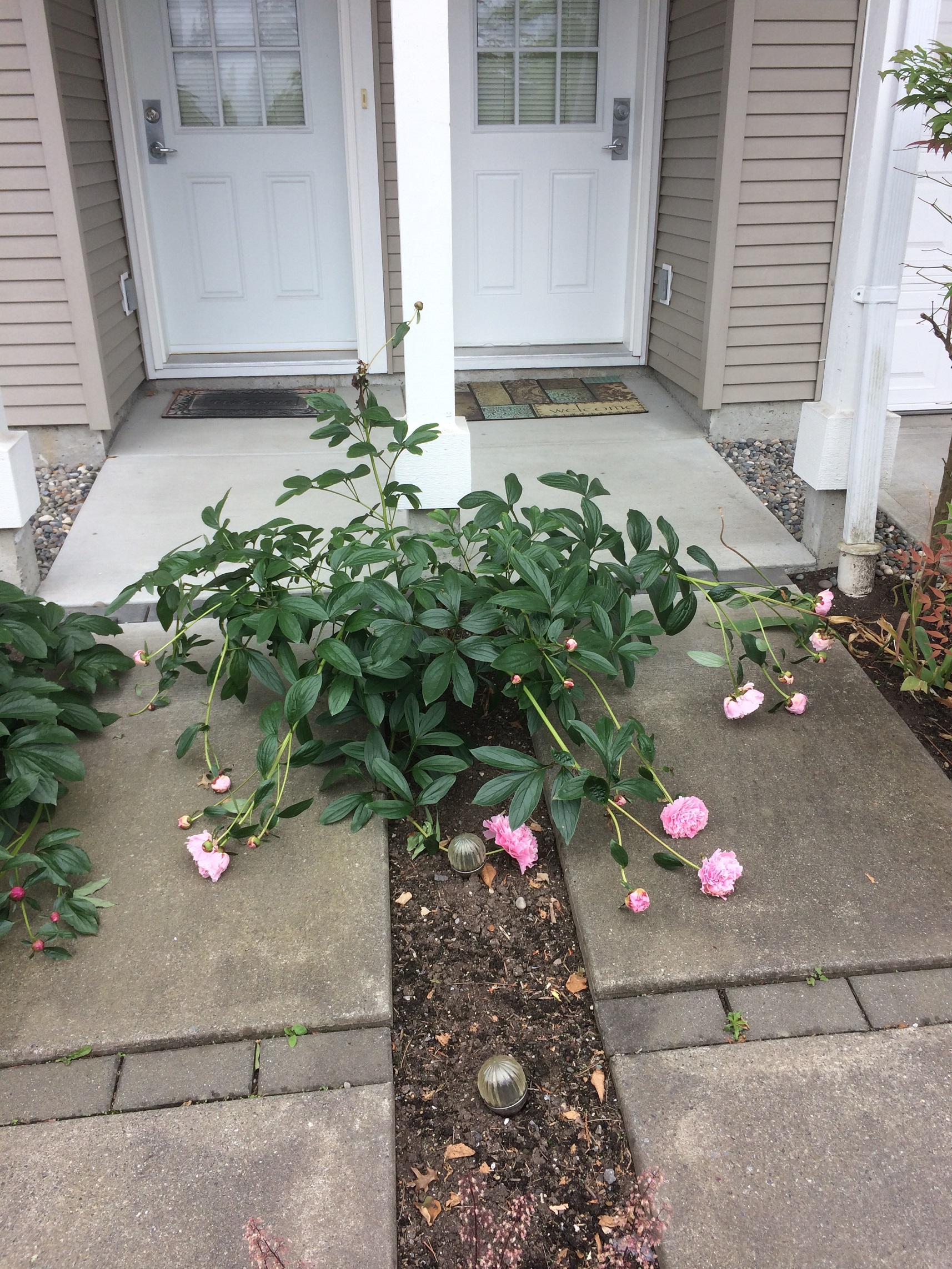
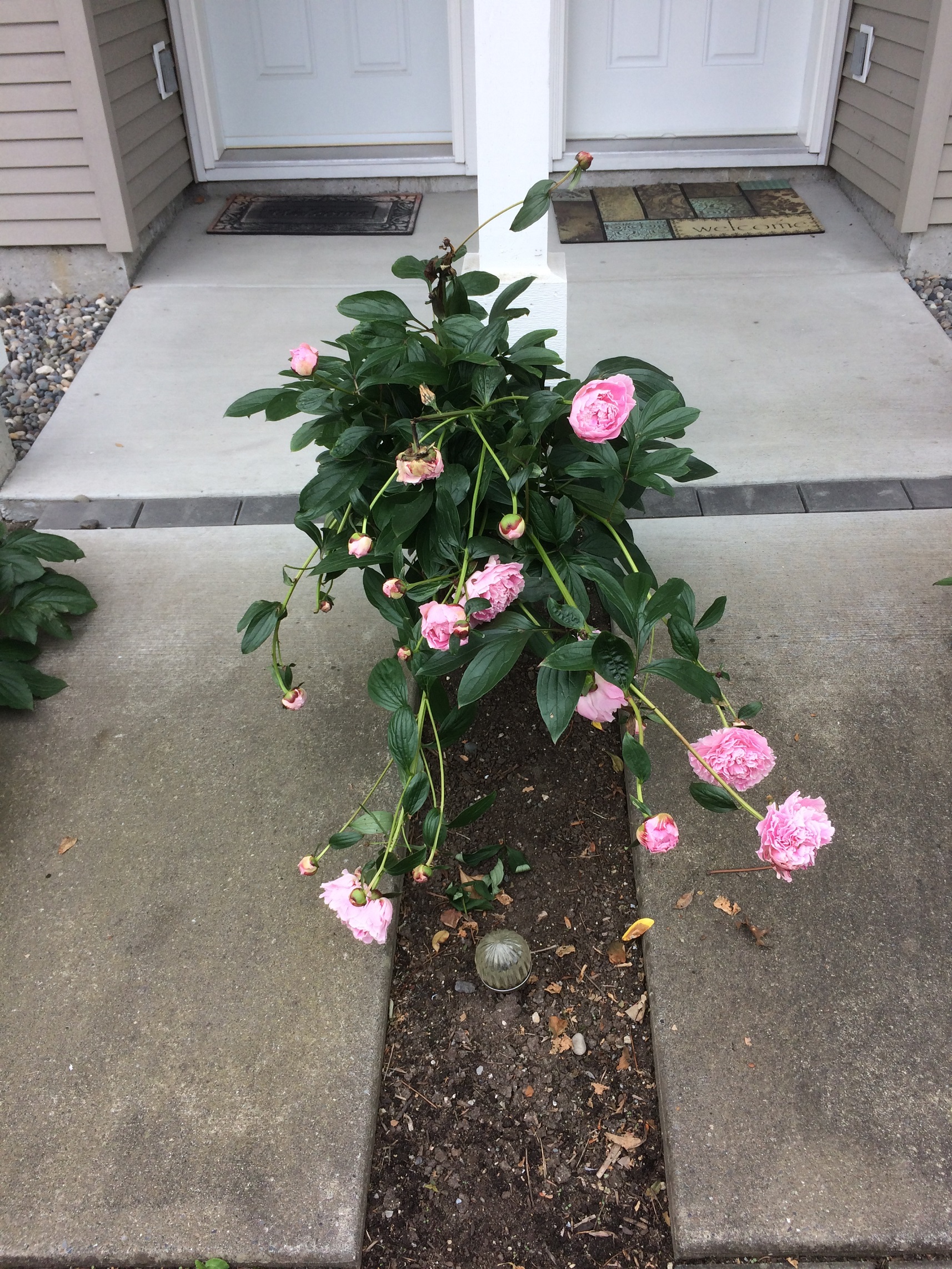
Peonies usually require staking and more space. I used a bit of string and two minutes.


IMG_4689ed


IMG_4704ed


Parking stalls

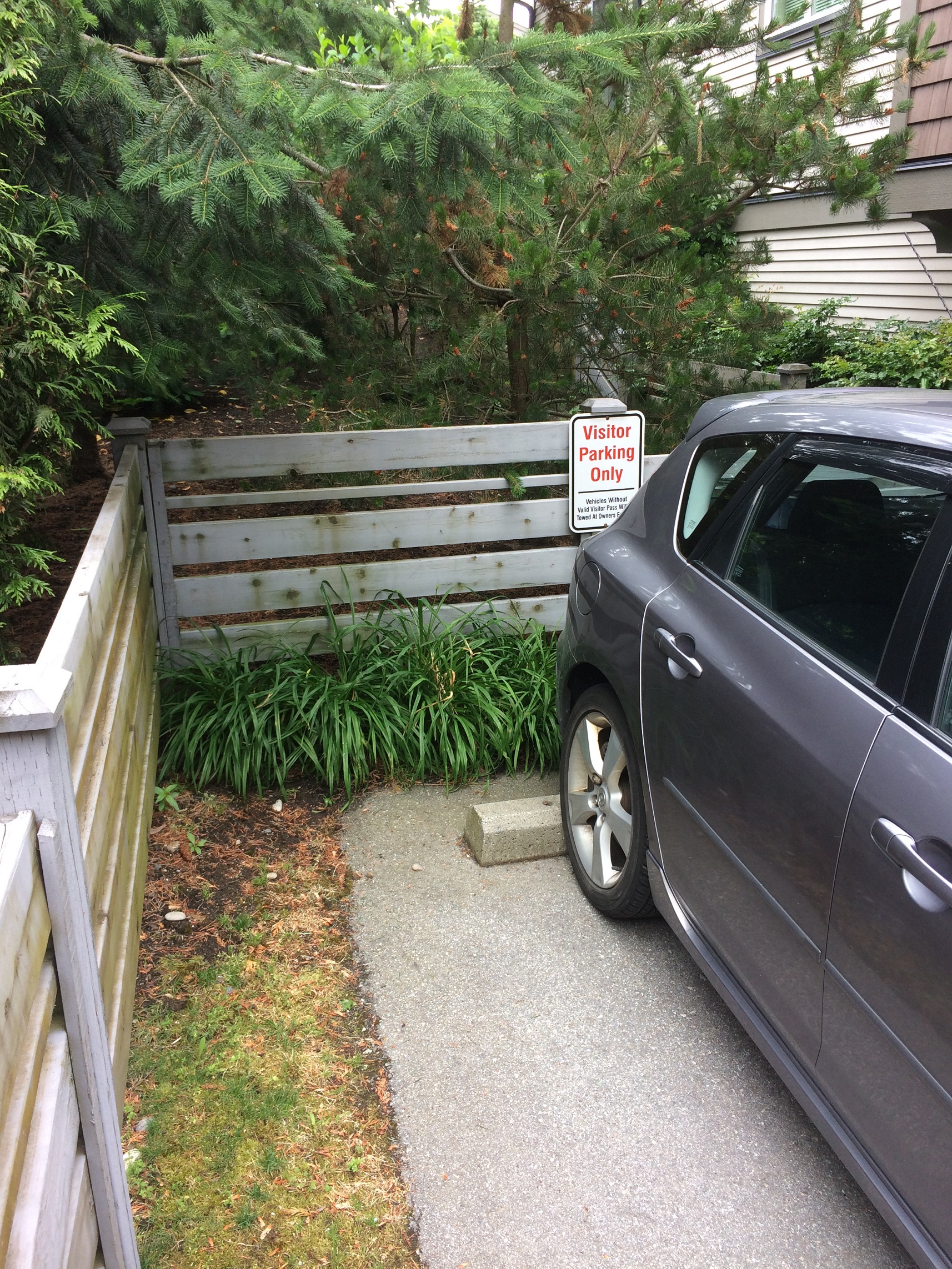
Parking stalls should always be clear of any obstructions. This took one cut with my snips.


IMG_4889ed


IMG_4890ed

Done!


Vehicle site lines

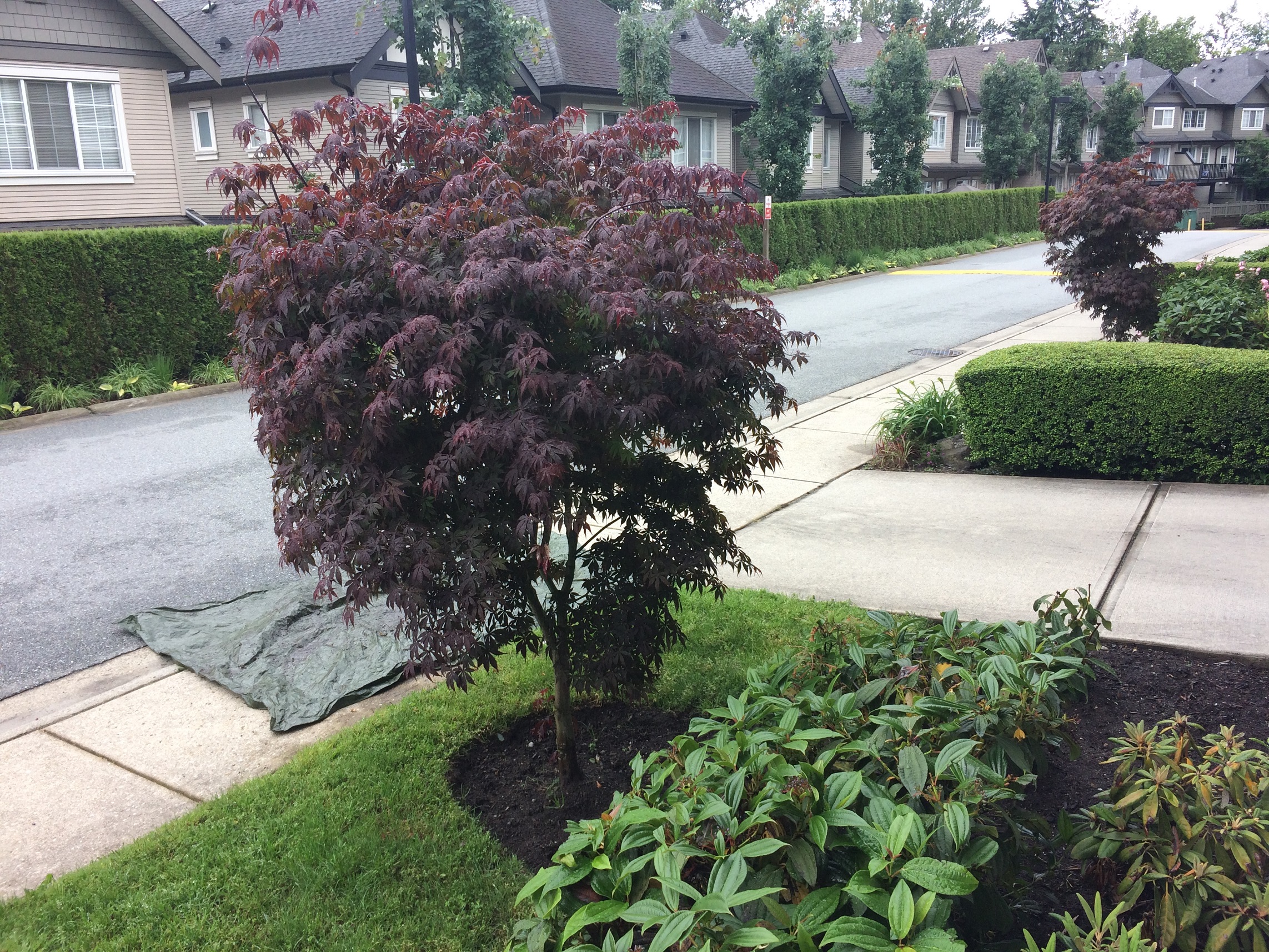
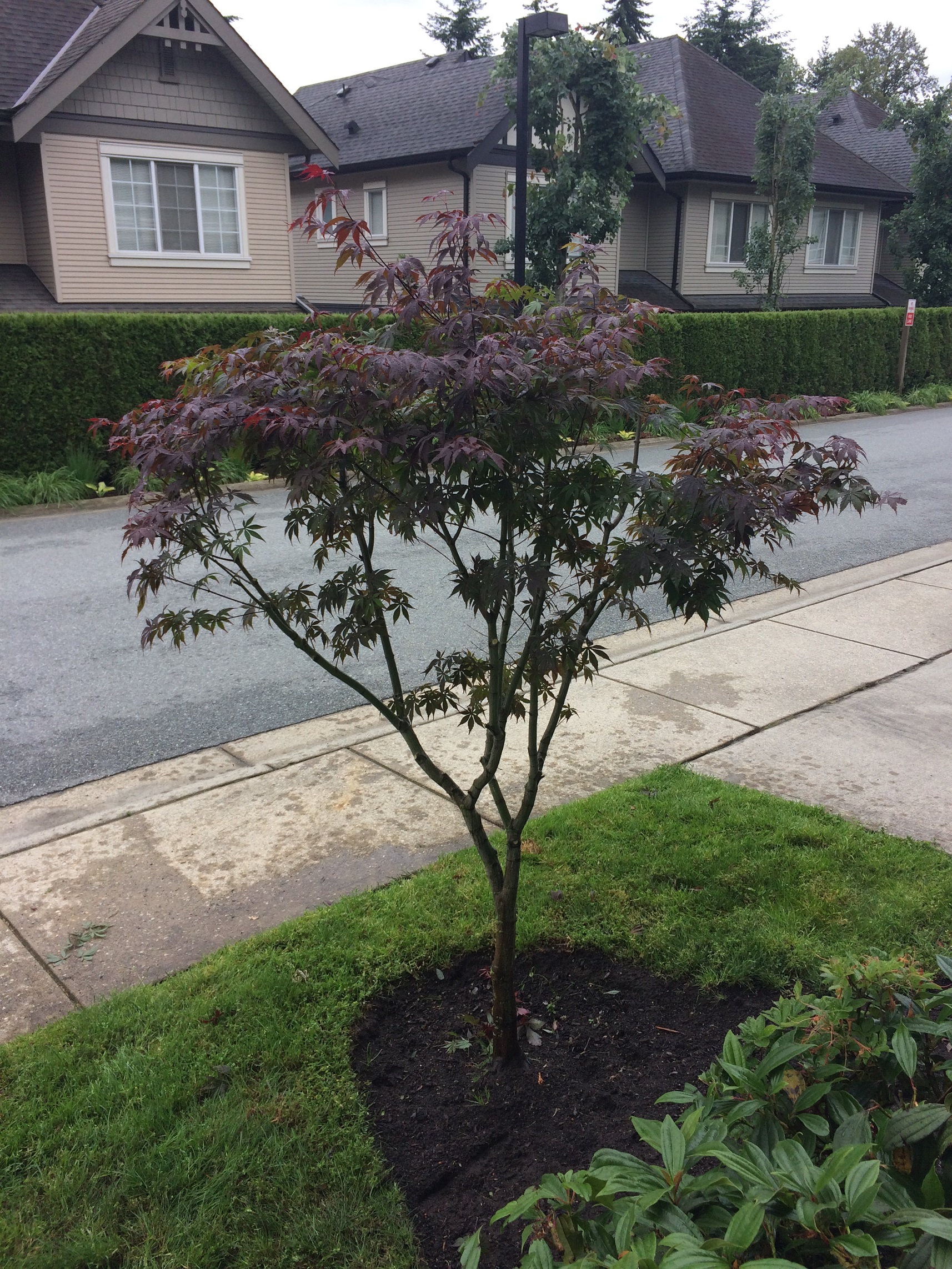
This one is much harder to spot. Residents driving out couldn’t clearly see other approaching vehicles so I had to prune the maples. Note that you should be able to see through Japanese maples (Acer palmatum) anyway.


IMG_4758ed


IMG_4760ed


Dog waste

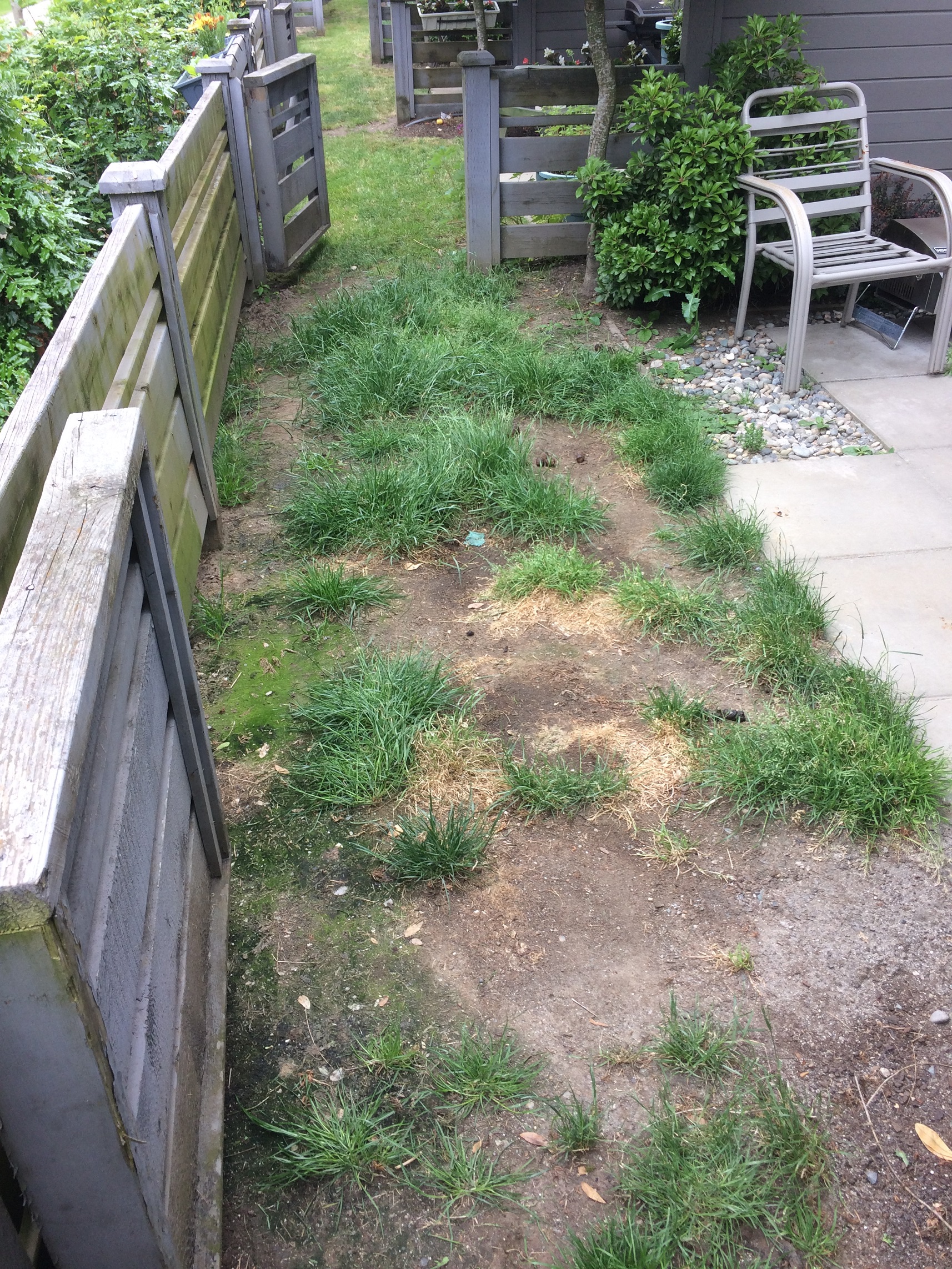
This is a most disagreeable topic but let’s not be shy. This is what it looks like on the ground for landscape maintenance workers. The ignored long grass indicates the presence of large dog waste piles. So in this case the obstruction is created by the owners.


IMG_4691ed

Dog waste in the open, urine soaked lawn and hidden inside shaggy islands.
 

Future obstruction

This is an interesting small yard. I once took the liberty of pruning a few branches off this Magnolia so we could get through the gate. The owner had a fit, calling us nasty names. Unjustly, I believe. She planted two Magnolias in her small yard never bothering to read the tree tags still attached to the trees. Considering the future size of these trees I fully expect this owner to beg me to prune her trees in the future. Always consider the mature size of your new trees before planting them.


IMG_4947ed


Obstruction in the landscape is a well-known theme. Train your workers to spot it and correct it.

Product testing SA CO face shield

By | Reviews | No Comments

16388157_1754717091524603_2598268799703087976_n


Testing new products is fun! I got to try a new face shield at work today thanks to my boss who happened to see SA CO’s face shield ads on Facebook. Boom, and a blog post is born.

The face shield

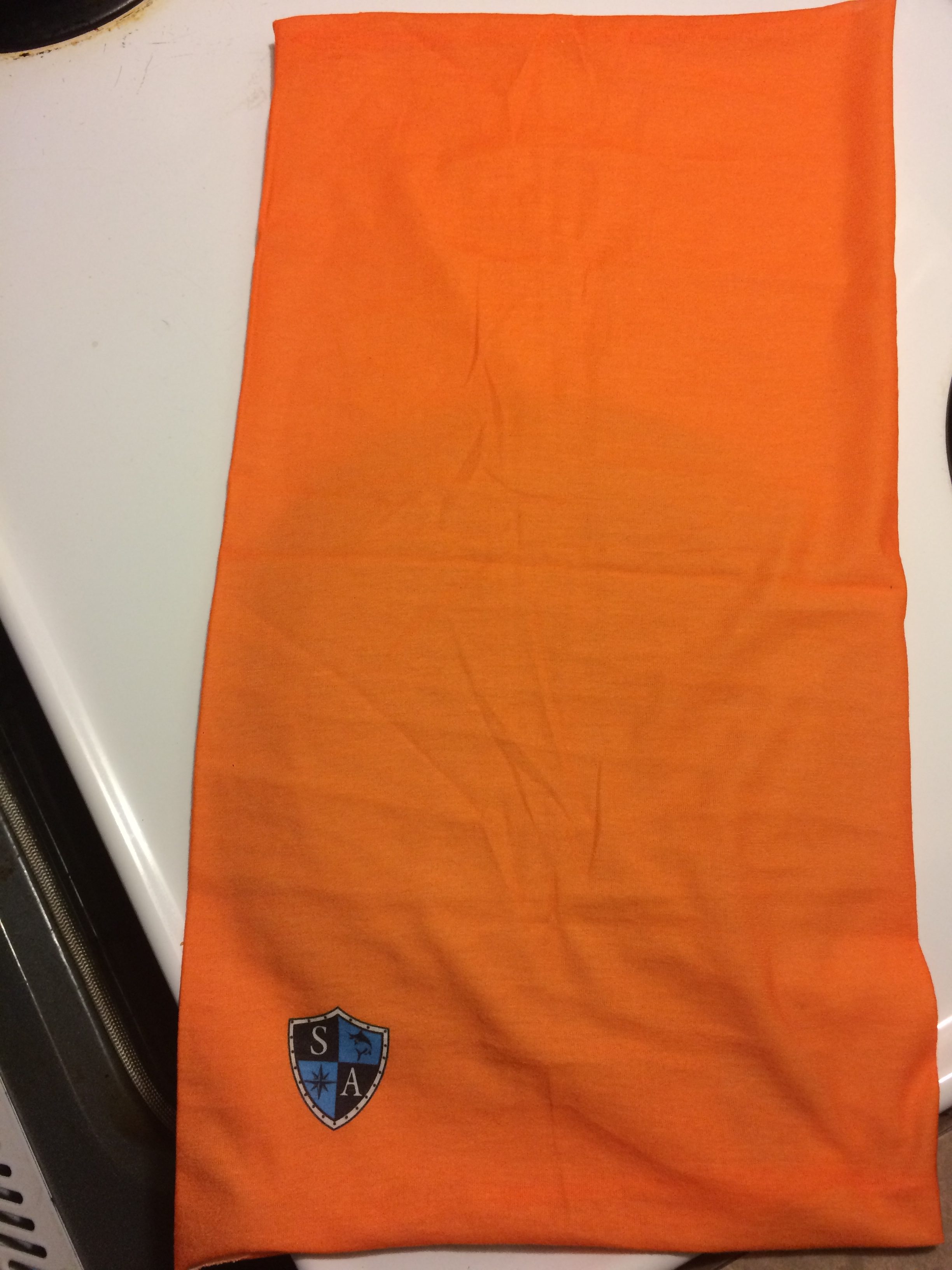
This moisture wicking face shield feels fine on my skin. It’s breathable and elastic so it stays on your face but it doesn’t feel plastic like a mask. It’s in our company’s orange colour. It retails at $24.99US.

If you have great hair you will be interested in all of the different head covering permutations. What hair I have is gray and I don’t worry about it. I just use ball caps.

I use the face shield as neck gaiter, wristband and face shield.


IMG_4923

In company colour.


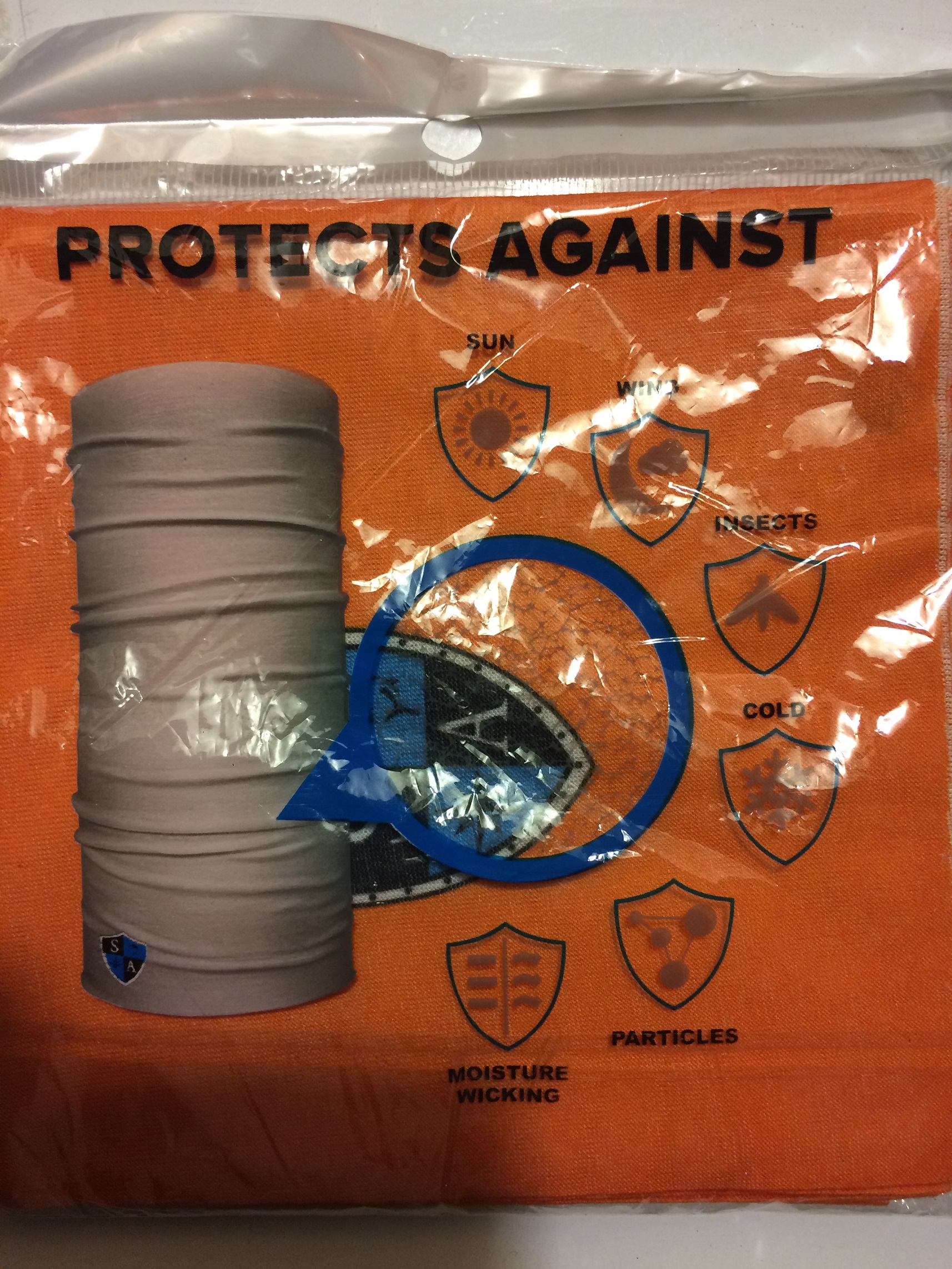
Protection

The package shows the face shield as protection from:

  • sun
  • wind
  • insects
  • cold
  • particles
  • moisture wicking

Landscape application

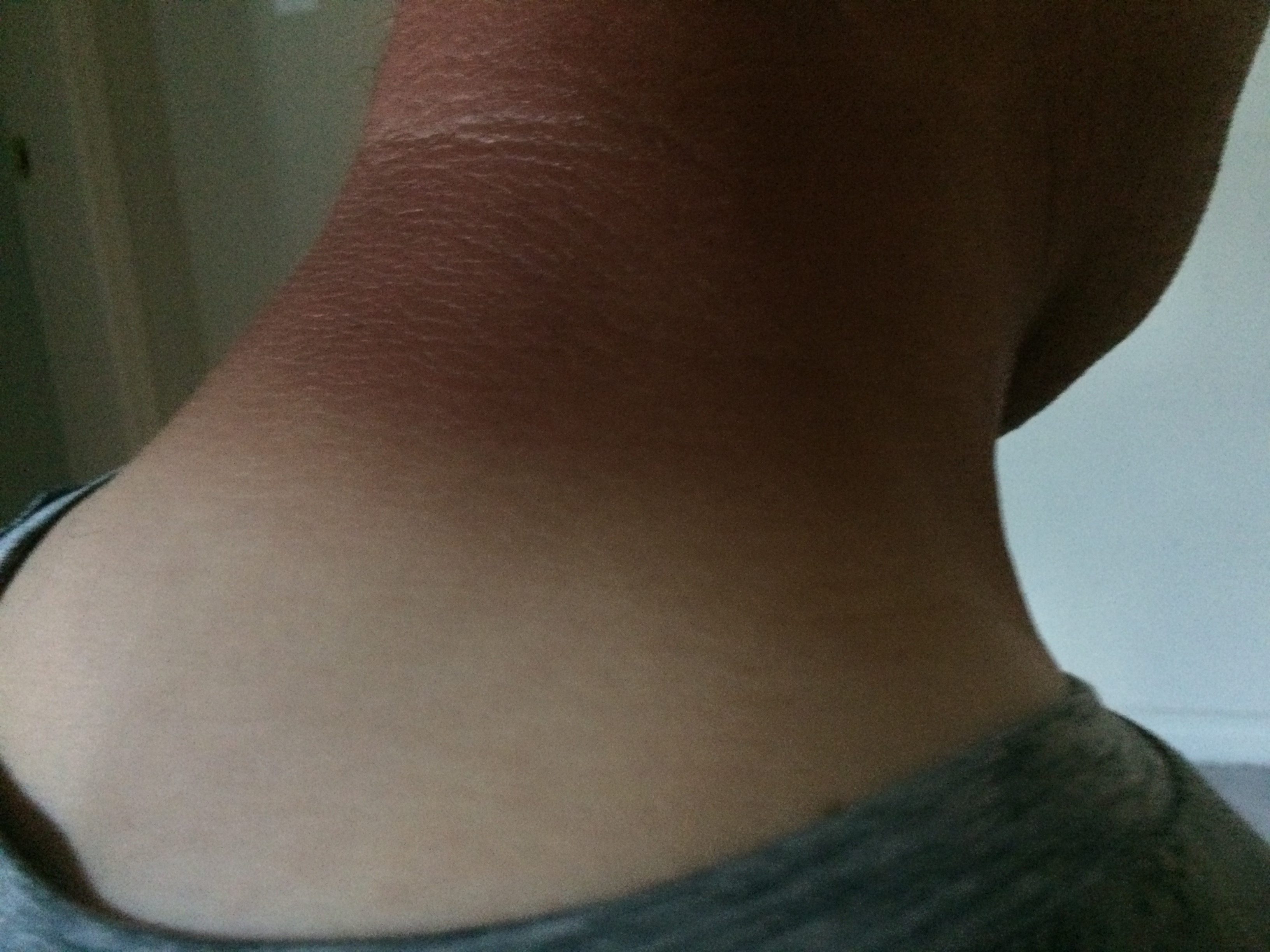
This is a great product for landscape professionals. Take summer backpack blowing. It’s a dusty activity and having a face shield available at all times around my neck is very handy. Speaking of my neck, having an extra protective layer around my neck is important. Even with sunscreen my neck turns brown every season.


IMG_4919

My summer neck, version 2017. It’s nice to have the face shield for sun protection.


IMG_4927

Extra protection from particles while backpack blowing. My neck is protected as well. The face shield stays in place and feels fine on my skin.


Moisture wicking is another useful use of this product. It keeps your neck dry or you can wipe away your sweat anytime when you wear it as a wristband.

Winter

If this year’s winter is anything close to 2016, it will be nice to have an extra layer around my neck. I hate it when my neck is exposed. Up until now I have been using a Buff product made popular by trail runners. I will gladly keep it exclusively for the trails and switch to the face shield at work. I’m hoping this winter will be mild. Fingers crossed.


In conclusion, this face shield product is excellent. It has many applications in landscaping work. I’m glad my boss invested in the face shields. I believe other companies should do the same.
 

IMG_4921ed


IMG_4922ed

Weeds we fight: snapweed

By | weeds | No Comments

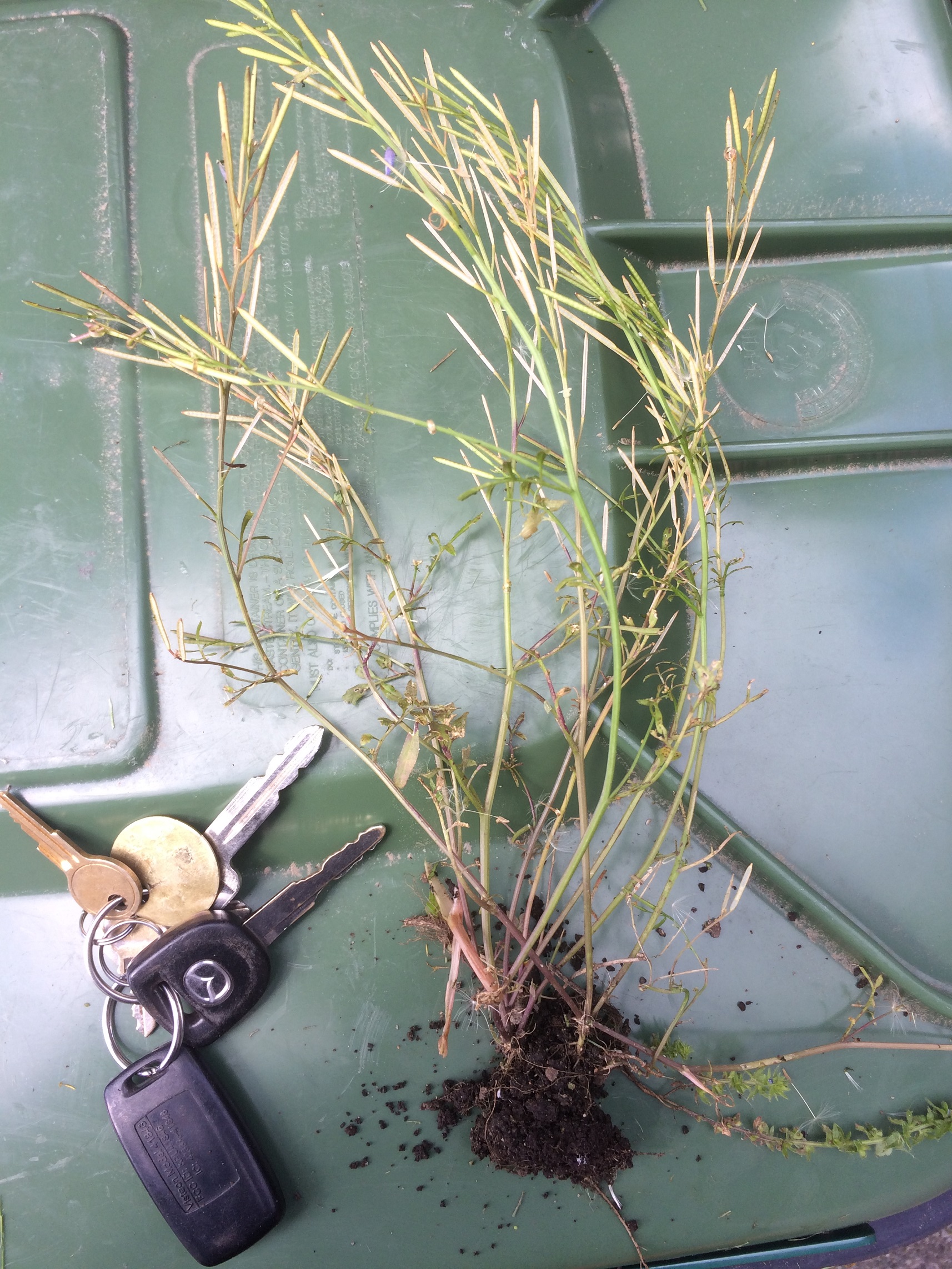
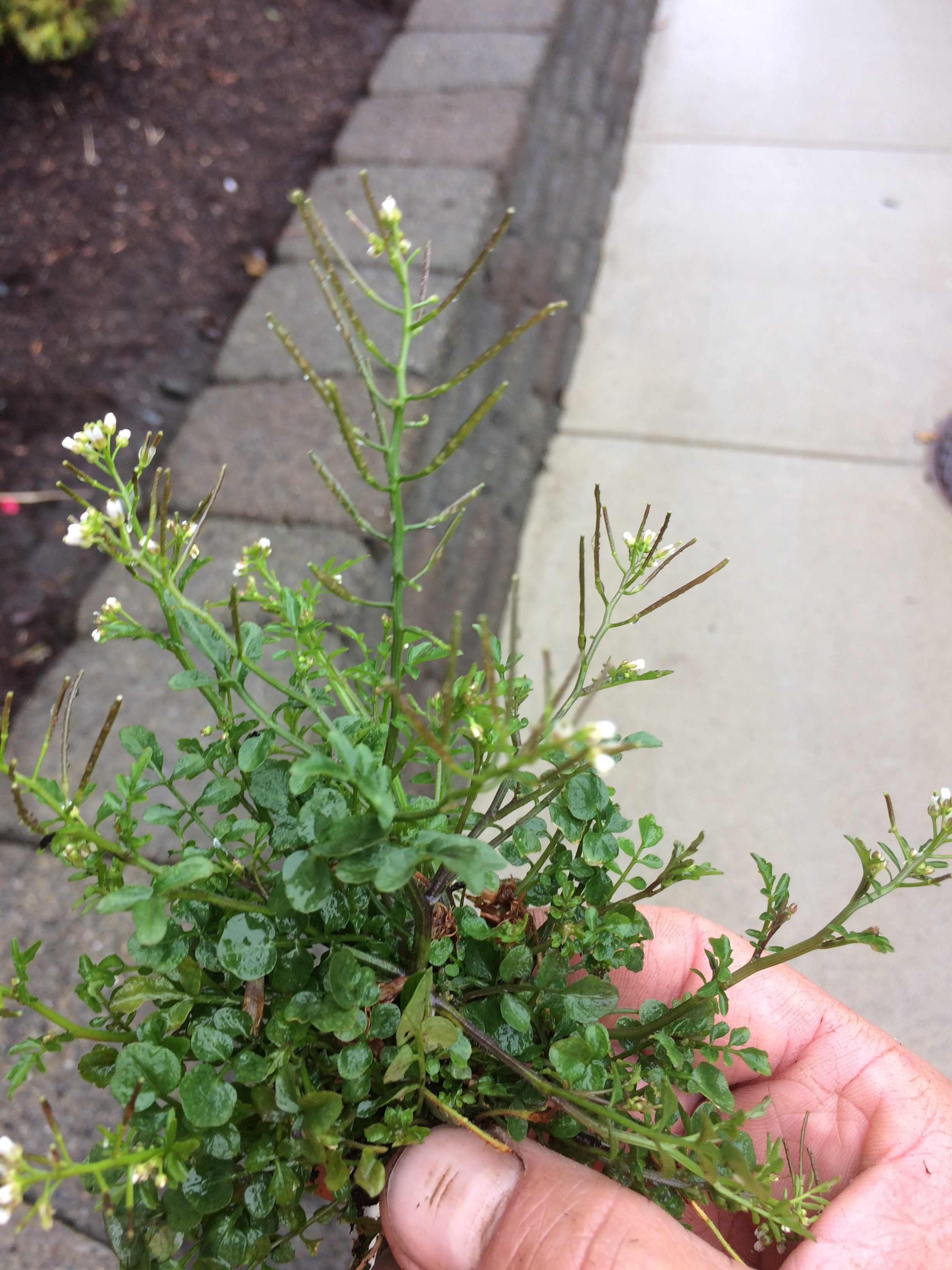
There are many native plants that are considered weeds in horticulture and one such plant is little Western bittercress (Cardamine oligosperma). It’s actually a nice little plant. But read on because you will soon find out why we fight this weed in our landscapes. I see it on all of our sites. The best procedure is to fight it before it flowers and produces seeds.
 

IMG_3219

Flowers and upright siliques full of seeds


Details

Cardamine oligosperma is a fast-growing native to Western North America. It’s an annual or biennial herb which grows from a taproot. It’s usually 20cm tall and grows in a branched form.

Flowers have four white petals 2-4 mm long.


IMG_3267edit

Brownish colour indicates maturity and chances of explosions


Snapweed

Cardamine oligosperma fruit is a narrow exploding silique 1.5 mm wide with 15-22 seeds. Seeds are oblong-ovate and they are the plant’s mode of propagation. This is great information for landscapers.

Another common name for this plant is snapweed. This is because when the siliques mature they explode. You can touch them and have some fun with exploding seeds. Just don’t do it on my sites. Remember what we do with weeds: we get to them before they flower or worse, produce seeds.

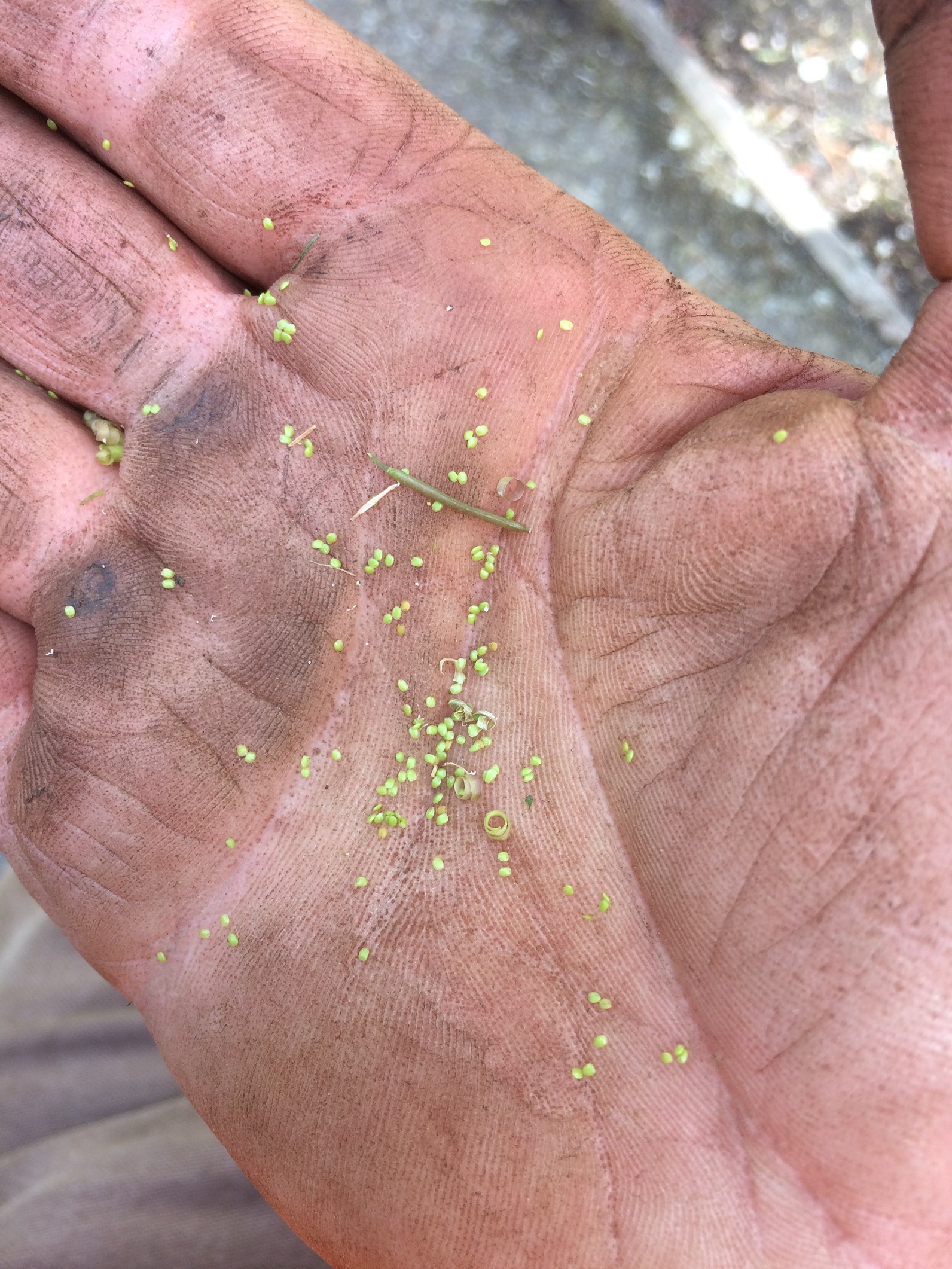
I had some fun today. I ran my fingers over a mature Cardamine oligosperma and tried to catch as many exploding seeds as I could. The photo below shows the result. Now imagine if you let a patch of snapweed mature and explode seeds all over your landscape. You are looking at a fight next season. So get to them before they mature.


IMG_4205edit

One silique and seeds in my landscaper hand


In conclusion, get to know little Western bittercress or snapweed (Cardamine oligosperma) and fight it in your landscapes. It might be a cute native herb but we can’t let it produce seeds on our sites.

How to change your lawn mower oil in the field

By | Lawn Care, Tips | No Comments

Spring is here and weekly lawn care is part of our routine. Our commercial machines see daily use and work extremely hard for us as we deliver great looking lawn care.  On some days the mowers will run all day. Five days a week all the way to November.

Key changes

To keep the machines running well all year there are a few key things we can do them. We have to change oil, air filter, blades and pull cords. Luckily most of these tasks can be done in the field on the fly. Some landscape companies employ small engine mechanics, some take the machines back to their shops for maintenance. But to save time, it makes sense to make easy adjustments in the field.


IMG_4156ed

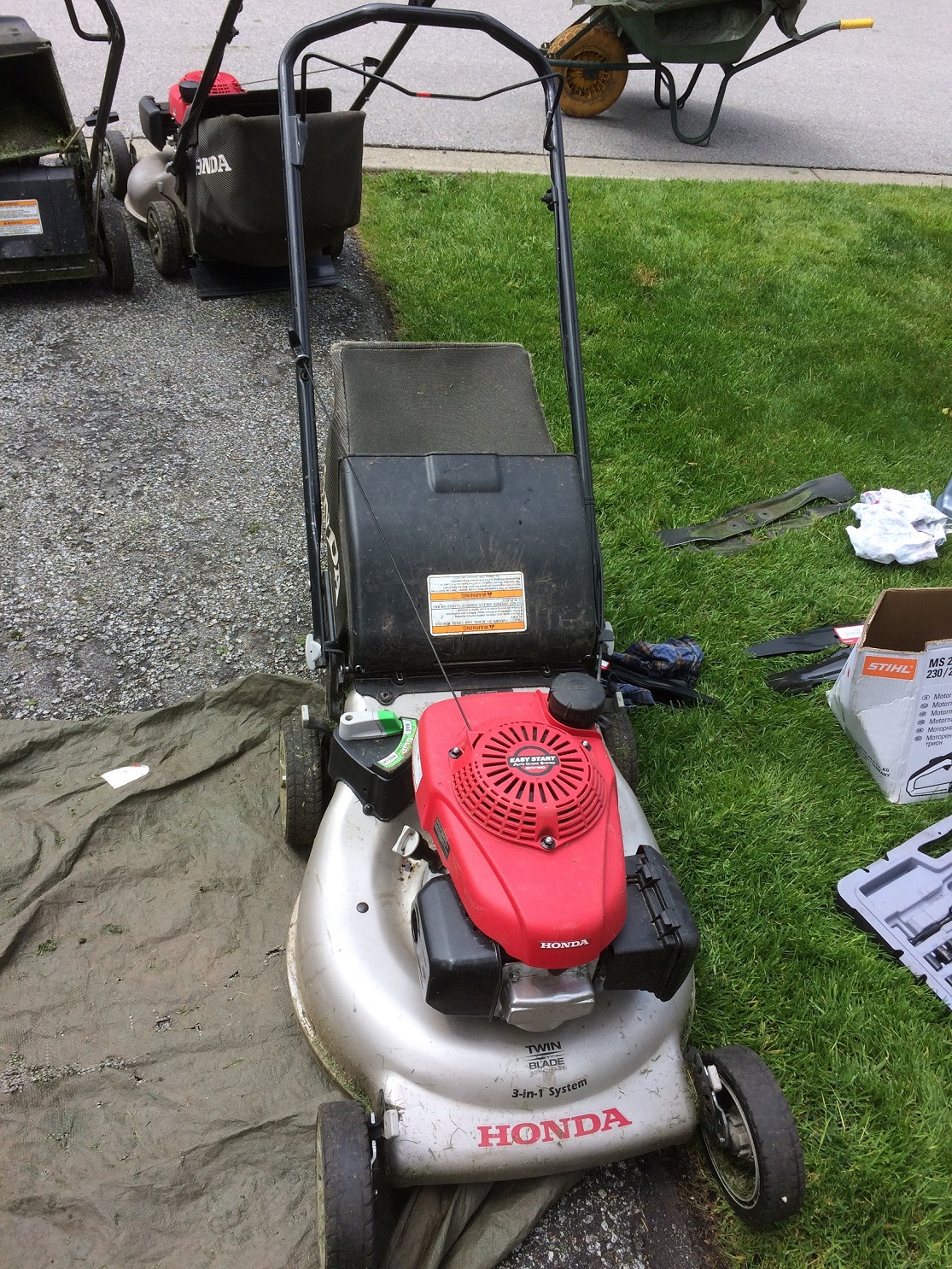
I love this light, simple commercial Honda mower.


I openly confess to struggling with machines. I prefer handling plant material. But again, my advice to all landscapers is to become total professionals by knowing everything. That includes machines. So I took notes today when our guys were changing oil in the field.

Oil change in the field

Let’s take a look at a simple commercial Honda push mower.

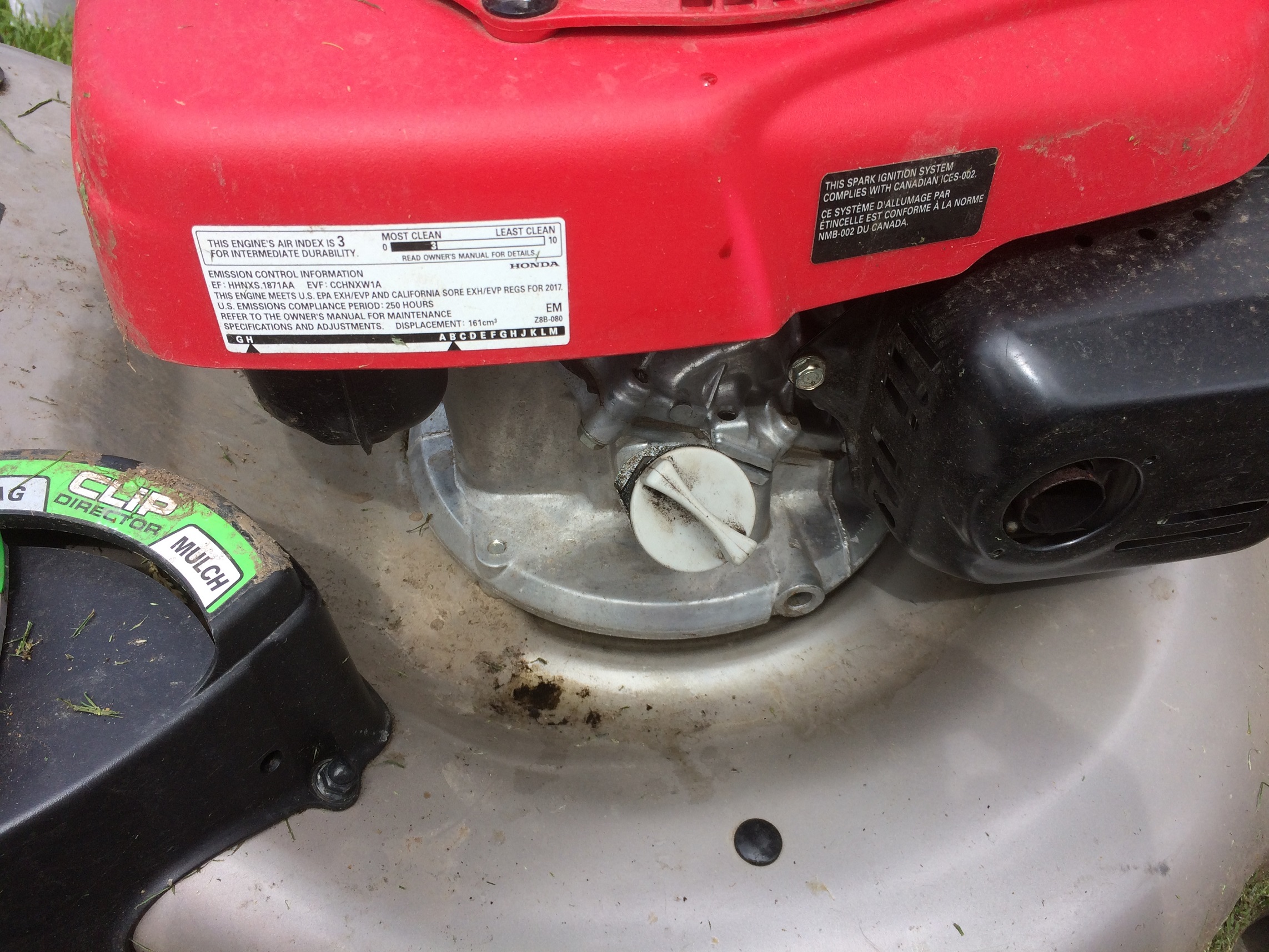
  1. Locate the oil tank.


IMG_4155ed


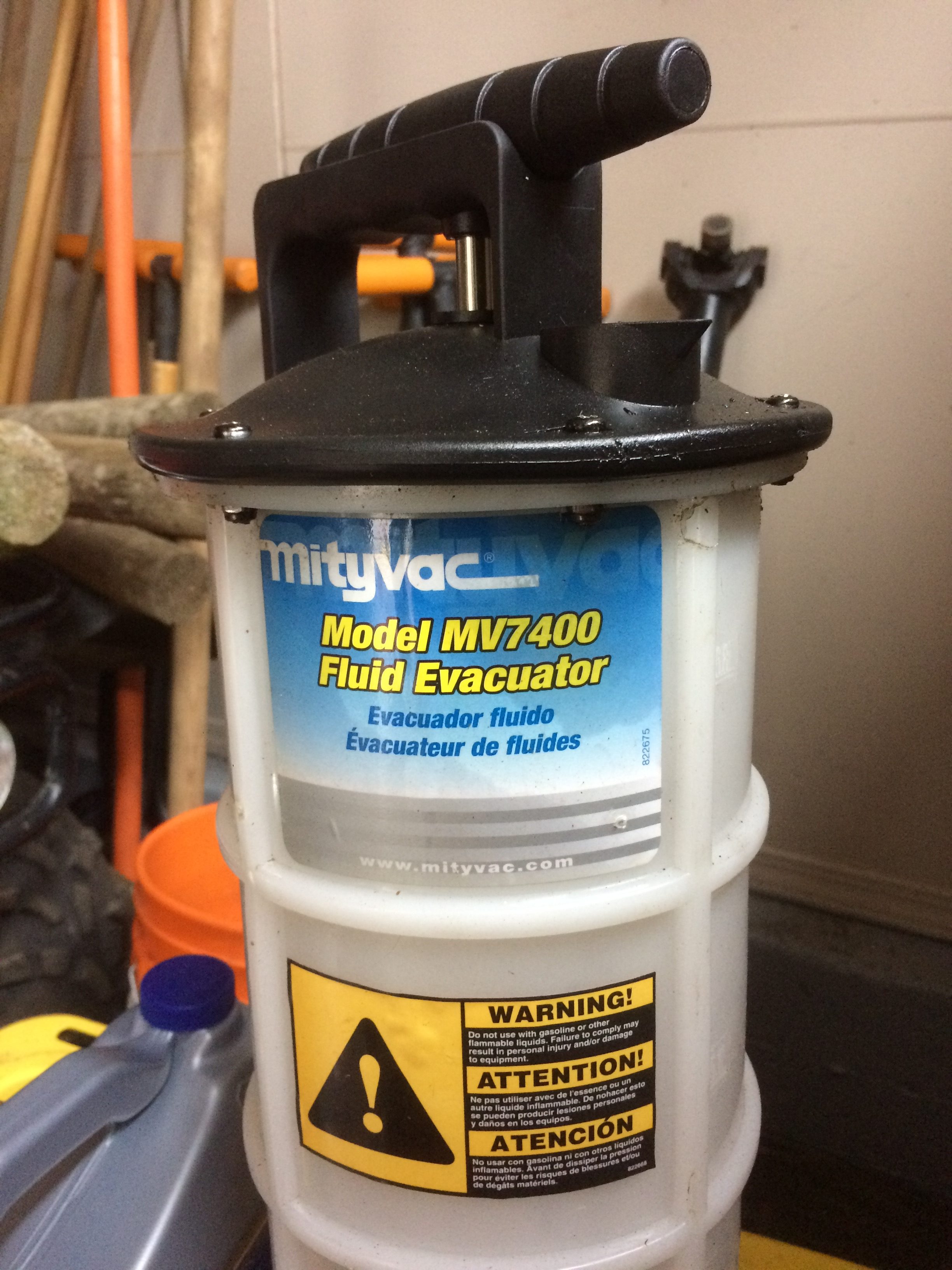
2. Now we need to extract the used oil. It might help to run the mower briefly so the oil flows better. We used a fluid evacuator. Simply stick the hose into your oil tank and start pumping until the oil is out.  Never pollute. Put the used oil into your empty oil container and recycle it at a proper facility.


IMG_4162


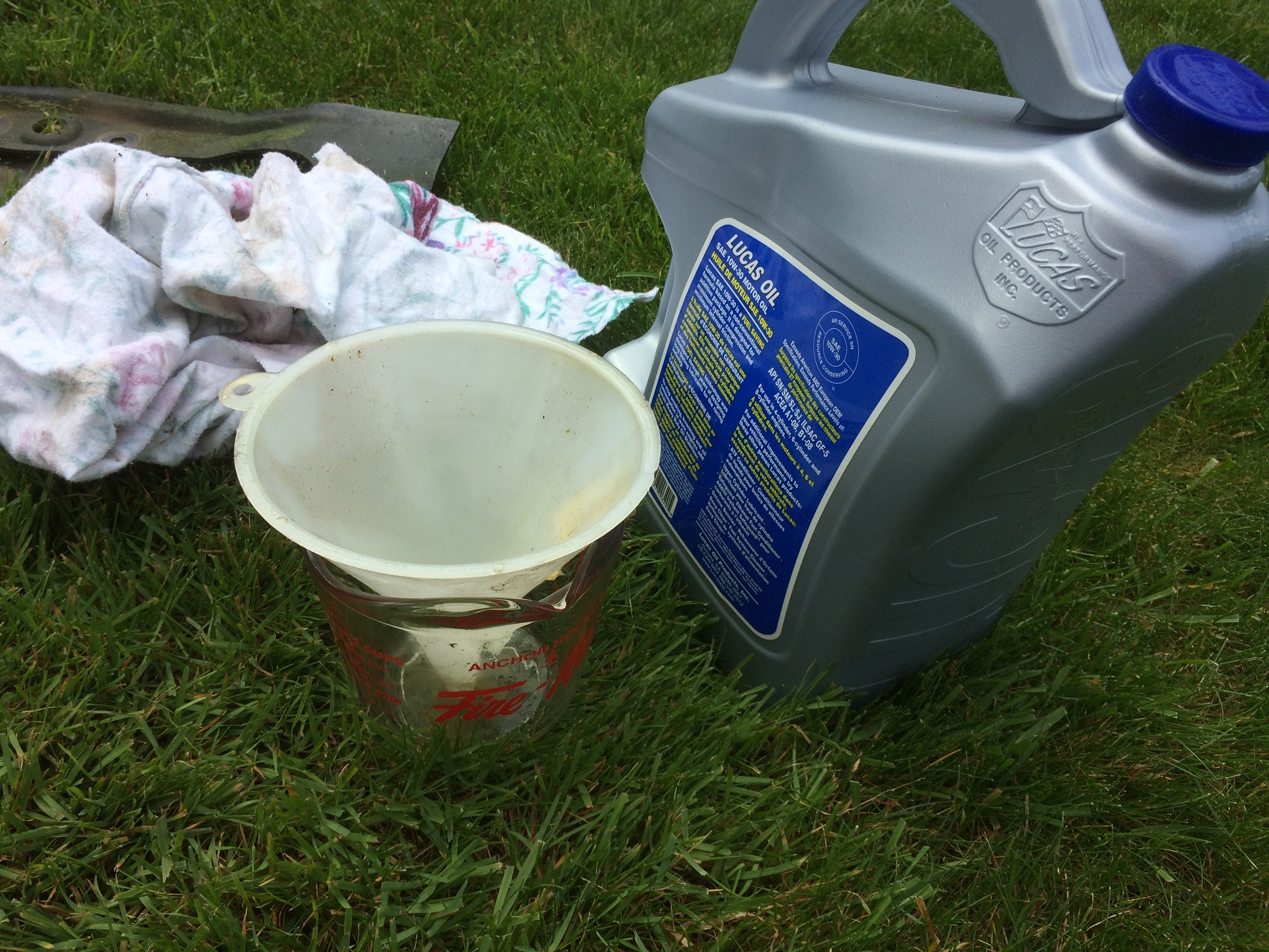
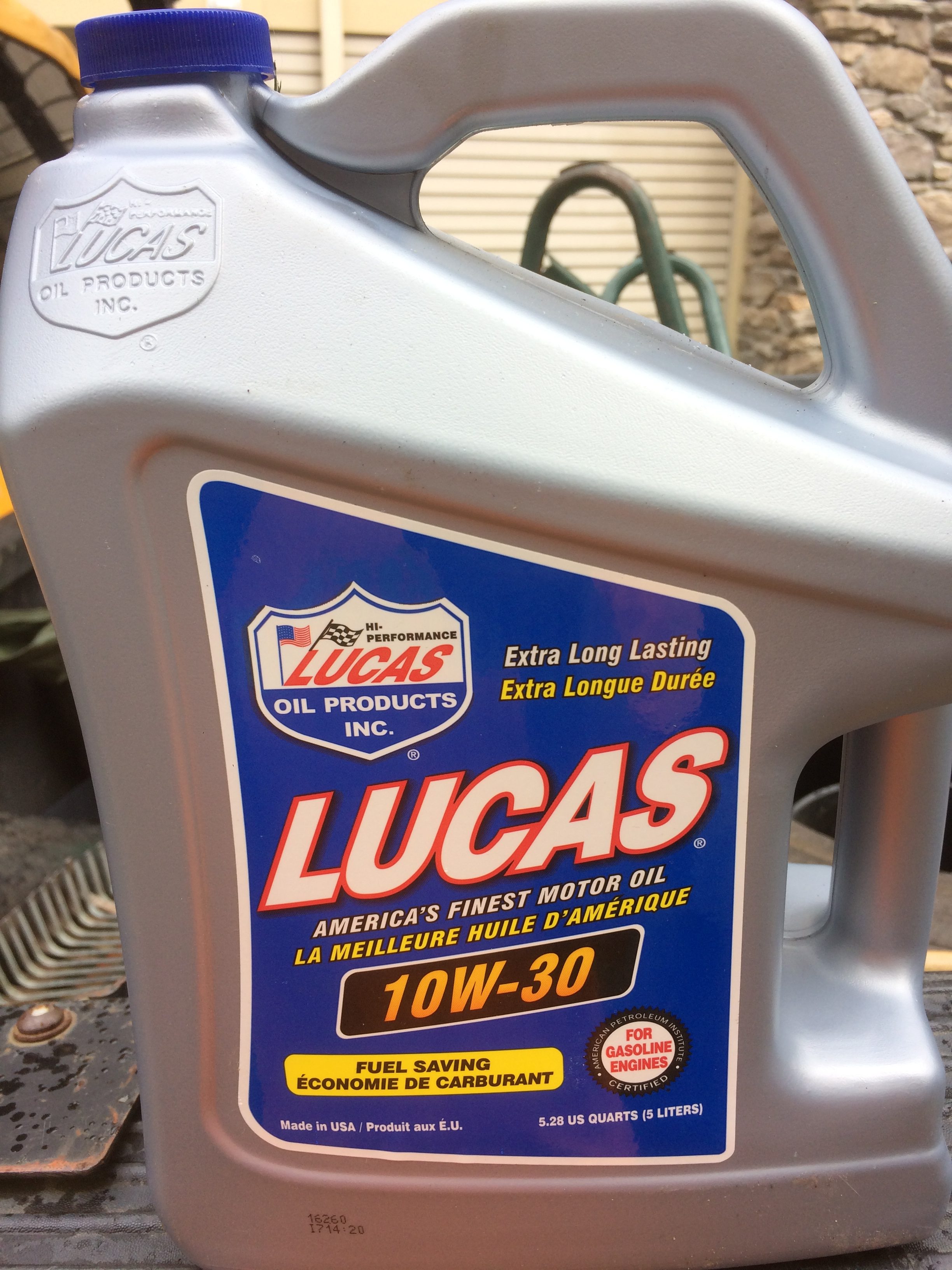
3. Replenish your oil with the proper formulation. Check the owner’s manual. We used 10W-30 Lucas oil. The Honda push mower requires 250mL of new oil. The exact amount will depend on the model of your lawn mower.

Frequency of oil changes will depend on actual use. Our machines work hard all season so we change the oil every two weeks. One oil change for every twenty to fifty hours of use is a general guide.

My old Honda mower sees limited action so I change the oil once a year. However, that might be a mistake. I think seasonal oil changes would be better: spring, summer and fall.


IMG_4160


IMG_4157ed

A funnel and measuring cup


In conclusion, it’s obvious that your mower will run better and last longer with regular oil changes. It definitely pays to stop during your busy week to do this quick change. Schedule it into your week and do it.


Little Giants

By | Species | No Comments

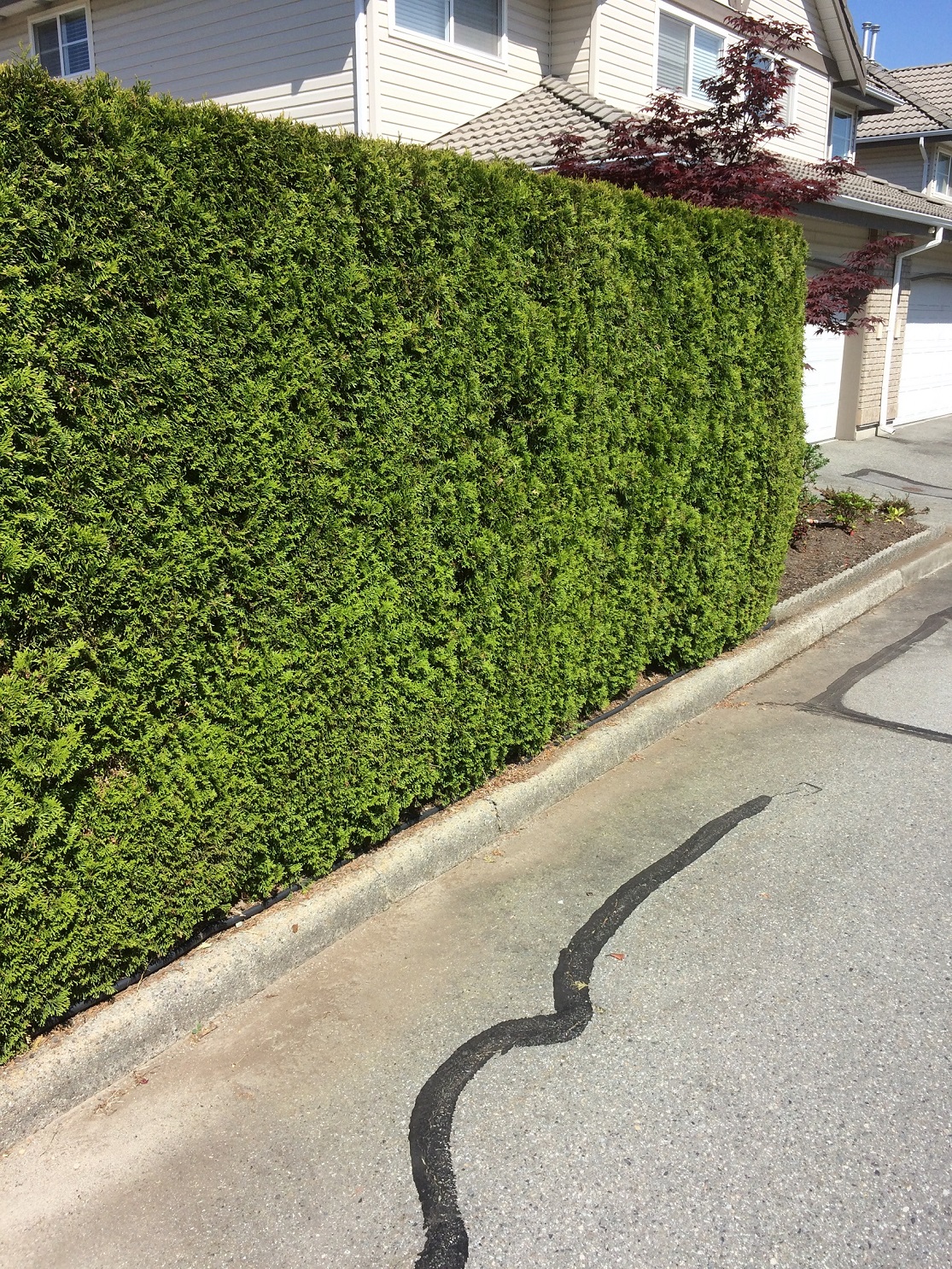
Today I got to plant a new cedar variety on a strata site! It’s always nice to get a little surprise like this. I’m used to planting cedars. We mainly plant Thuja occidentalis ‘Smaragd’ that form so many of our landscape hedges in the Lower Mainland. They get sheared once a year and look good. However, many of these cedars died in nasty heat waves and companies are starting to plant yews (Taxus x media ‘Hicksii’) instead.


IMG_4023edit

I planted lots of these Thuja occidentalis ‘Smaragd’


Little Giants

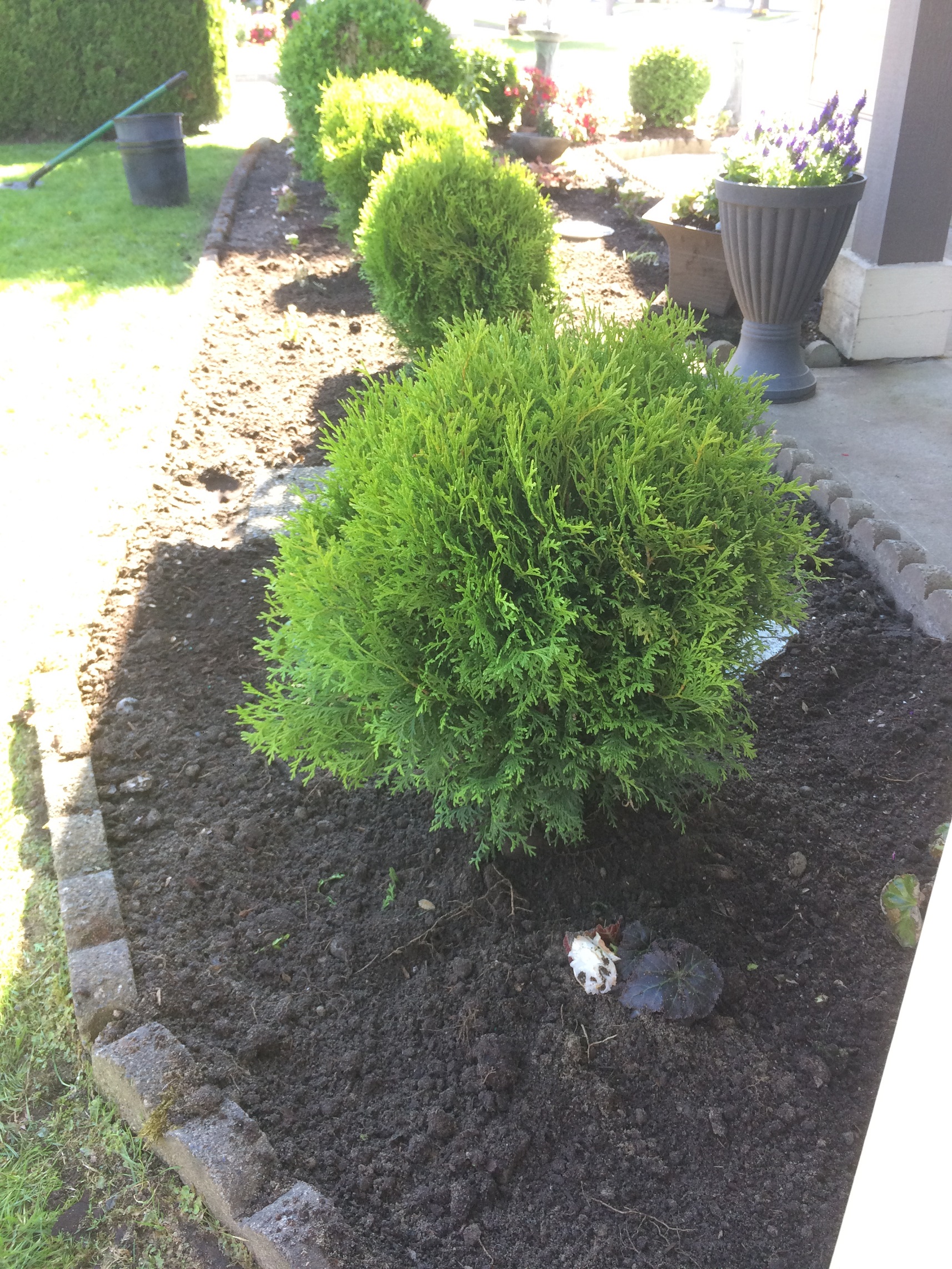
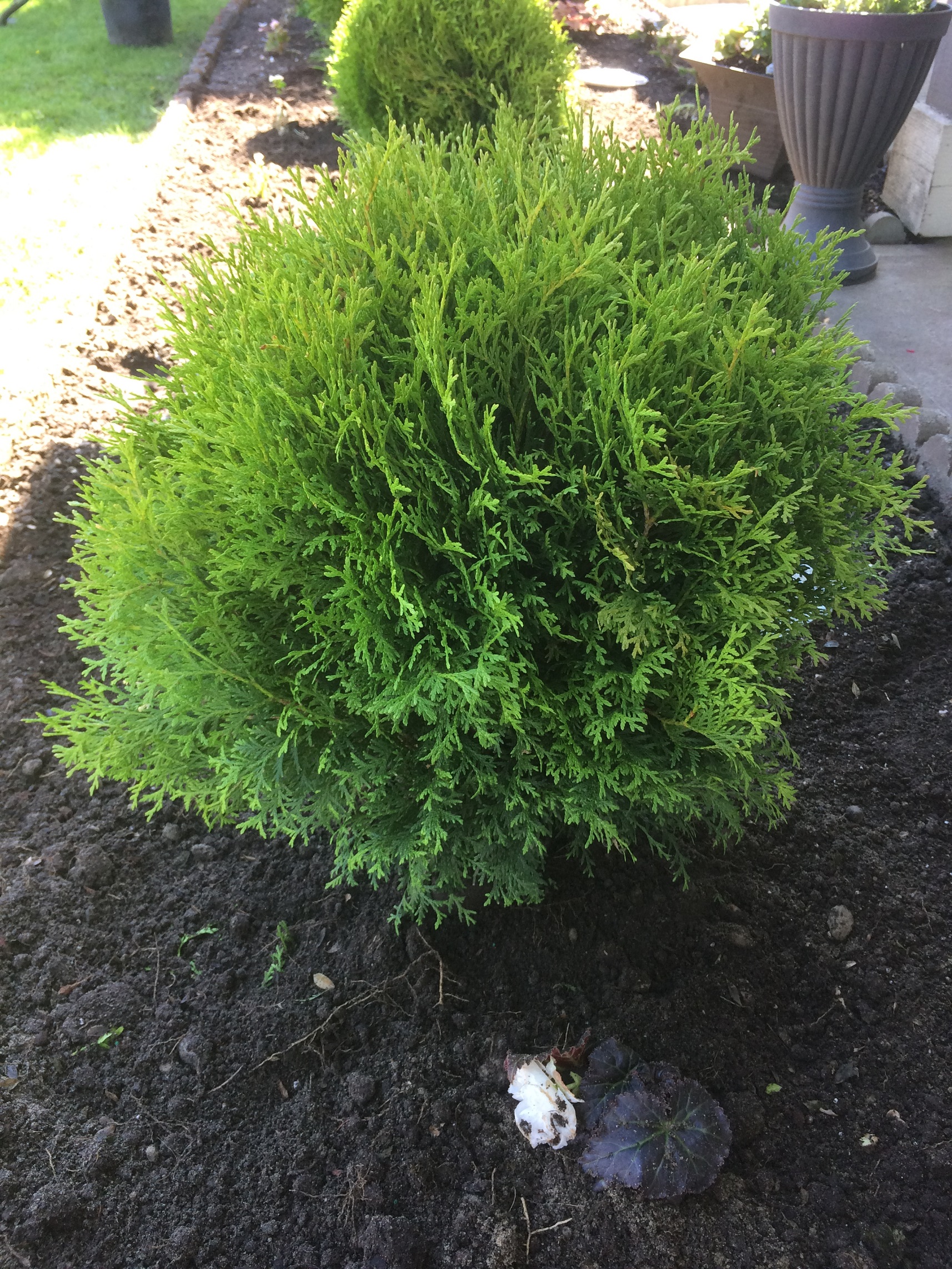
One of my many tasks today was to install three Thuja occidentalis ‘Little Giant’ cedars. Excellent! Something new for me. So let’s meet the little giant just in case you have to plant it or decide to after reading this blog post.

This cedar is a slow growing, compact, globe shaped evergreen. It sports soft feathery bright green foliage. It works well as a small hedge or as foundation or border accent.

Its average size is 90-120cm tall and 90-120 wide.

Zone 3

It doesn’t flower.

Keep it moist in sunny locations. I planted them on a hot sunny day and watered them after planting. Then I encouraged the home owner to keep her little giants moist. Considering the condition of her begonias, I had my doubts. Cedars require water in their first year to establish well. Most companies are on site once a week and watering new installs isn’t very practical. Irrigated sites get watered twice a week in Metro Vancouver.

Little pruning is required but I’m sure I will eventually get to shear the little giants into globes.

This cedar needs acidic soils which is fine in the Vancouver area. It is suitable for containers.

Good companion plants are: Barberry, Dogwood, Potentilla, Spirea, Lilac, Sumac and Weigela.

Retail cost $39.99 plus tax in British Columbia. Nurseries will most likely give you a better deal, assuming they have stock.


IMG_4021edit

Thuja occidentalis ‘Little Giant’


IMG_4022edit

Field sales call survival

By | Arborist Insights, Pruning | No Comments

Spring. It’s a time of renewal and, as the Tri-City News reminded me recently, it also brings out salesmen. But don’t worry, you don’t have to let them in. And you have thirty days to change your mind if your purchase is over $50. Good to know.

I was thinking about this after I had a salesman visit me in the field. The guy simply drove by my work site and saw my piles of branches. My goal for the day was to thin out Robinia pseudoacacias. So he stopped and searched out the sweaty arborist. Normally, I brush salesmen off but in this case, I was very happy to talk to him. As it turned out, he had lots of ‘toys’ in his truck.

Arborist ‘toys’

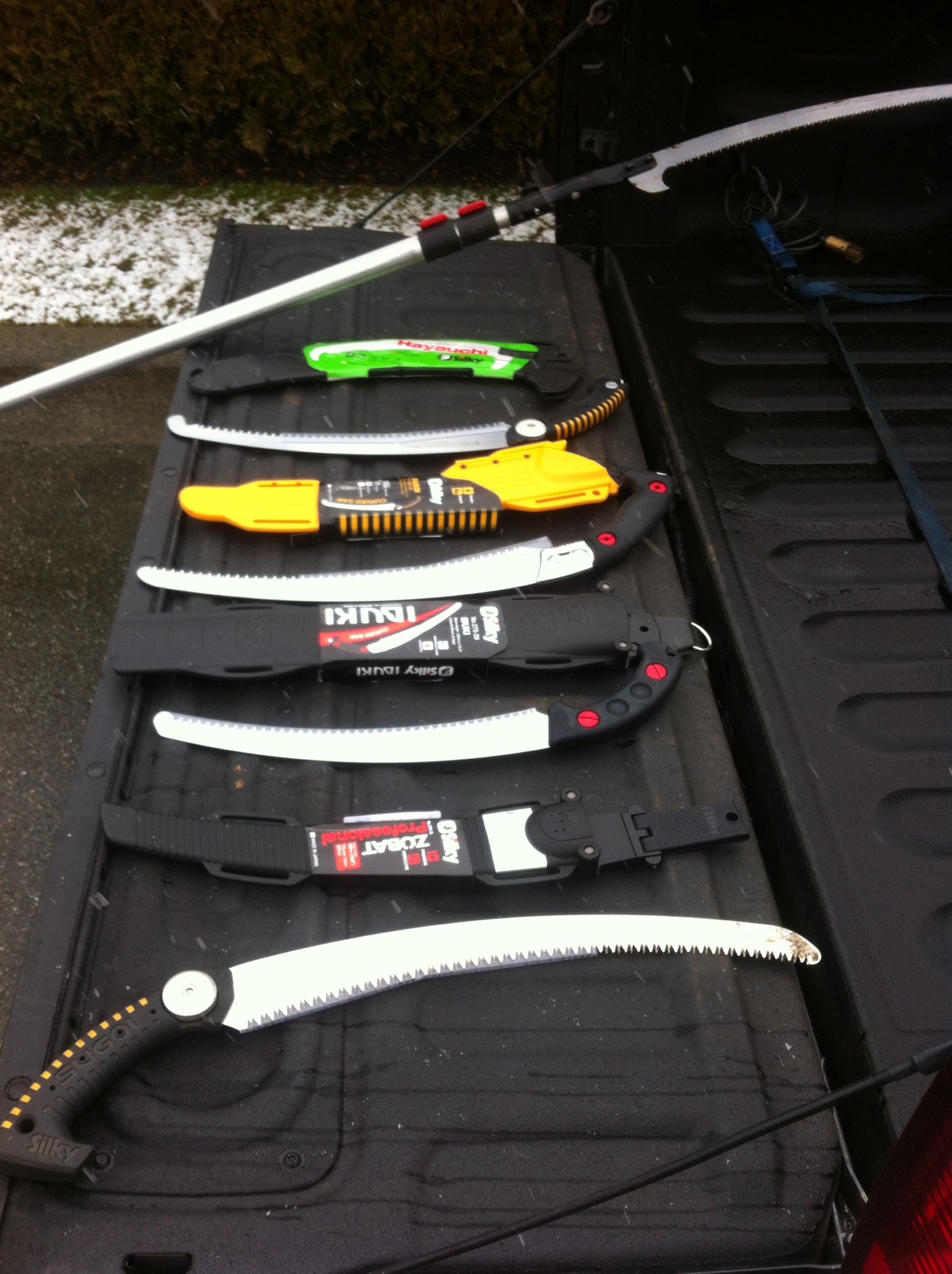
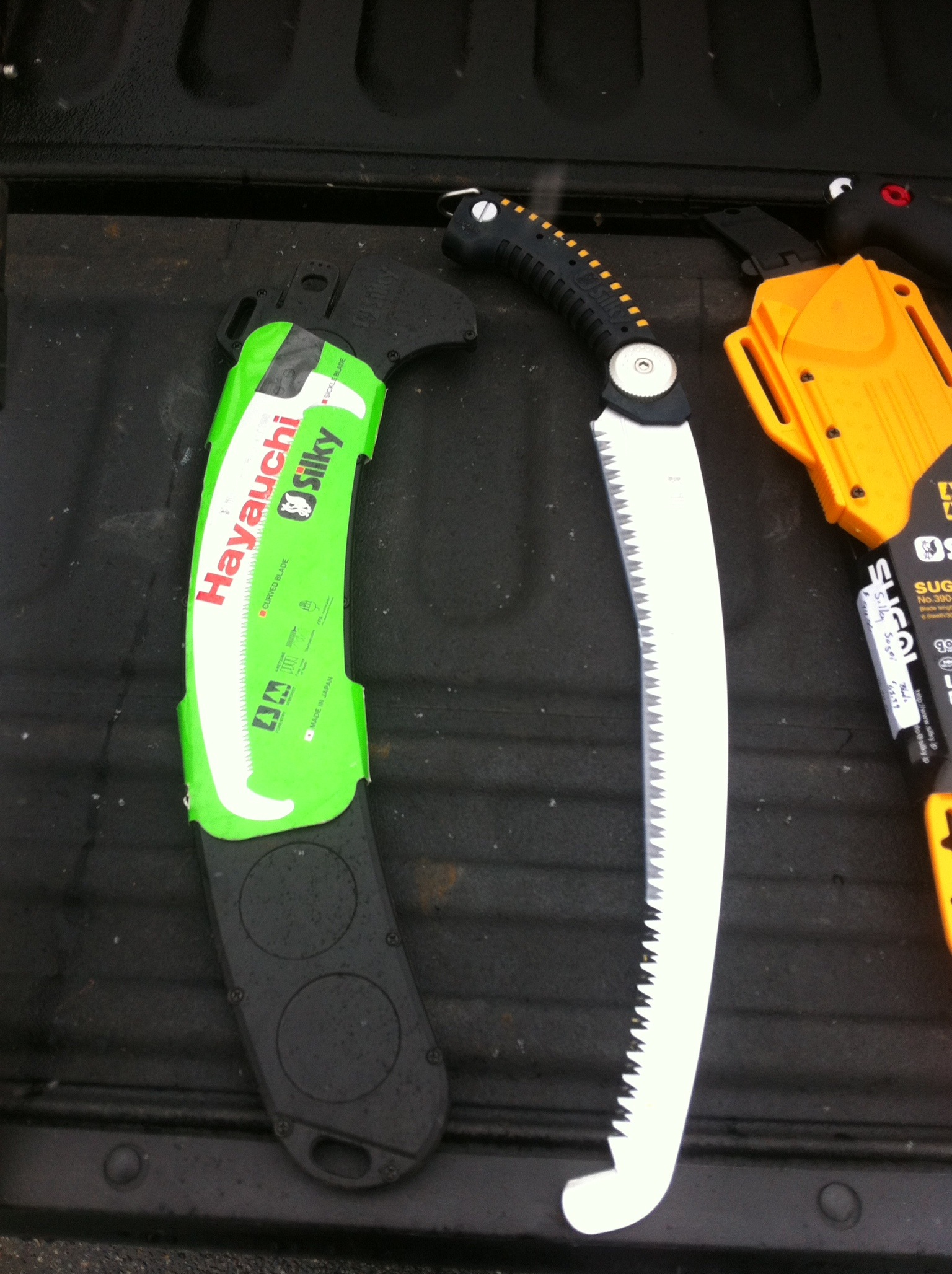
Doug pulled out a telescoping pole saw which was awesome. It’s a bit heavy but the telescoping is nice. The hand saws had me drooling. I especially liked the hand saws that attach to your leg for easy access. One day, when budget allows, I will invest in one.

Right now I am happy with my Samurai hand saw I purchased in Japan for about $35. Always get good quality steel. Having a nice, sharp saw is critical. I still remember a seminar I took at the UBC botanical garden years ago. They had an arborist doing a demonstration in a tree and his hand saw was gorgeous. Light reflected off the saw and it made a beautiful sound when it cut through the wood. I wanted one like that ever since.

Later on, the same arborist pointed out that his hard hat is worn to separate himself from landscapers. Aha! I was insulted and too shy to interrupt the demonstration. Hard hats are for safety. There are many professionals like me who are both ISA certified arborists and landscapers. Skilled, total professionals. My focus is on good quality work, not on separating myself from anybody. Remember, be so good so they can’t ignore you!

Sales details

I am very happy to plug a green salesman in a blog post. Always help others succeed. Unfortunately, many companies have go-to dealers so it’s up to the salesman to spin his magic and develop new relationships. Saws get dull and abused. You will need new ones.

Doug Cox of Calmac Saw & Supply can be reached at 604-816-6915 or calmacsaw@gmail.com. Please tell him you found him through this blog. Perhaps he can demonstrate his saws for you.


IMG_2228

Doug Cox’s beautiful saws. Always use sharp saws when you work.


IMG_2229

Landscape maintenance without discrimination

By | landscape maintenance | No Comments

Good landscape maintenance dictates that we periodically cover the entire site. On small sites this can be accomplished weekly. On larger sites, you can work out a four-week rotation. But the goal should be complete coverage without discrimination.

This was going through my head recently when I was asked to prune and clean up many parking stall inlets on a large site. This wasn’t a new idea; the work was on the site to do list for quite some time. But because the parking stall inlets are lower profile, they get pushed back. It’s not sexy work.

I am convinced we have to fight this discrimination. I treated every single parking stall as I would the main entrance and clubhouse areas. That’s what professionals do.


Parking stalls


IMG_3389edit3


Take a few minutes to examine the picture above. It’s hardly an inspiring area. You can see how workers would gravitate toward a clubhouse area with nice grass and plants. So the boss sent me in. Supervisor Vas on the case. No big deal. I don’t discriminate.

Step 1: set out tarps on the river rock because once cedar clippings get stuck in the rock they are extremely difficult to clean up. Raking is brutal and blowing is effective only up to a point. The clippings will get lodged in the rocks. Definitely set out two tarps to avoid headaches later.

Step 2: shear the hedges like you normally would, tight on top and lighter on the sides. All signs must be clearly visible. Once a year should suffice. Twice is OK.

Step 3: clean up and cultivate at the base of the cedars; try not to remove too much bark mulch. Also check the river rock areas for weeds. I found one that required extra time for weeding. Again, aim for complete coverage. Never discriminate. Even low profile parking stall river rock areas should be weed-free. The last thing we want is weeds producing seeds.

Step 4: watch for parked vehicles so you don’t cause any damage. You can always come back later.

Step 5: gently blow off all edges when you do your site courtesy blow.


Discrimination by design

Some landscaping companies give their workers tight deadlines so they have no choice, they have to discriminate. When this is the case, most maintenance tends to happen at high-profile areas like entrances and clubhouses.

Again, this is a bad idea. Very bad idea. Good landscape maintenance is done without discrimination. I’ve seen this at a Burnaby site that went downhill fast. Two low-budget European workers had exactly two hours to spin their magic. And there wasn’t much magic.

By contrast, we have six workers at a neighbouring site all day! Our work involves a three-week rotation so that the entire site is covered. Parking stalls included. No discrimination.

Conclusion

Cover 100% of your work sites periodically so there isn’t any discrimination. Treat lonely corners the way you would high-profile clubhouses. This will lead to happy clients and renewed contracts.