
All Posts By

Vas Sladek

Notes on urban agriculture

By | gardening | No Comments

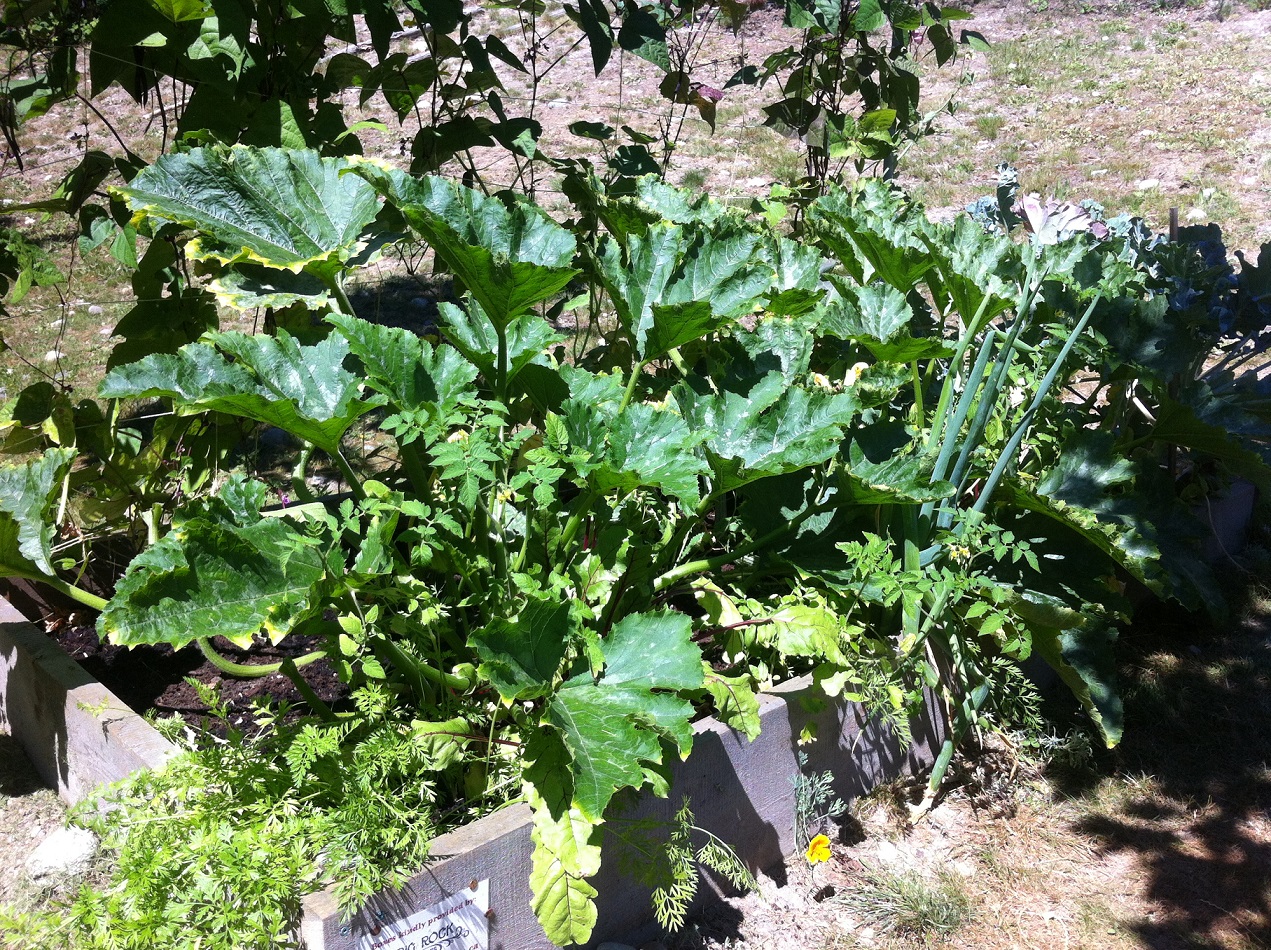
Strata garden plot


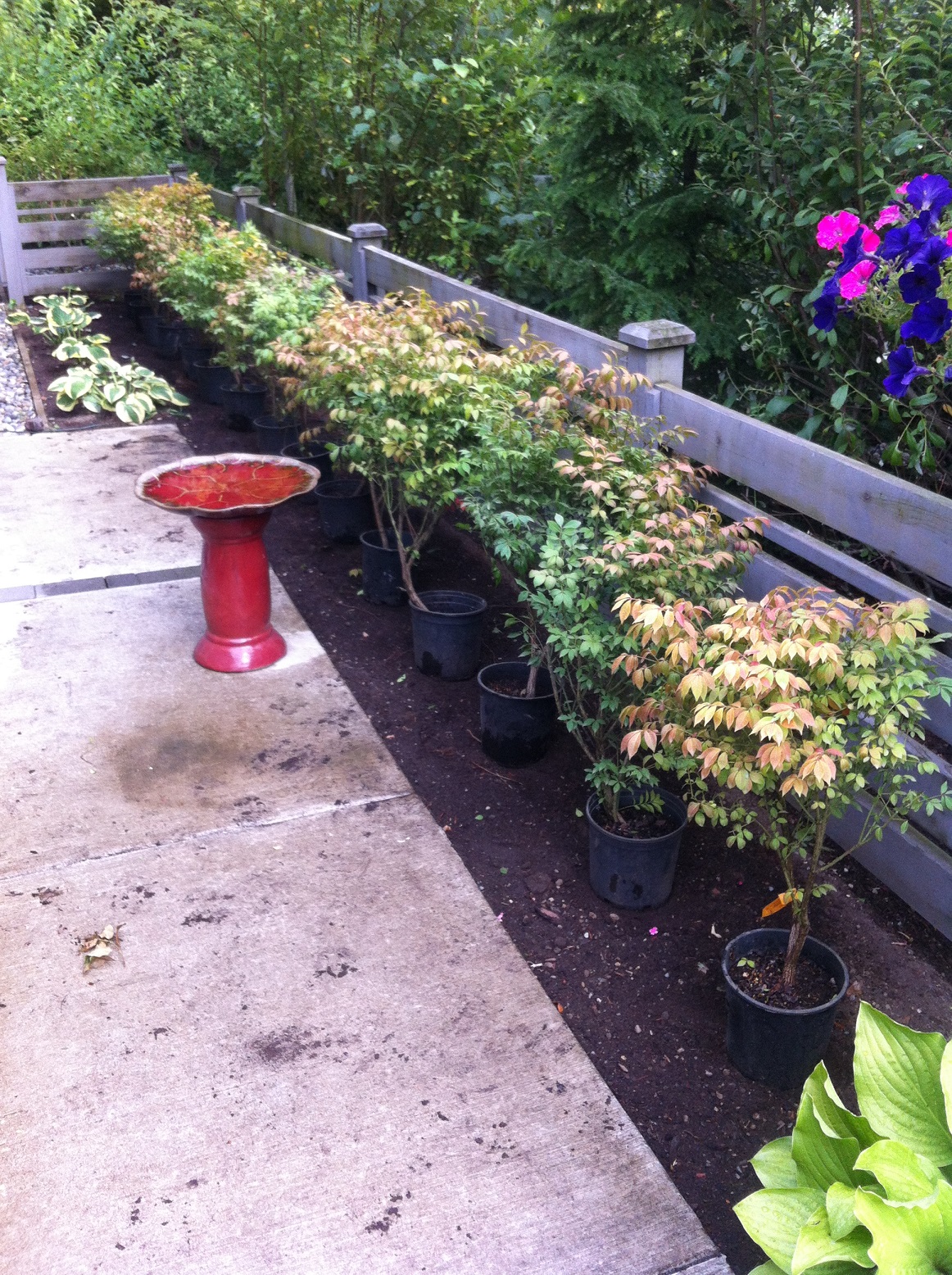
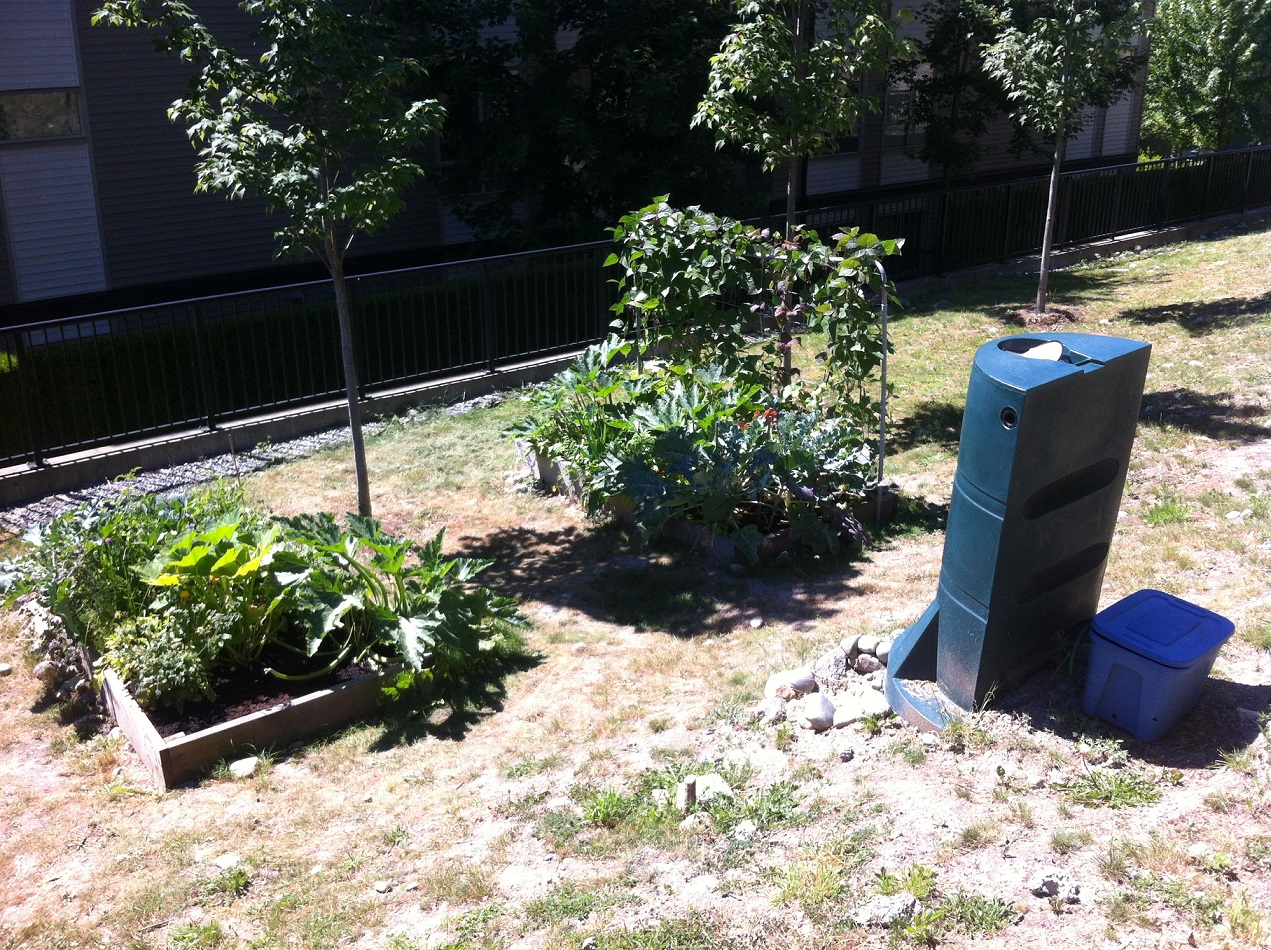
There she was. A lovely mother of two busily tending to her community garden plots. It was a sunny morning and the plants were in need of water. The two plots are small but her strata council has approved the construction of one more plot. It wasn’t easy, nor quick, but there will be more space for growing stuff. Not every strata council is this accommodating. Most condo patios are either too small or don’t receive enough sunlight for serious growing.

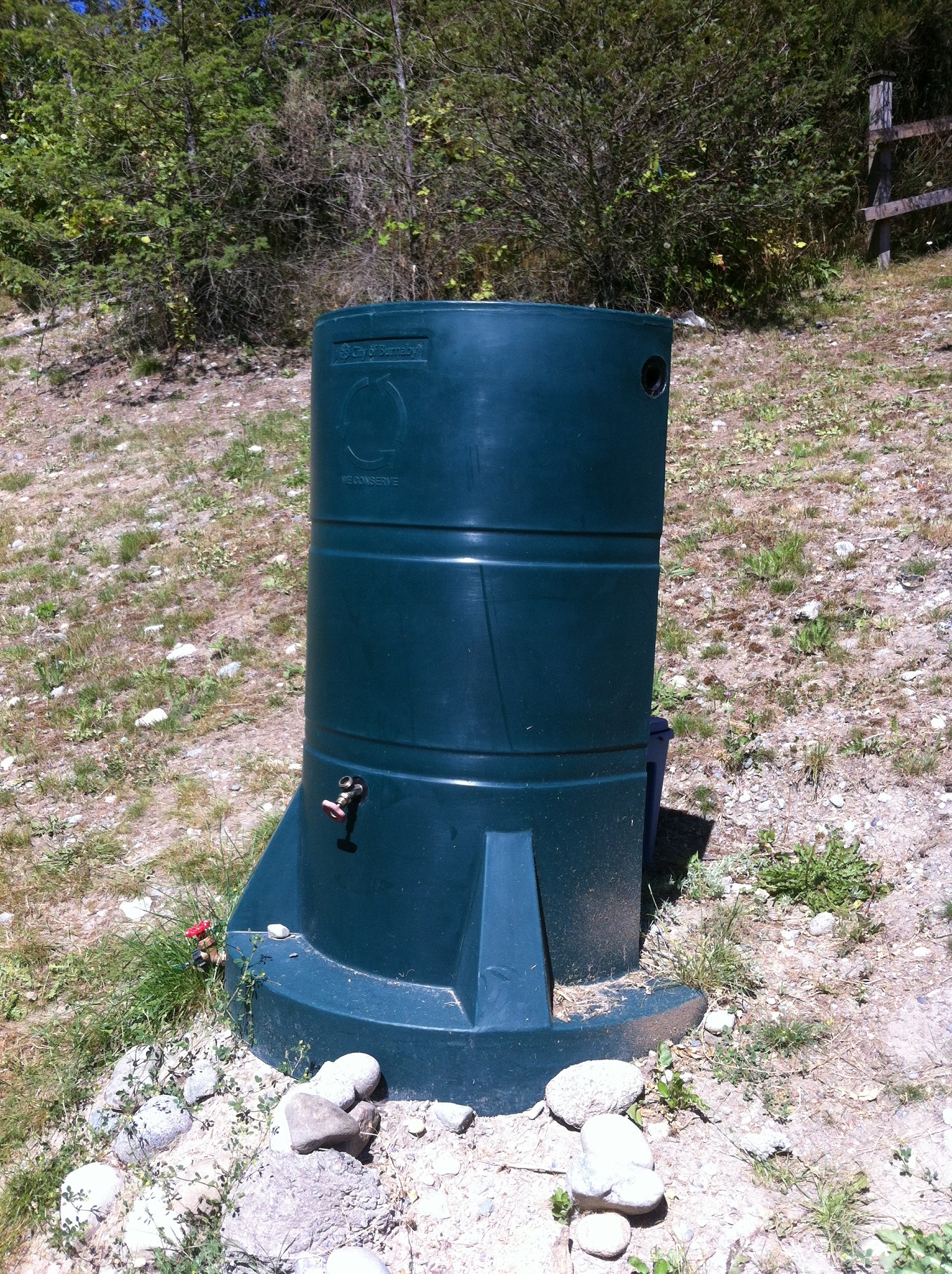
There is a water barrel for watering. All members take turns watering and taking care of the plots. The harvest is shared among them. Community.
 

IMG_6157ed

This is a humble strata complex garden plot

 

IMG_6155ed


IMG_6156eddd


IMG_6152edit


Globe article

Soon after meeting this lady, I opened up my Globe and Mail newspaper. I was immediately grabbed by Ian Clarke’s article “The future is inefficient, and it tastes just fine” (The Globe and Mail, Wednesday August 10, 2016)

It is clear that there is more and more interest in these gardens. A mother of two is happy to know that her vegetables are organic, she can save a bit of cash and use the plot to teach her kids about food. This is nothing new. Michelle Obama famously planted  a kitchen garden at the White House to promote the value of urban agriculture.

Several years ago I had a community garden plot in the Burquitlam area of Coquitlam. Busy at the time and annoyed with one of the garden directors, I gave up. Now I wish I hadn’t.

As The Globe article mentions, during the world wars, the government encouraged  people to plant food gardens in all available urban spaces.


Urban agriculture

From tiny backyard plots, community and school gardens to larger commercial farms, the urban agriculture sector is expanding. It will never replace rural farms. But check out the benefits. It can:

  1. reduce the carbon footprint of our food
  2. create resilient cities and food systems
  3. reduce the urban heat island and air-conditioning costs
  4. reduce demands on city infrastructure
  5. create jobs

Urban agriculture is:

  1. smaller in scale
  2. usually more biodiverse
  3. responds to local tastes and demands
  4. technically inefficient as it uses local workers who make more cash
  5. it is very efficient at producing good food and jobs


I can’t wait to see how the third garden plot develops.


Yours to discover: Acer campestre

By | Arborist Insights, Landscaping, Species | No Comments

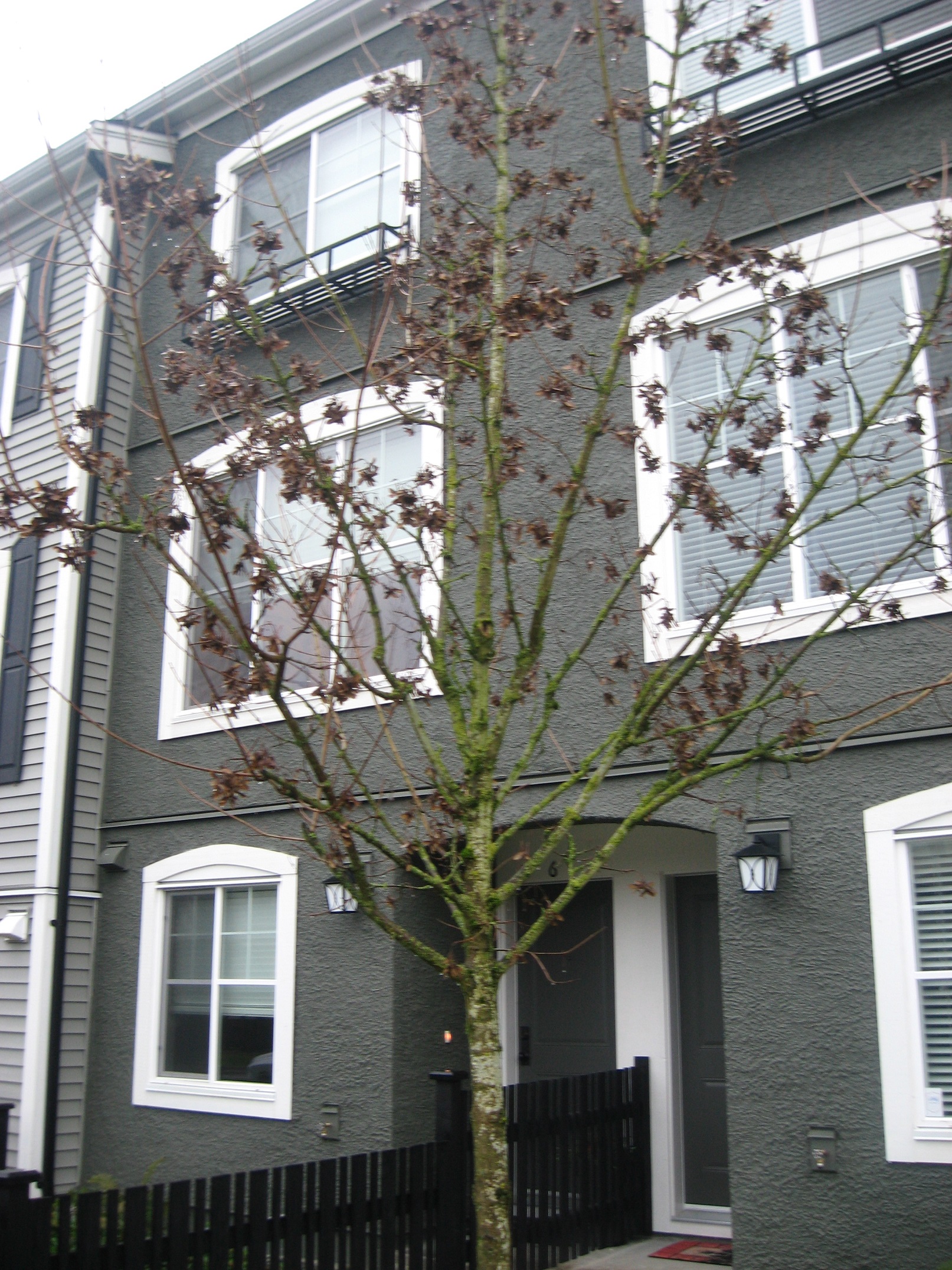
First encounter with Acer campestre

Working in Langley, BC on an early spring day, I noticed a low tree branch obstructing an entrance. This is called ‘landscape eye’ and the subject of an earlier blog post. So out came my snips and the branch was cleared out of the way. In seconds. Then the ‘bleeding’ started! In seconds. Oops. I noticed the samaras and only then realized this was a maple tree. The actual species name escaped me because this was our first encounter. I would later look it up and a blog was born.
 

Maple rule

Maples are ‘bleeders’. They lose large amounts of sap when pruned at the wrong time. This is the maple rule: prune before Christmas or in summer. This was early spring so the sap ‘bleeding’ was noticeable. One week later it had stopped. Thankfully.

If you prune in summer, make sure it’s not under drought conditions. Under drought conditions, trees close their leaf openings to avoid water loss. This means that carbon dioxide can’t enter and food can’t be produced. The tree lives on reserves stored in its branches. If you prune too many branches off, you can starve the tree.
 

Field maple details

Campestre means ‘from fields’. It is an attractive medium-sized deciduous street tree. It tolerates urban conditions like drought, clay soils, air pollution and soil compaction. It prefers full sun to part shade conditions. It has yellow fall color and can be pruned, sometimes even harshly. In Europe it’s shaped into hedges.

The leaves have five blunt lobes.

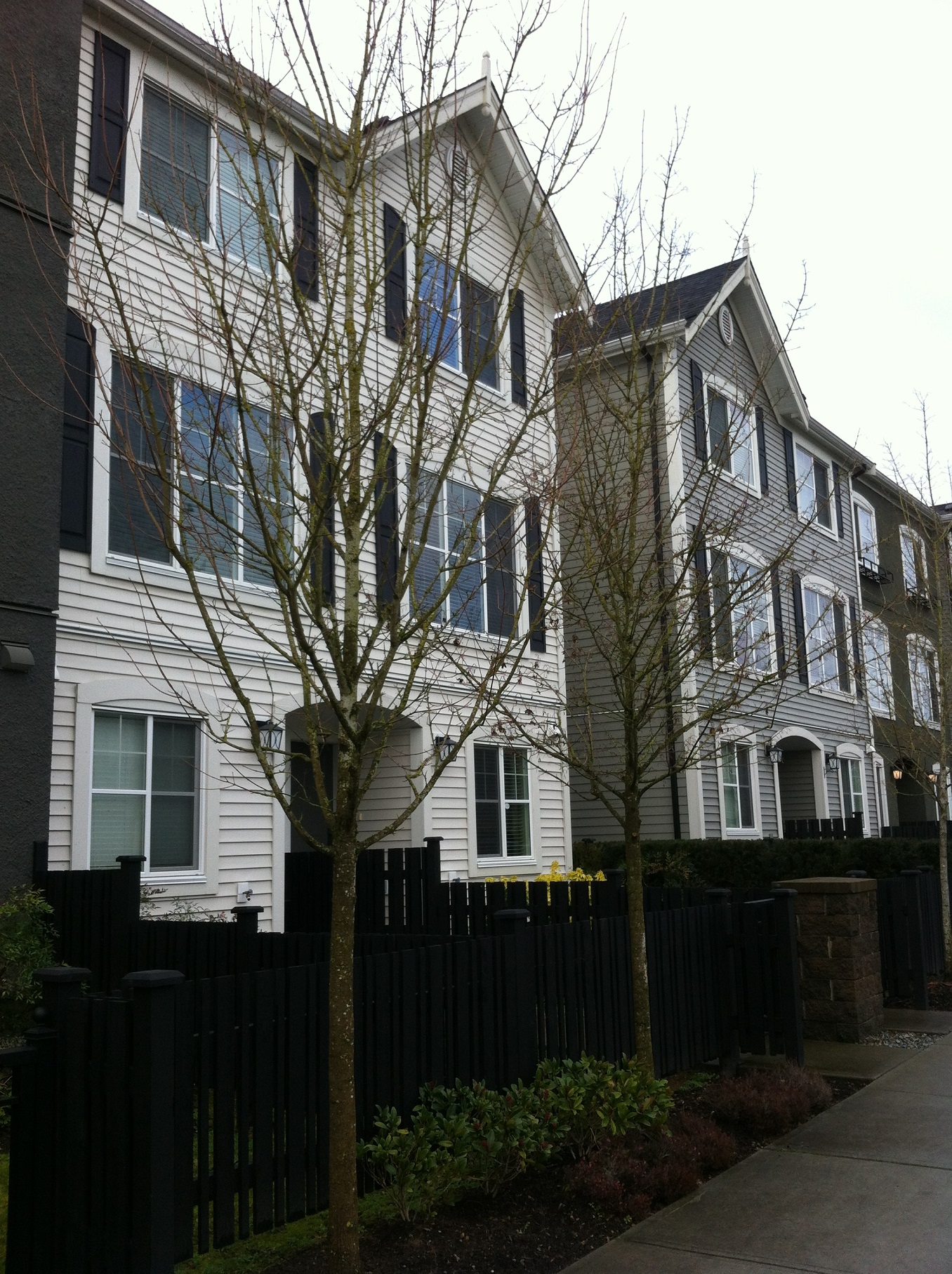
This is a low-maintenance street tree. The only work I have done on these trees is walkway clearance. I have yet to encounter this maple species on other sites.

Have you seen Acer campestre?


IMG_0509edit

5 lobes and samaras


IMG_2211edit

Not much work to be done on these trees, other than walkway and house obstruction


IMG_0608edit

City street location with plenty of sun

Stihl Lawngrips shoe review

By | Landscaping, Reviews | No Comments

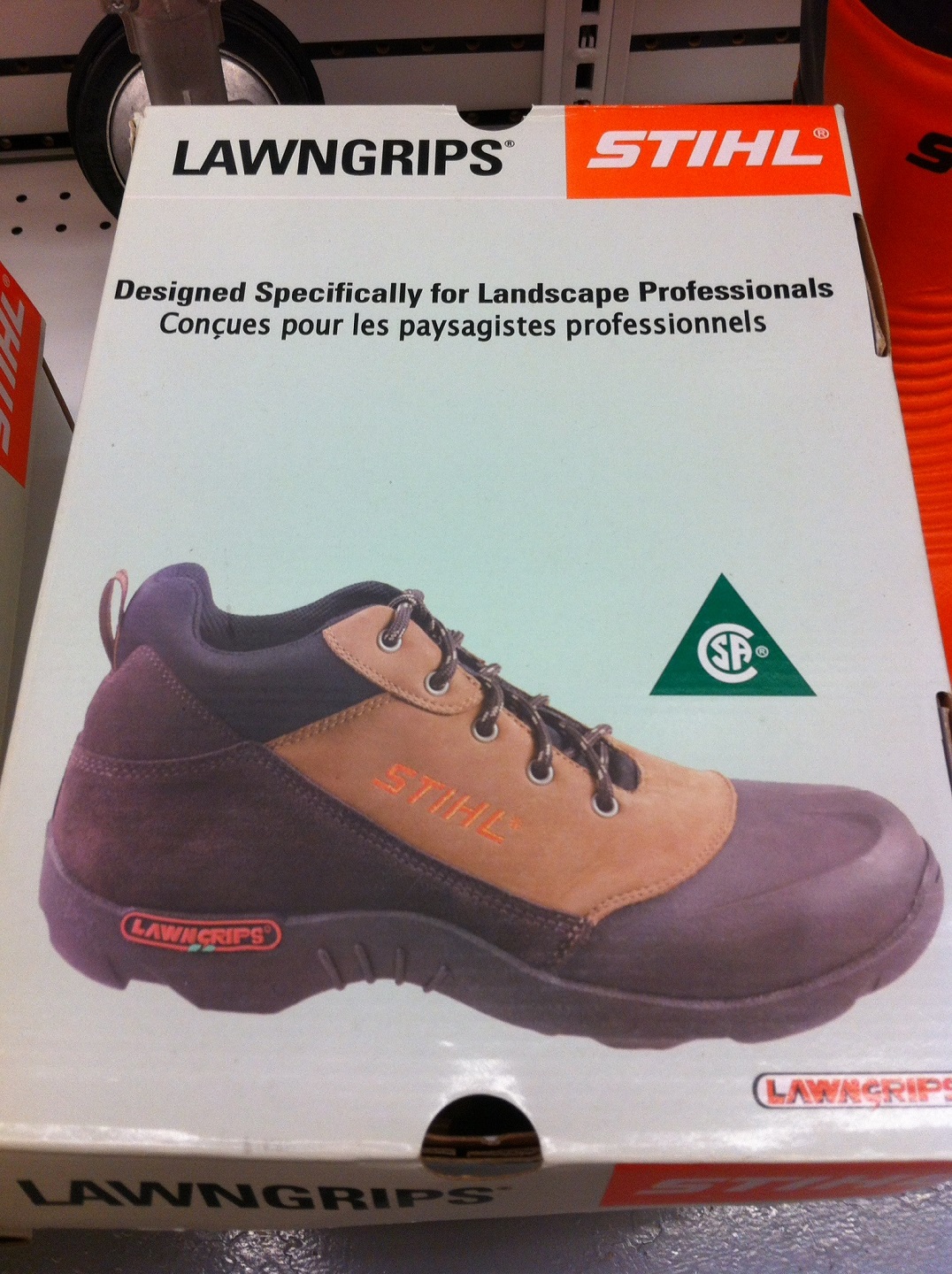
The Stihl Lawngrips shoes for landscape professionals are great shoes! And yet, it’s ironic that as I finally sit down to  write this review blog post, my latest pair is falling apart. I’ve bought at least ten pairs of these shoes without experiencing any major problems. As a busy landscape professional I “killed” the shoes through heavy use.

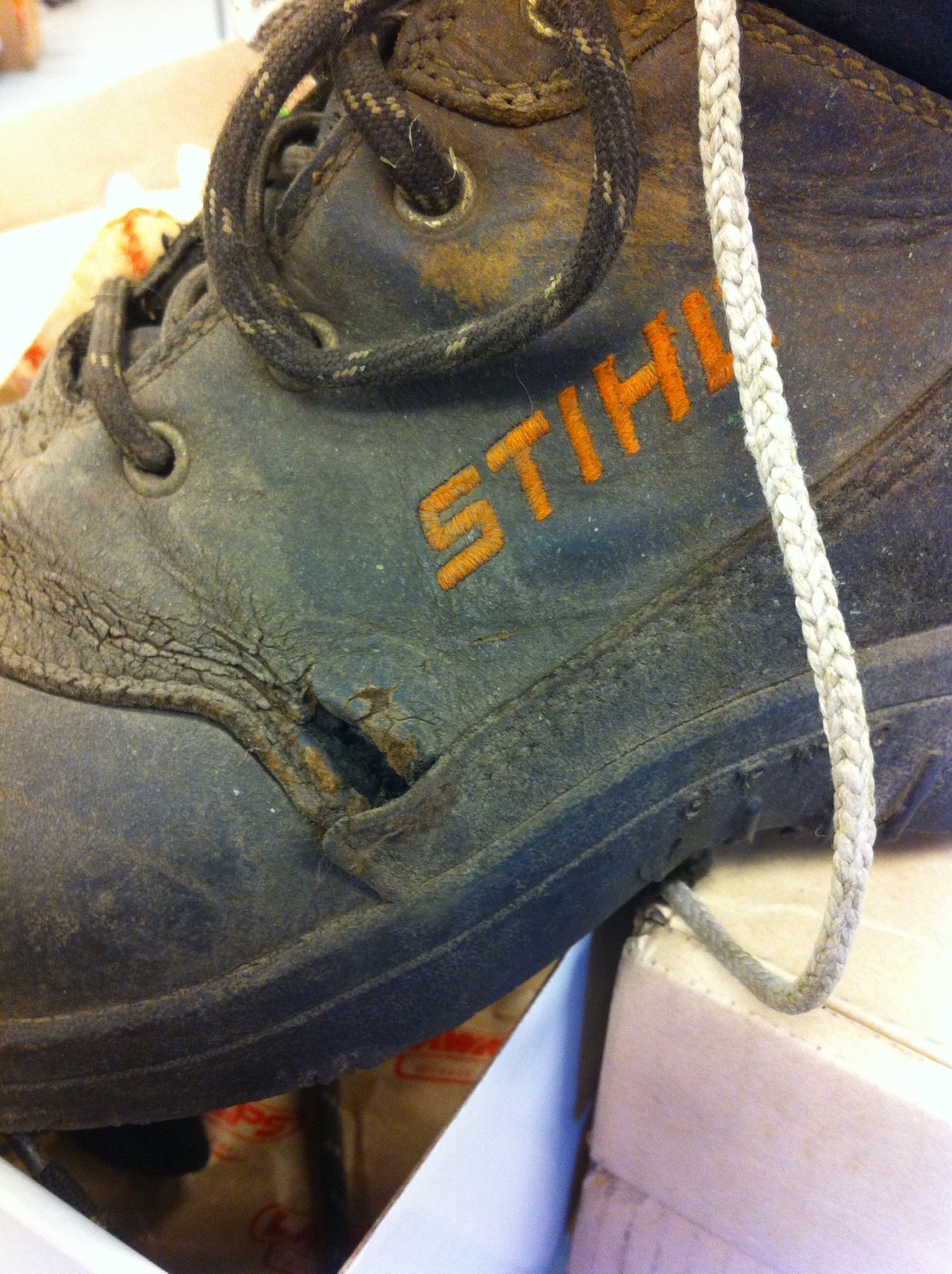
My last two pairs, however, suffered from a manufacturing defect. See picture below. My dealer kindly exchanged the shoes and the replacement pair lasted barely two weeks. Then the dealer refused to hand over a third new pair. He called Stihl and their response was that they wanted to see the shoes. Great! I get a refund but I’m without my favorite shoes. I will buy a pair from another dealer and hope they last longer. Stihl will get to examine my shoes.

Having gone through at least ten pairs, I feel qualified to review the shoes. (Disclaimer: I’m in no way associated, compensated or sponsored by Stihl. The opinions expressed here are mine and I stand by them.)

Pros:

  • the shoes feel great for working boots (light weight)
  • you barely notice they have steel toe and steel plate in sole
  • they really don’t slip on grassy slopes
  • they look good and sport the Stihl logo
  • the retail $99 plus tax cost is good if you compare it to other work boots on the market
  • specifically designed for landscape professionals
  • CSA approved
  • available in shoe and boot style


Cons:

  • my recent bad experiences make me wonder about the manufacturing quality control
  • as you wear out the sole, you will reach a point where the shoes make “sucking” sounds when on hard surfaces
  • the shoelaces must be double-tied otherwise they come undone
  • many dealers in the Lower Mainland don’t carry the boot version


IMG_4350edit

This was my first-ever hassle with these shoes. Note the crack after only a few weeks.


IMG_7001

On the last day….


IMG_7002

This is how your Lawngrips will show their age


IMG_1735


IMG_1734


I love these shoes! Considering my recent hassles, I give them 8/10. If you are a landscape professional you owe it to yourself to test one pair. Good luck.

Develop your landscape eye

By | gardening, Landscaping, Tips | No Comments

Landscape eye

Developing your landscape eye is a critical skill. It takes time to develop but your landscape, bosses and clients will thank you for it. Basically, landscape eye refers to your ability to read a landscape and figure out what’s missing, totally wrong or just slightly off. This usually comes with experience once workers are fully proficient on all equipment.

I started landscaping at a prominent Lower Mainland landscape maintenance corporation we don’t need to name. There, the in-house seminar on “Developing your landscape eye” was delivered by the company owner. Not managers. The owner. That was no accident. Workers with good landscape eye can make corrections which leads to sharper and healthier landscapes. This seminar was a platform for the company owner to train his workers to see the landscape the way he does.

Some obvious examples are weeds, shrub spikes, walkway obstruction, flower deadheading, broken tree branches, tree branches touching buildings, missed blade edging, lawns that don’t look lush, dead plants, garbage, debris, cedar pruning lines, shoddy clean ups, etc.

Examples


IMG_4705ed

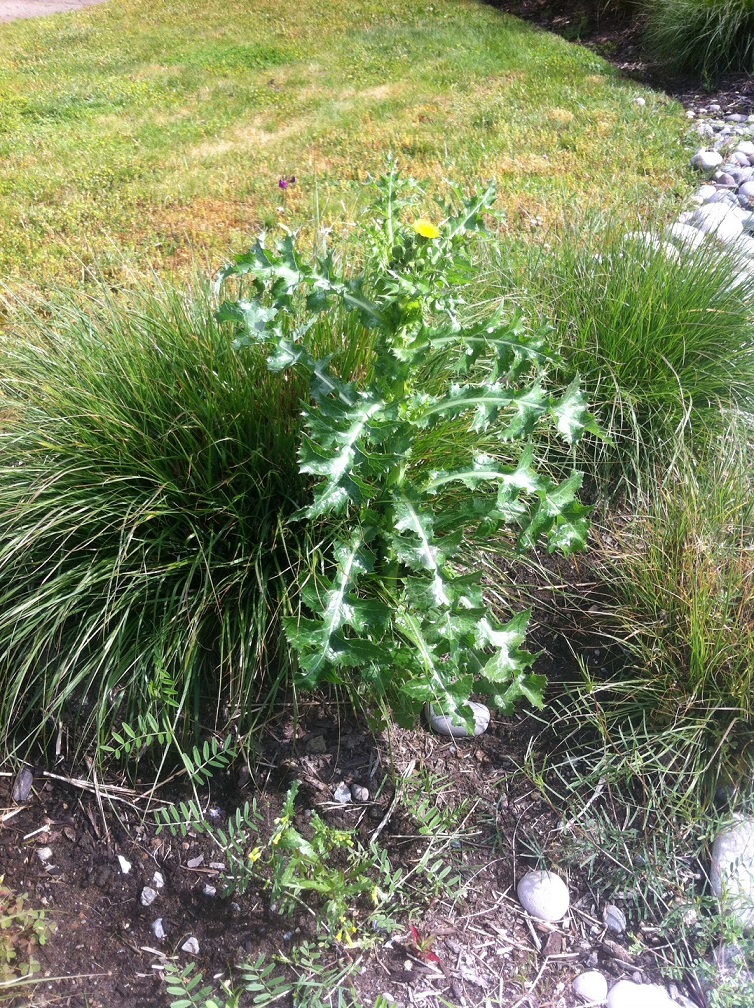
Obvious weed problem


IMG_4716ed

Ask yourself: how were these weeds allowed to get this big?


IMG_6977ed

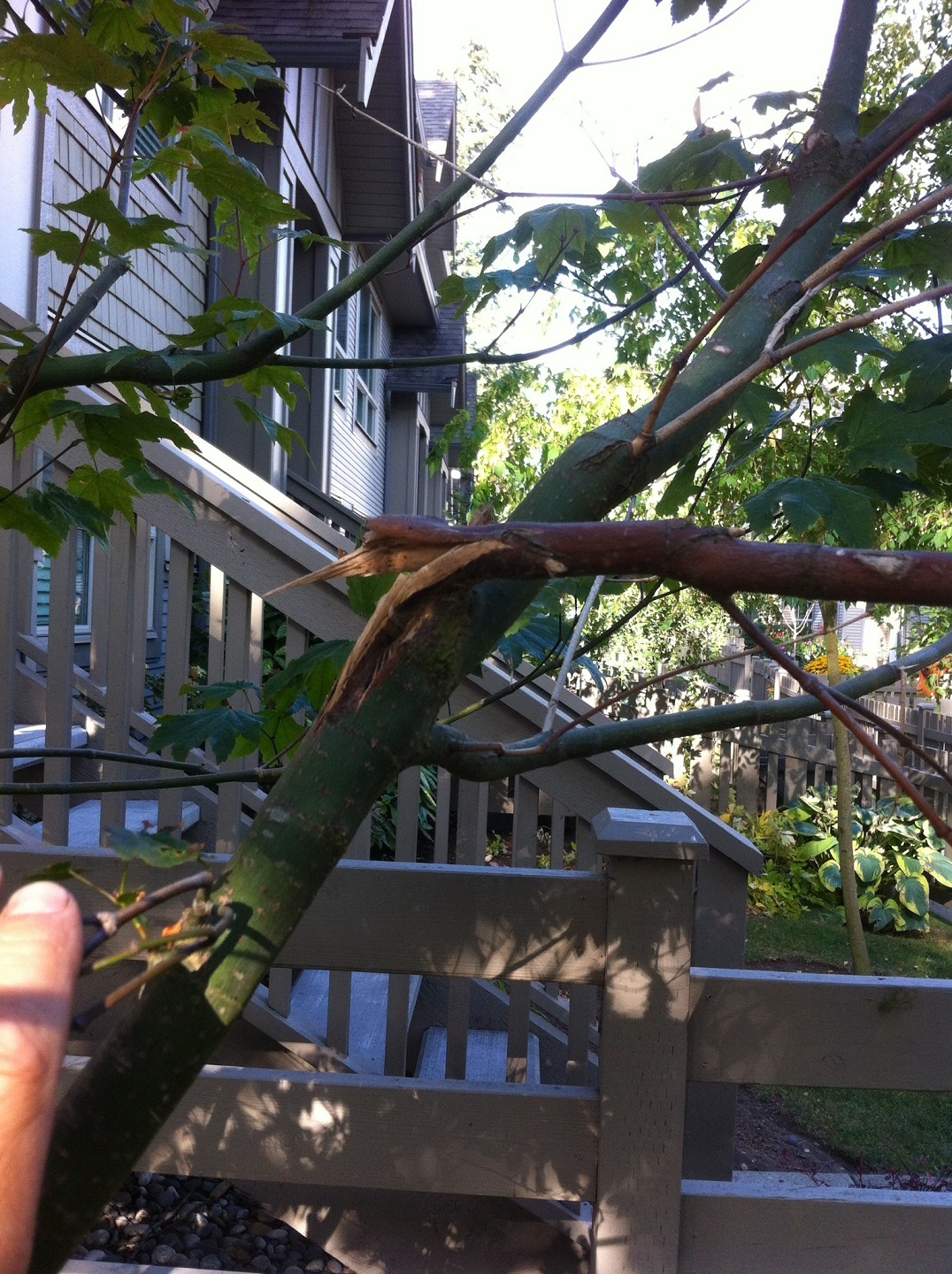
A broken Acer circinatum branch: remove ASAP


IMG_6873 (79)ed

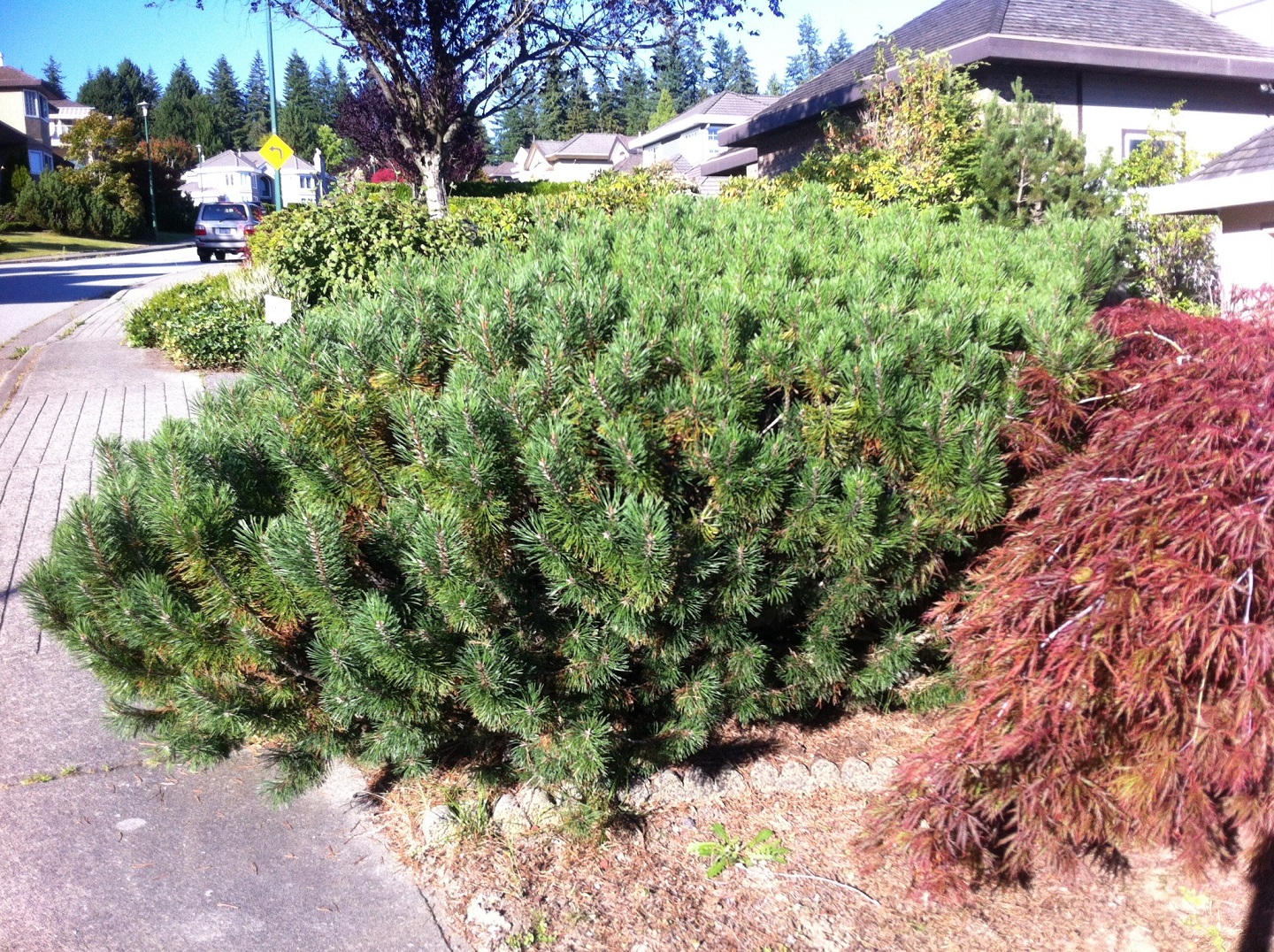
Pinus mugo half way across sidewalk: prune back


IMG_5541ed

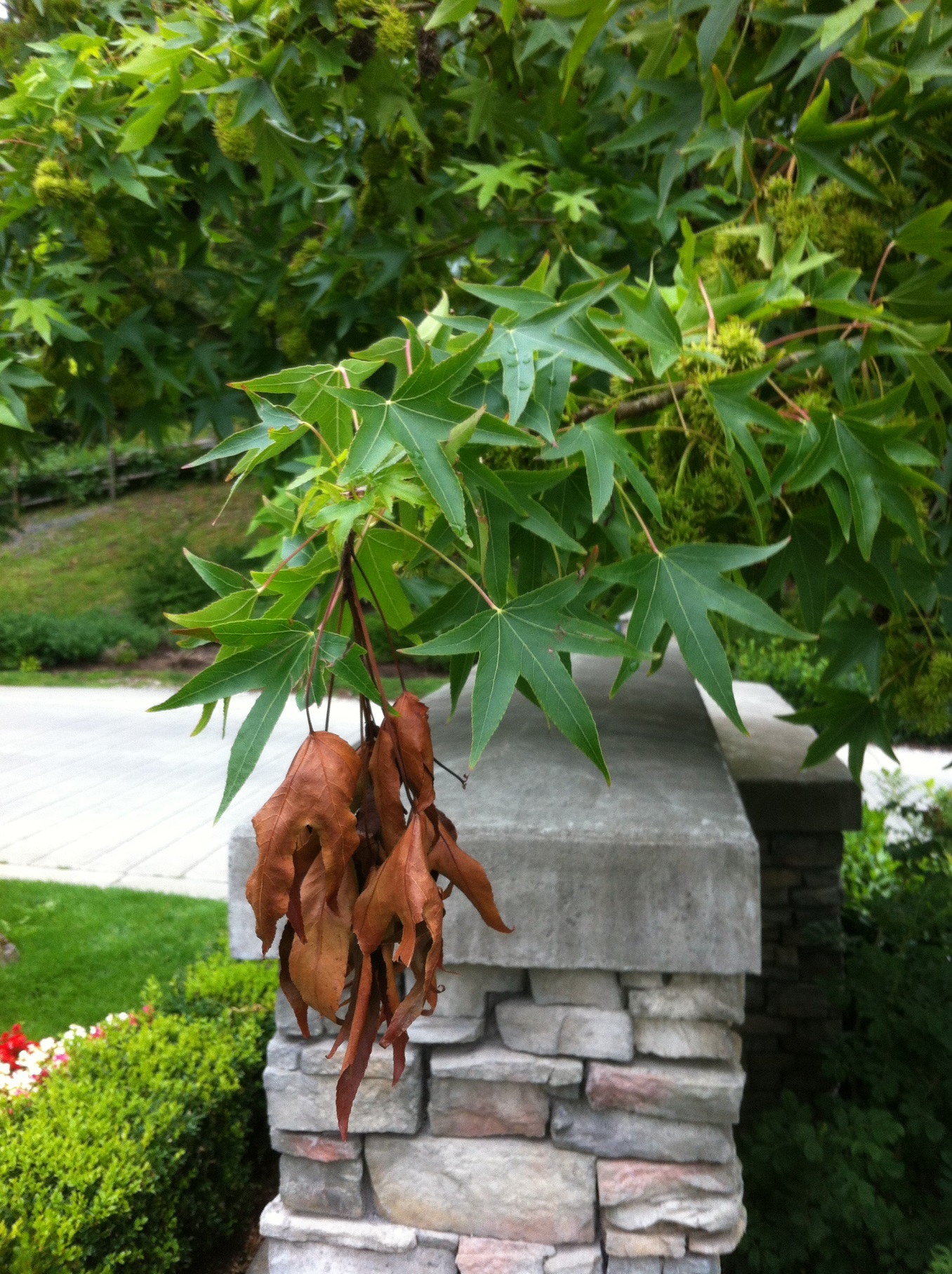
A broken branch on Liquidambar styraciflua in a high-profile location


IMG_5452ed

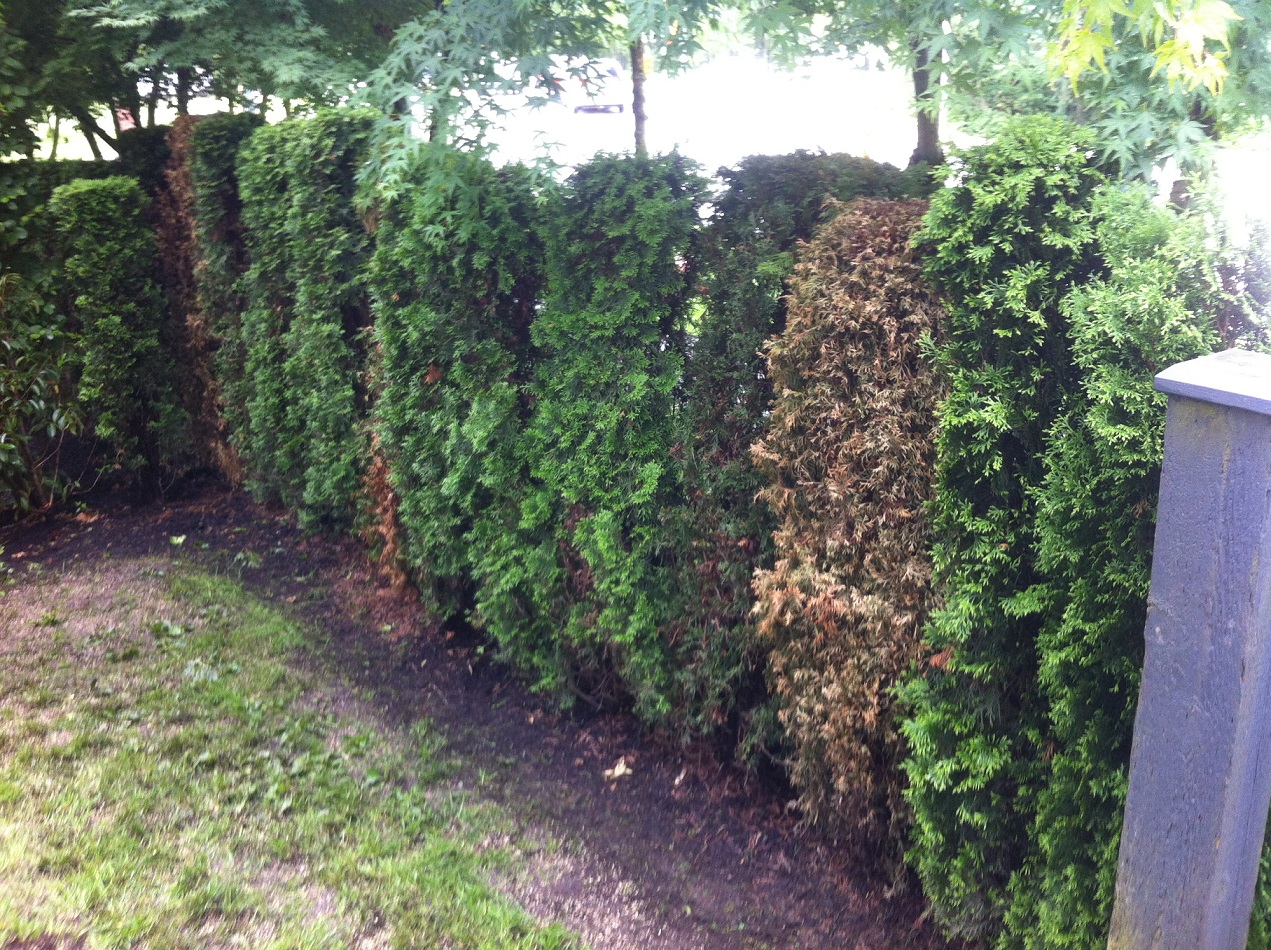
Dead cedars


IMG_5498ed

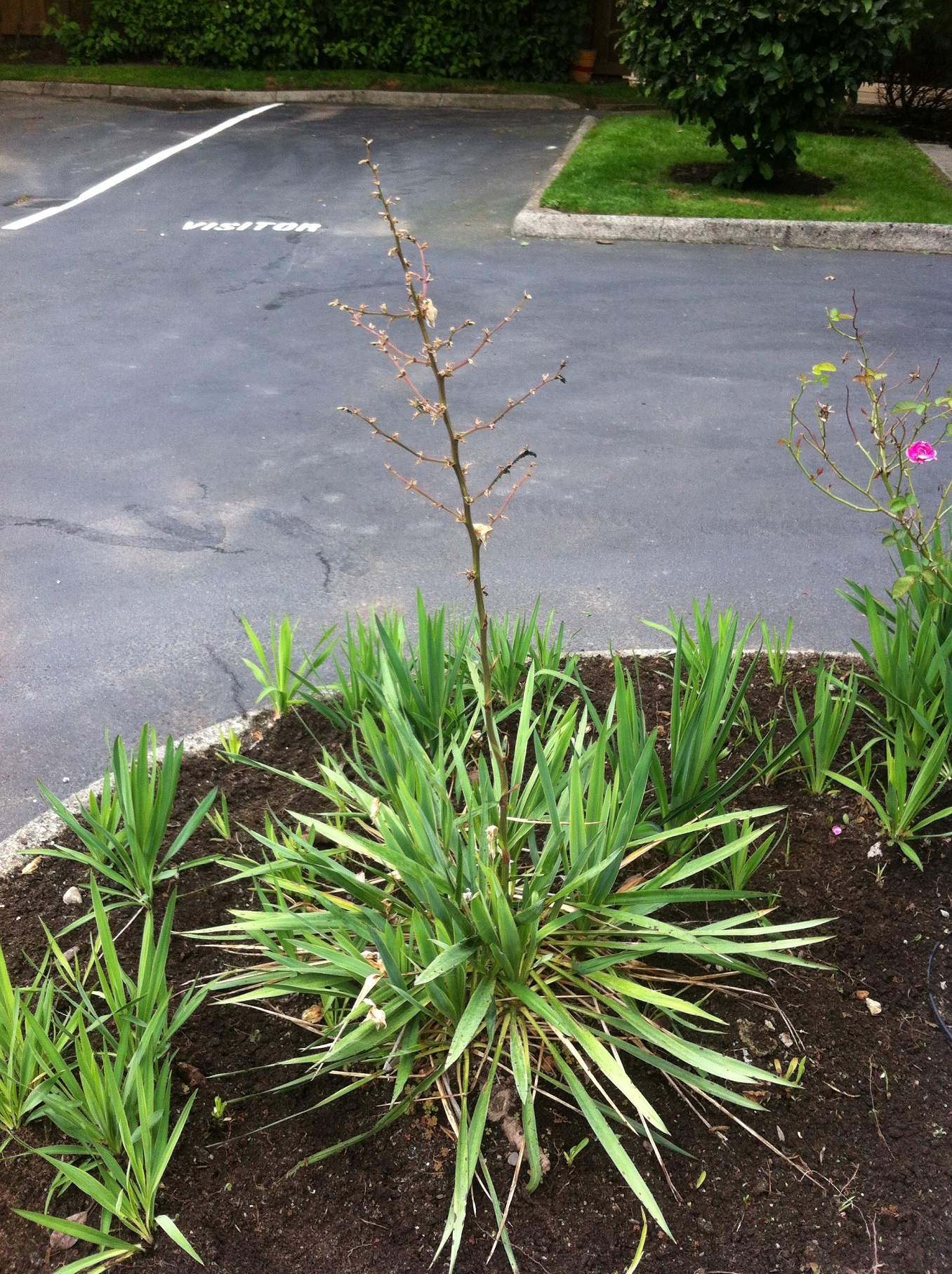
Yucca flower spike can be removed


IMG_1271

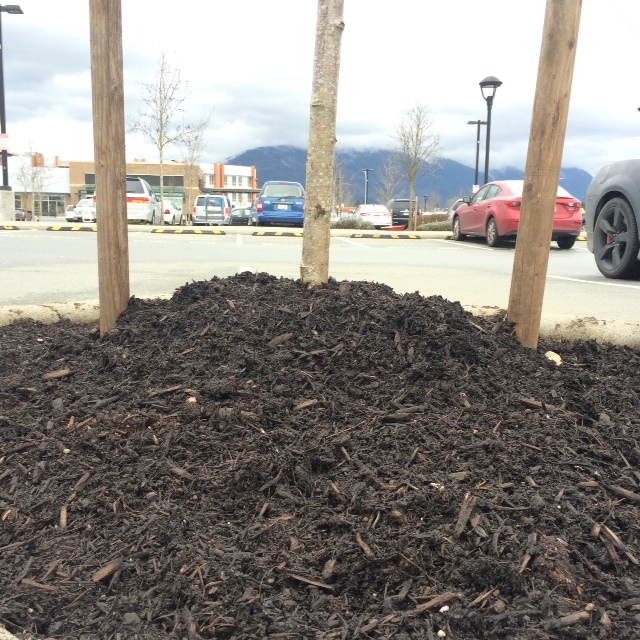
Mulch volcano: we can’t cover with mulch anything above the root flare or the tree suffers


IMG_5016edit

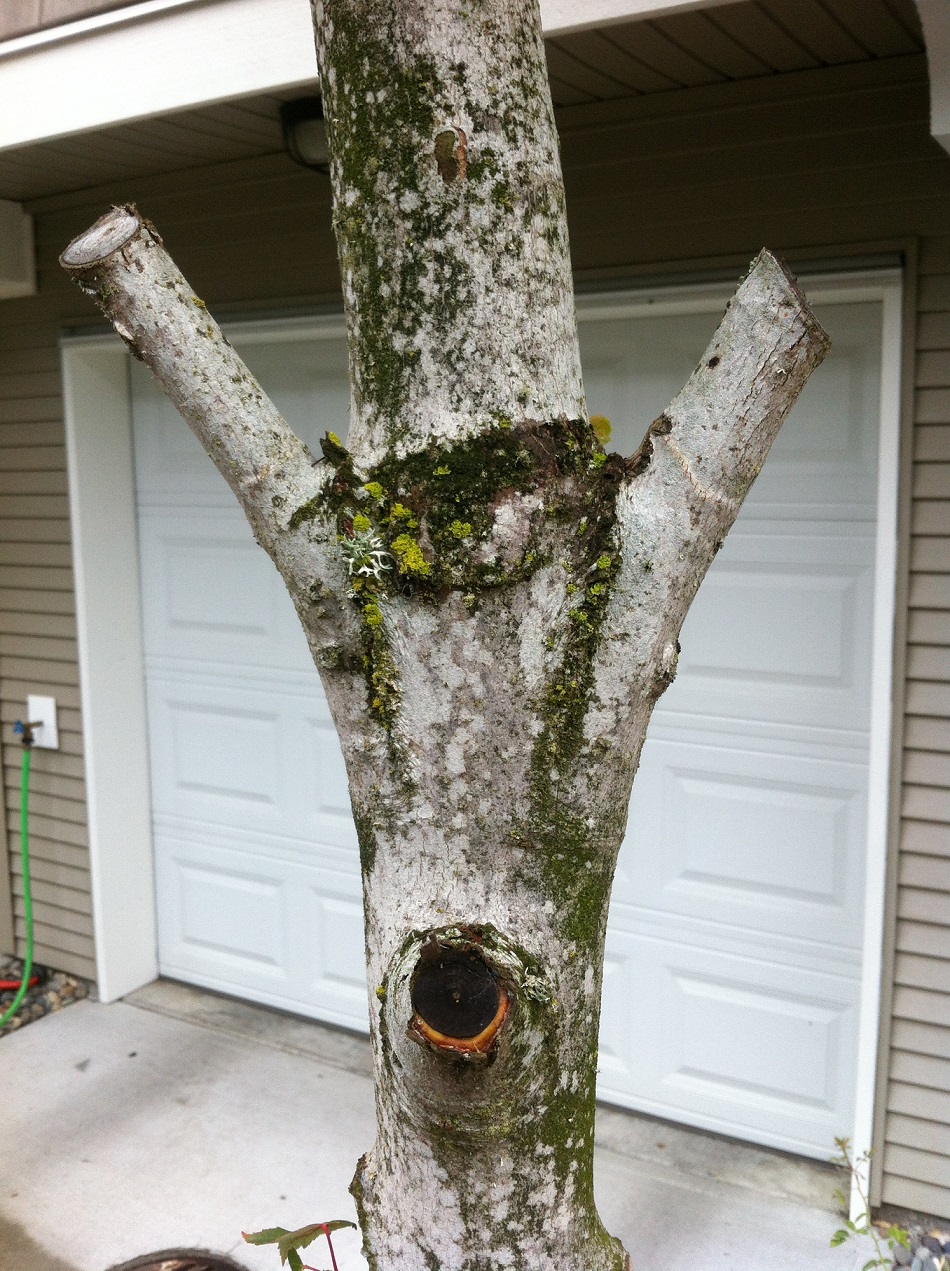
Very poor tree cuts: the cut below was correct


IMG_6374ed

Hardscape hazards


IMG_6742

Tree collisions: to stay on the curb, mowers collide with this tree weekly. Put up a tree guard and instruct workers to avoid all collisions. Repeated abuse kills trees.


IMG_6351edd

The deep edge is fine (90 degrees!) but we can’t leave the chunks. Very poor clean up.


IMG_6741ed

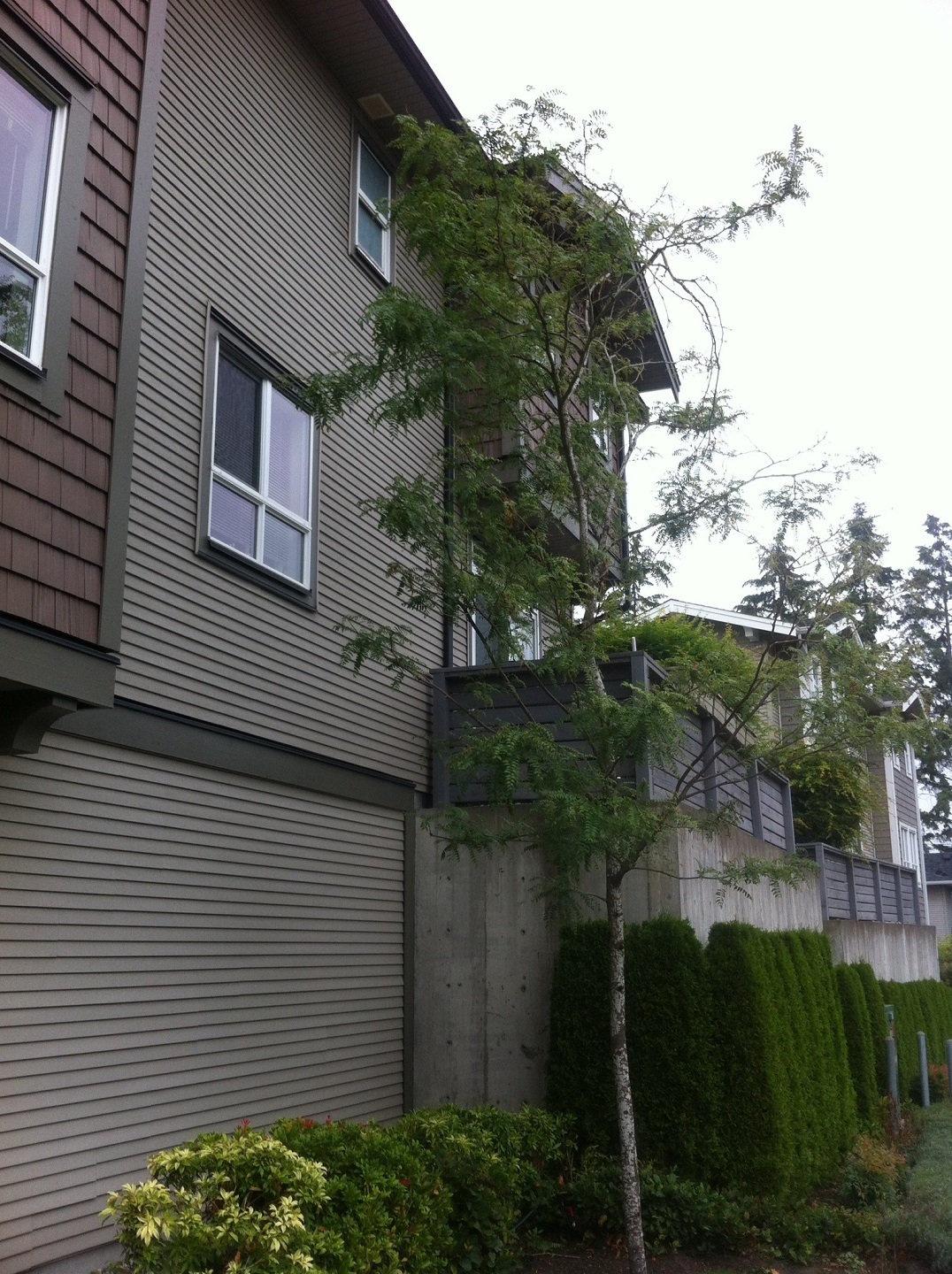
This is common: tree branches touch the building


IMG_3778

Remove low branches on trees; we can’t have branches develop this low


IMG_3781

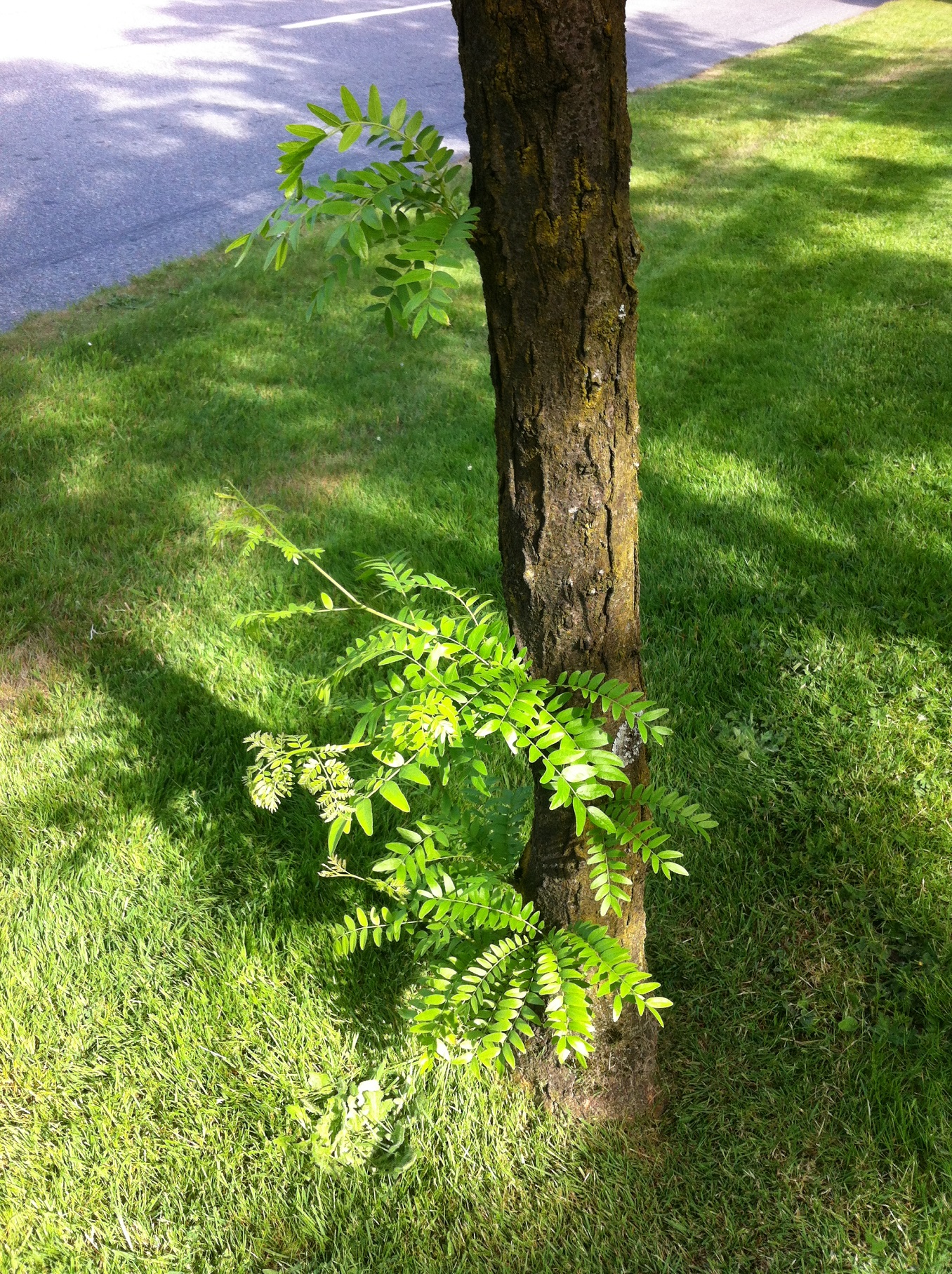
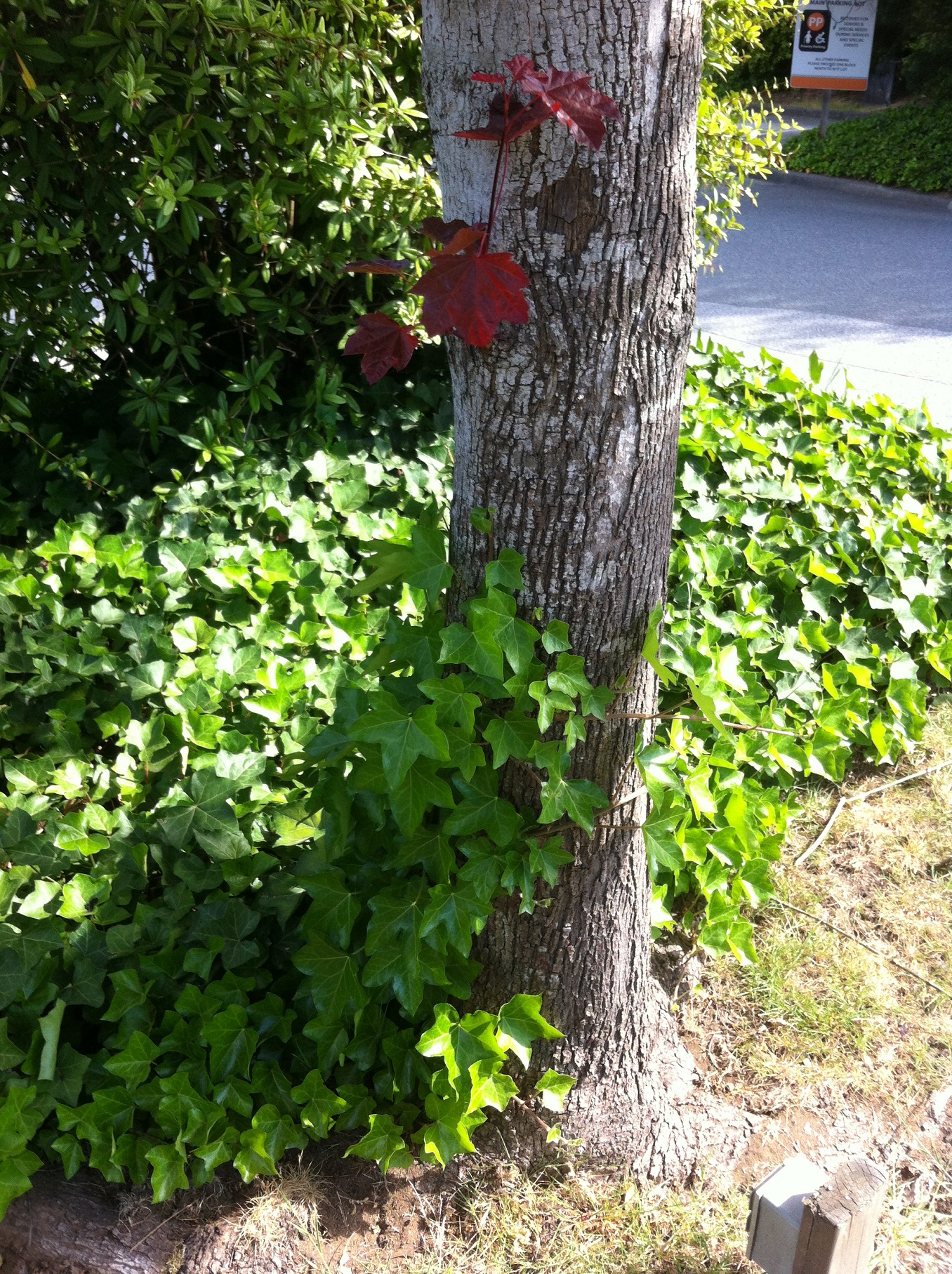
Remove suckers off tree trunk (above) and ivy (Hedera helix) below


As you move and work through your gardens and landscapes, pause to take a good look. Does it all makes sense? Is it all healthy and beautiful? Work on developing your landscape eye.

Viburnum tinus: problems and solutions

By | Landscaping, Species, Strata Maintenance | No Comments

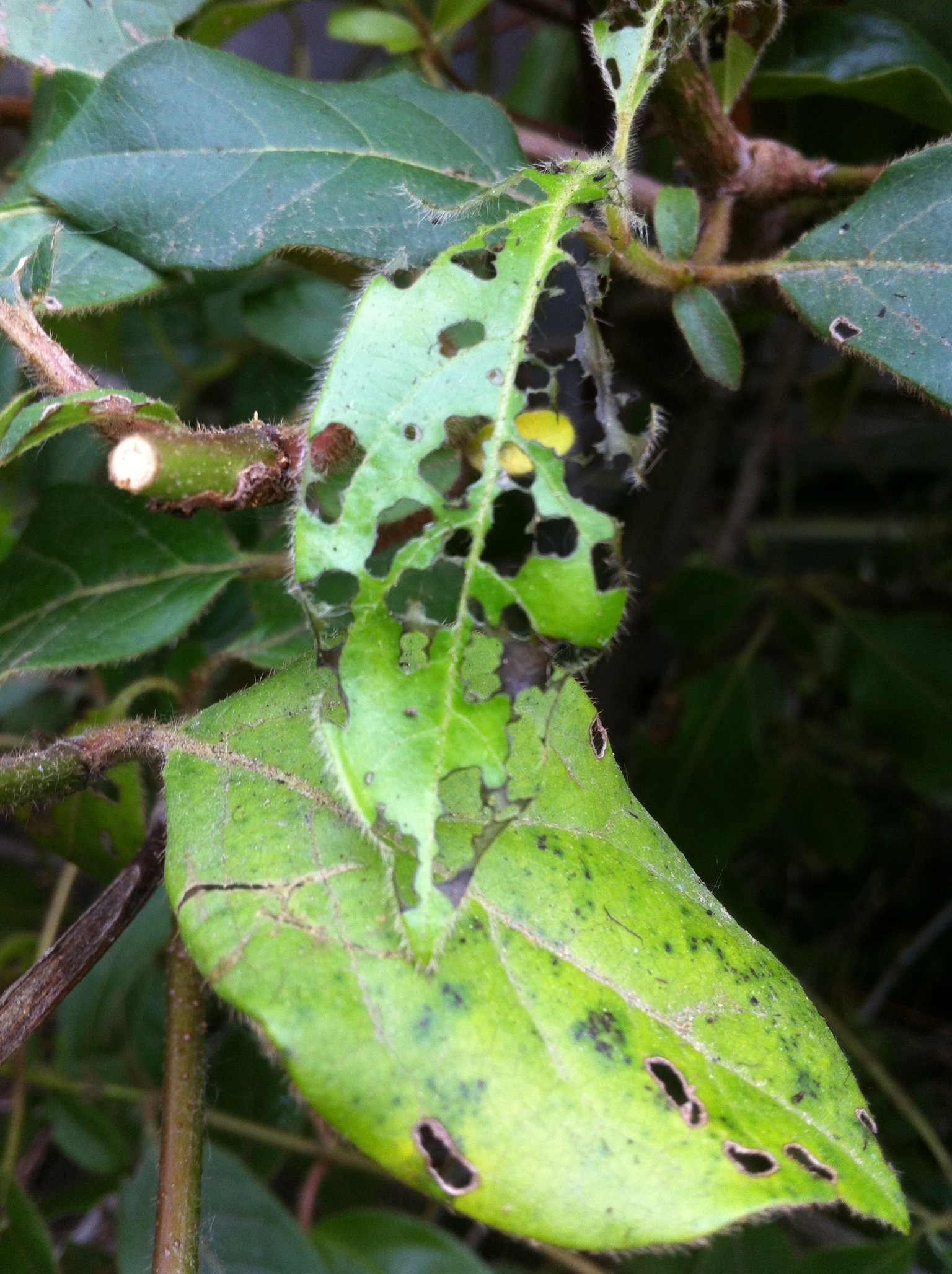
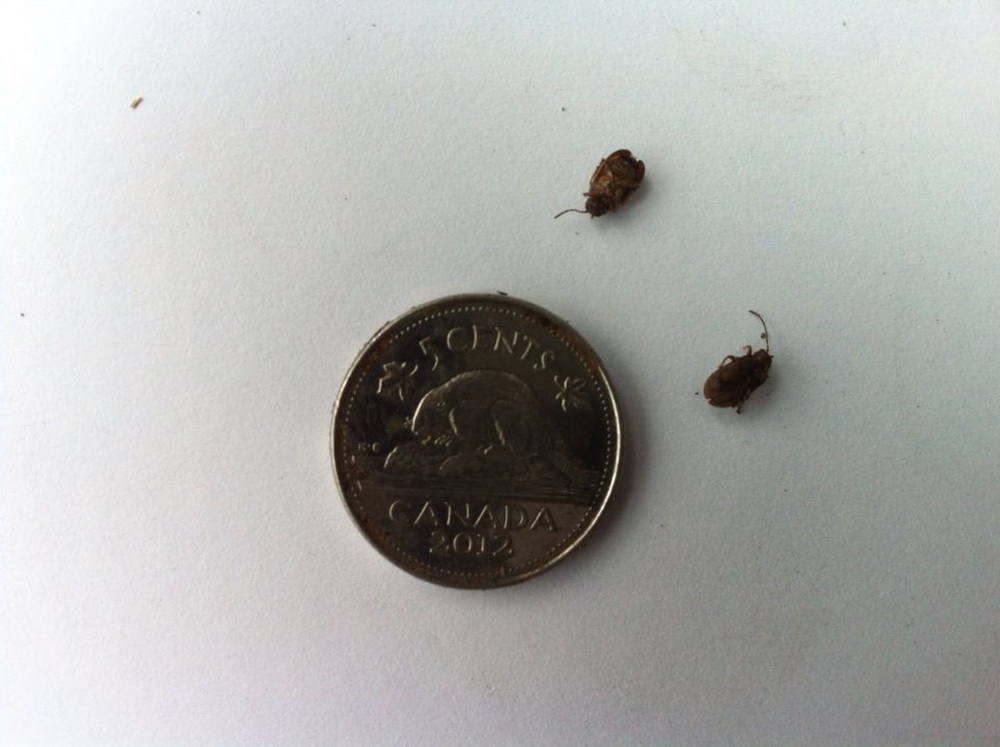
We briefly considered Viburnum tinus in an earlier blog. Now is a good time to re-visit the shrub. I was asked recently to plant 15 Euonymus alatus compacta plants for a strata council member. When I arrived at her unit, I realized we had pulled 15 Viburnum tinus specimens because they were full of holes. Holes which resulted from Pyrrhalta viburni beetles feeding on their leaves. Normally it’s a nice looking shrub with flowers and berries. Once the beetles attack, it’s over fairly quickly.

I remember once shearing a weak hedge of Viburnum tinus and getting covered in annoyed beetles. The adults are difficult to control. They can fly away or drop to the ground. In organic Port Moody, British Columbia, there weren’t any chemical controls for the larvae or adult beetles.


IMG_5381edit

Healthy Viburnum tinus


IMG_4796

Attacked by….. (Note skeletonized look)


27150_3268785734047_1261240559_n

….Pyrrhalta viburni; Adults and larva feed on the plant


When this happens you have two choices:

  1. flush cut the Viburnum and let it grow back
  2. replace it with another shrub

The strata council member opted for option number two. Since the site already sports many healthy specimens of Euonymus alatus compacta, the decision was easy; and budget allowed for it. The whole operation took me about an hour. ( The boss was working directly across the street at another site.)


IMG_4532edit

Replacements ready to go; Space out the pots properly before planting


IMG_4534edit

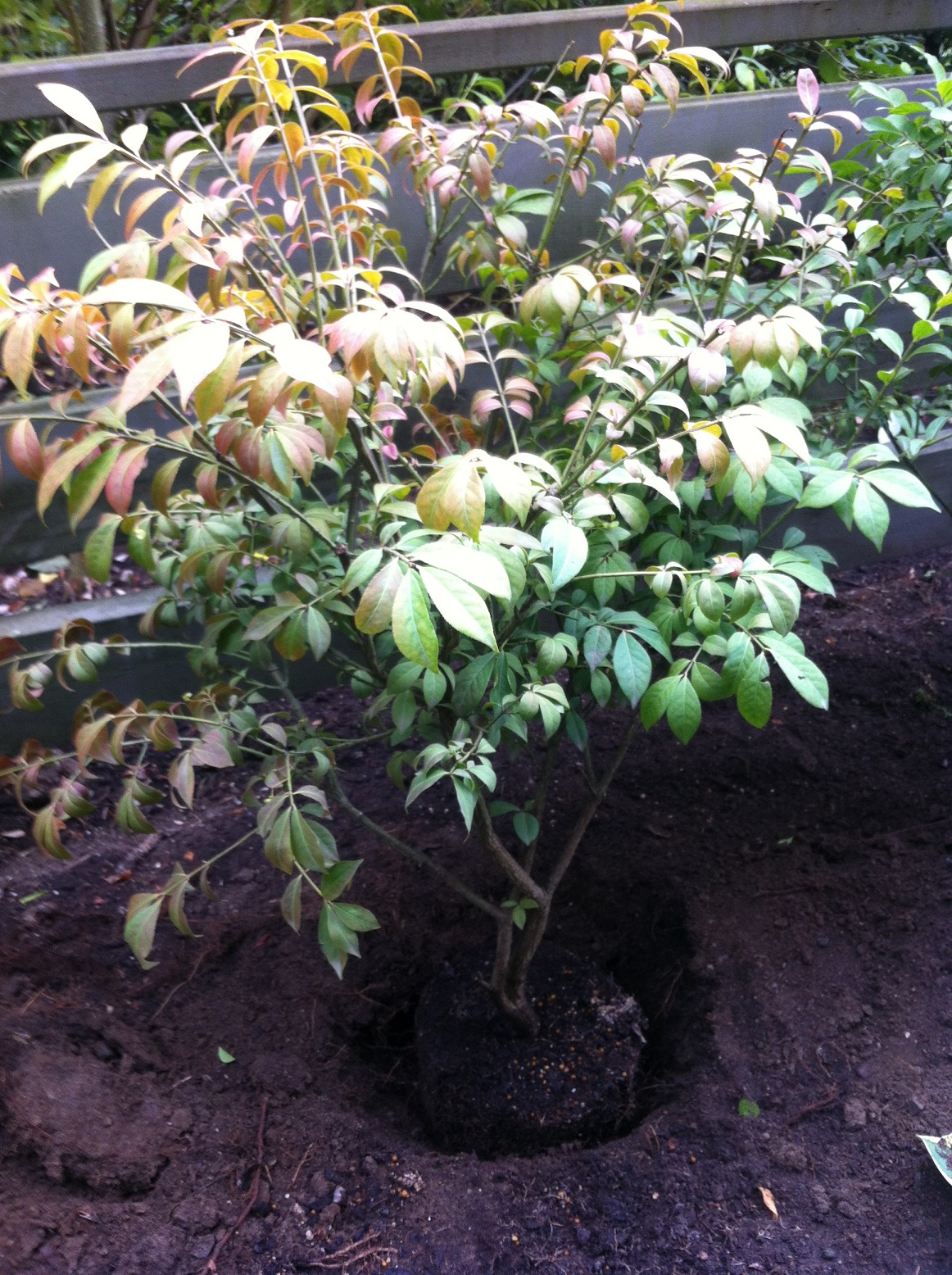
watch the planting hole depth


IMG_4537edit

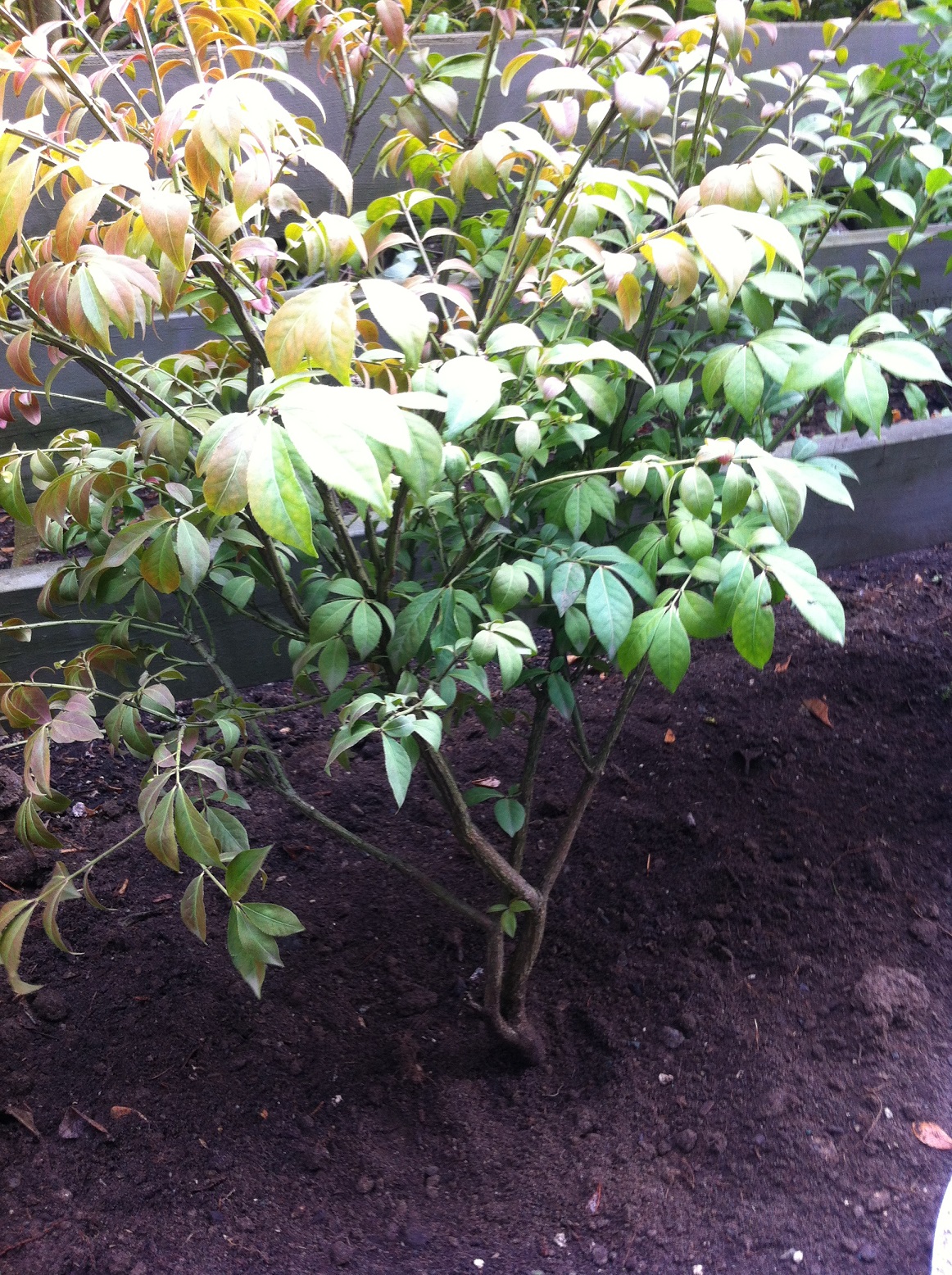
done, just add water


IMG_4538edit

All done! Plants are watered in and sidewalk is hosed off to avoid upsetting the owner


Instead of looking at stumps or worrying about chemical controls, consider replacement. It is a neater option. If your shrubs are suffering with skeletonized leaves, plant something new. Change is good! Edit your landscape and have some fun with it, if budget allows. It might be a minor blessing.

The Hidden Life of Trees

By | Arborist Insights, Education | No Comments

The Hidden Life of Trees .

German author Peter Wohlleben will appear at the Writer’s Fest in Vancouver this coming October. This sounds very interesting. The Writer’s Fest run from October 17-23. The book will be published in English this September! I can’t wait. Greystone Books.


The Hidden Life of Trees


Tuesday October 18, 2016 10-11:30 a.m. Waterfront Theatre.

Peter Wohlleben spent more than 20 years working for the forestry commission in Germany before leaving to put his ideas of ecology into practice. He now runs an environmentally-friendly woodland in Huemmel, Germany, and also teaches and writes about woodlands and nature conservancy. His latest book, and English-language debut, is the international bestseller The Hidden Life of Trees, a collection of fascinating stories, supported by the latest scientific research, that reveal the extraordinary world of forests and illustrate how trees communicate and care for each other.

peter-wohlleben.de

Peter Wohlleben’s appearance is made possible by the Goethe-Institut.
For tickets visit http://writersfest.bc.ca/2016/program-guide or call 604-681-6330

A love letter to my Honda mower

By | Company News, Landscape Industry, Landscaping, Landscaping Equipment | No Comments
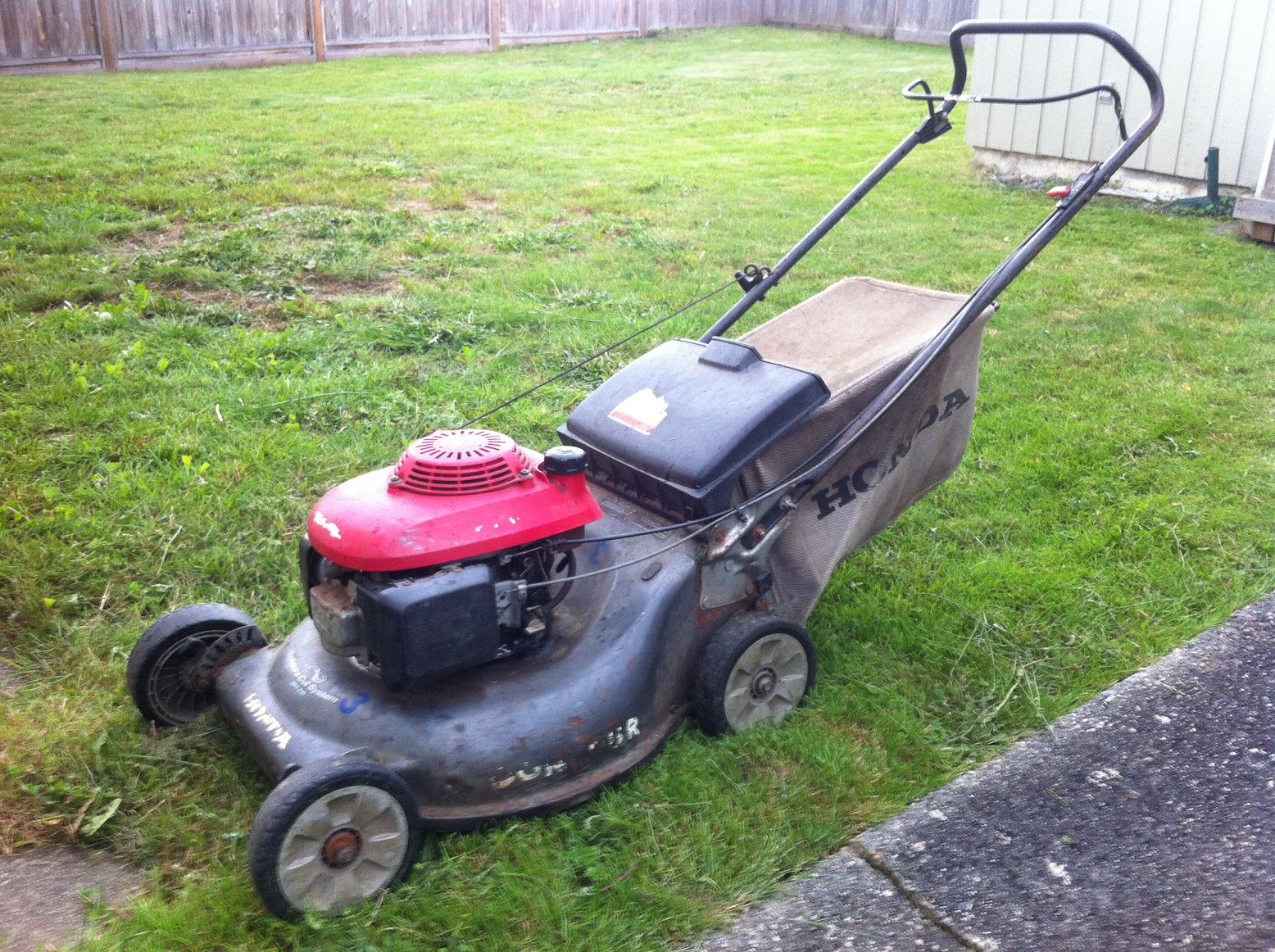
IMG_5665edit

My trusted friend, season after season….


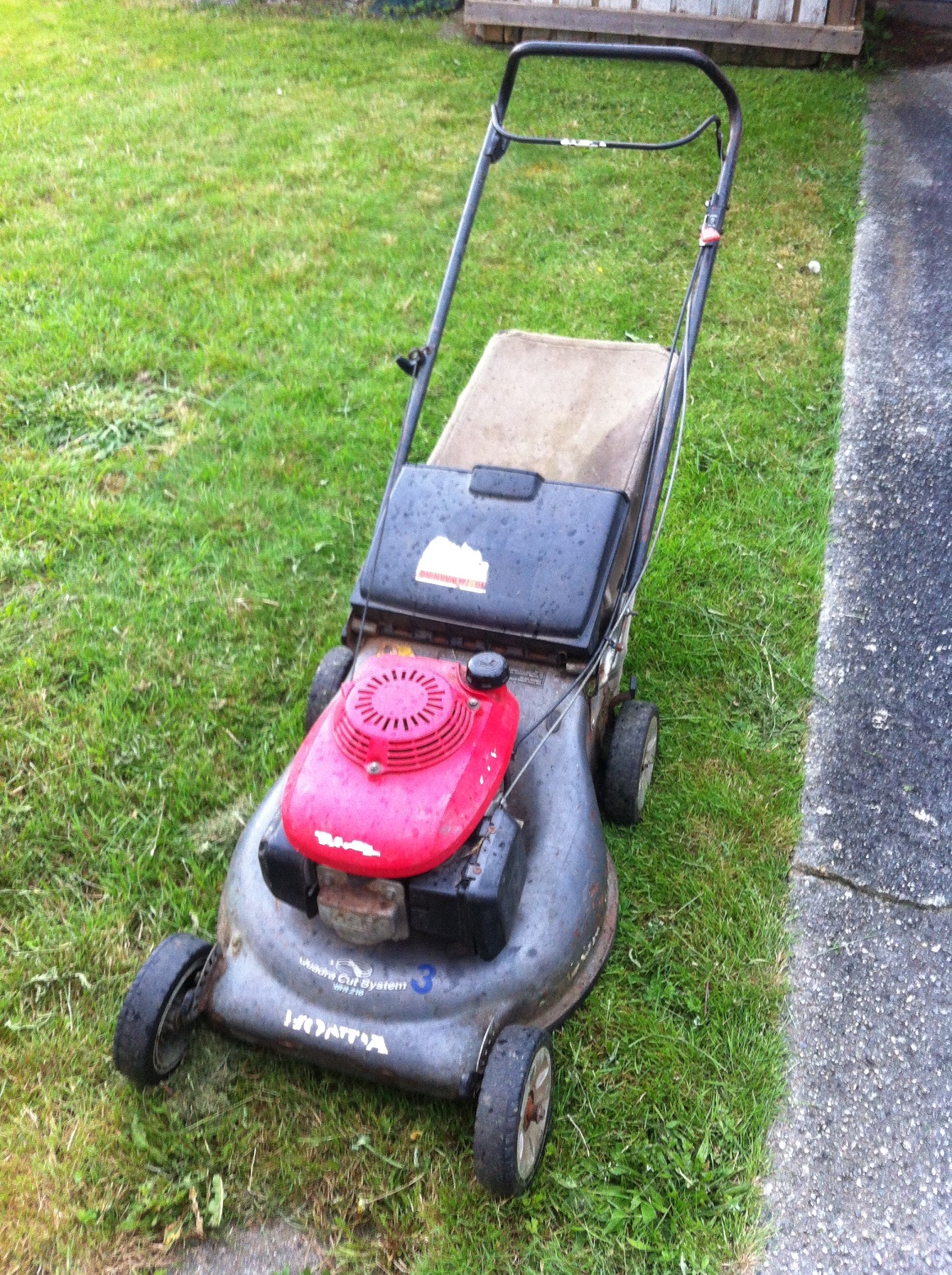
This Honda mower is incredible! It deserves its own blog post. Every spring it starts without fail. That first puff of exhaust signalling our reunion for yet another season. It always blows me away, considering how little maintenance I perform on it. It must be the combination of shed storage and mild West Coast winters.

When one of my former employers decided to change his entire mower fleet to Lawn boys, I scored this well-used mower for $120. It was well worth it. I use it bi-weekly during the season for side work. It’s a simple machine. It has a choke/speed lever and a pull cord. Dual blade system. No bells or whistles. My trusted friend. Bravo Honda.

Yes, it’s showing its age. The front wheels will have to get replaced; the bag has a slight tear, and one of the pins holding the bag in place tends to come off periodically. The deck below sports blemishes.

I change the air filter, add oil, and stock new pull cords.  Both blades get changed at least once a month. I have two sets. They have seen better days but they will do for now. Sharp blades are critical! Dull blades tear up grass blades. What we want is one clear cut. Always change your blades. Do it carefully by first unplugging your spark plug.

Eventually, I will upgrade to a newer model. I know it. But for now, we work together to satisfy clients and keep my kids fed. It’s a good partnership.

This Honda mower is incredibly reliable. You can not go wrong by purchasing a Honda mower. I would. I might.


IMG_5664edit

The blue number 3 is from my ex-employer’s system; trucks had 3 mowers and we had to keep track


(Disclaimer: I am not sponsored, paid or otherwise compensated by Honda. This blog post is my personal review and opinion.)


TreeFest 2016 in Coquitlam, BC

By | Education, Events | No Comments

TreeFest 2016 is a great family event. When I worked for the parks department at the City of Coquitlam, I got a chance to drive through the Riverview Hospital grounds briefly. I got to see the awesome trees that live on the grounds. Now, finally, it looks as though my Sunday September 11, 2016 will be free of any commitments and I will be able to attend one of the free tree walks. In the past there was always some interference in my schedule.

The tree tours start every hour from 11am until 3 pm. Usually they are led by local arborists. That should be fun. I can learn about trees and, as an arborist myself, enlarge my network. You should do the same this coming weekend. The tree tours promise to introduce you to significant and unusual trees. I can’t wait.

The TreeFest 2016 is a free event. There is also plenty of free parking on the grounds at 2601 Lougheed Highway, Coquitlam. There are plenty of other activities aside from the tree tours. Check out the event website for more details.

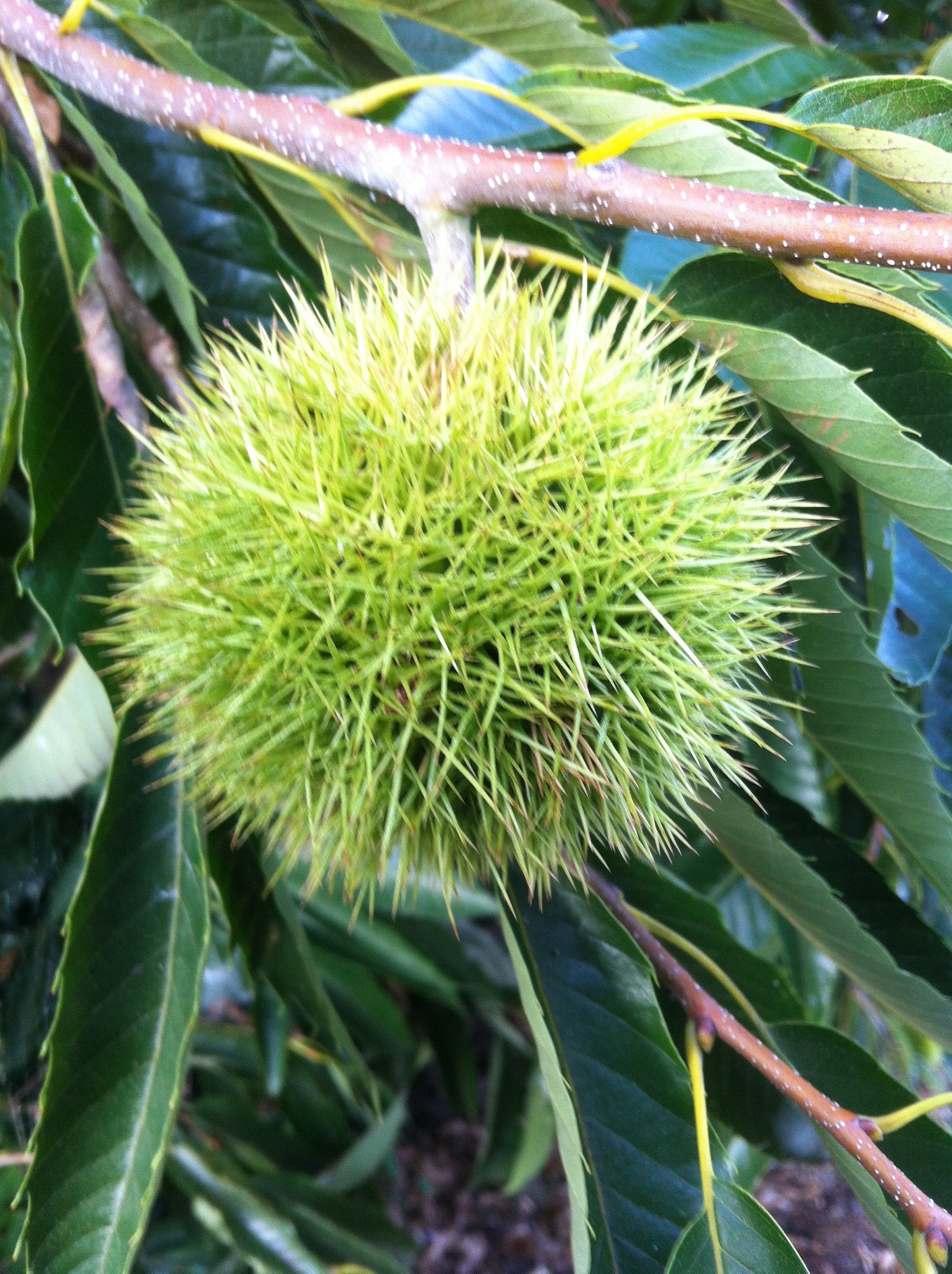
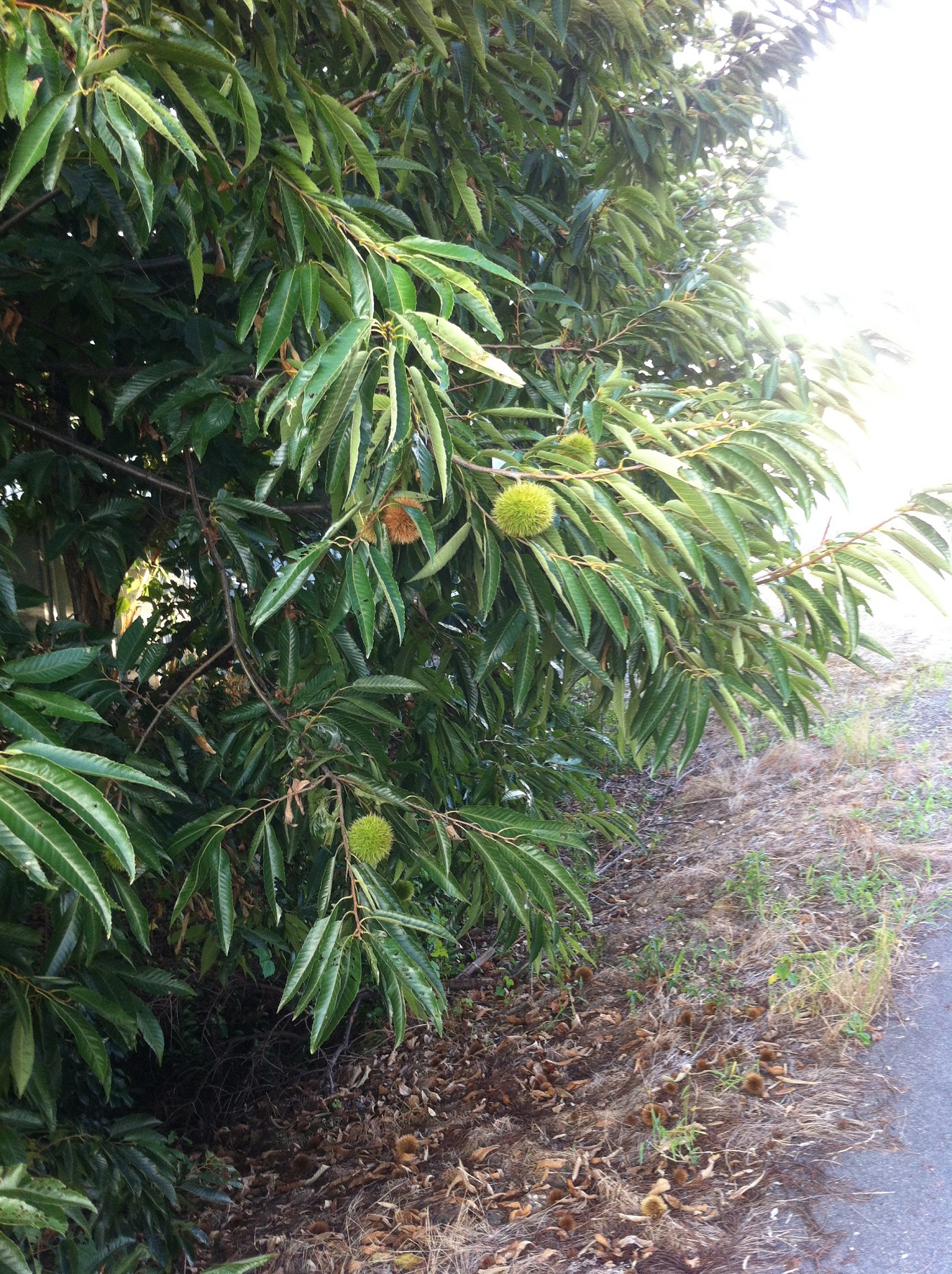
Speaking of significant and unusual trees, this is a good chance to mention my Japan 2016 trip from which I returned this week. I managed to run into many interesting trees on the West Coast of the big Honshu island. One I won’t soon forget is the Japanese chestnut Castanea crenata. It sports huge spiky cupules which develop from female flowers. Inside are 3-7 sweet, edible chestnuts. I love the way the cupules dominate the tree look. I became an instant fan.


IMG_8884IMG_8885

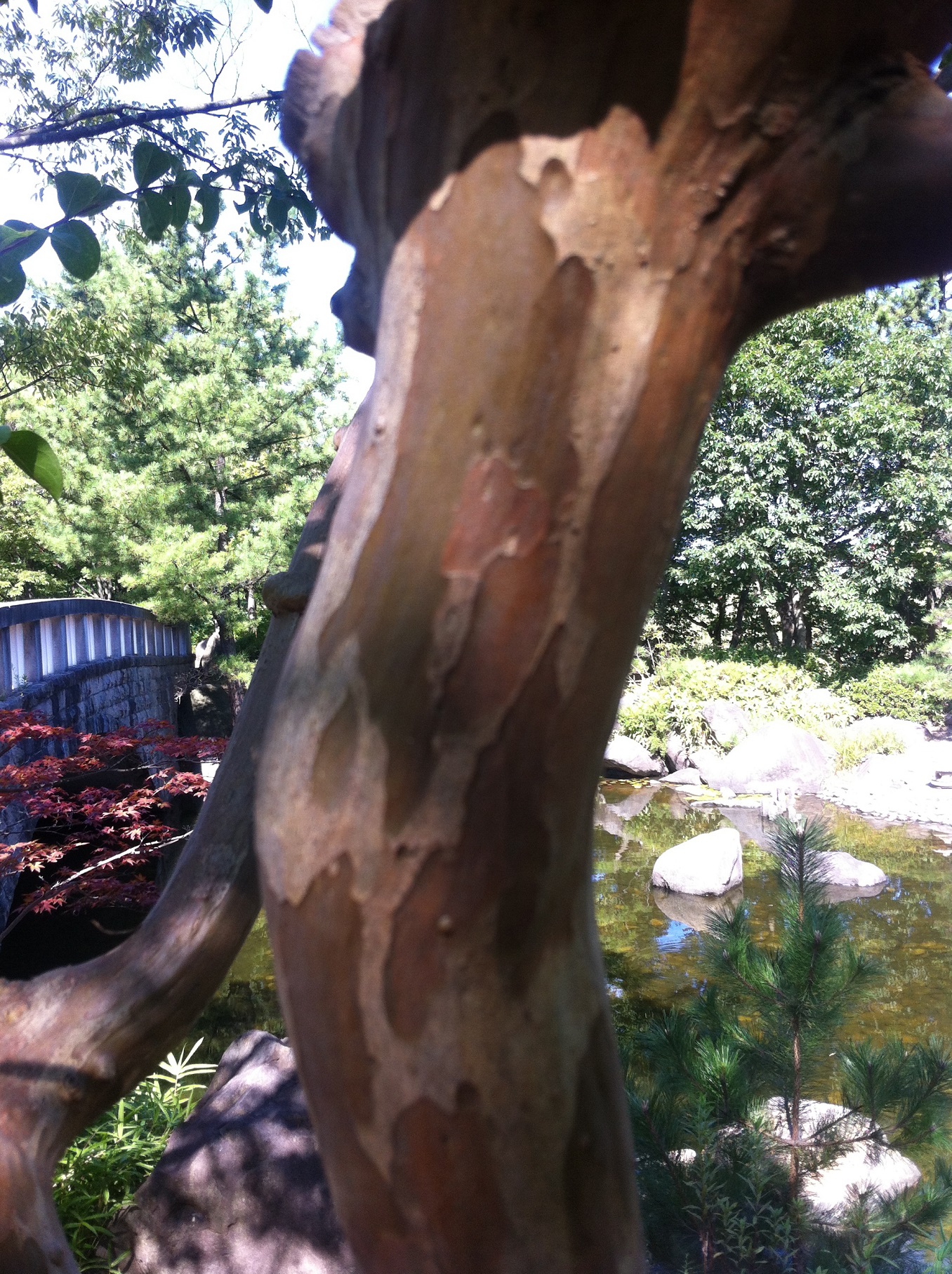
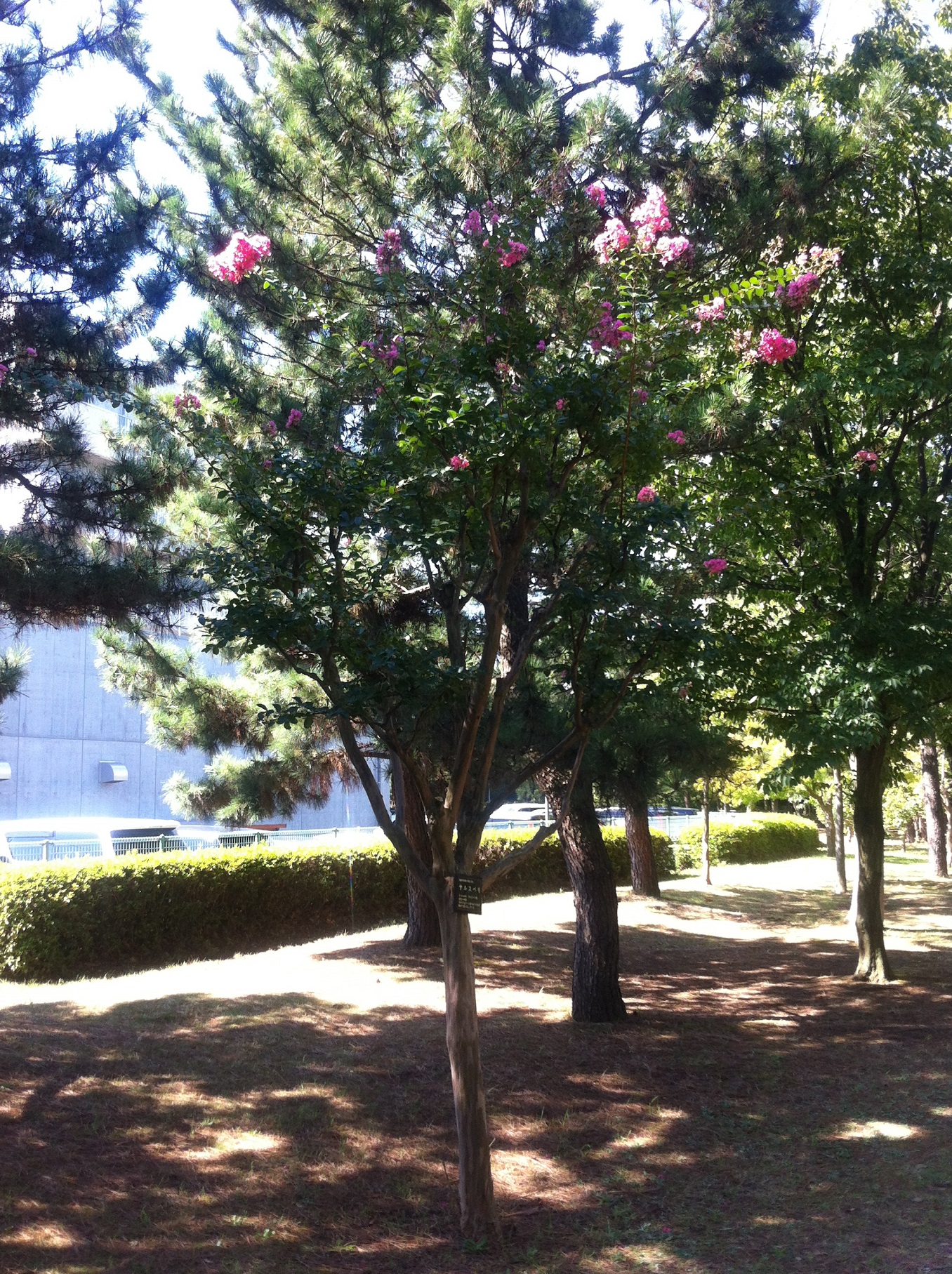
Another interesting specimen is Lagerstroemia indica. Normally, I avoid the hot humid Japan summers by travelling in spring. That means I miss the flowers of this tree. Not this year. I had to take my pictures in 35 degree heat and it was worth it. The tree shows up in public parks and private residences.

The bark is smooth which explains why the Japanese common name is saru suberidai, or monkey slide. See for yourself.


IMG_8601IMG_8555


Visit the TreeFest 2016 event in Coquitlam and make your own tree discoveries. See you there.


01 landscape trucks never die

By | Company News, Landscape Industry, Landscaping, Landscaping Equipment | No Comments

Landscape company owners seem to keep their original 01 trucks around forever. They should be retired but somehow there is always some use for them. I was thinking about this when I showed up for work on a recent Saturday at a company we won’t name. I knew this particular 01 beast was nasty. It couldn’t accelerate, nor climb any hills; and it either didn’t brake or the wheels locked. Shifting to 2 on a steep Burnaby uphill still only got you 35-40 km/h speeds and lots of angry motorists behind you. Luckily they were all obscured in clouds of diesel exhaust.

The boss informed me that he had driven it during the week and it was fine. “Just don’t follow anyone closely, drive slowly and pump the brakes before attempting to brake.” Great. Just what I wanted to hear. The truck needs to get serviced but who has the time during a busy week. Can the company even afford to take it out of circulation?

This just leads to stress. Stress I don’t need. Or want.

One night I had a dream. As I stood in the shop, this same boss handed me the keys to a never-used 2017 truck. I smiled. Then I woke up.

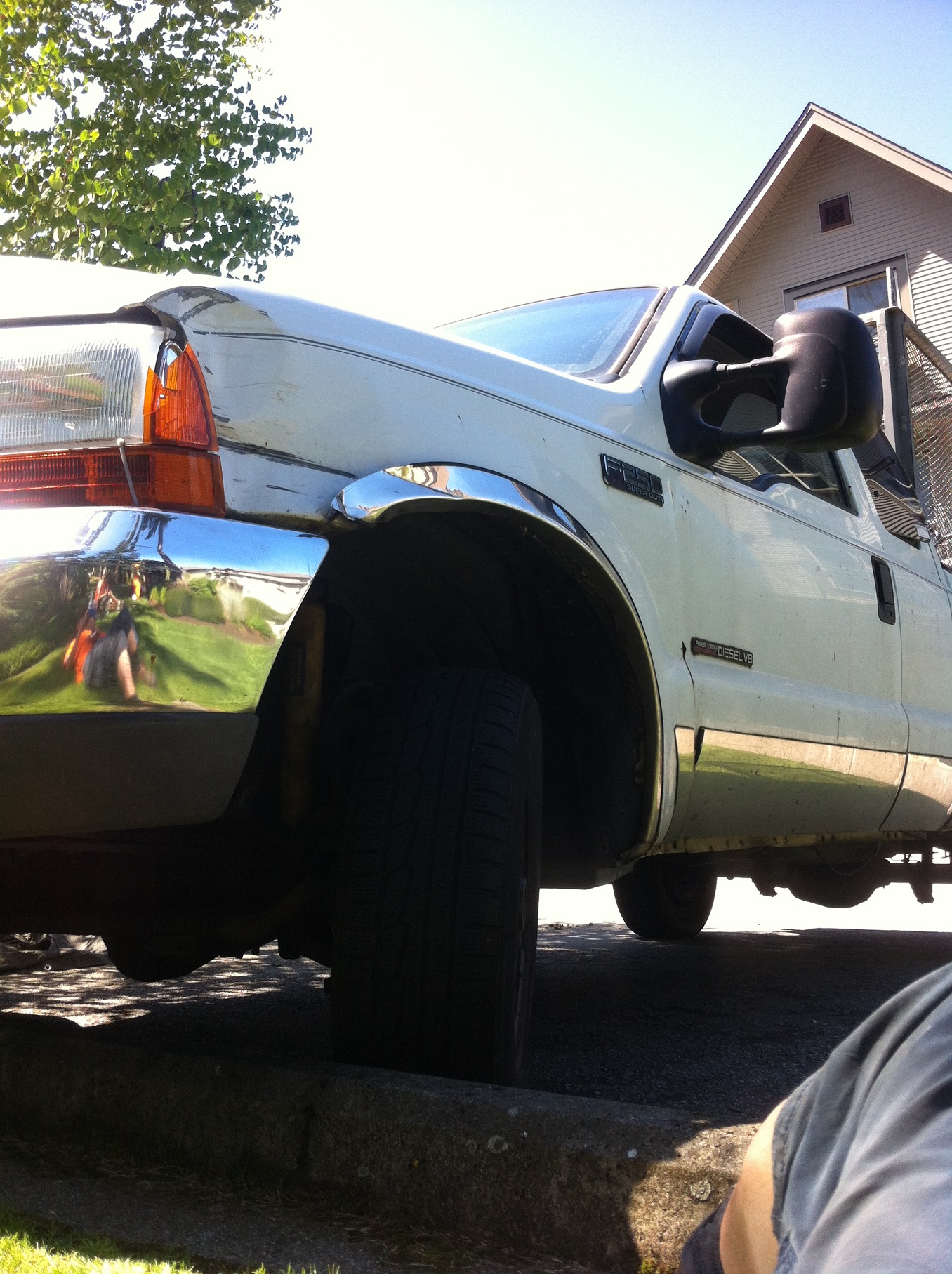
Sadly, I’ve experienced many other 01 trucks over the years. One pick-up truck has wobbly steering and door locks that don’t work. The tail gate no longer opens and it’s just as well. The pins holding the tail gate in place are bent so when it’s down, it slips out. Not fun.

Getting it stolen would be a welcome relief to its owner. But there is lots of nostalgia, too. This was the original 01 beast which started everything. It was there in the first trenches. Now it’s mainly used to shuttle mowers. And for how long?

Sometimes driving a 01 beast is a test. One former employer had a 01 pick-up with a heavy metal box on it. It required very frequent gas station visits. I think I wore out the metal strip on my Petro points card. This beast wouldn’t accelerate. I still remember gunning it at the bottom of the snake hill in Port Moody, afraid the truck would slow down to a crawl. When new employees survived their tests, they were in.

I have given up. Landscape workers must get used to having these original 01 antique trucks around. They will never die.


IMG_5628

This beast is a piece of work! A 01 truck all-star.


IMG_6007edit

How to easily score education credits (CEUs)

By | Education, Events, Landscape Industry, Resources | No Comments

Hunting for education credits (CEUs) is one of my favorite activities. The idea is to force you to upgrade your skills by continually learning through reading, attending seminars, symposiums and taking quizzes. ISA (International Society of Arboriculture) requires me to collect 30 CEUs in one three year re-certification period. The re-certification renews on the date of your certification. June in my case.

The Landscape Industry Certified program in North America requires 24 CEUs every two years. Certification expires on December 31, every two years. In Canada, the CNLA will send a friendly reminder. There is a form to fill out and mail back.

To re-certify:

a) will cost you money but it’s cash well-spent. If you ask your employer nicely, it won’t cost you anything. The cost of not re-certifying is much higher. Re-certify!

b) normally one hour spent in class or reading equals one credit. By completing my eleven hour audiobook “Lab girl”, I will be eligible to claim eleven hours; a one-page book report is required.

So what does a West Coast landscape pro do to stay certified and up-to-date? Take a look at the picture for clues.


IMG_6341edit


Arborist News

Arborist News magazine is published bi-monthly by the ISA and every issue has one CEU article for you to complete. You can fill in your answers and mail the form in or complete it online. The ISA will automatically add the credits to your file.

The magazine also advertises various books and manuals you can complete for CEUs. Get whatever interests you or where your knowledge is the weakest. There are tons of choices.

Can-West Hort Show

This is the premier horticulture show in British Columbia. I will attend the Urban Forester’s Symposium. Five hours of lectures equals five ISA CEUs. Lunch is included. ISA sign up form will be provided. Bring your certification number.

The CNLA will also credit me with five CEUs for this symposium. Then I have two more seminars on the following day. 1.5 hours x 2= 3 CEUs for a total of 8 towards my CLT.

The best part of this event is the plant ID contest booth. No CEUs are given here but you can win a prize and outscore your friends.

Also, it’s a great event for creating new contacts and maintaining existing ones. Some people I will only see once a year at this horticulture show!

Books

As mentioned above, the CNLA will credit you for every hour spent reading green industry related books. Trees: their natural history by Peter A. Thomas was the one tree book recommended by Dr. Hope Jahren in her book “Lab girl”.I can’t think of a better way to collect CEUs.

Collecting CEUs for re-certification is not a pain. It’s a fun investment of your time and money. Stay current in your field and deliver great value to your company and clients.