
All Posts By

Vas Sladek

Perfect lawn: “American Green” book review

By | Books, Landscape Industry, Landscaping, Lawn Care | No Comments

This is a true story about green lawns and how they came to dominate in the United States. Ted Steinberg’s “American Green: the obsessive quest for the perfect lawn” is an excellent book.


Steinberg is an environmental historian and it shows. Landscapers, gardeners, and people who love or hate lawns should definitely read it. As a landscape professional I found it fascinating on my second reading.

The book isn’t new. It was published in 2006. I read it and my copy ended up in storage until now. My second reading was better. I recommend buying the softcover edition for your own library.

Steinberg takes you from the Origins, through the Dark Side and into the Future. With global warming and severe droughts in California, the Future chapters would look different if the second edition were to be published now in 2016.

Some things haven’t changed. People still die in ride-on mower accidents and Latinos still dominate the workforce in places like California. The excerpts from Spanish Phrases for Landscaping Professionals alone are worth the book cost. For example, Nosostros no ofrecemos seguro de salud (we don’t offer health insurance.)

In the Origins you will meet the key characters that shaped the landscape industry and made the lawn a key feature. It really is a fascinating question: why should the lawn dominate so much? A huge industry developed around it as landscape turned into landscaping. A father and son would share the lawn care work around their home but eventually a new industry rose up to do the work for them. Fertilizer and pesticide use went up and soon a debate started. Lawn lovers versus detractors.


IMG_5644edit

This client loves his lawns….


The case for brown lawns now makes a lot of sense. With water restrictions in the US and Canada, it makes sense to let  lawns go dormant in summer. Unless you are rich and living in a place where brown can’t happen. But that will be the subject of a future blog post based on a recent Harper’s magazine story from California.

You can dive deep into this subject if you follow Steinberg’s notes. I looked up an interesting story from 1983. It was a case where a wife in Massachusetts wanted to surprise her husband with a beautiful lawn. She hired a company but managed to catch a worker urinating on her property. When she confronted him, he assaulted her, choked and strangled her and eventually crushed her skull with pieces from a retaining wall.

Defence lawyers argued that repeated exposure to chemicals made the 23 year old worker unable to decide between right and wrong. The jury disagreed. First degree murder charge carried an automatic life sentence for the recent college graduate. A sad and bizarre story.

If you work in the green industry, this is one must-read book. Likewise if you love or hate lawns. Five stars out of five.


IMG_5413edit

Vas now understands how landscape turned into landscaping

A note on landscape bathroom breaks

By | Lawn Care | No Comments

Landscape bathroom breaks

At first glance, this may seem like an off-putting blog post topic. You’re right. But read on because it gets better. Landscapers spend long seasons in the field dealing with rain, extreme heat, machine noise, and sometimes unkind clients and harsh bosses. Lack of proper bathrooms on work sites is the final indignity.

If you’re lucky, your strata complex has a fob key and you have access to proper bathrooms. This is especially important for female workers. Driving off-site to use proper bathrooms is an unfortunate loss of time. Guys have it easier. Sometimes you can find a pee break site with benefits. In one case, it was ready access to ripe native salmonberries (Rubus spectabilis).


13226769_10201677619217806_6524145139578610020_n

One of the best pee break spots with ripe salmon berries


David Garabedian


Now consider the bizarre March 29, 1983 case of Dave Garabedian, a 23-year-old lawn care worker. Dave was a recent college graduate and worked for the Old Fox Lawn Company in Chelmsford, MA, USA. One day he URINATED on his client’s lawn. The client, 34-year-old Eileen Muldoon confronted Dave about his indiscretion. An argument ensued and it turned into assault as Dave used his hand to choke and strangle the woman. He then removed a drawstring from his uniform and strangled the woman a second time. Skull-crushing rocks followed at the end, taken from a retaining wall.

The prosecution said “it began with an argument, it escalated into an assault and it ended with an execution.” And what about the defense? The defense built a case around the chemical dursban. It argued that Dave’s repeated exposure to dursban in the two weeks prior to the incident made him unable to distinguish between right or wrong. The six man jury deliberated and disagreed. First-degree murder convictions in Massachusetts carry automatic life sentences.

All the woman wanted was to give her husband a gift of a beautiful lawn. Sad. And bizarre.


Sources: UPI.com archives; “American Green: the obsessive quest for the perfect lawn” by Ted Steinberg


Vancouver Tree Book

By | Arborist Insights, Books, Reviews | No Comments

Vancouver Tree Book by David Tracey is now available in bookstores. Normally I would wait for Amazon to ship the book but I didn’t want to wait. Not for a new tree book. I picked it up from Chapter’s for $21, tax included. Not bad.

It’s pocket-sized and features 100 trees. It will easily slip into your backpack. One nice touch is that we are given actual City of Vancouver spots where the trees can be seen. There is also a list of 10 treasured trees in the city.

The illustrations are very nice. Since this is a pocket guide, only basic information is presented. After scanning the guide, it’s clear I still have some work left to do on my tree identification skills. Not to worry. I will get there. I’m an arborist just like Tracey.

Having discovered Acer campestre in Langley and nowhere else, I was relieved to find out that there are plenty of specimens in Vancouver. My favorite tree, Albizia julibrissin is also in the guide, which means the guide automatically gets a passing grade.

The guide makes references to an earlier book on Vancouver Trees. Trees of Vancouver by Gerald B. Straley we learn is now out of print (I have a copy!) . Sadly, the author has passed away. That makes my copy that much more precious.

Unlike Tracey’s pocket guide, this is a bigger book that covers over 470 trees and includes leaf drawings. In the middle are 86 beautiful color photographs. Location information is also given which makes it easy for you to locate your favorite species. Tracey obviously copied this handy approach.


IMG_7013

New and pocket-sized, 100 trees


IMG_7011

Information on 470 trees, now out of print

Summary

This is a handy guide for all green professionals. It’s well worth $21. I will now go through it and scan it for the species I don’t yet know well. I hope you do the same.


Crazy about gardening: Des Kennedy

By | Books, Company News, gardening, Reviews | No Comments

Crazy about gardening

Sometimes you get lucky. Sometimes. Walking back to my car after returning bottles for deposit, I noticed a used bookshop sign. Closing, Final day, 70% off all used books. Aha. A very pleasant detour on my way to discovering Des Kennedy.

Half an hour later I walked out with the BC garden writer’s book. At $1.30 it was a steal. Kennedy is an award-winning writer and it shows. “Crazy about gardening” is a funny book. It’s subtitled “Reflections on the sweet seductions of a garden“. So we know this isn’t a technical manual. The lessons are subtle, mixed in with jokes and stories. If you let him, Kennedy has plenty to teach you.

There were also many spots where I almost reached for my dictionary. I also enjoyed the odd poem:

Life’s a short summer, man a flower.

He dies-alas! how soon he dies.

Obviously, just like stand-up comedy, your enjoyment is directly related to your age and experience. If you are an experienced gardener, you will definitely be entertained. If you are new to gardening, read and learn. Your vocabulary will also improve.

Some highlights

Kennedy hires a water diviner to find water on his property. A water witch. I find this fascinating because my own grandfather did this with outrageous accuracy just outside Prague. As a little city kid, visiting the country, I found it amazing. Grandpa would pick a branch, slice one end in half, grab one end with each hand and walk. Once he hit water, the top uncut end of the branch would dip down towards the ground. Success. Grandpa also made money by digging wells. The hard way.

Dog days droop. Kennedy makes fun of the late summer period when what was beautiful is all of a sudden dreary and desiccated. Pests multiply. April energy is long gone. The gardener temporarily loses grip.

Lawns. We know they use water, fertilizers, herbicides, and require time and effort to maintain. It’s a bizarre fetish. Once the lawn is nicely cut Kennedy admits to feeling a “bizarre little thrill of satisfaction, of emotional well-being.” I concur. There is something to this.

At $1.30 this book was a steal. Des Kennedy is worth whatever Amazon charges for his books. Give him a try.

 

IMG_7010


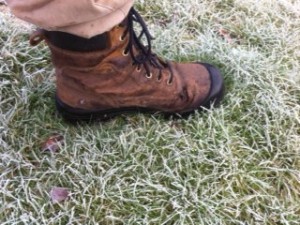
Crushing frosty lawns!

By | Landscaping, Lawn Care, Strata Maintenance | No Comments

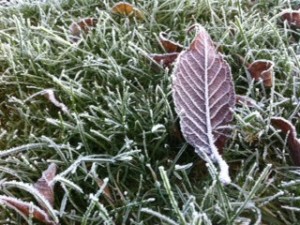
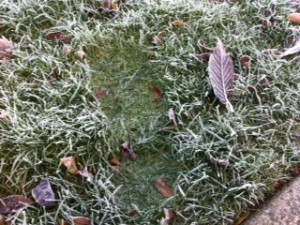
In November 2015, as I arrived at a small Burnaby commercial site on a cool Saturday morning, my task was very simple. All I had to do was collect leaves from the base of a cherry tree. But, the lawn was very frosty and I had to be at another site in a few hours.

As I took my first step onto the frosty lawn, I recalled an article from the New York Times I had read several years ago. Let us see what is happening under my big foot.


photo

Big frosty steps


During the growing season as we walk on our properly maintained lush green lawns the individual grass plants are in active growth. The cells that make up their leaves are full of water, food and gases that help them hold their shape and bounce back when stepped on.

When the grass is dormant, the intricate  biological processes that happen in the leaf slow to a near stand still. As temperatures dip in winter, the nights are cold enough to begin to freeze the soil below. Now as you walk over the frosty lawn the ground below has little give because it is frozen and the cells in the dormant leaves can not rebound. This is the key point: The grass plant can get crushed under your foot. It is best to limit traffic until a blanket of snow provides cushioning. Aside from cushioning, plants also use snow as insulation, moderating temperatures around their buds and shoots when the temperatures drop.

Hoping that any damage to the lawn was minimal or better yet, imagined, I quickly collected my leaves from the site into a tarp and left. Still feeling a bit guilty. The winter rains would come soon enough. Snow, as good as it is for plant insulation, is bad for business.


photo 1

It is best to stay off frosty lawns


photo 3

Guilty steps!


Sales and 10x life: Meet Grant Cardone

By | Landscaping, Tips | No Comments

Like most landscape professionals, I have a few private clients. Just as I finished my lawn care duties on my bi-weekly run on the Westwood Plateau, I noticed the house next door was for sale. Open house scheduled for Saturday and Sunday. The landscaping looked awful. The owners had clearly moved out.

This is where Grant Cardone comes in. He is a millionaire sales professional, speaker, author and real estate investor in the USA. I have several of his books on audio. I took away two key ideas from his writings.

A) We are all selling

You may not be in sales but it’s guaranteed you are selling daily. If not goods, then ideas and projects to your partner, family, friends, co-workers, etc. I had always considered sales people to be high-pressure hustlers. A bit sleazy. Some are. But I’ve changed. I’m selling my services and ideas all the time.

B) 10x your life

The second powerful idea is to 10x your life. Whatever you are doing, do it ten times better. For example, my side-hustle landscaping income. My study of the landscaping industry.

Back to Westwood Plateau. The home for sale clearly needed some attention. List price: $1.12 million. So I called the selling realtor. A rare cold call for me! She agreed that the landscaping could use attention. Could I cut it on Friday? Of course. She cut me a cheque and left it on the front porch. Done deal. Double what the lady next door pays me!

I cut and edged the front lawns. Blade edging clearly had not been done for months so I re-established all hard edges. Courtesy blow closed out the session. Then the buying agent showed up. His Porsche driving clients wondered if I came with the house. Very funny.


photo

Grass cut, edges re-established, crack weeds buzzed down.


Action steps

Get to know Grant Cardone and improve your sales. Take your life and 10x everything. See what happens.

If you see me hustling on the Westwood Plateau, say Hi.


Abiotic tree injuries: girdling

By | Arborist Insights, Landscaping, Strata Maintenance, Tips | No Comments

Tree girdling

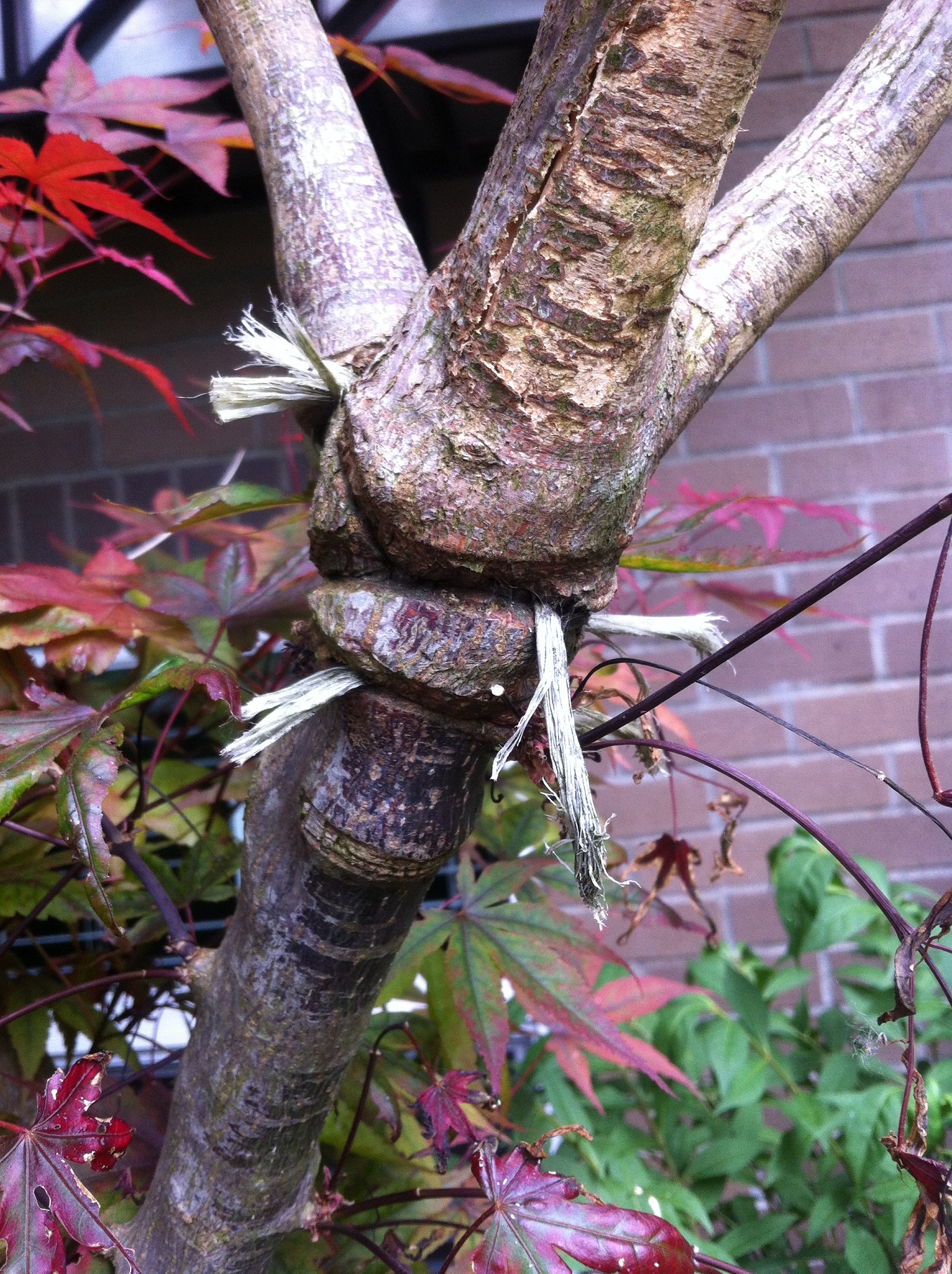
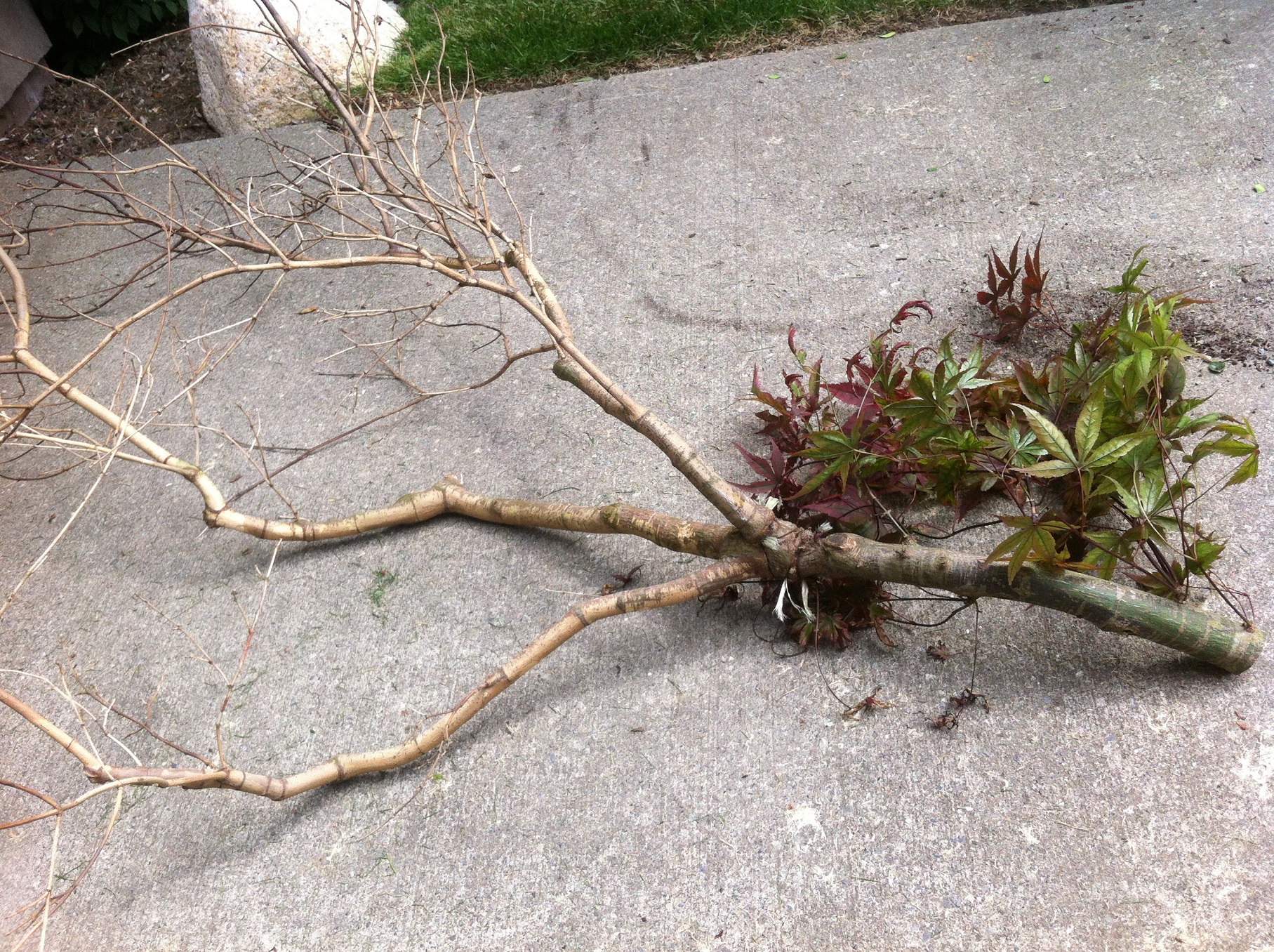
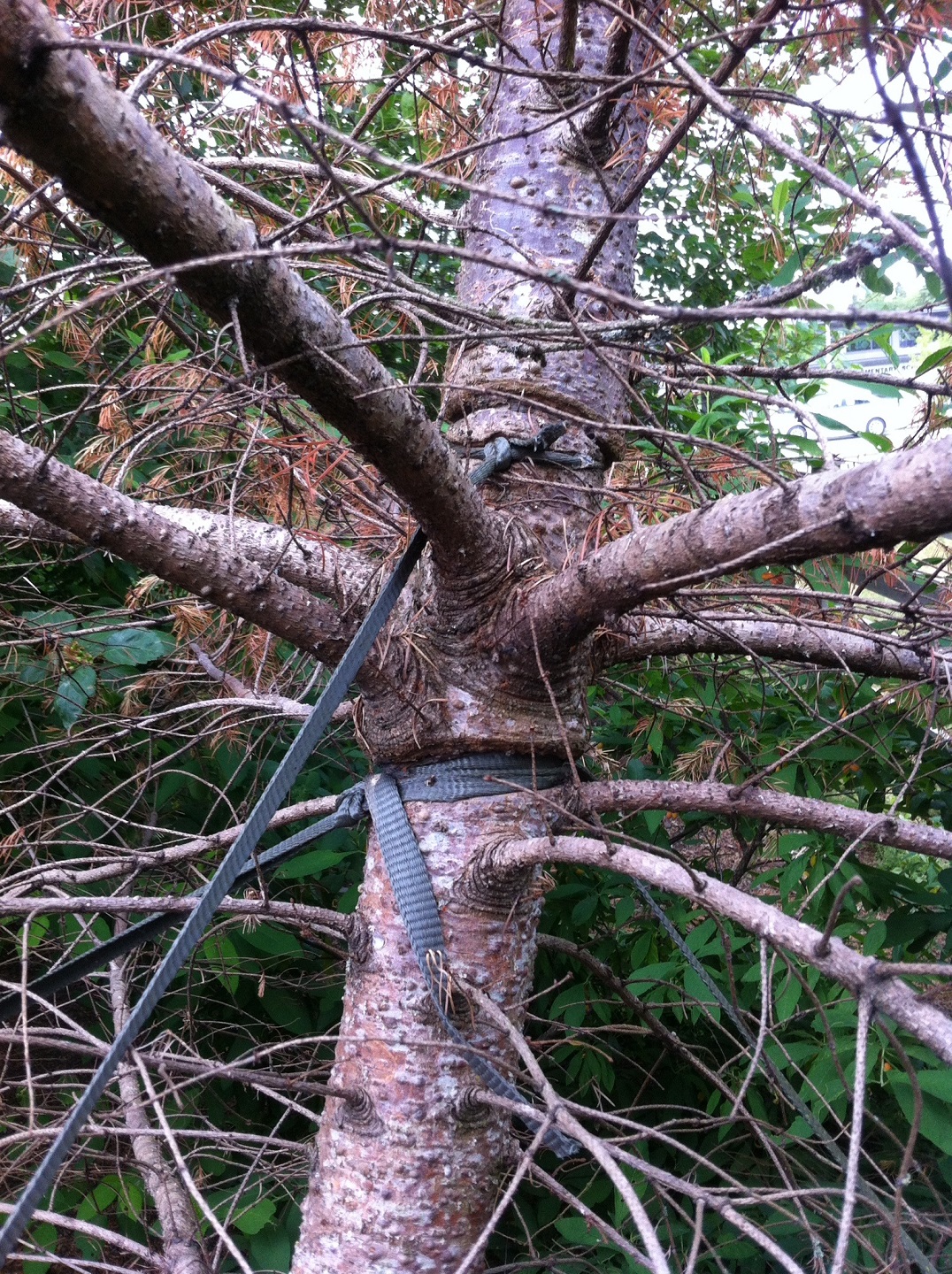
As landscape supervisor and arborist I reported for duty one fine spring day in White Rock. The request was to check on a dead Acer palmatum tree. Great, let’s see. What I found was a classic example of abiotic tree injury: girdling. In this case it was caused by an overzealous bird lover. The bird feeder string was left in place too long. Once the tree grows and “swallows” the string, there is nothing we can do. Nothing.

Tree girdling leads to two huge problems:

a) It restricts the flow of water and nutrients up the tree. The branch above the constriction eventually starves and dies. See the pictures below.

b) Trees fail at the point of constriction.


IMG_3119

This tree owner is a bird feeder fanatic. Top area is clearly dead.


IMG_3122edit

The only life is below the girdling zone where water and nutrients can reach.


Forgotten pines


Sadly, it got worse. An adjacent property has a long wild zone fence line. Hidden in the vegetation are staked pines. Staked and forgotten. The result is the same as above or worse, where the whole pine expired. I presume the pines started leaning and someone staked them with ArborTie. This material replaces wire and hose, it’s cheaper, safe, soft and simple to use.

But in the case below the arbortie was incorrectly tied with knots and left. Since the pines were leaning, there was no “play” on the arbortie. It should be checked periodically. Remember this is a low-profile wild zone between homes and a city park.


IMG_4683edit

This pine was one of many; staked and forgotten.


Action steps

What can we do? Nothing against birds but tree owners should be discouraged from installing bird feeders on their trees. But if they must, then let’s at least use appropriate materials and check on the install periodically to prevent girdling. We can’t reverse girdling.


Believe in Bergenia cordifolia

By | gardening, Landscaping, Plant Species Information | No Comments

First contact

My first encounter with Bergenia cordifolia was several years ago with my manager. She bent down and furiously started rubbing the leaves to demonstrate how the plant got its common name ‘pigsqueak’. And so we all rubbed the leaves to learn our lesson. Some no doubt turned their thoughts to bacon.

2016

Fast forward to 2016. Out on a site walk with my boss and the garden liaison, I was shocked when the lady asked us about removing a huge clump of Bergenia. What? Really? One person decides on a large landscape edit? They obviously had not flowered yet and they were in a perfect location close to a sidewalk. Bergenia form nice clumps but don’t spread quickly. Luckily the lady got side-tracked with other projects.

Then, at home one day in summer, seeking happiness by de-cluttering, I ran into a clipping from March 2008. It was a Garden West magazine article by Carol Hall. In it she correctly defends Bergenias. Finally, one person that made sense. Let the pigs squeak. Forever.

Plant details

Siberia and Himalayas native, this early-blooming perennial is tough as nails. Once it is established, it requires very little maintenance. I remove any brown leaves before liaisons get upset; and I remove spent flower stalks. That’s it.

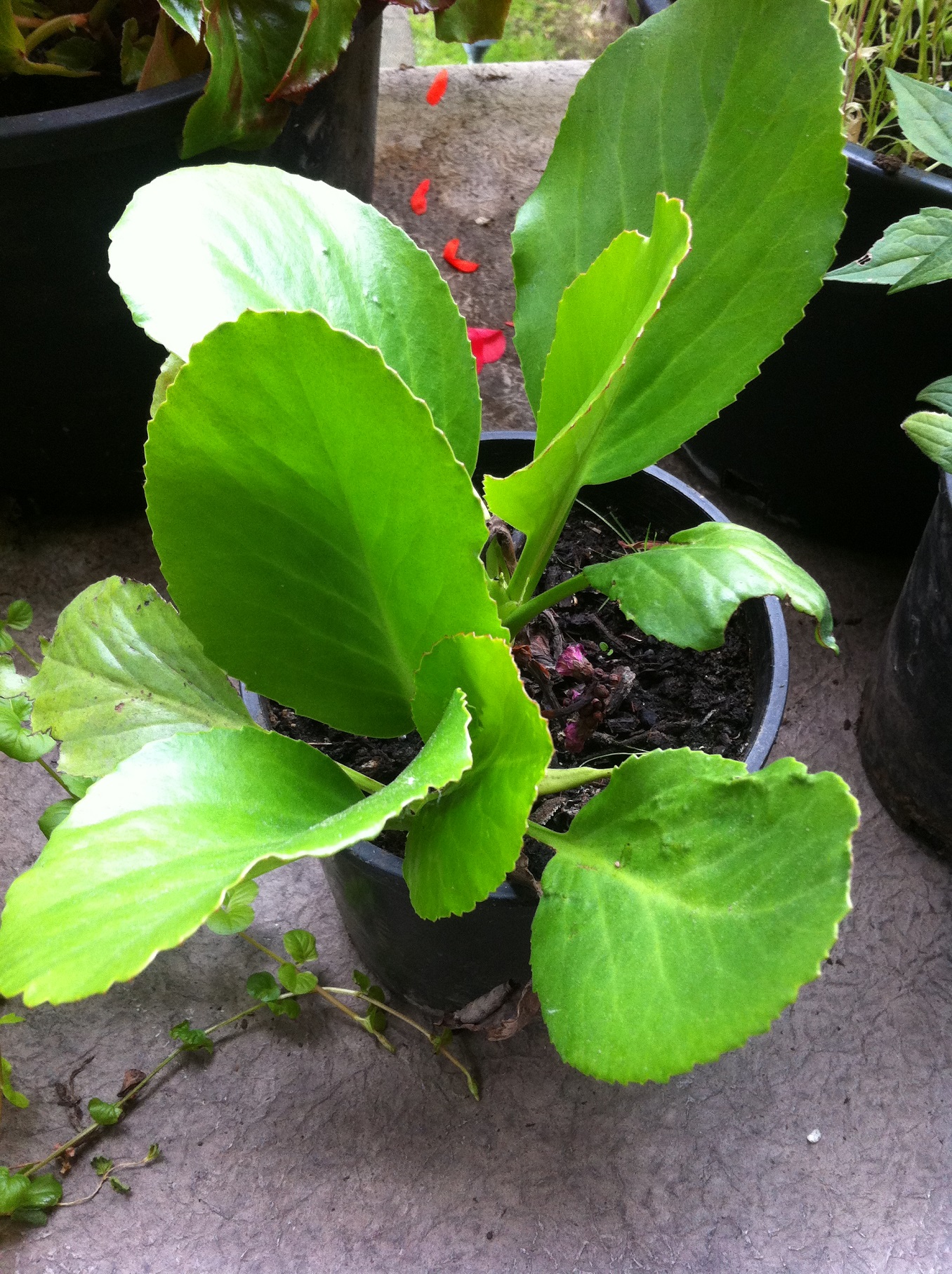
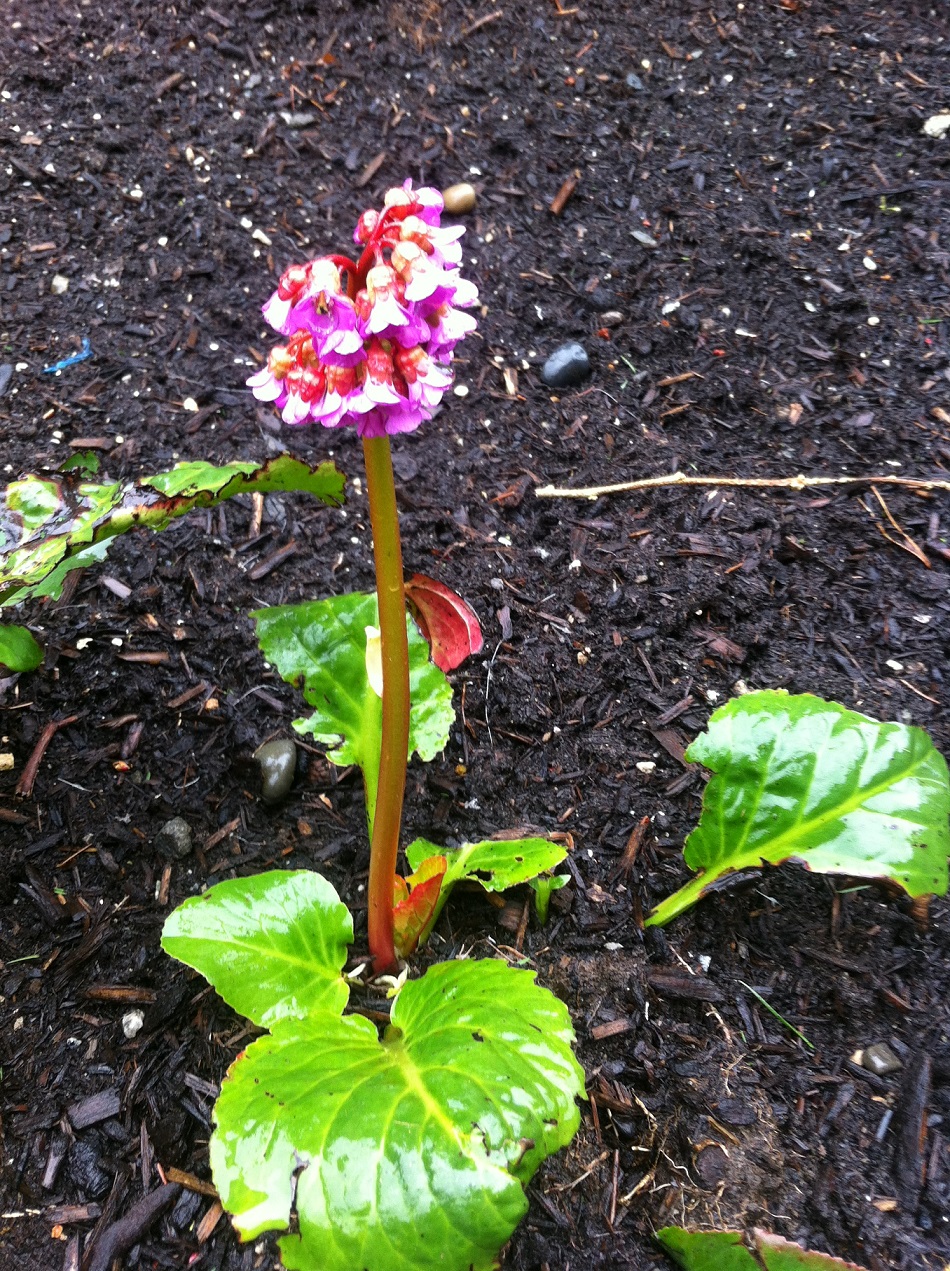
Hall thinks that Bergenia’s lack of popularity stems from being stuck in 4 inch nursery containers. To fully appreciate the plant you have to see it established in your garden. I believe she is right. See my pictures below.

Other than situated by sidewalks, Bergenias are also good for front border definition and as year-round accents in mixed landscaping. You can also mass them under deciduous trees.


IMG_4819edit

A salvaged specimen on my patio. Not much of a show but I love the leathery leaves.


IMG_1530edd

A lonely single plant with flowers


IMG_4542ed

Much better in a clump. Note the only real maintenance: snip out spent flower stalks and remove any brown leaves.


IMG_4429ed

A high-profile church location with Crocosmia ‘Lucifer’ above


Give Bergenia cordifolia a chance in your garden.

Landscape maintenance mistakes, vol.3

By | Edging, gardening, Landscaping, Lawn Care | No Comments

Here is volume three examining basic mistakes made in landscape maintenance. Learning from other people’s mistakes is much easier. It speeds up our progress. And to become landscape professionals we must progress. That’s mandatory.
 

A) Re-fuelling like pigs

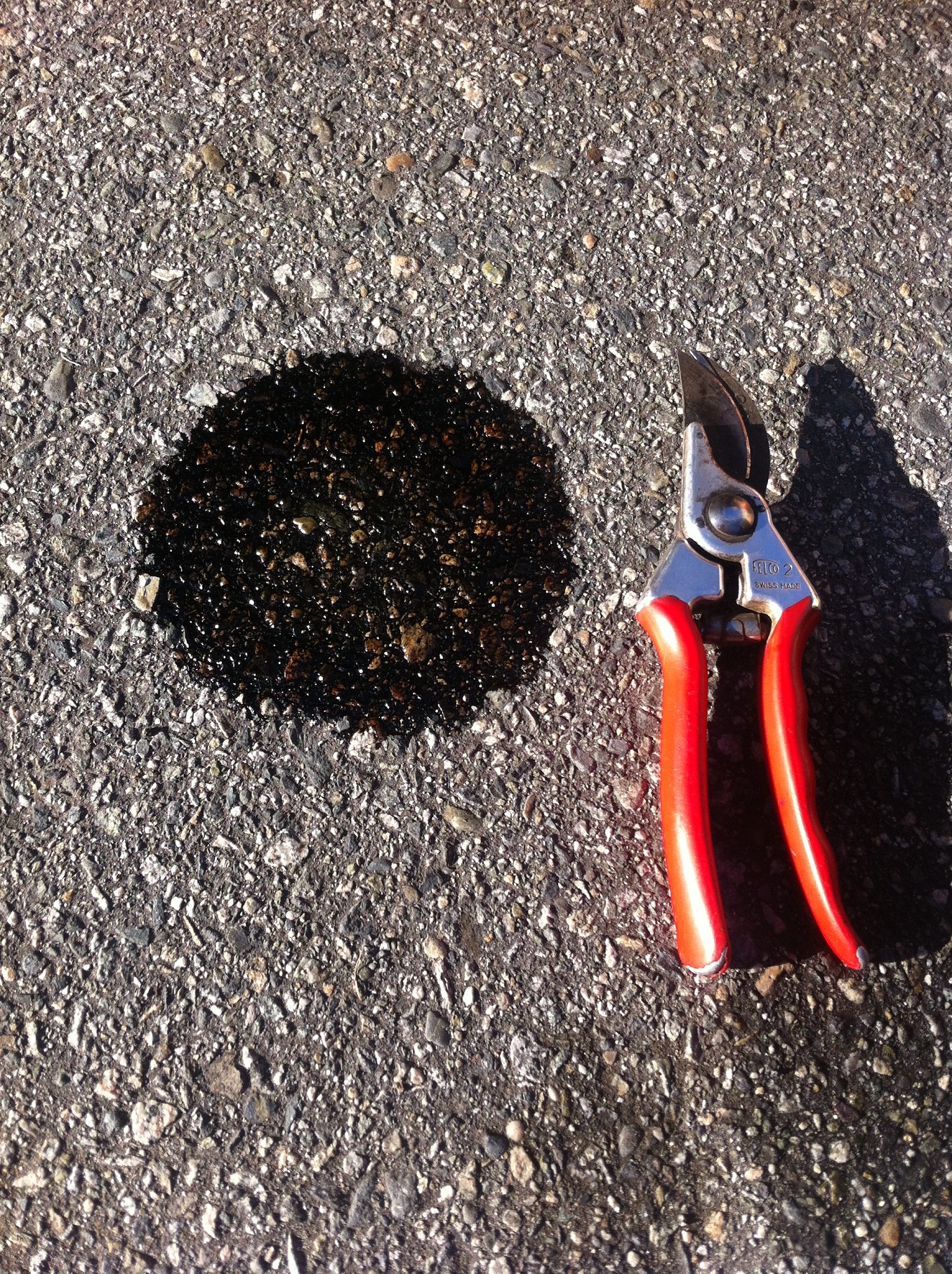
Sure, accidents can happen. But unnecessary fuel spills cost money, they pollute the environment and they look awful. Imagine if you park your truck in the same spot once a week. It becomes an eye-sore and a potential source of complaints.

Gas up on tarps. (Stay away from grass as it burns and turns yellow.)


IMG_6925edit


B) Don’t leave deep edging chunks behind

Proper deep edging requires a 90 degree edge. Nothing else will do. As you deep edge you will most likely generate some turf chunks. When you clean up, remove all chunks. Finesse the bed like a pro.


IMG_6351edd

Inadequate clean-up; note weeds and chunks


IMG_6354d

Much better!


C) Mower collisions with trees

This is horrific. One collision may be fine. The tree will be forced to spend precious resources on fixing the damage, instead of on growing. Repeated collisions will kill the tree as water flow is interrupted. Keep your mowers away from trees. Period. Put up tree guards.


IMG_6742

A tight fit. To stay on the curb, the mower deck collides with tree bark. Weekly!?


D) Stepping on frosty lawns

If you can help it, stay off frosty lawns. When the lawn is frosty, the grass blades have little oxygen and water inside. That means they can not bounce back the way they do in summer. They get crushed.


test

Stay off frosty lawns if possible


photo 3

With little water and oxygen inside frosty grass blades they can’t bounce back and get crushed.


E) Mohawks

Mohawks result from improper overlap. When you finish mowing a line, pivot on the back wheel as you turn. Do not move the back wheel, just spin it around. That should get you nicely lined up.

Mohawks also result from failure to mow straight in laser lines. It takes some practice. The mohawks must be fixed because one week later they will be really noticeable. Practice mowing until you eliminate mohawks forever.


IMG_2992edit

A huge Mohawk. Practice!

Have fun in the field.


Facing your hardscape fears

By | Landscaping, Landscaping Equipment, Strata Maintenance, Tips | No Comments

Hardscape shock

2014, Kwantlen Polytechnic University. Sitting in my Red Seal challenge preparation course I was shocked to find out that landscape horticulture involved a lot of hardscape construction. One third of the exam, to be exact. And I wasn’t alone. Many of the other candidates also expected questions on plant families and specific plant species. Clearly, we were about to face our fears.
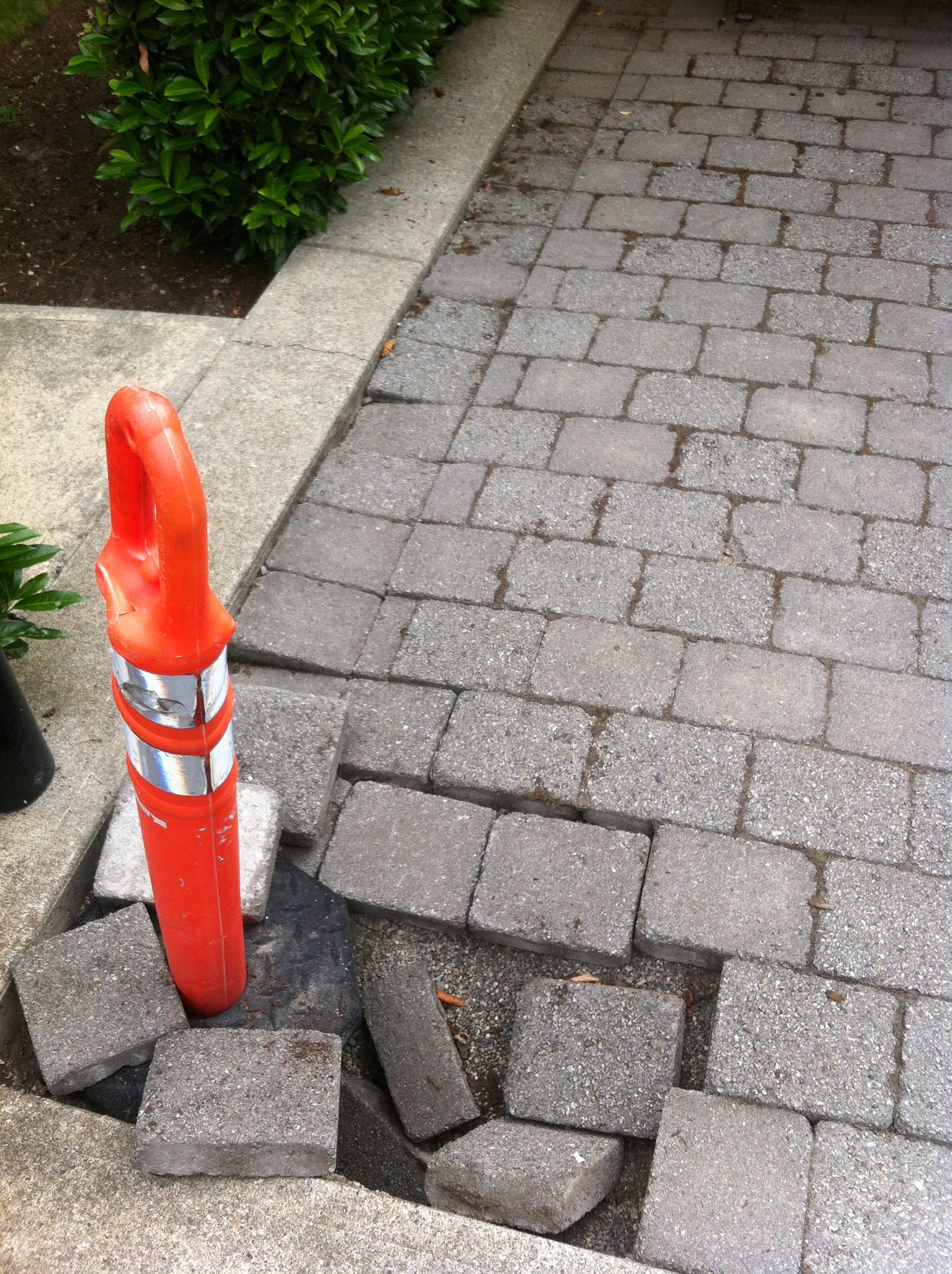
Fast forward to August, 2016. My boss needed help fixing a hazardous spot at the top of a walkway. Uh-uh. Here we go. No more textbooks. This was real life. Plus consider that I prefer working with live plants. I find hardscape materials too cold.

This is what I learned as I faced my fears.

Basics of paving stone repair

A) Taking notes and pictures as you dismantle everything is very important. It makes it easier later when the stones go back in. Stack everything intelligently.

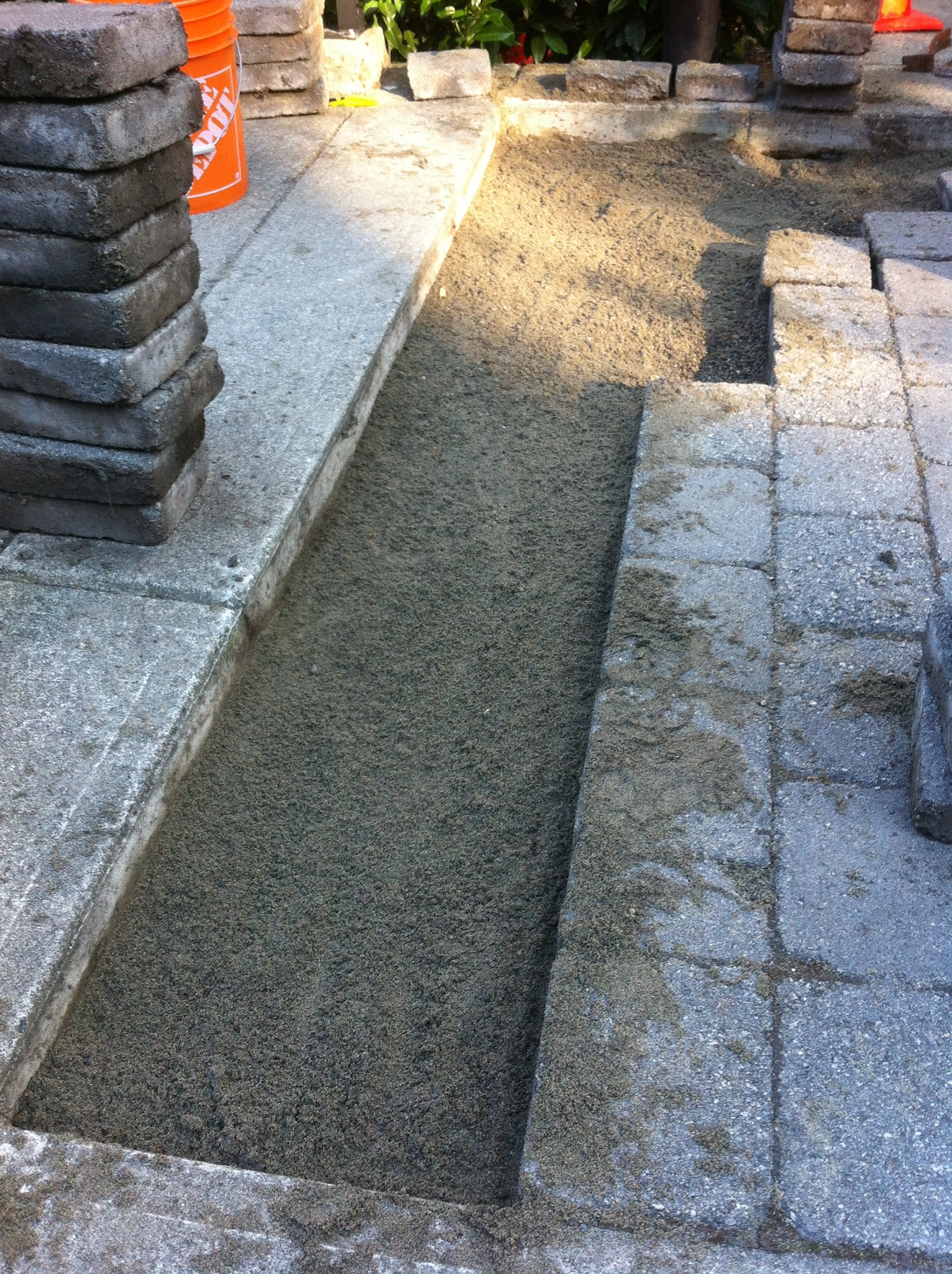
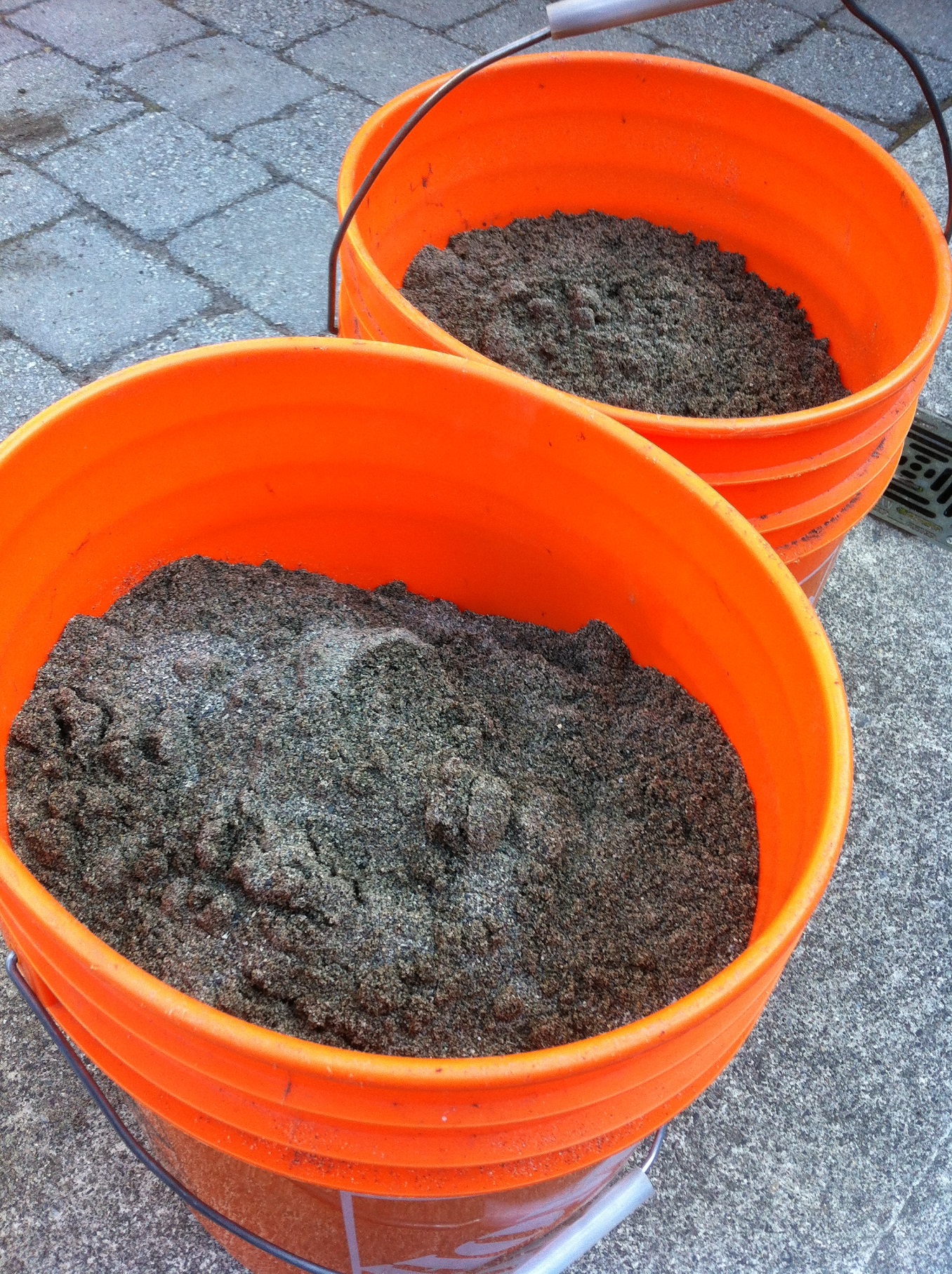
B) Install mason sand (finely crushed sand) to build up the low spots. Park as close as you can to your work area. Our access was limited which meant bucket work. And lots of sweat.

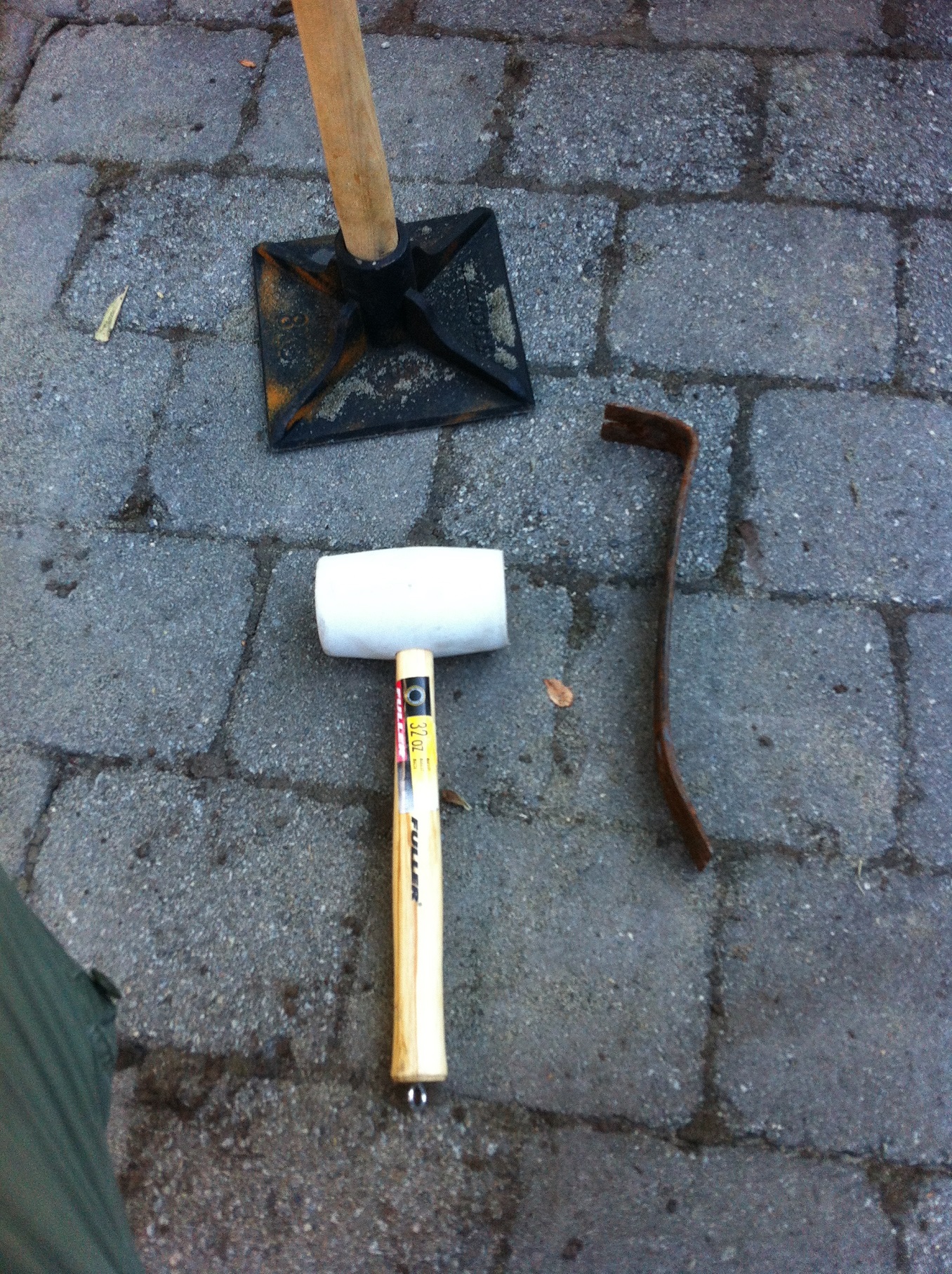
C) Use tamper tool to flatten the sand and even it out.

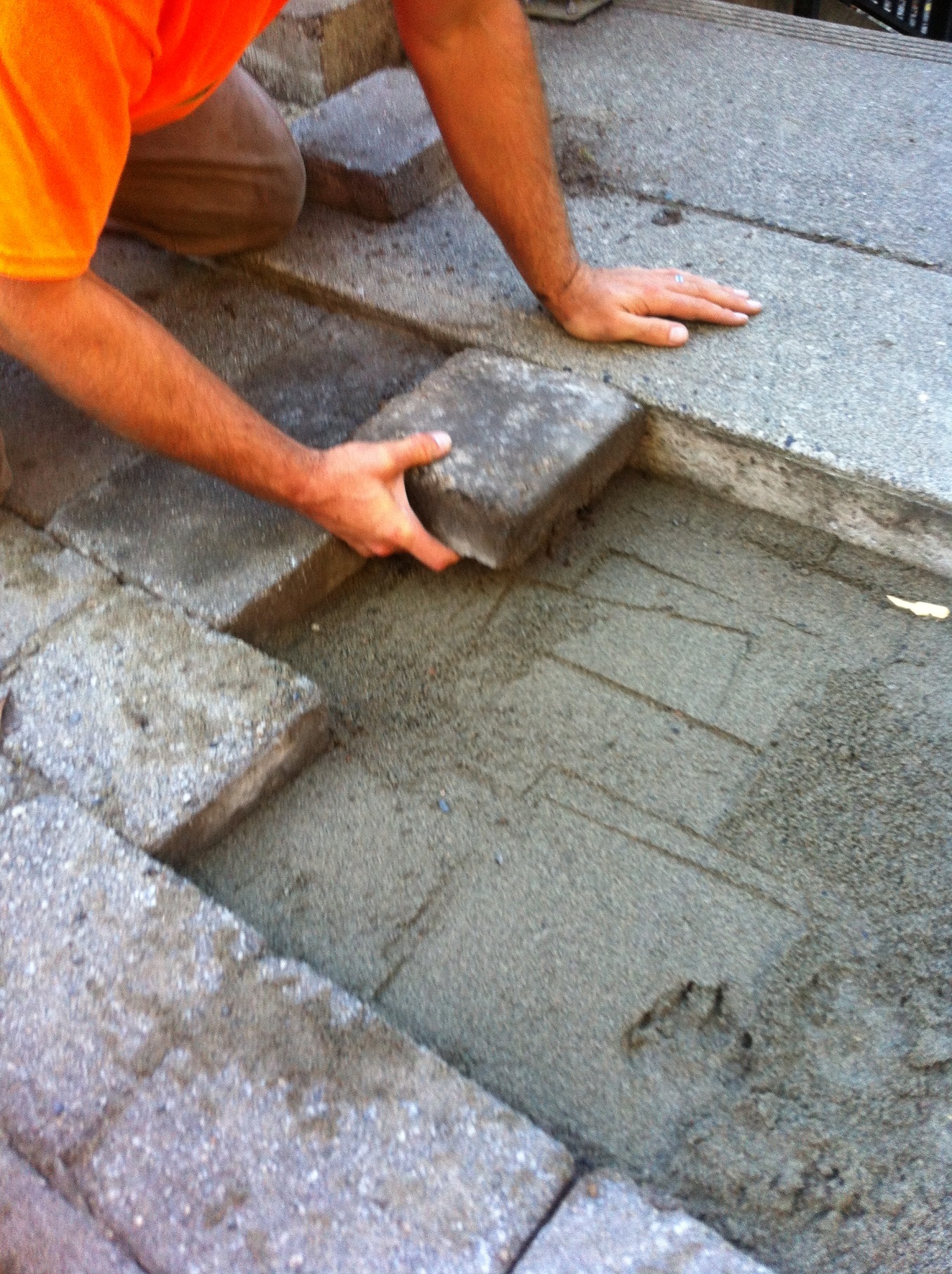
D) Re-install bricks and use rubber mallets to beat them into place. Pray they all fit.

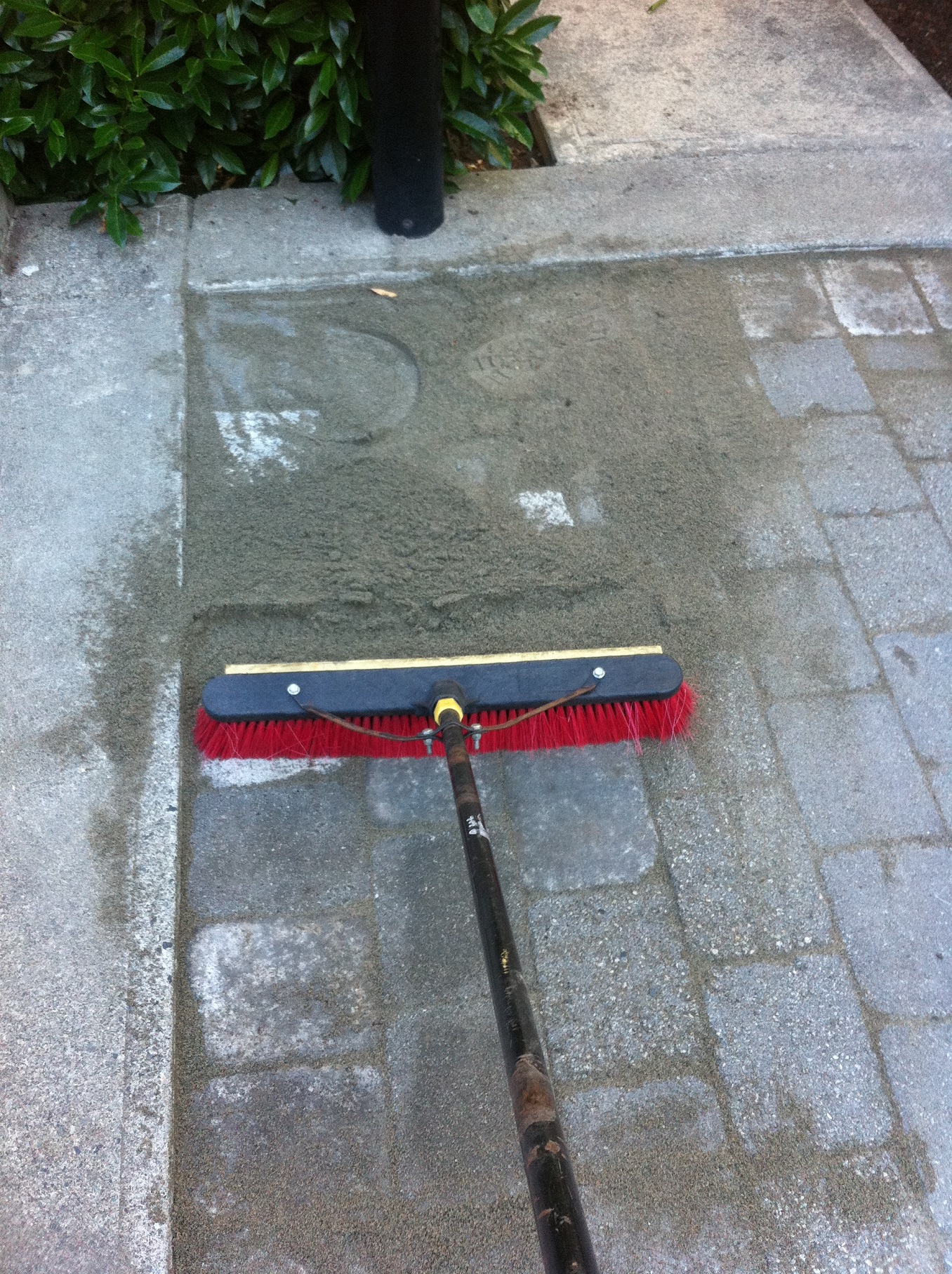
E) Cover the stones with mason sand and broom them into gaps.

Mission accomplished. Sort of. The big hole was gone but since there was still a small tripping hazard, we will have to go back and dismantle a larger area. Maybe I will call in sick. Or go and face my fears.


IMG_6374ed

A nasty wash-out at the top of a staircase


IMG_6636ed

Keep track of dismantled stones; install mason sand and use tamper tool


IMG_6639ed

Stones go back in, pray it all fits, use rubber mallets


IMG_6646ed

brush mason sand into gaps


IMG_6643ed

fine mason sand


IMG_6644ed

Tools you will need