
All Posts By

Vas Sladek

Community garden success

By | gardening | No Comments

Sweetgum prologue

Across the street from my building is a strip of lawn, squeezed between a recreation center parking lot and the road. Then, one day, the city of Port Moody planted three sweetgum trees (Liquidambar styraciflua) there. I clearly remember this because the stakes were placed ridiculously far from the trees. They did nothing for the trees; and I fully expected kids to get clotheslined on the arbor tie. My picture of this poor staking job made it into level 1 apprentice courses. Without permission.

Weeks later, the trees went missing!? I never found out where they were moved.
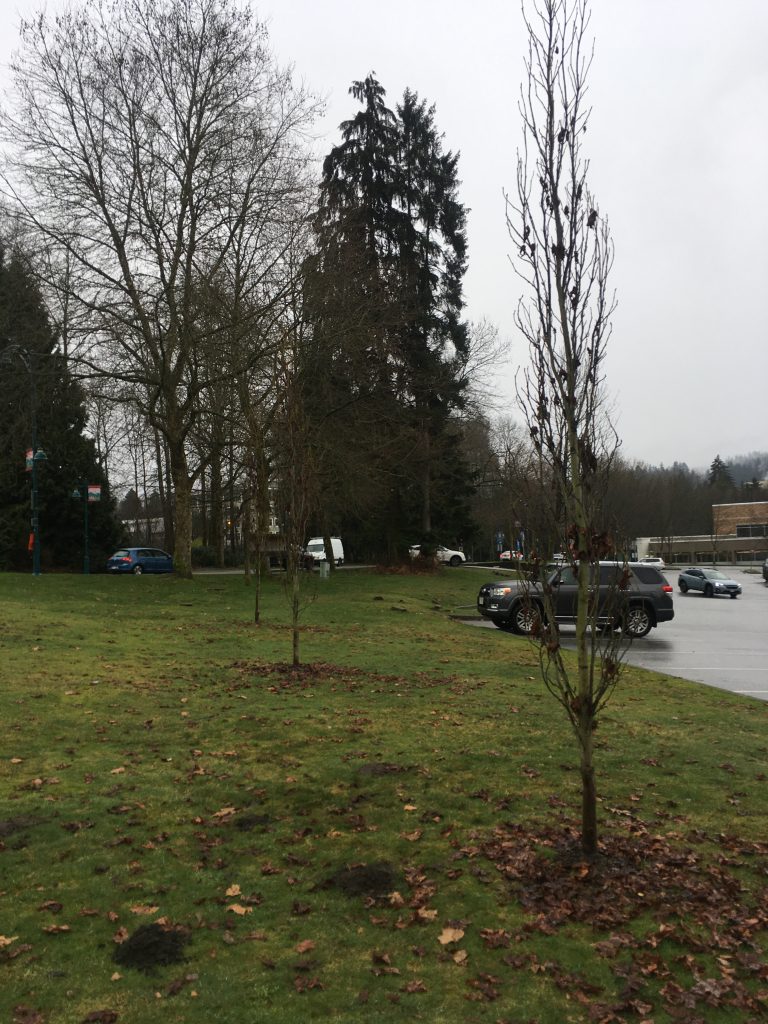
Before the garden: columnar sweetgums with staking removed

A new community garden

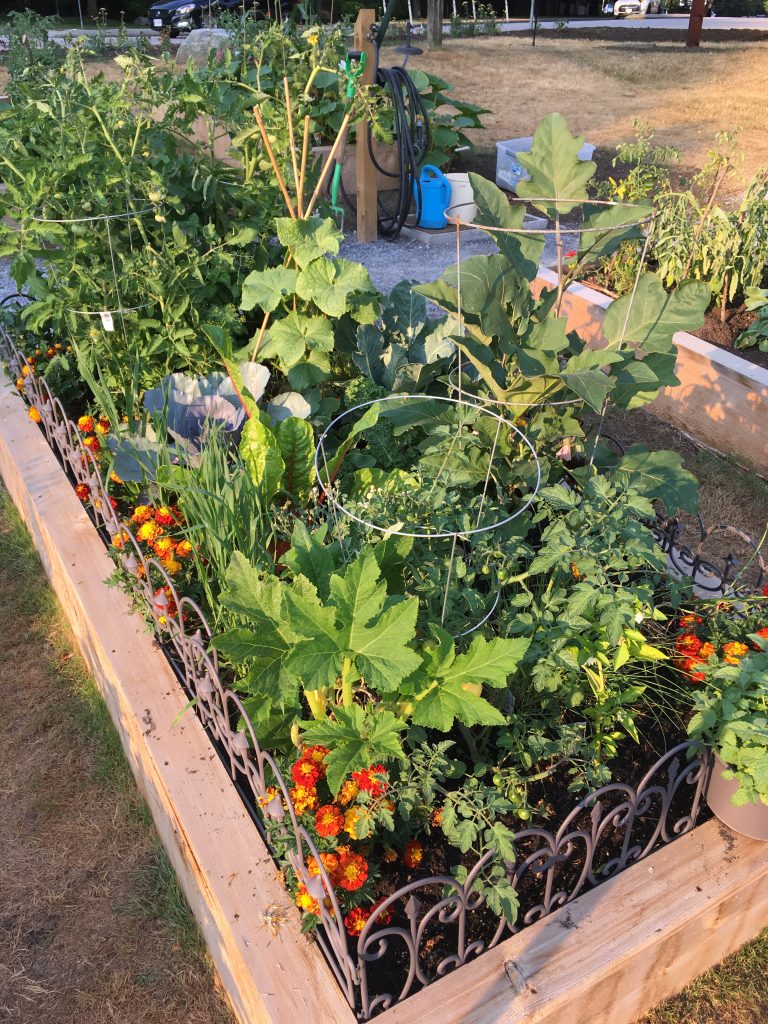
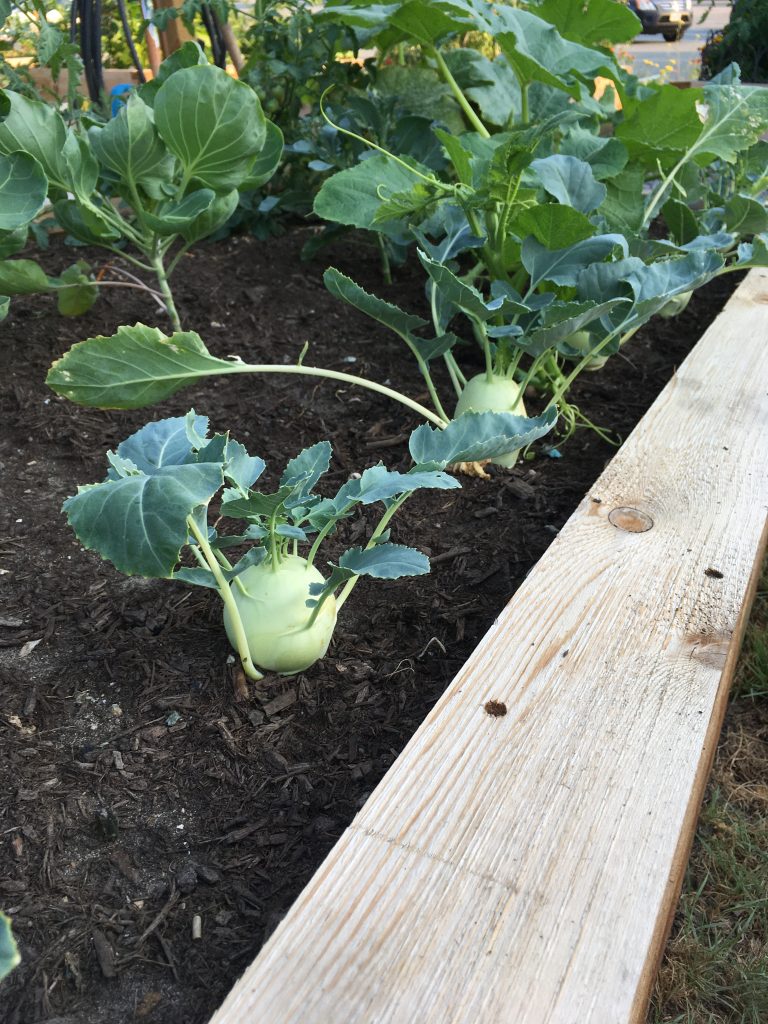
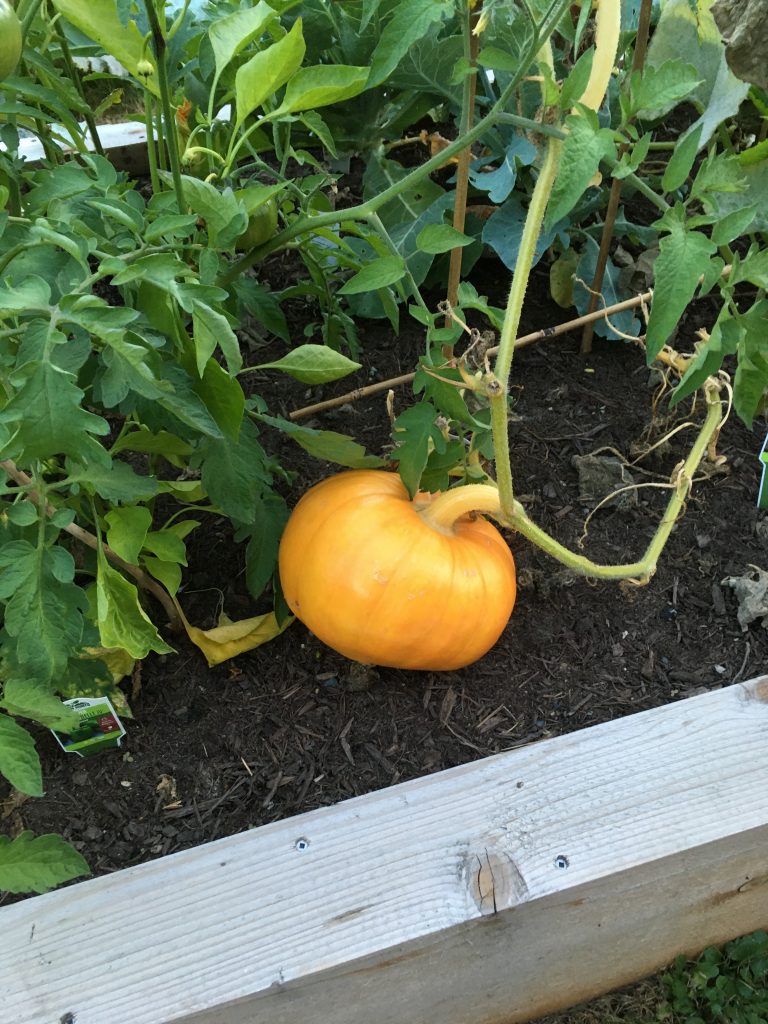
Once the city installed raised beds on the lawn, it all made sense. And it was also clear that I was way too slow to get in on the garden lottery. I’m a busy man. But I’m happy to report that every single plot has been well used, mostly by women of a certain age.

Creating a new community garden is a great project anytime but it’s especially important during a pandemic. People can be outside fairly safely and taking care of plants gives them some measure of control, just as things seem to be spinning out of control.

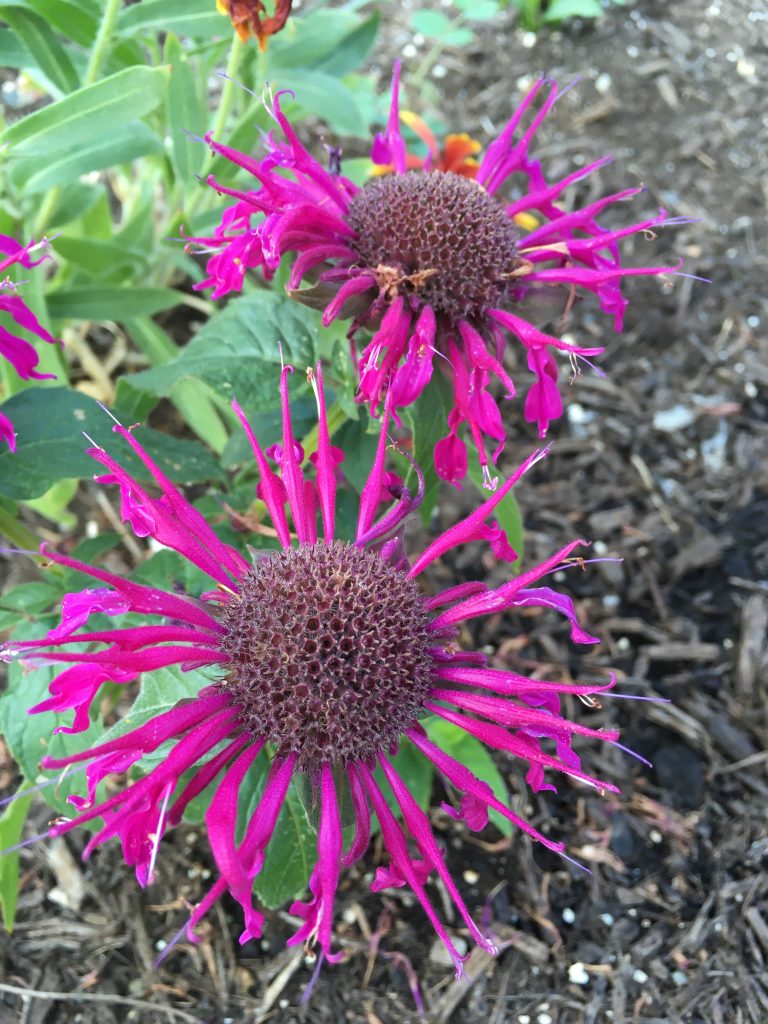
One nice touch are the planted borders between the plots and parking stalls. They’re planted in perennials and add color, something vegetables can’t really do.

The city added a water source, which is critical because I expect summer 2022 to be hot. I’m not sure what happens to the green waste. I imagine the city hauls it away.

Considering the garden’s location, I wondered if some of the harvest would go missing under cover of darkness. Since I haven’t heard anything, I’m assuming the owners got to enjoy their harvests.

When I had a tiny rented plot in Burquitlam years ago, teenagers would stop by to collect apples in broad daylight. Who knows what else went missing.

A great idea

When the City of Port Moody planted sweetgum trees in a lawn across the street, with poorly installed stakes, I shook my head every time I walked by. Then the trees went missing and I shook my head some more. Wasn’t this a waste of money and labor.

Then the city installed community garden plots and life made more sense. The garden is well-used and the buffer zones are planted in perennials. So now we have some color visible from the road and from the recreation center parking lot. It may just brighten up our pandemic life.
Buffer zone Monarda

Never dismiss plant ID skills

By | gardening, Plants | No Comments

A crazy confession

“Vas, when you tell me the names of landscape plants, it means nothing to me.” What a shocker from an experienced landscaper and Red Seal candidate. This blog post will make the case for improving your plant identification, and for never dismissing it.

This is what my buddy missed. If he had looked at the bigger picture, he would have realized that everything starts with plant names. You can’t provide proper care and maintenance to plants when you don’t even know what they’re called. Names allow you to dig deeper; or you can let Siri do some of the digging for you. If you like plants, your discoveries might please you. My buddy is missing out.

Plant examples

Fully grown, Acanthus is an imposing plant, but at its baby stage, it could easily be mistaken for a weed. This actually happened to us in the field in a bed with just one specimen.

Since I was able to find out the plant name, we didn’t pull it. I stood my ground and defended it.

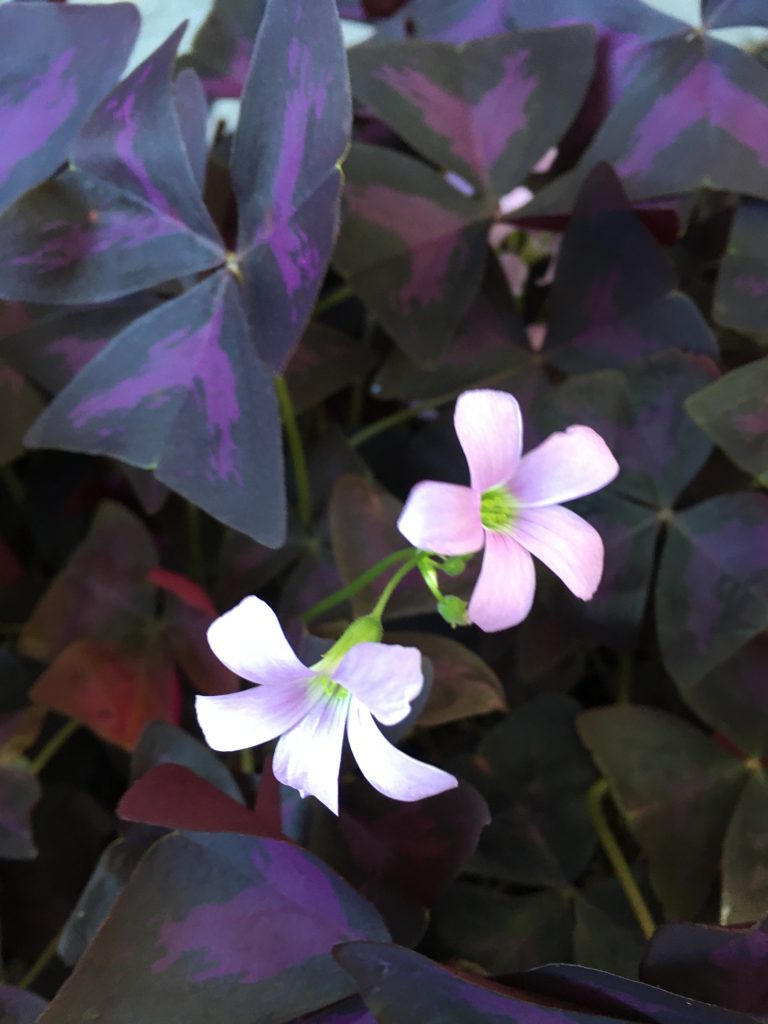
One patch of Oxalis wasn’t so lucky. Beautifully spread out under Rhododendrons, it was doing its thing in the shade it loves. Unfortunately, the leaves look like clover to the untrained eye. So, it went missing and the owner quickly noticed. Oops.

Oxalis

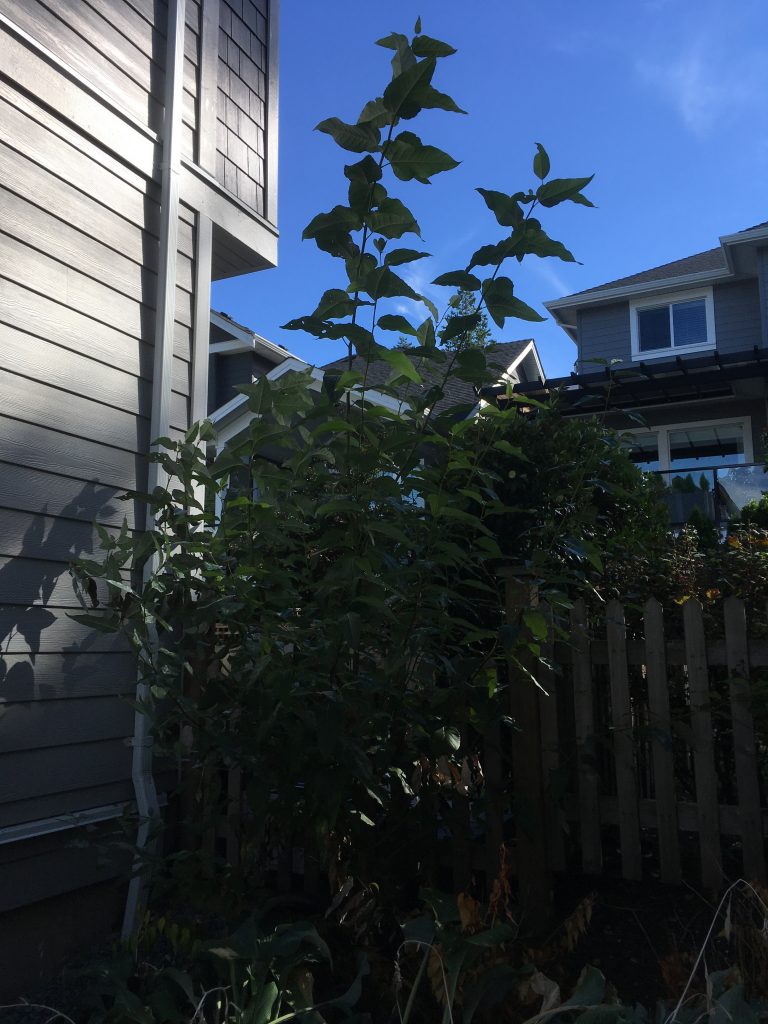
The last example is hilarious. Thinking the tree was a lilac (Syringa) the foreman responsible for the site let it grow until his horrified boss arrived to set him straight. The tree was actually a fast-growing cottonwood (Populus) invader. Left alone, it would eventually overwhelm its spot. It had to go once it was clearly identified as a cottonwood tree, not a lilac shrub. Yes, plant identification skills make maintenance easier.

Cottonwood or lilac?

Quotes

After receiving a number of plant name requests through text from another landscape manager, I wondered what was happening. Did she lose access to Google? I sent my answers back and let it go.

Months later I discovered that the plant names were required for a quote. It’s difficult to make a quote without proper plant names. Nurseries require botanical names, otherwise they can’t give you any prices. That makes sense.

In this case, the quote couldn’t be written up without proper plant names. No quote, no project and no extra income. There you go buddy. Now you know.

Expert on call

No, you’ll never know all plants but strata landscape plants tend to repeat so you have a great shot at becoming an expert. And your clients will likely approach you for help. So get ready.

If my buddy becomes a Red Seal landscape horticulturist with poor plant identification skills, he won’t be able to deliver great value to his employer. Personally, I love plants, so I work on my plant identification all the time. It’s an important skill. Trust me. So work on it.

Shocked by lawn damage!

By | Lawn Care | No Comments

Surprise!

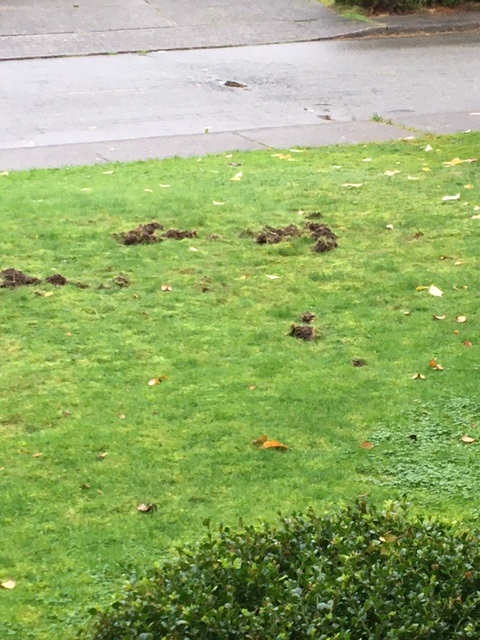
This scenario plays out every autumn on the West Coast: a panicked home owner calls me about a damaged lawn. In this case, it was a fairly new client, texting me about solutions after raccoons had dug up her lawn overnight.

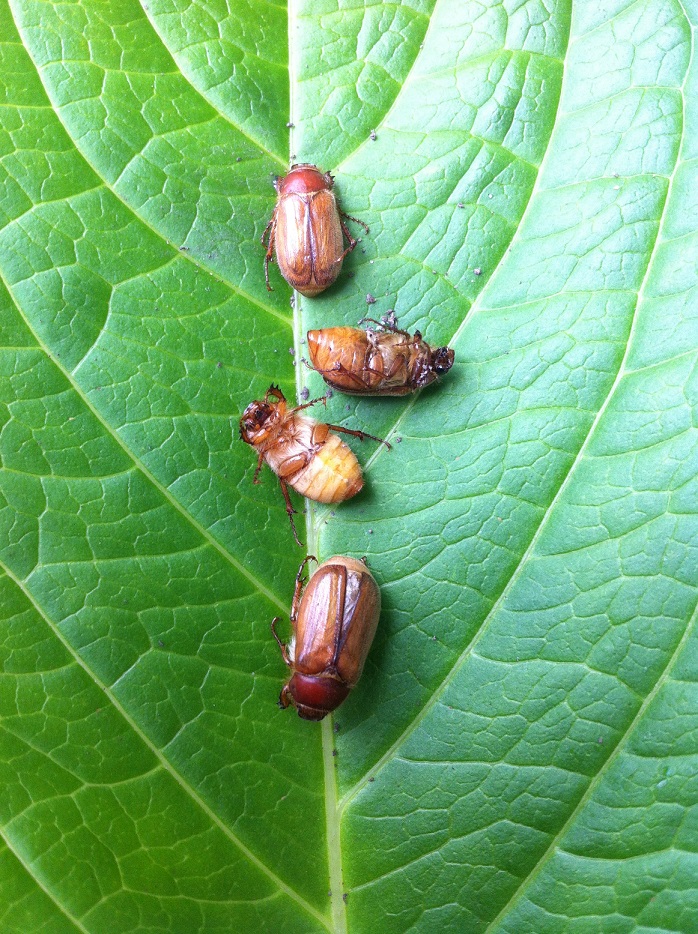
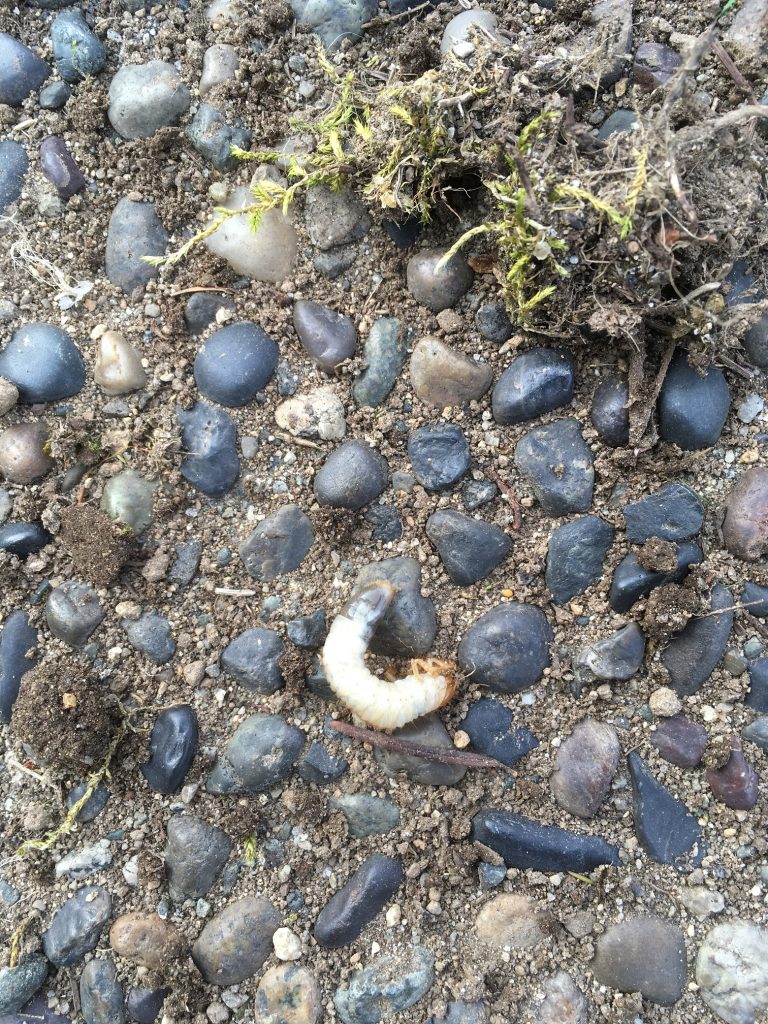
The raccoons were looking for European Chafer beetle grubs which have been feeding on grass roots and getting fat since late summer. That’s when females come down from trees after mating to lay their eggs in the lawn. They quickly stick their bums into the lawn and disappear. This is why people are advised to keep their lawns longer; to make it more difficult for the females, and perhaps, to encourage them to lay eggs in your neighbor’s lawn.

Mature European chafer beetles. Only one was dead, 3 eventually made a run for it.

What to do in late fall

All you can do in November is fix the damage with some soil. Overseeding won’t help because it’s now too cold for seed to take. You’d just be feeding the birds, which isn’t a bad thing. It’s just pricey.

The grubs are nice and juicy by now. You could always hope for cold temperatures to kill them but that would mean severe cold. The kind of cold that would deprive me of work.

Just let the crows and raccoons feed; and ask Proper Landscaping to help you fix the damage.

Chafer grub

Baby your lawn in 2022

If you want to avoid nasty shocks twelve months from now, baby your lawn next year. That means regular fertilizer applications, proper watering, and correct mowing heights. You will need to do all three religiously to have a nice looking lawn.

I often find homeowners cutting their lawns very short, presumably to avoid cutting weekly. But, very short lawns dry out, allow light to reach weeds, and in late summer, they make it easy for chafer beetle females to lay eggs.

Watering is also a problem. Regular watering is a must for good looking lawns. I have clients who complain about weeds in their lawns and they water twice in summer. That’s hopeless.

Anti-chafer products

Your local garden store sells granular anti-chafer products that can be applied anytime. And you can also order live nematodes for application in late summer so the nematodes can chase down the chafers before they get big.

I have no idea how effective the granular products are but they are easy to apply. Unlike live nematodes which must be watered in and applied early in the morning or in late afternoon. That’s because they are photo-sensitive. And I have also heard horror stories about the nematodes arriving dead. Since they’re microscopic, it’s impossible to confirm this.

You must also water your lawn deeply before, during and after application. That sounds easy enough but in late summer you’re likely to run into watering restrictions. So visit your municipal office for a pricey exemption before your neighbors report you to bylaw officers.

Don’t give up

Never give up. Baby your lawn and keep fighting. The European chafer beetles are here to stay. We can control them but I doubt we can eliminate them.

If your lawn gets abused in winter, just patch up the damage and wait for spring when soil and seed will cover everything up.

Are stake pounders dangerous?

By | Tools, Training, Trees | No Comments

Intimate knowledge

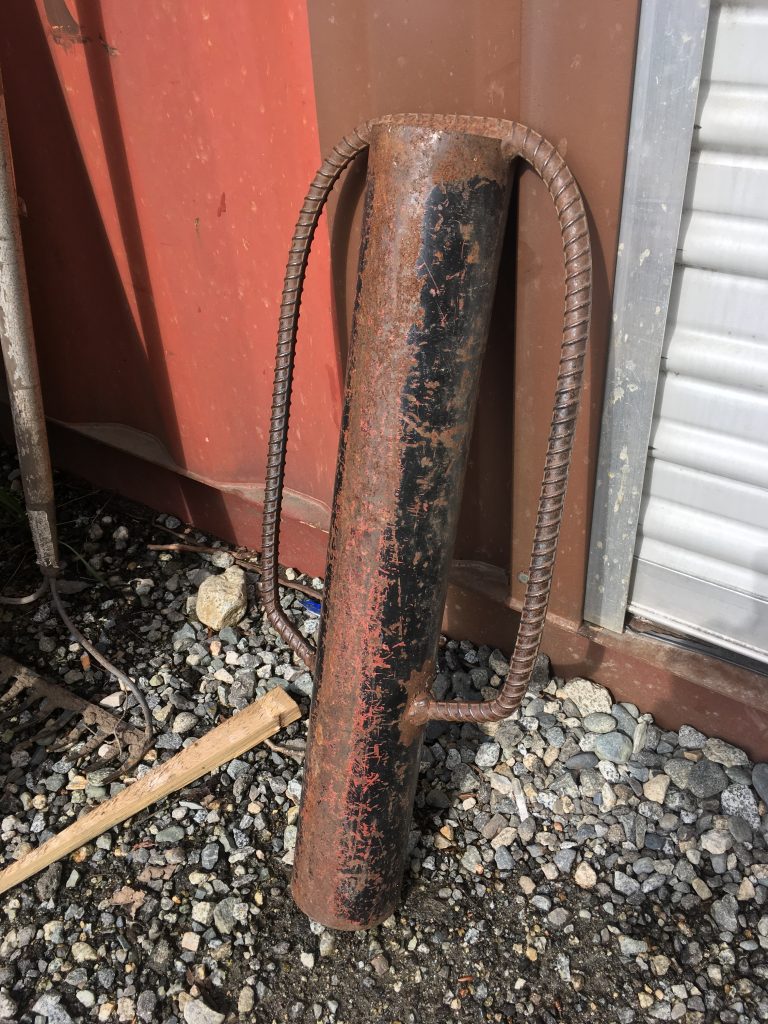
I got to know stake pounders intimately when I went through the Landscape Industry Certified program. Recall that stake pounders are metal pipes with handles, closed at one end. Just pop the end of your wooden stake in and start pounding it in.

One version of a stake pounder.

Station master

I had to do the planting and staking practical station test three times! Years later I can joke about it but at the time, failing meant waiting for six months until the next test day.

Note that the practical exams are now scored from video footage captured by your employer. The twice a year testing days are long gone. Visit the Canadian Landscape Nursery Association for details.

One of my fails resulted from not wearing ear protection. Ouch. I was so nervous and caught up in procedures and time limits, I didn’t even notice the pounding noise. Ear protection during staking is mandatory. It is loud.

The other critical issue is the height of the stake pounder. The rule is that it can’t ever reach over your head. Even if you have a hard hat. But this wasn’t a problem for me until I became a judge.

Vas arrives

When I became a landscape judge, the CNLA got me to judge the same planting and staking station. Sweet! I was ready for it but not for failing people. Some of the candidates went overboard, raising their stake pounders way too high.

I could see my judge-mentor watching and fuming from a distance. And at the time I thought she was a bit anal. I don’t anymore. She was right. I should have raised my red flag and send them packing.

Careful!

Last year I heard a nasty story that changed my mind. An experienced landscape company owner had managed to crack his skull with a stake pounder. He survived but he couldn’t work for a long time and who knows how the accident will affect his brain in the future.

Then today I heard about another landscaper breaking his neck with a stake pounder. Ouch.

If I ever meet my cute landscape judge mentor again, I will quietly apologize. Stake pounders are dangerous metal pipes that should never be raised above your head, even if you have a hard hat on.

Nelba knits away the pandemic

By | Side-hustle | No Comments

Nelba takes action

It’s so nice to see one of my landscape co-workers start a side-hustle. Since her nickname is Nelba, I don’t have to change her name to the usual default Miguelina. Nelba it is.

Now, when we work in the field as landscapers, many topics are discussed, including my favorite: side-hustles. It’s insane to rely on only one source of income. But, it’s not just about money. Just take Nelba as an example.

What do you do when your boyfriend isn’t making your life better and the pandemic shuts down many of the places young girls like to frequent in normal times? Well, you stay home and knit! You create beautiful toques and sell them.

I confess to being blown away by Nelba actually taking action and knitting away her pandemic time. And, then creating her own store on Etsy, the best platform for selling hand-made goods online.

Take a look at Nelba’s store. You can buy a toque for yourself or as a Christmas gift. There is still time, especially if you live in the Lower Mainland. They sell for $50 and I know from talking to Nelba that the price doesn’t really reflect the time required to create one. It’s a deal, so go get one.

I would totally get a toque but I look awful in them. I prefer caps or manly toques like the ones Stihl sells.

Lessons

Nelba Knits is just the beginning. Creating extra income from the comforts of her own home is one attraction for Nelba. I know she hates getting all filthy when we work in the field. I, on the other hand, live for it.

Let’s also consider the lessons Nelba learns along the way. Like setting up an e-commerce site, dealing with shipping and setting the prices she likes. As of today, each toque sells for $50.

What’s stopping her from creating new products or starting with affiliate marketing? Nothing. There are many possibilities to explore and lessons to learn along the way. Especially for a cute young girl who doesn’t really know what she wants to do with her life.

Action! Always take action!

The best Christmas gift for landscapers

By | Tools | No Comments

Felco all the way

When leaf clean up season is over, we do finesse work to get sites ready for Christmas. This type of finesse work involves bedwork and lots of hand snipping. Think spent perennials and the odd annoying branch. The same goes for home gardeners.

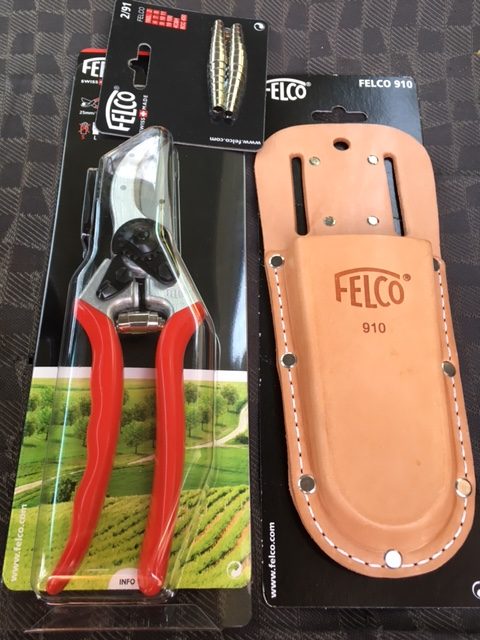
To get ready for the finesse work, I walked into my nearest Lee Valley store and bought brand new Felcos, even though I already own a few pairs. I really wanted a new, sharp pair; and I even got extra springs and a sheath. New Felco 2s, two springs and a sheath set me back C$100.

C$100 well-spent!

As I walked away from the door to my car, I realized that this was by far the best gift you could give for Christmas to a landscaper or a gardener. It’s December 18 as I write this blog post, so there’s still time to get a pair of Felcos.

Not my first plug

Now, this isn’t my first blog post about Felcos and there is no need to type up a disclaimer. I love Felco hand snips and I’m happy to say it; I don’t profit in any way from saying it. One day I hope to!

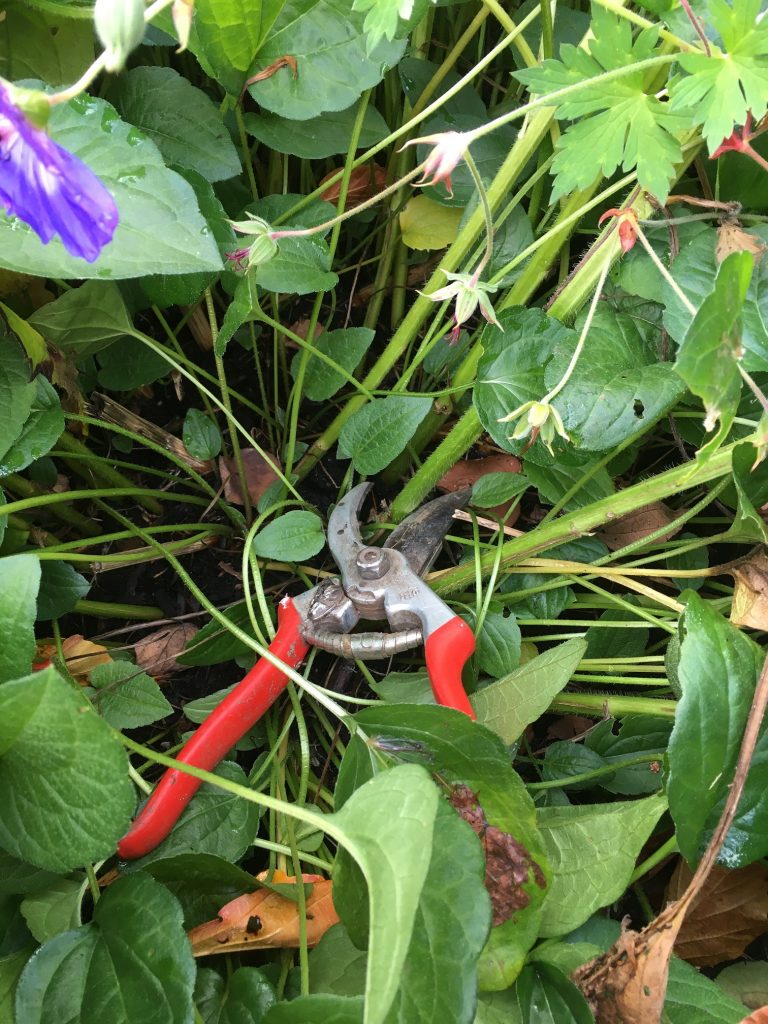
The red handles last forever and the blades can be changed. Normally I sharpen them before replacing; it’s cheaper. Also, a leather sheath is mandatory for professionals. I keep my snips on my hip at all times because you never know what defects you will find in the landscape. It could be a simple shoot sticking out from the top of a shrub or it could be a broken tree branch. Or perhaps someone missed a perennial during cutback.

With Felco snips on your hip, you’re always ready. And I like to be ready.

Early Christmas

Now, my old pair of Felcos was still fine. I could have kept it as a back-up pair but I did something better. I moved my old snips on to a new foreman-in-training who was still using an inferior and much cheaper model. I won’t name the maker; it wasn’t Felco.

Predictably, the dude was all casual about the loan but I know he’s hoping some of the Red Seal magic rubs off on him. Having my old snips on his hip, reminds him of his brilliant Red Seal manager and allows him to look like a pro. Honestly, it will take a lot of training to turn him into a real pro.

If you’re still looking for a gift for a gardener or a landscaper on your list, get a pair of Felco hand snips. It will set you back about C$80 and it’s worth every dollar. Trust me.

Felco 2s in action

Don’t miss the late season color show

By | Plants, Seasonal | No Comments

Leaf clean up over. Now what?

As I look outside on the first December 2021 weekend, all I see are bare trees in the park across the street. Sadly, the fall color show is over. Now what?

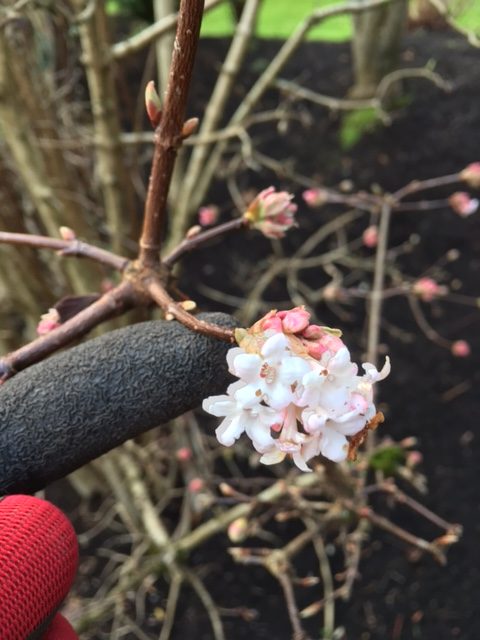
Fear not! I’m about to show you some color you can see in the landscape right now. Go outside without your smartphone and pay attention. You might be surprised. Like I was, when I first encountered Viburnum bodnantense in the winter landscape.

At first, I thought it was a mistake. Bare brown branches sporting small clusters of white flowers. Seriously? I had to look it up to believe it.

Viburnum bodnantense

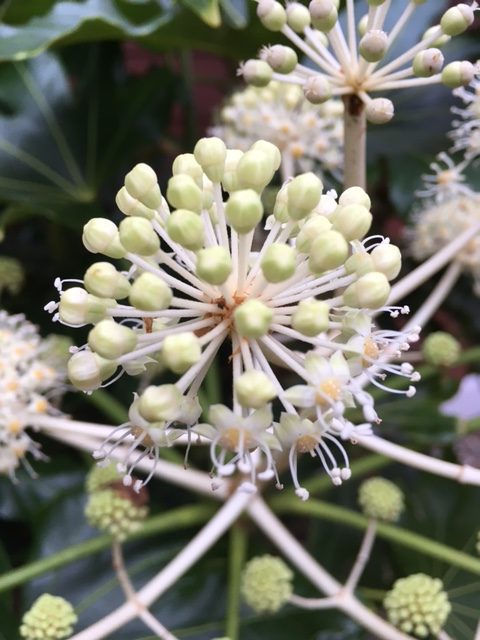
Fatsia japonica also flowers in winter. I still remember entering a sad looking yard on an old strata site and there it was, a specimen of Fatsia japonica with its white flowers. Again, I thought it was a mistake. Something about micro-climates.

Fatsia japonica

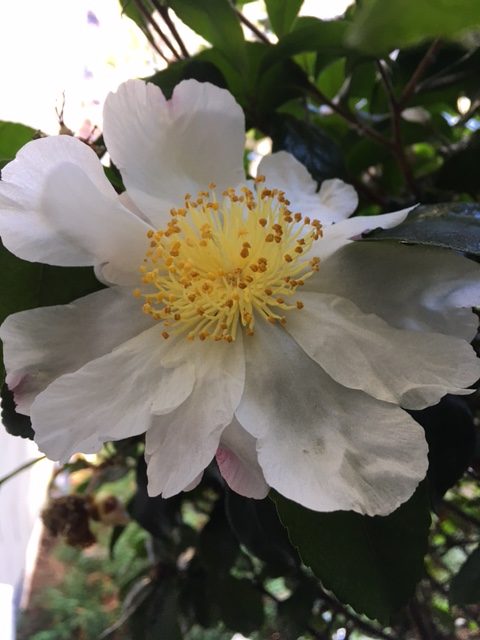
Camellias are also flowering now and they’re stealing the show.

Camellia

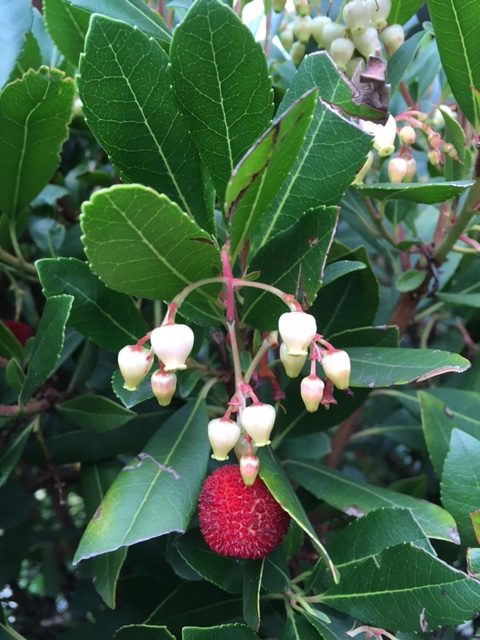
Strawberry trees (Arbutus unedo) are also fun to look at with their edible strawberries. No, I’ve never tried them.

Arbutus unedo

Here’s a combination I discovered by a water feature. Red Pyracantha and purple Callicarpa.

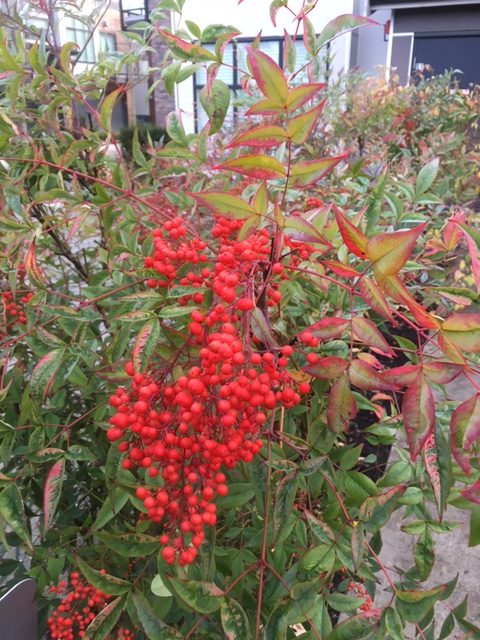
Heavenly bamboo (Nandina domestica) is also hard to miss.

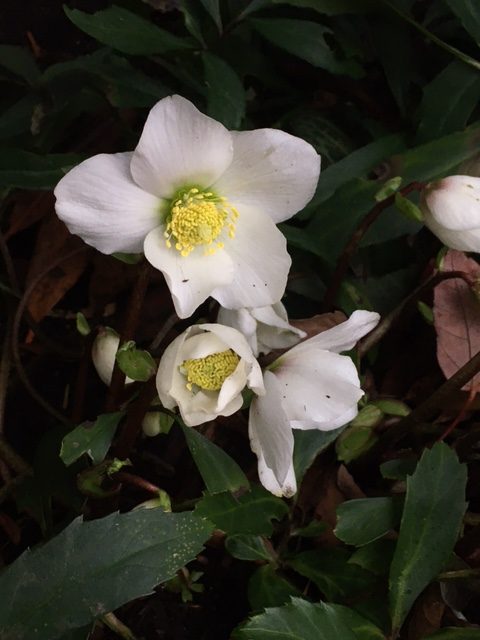
Hellebores can lighten up a shady corner.

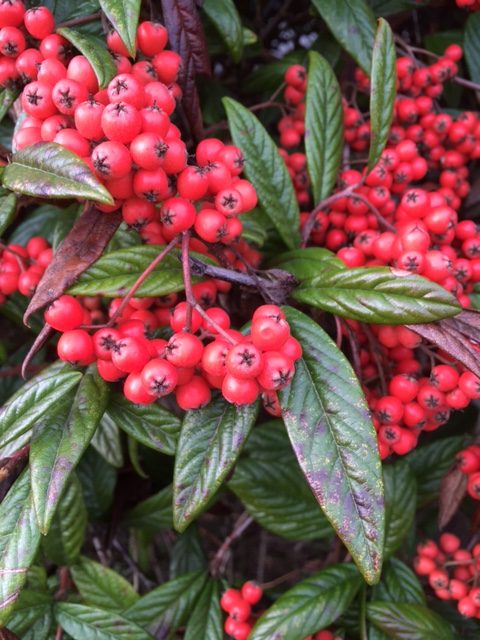
Cotoneaster

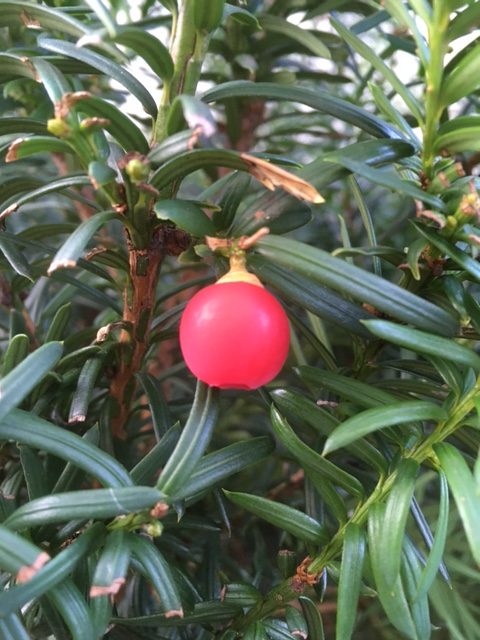
Yew cones (Taxus) are also cute.

Taxus

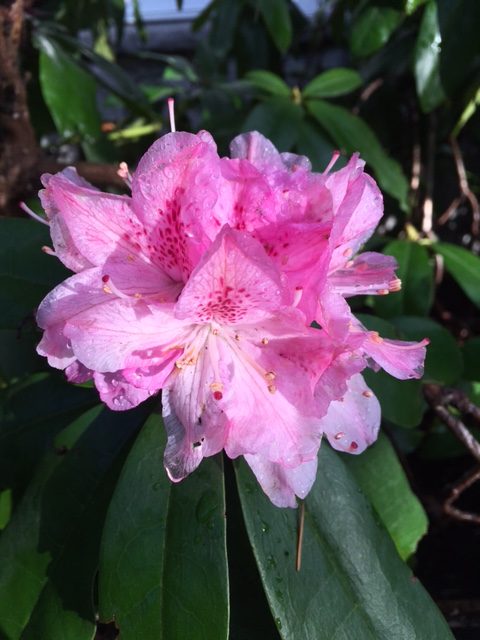
Rhododendron

I shot the above pictures while working out in the landscape. I’m sure your own gardens have some winter color. Enjoy it while you can.

How to avoid killing landscape trees

By | Arborist Insights, Trees | No Comments

Proper planting

If you want to avoid killing landscape trees, start by planting them properly. Follow the advice of gurus like my mentor Dr. Linda Chalker-Scott, who recommends that only trees go into planting holes. Get rid of strings, wires, and baskets. If you don’t, your new landscape tree could suffer.

A routine tree removal

It happens all the time in landscape maintenance. Residents notice brown trees and call us in to remove them. But I also like to ask why the tree didn’t make it. Did the June ‘heat dome’ push it over the edge; was it planted incorrectly; was it abused by pet dogs or damaged by love struck teenagers?

We can’t tolerate dead trees on site.

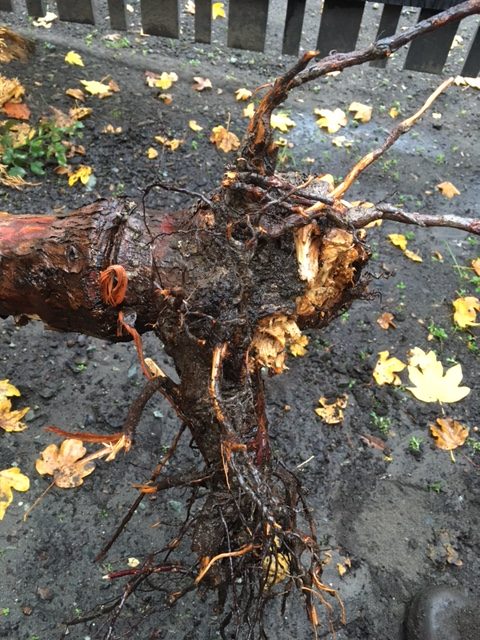
The removal was fairly easy so the tree was definitely dead. A shovel did the trick plus an ax for a few stubborn roots. And my questions were answered even before the tree was completely out.

Girdling

Girdling is like choking at slow speed. When this tree was planted nobody bothered to cut the root ball strings. So, as the tree got bigger, the string got incorporated into the tree. This leads to girdling where nutrients and water can’t pass through and the top eventually dies.

It’s common for the tree to fail at the girdling zone.

Note the string on the left.

Costs

Poor planting technique can kill landscape trees which then leads to extra costs. I’m paid hefty fees to remove the tree and recycle it in green waste. And if the strata council decides to replace the tree, it will cost them at least a few hundred dollars.

We also miss the free ecosystem services the tree used to provide for free. Think oxygen, shade, beauty, and many others.

When you plant trees, only put the tree in your planting hole. Remove all strings, plastic and wires. The death of this tree was preventable; simply cut the string after planting.

Remnant pile of a remnant pile

By | Landscaping, Training | No Comments

Danger zone

I know from past bad experiences to avoid end of the day confrontations. That’s the danger zone where people are tired and ready to go home. They might also be wet from heavy rain or annoyed by their under-performing colleagues. It’s best to make some mental or paper notes and bail.

A few months ago I couldn’t hold my tongue at the end of the day. I was on site to help out and I, too, was ready to go home. My son had soccer practice as usual and I knew traffic would be bad.

Stand-up comedy

What I didn’t expect was to witness an experienced landscaper blow a remnant pile of some leaves and a few pebbles into yet another remnant pile for us to pick up. That must be the worst case of overtime ever. Pushing the entire crew past exit time over a few leaves and some pebbles is unacceptable.

So, I told the dude to stop playing around and blast the remnants out of sight. This could be into the nearby lawn or, better still, into neighboring shrubbery. That’s it. Aggressive, direct and no overtime.

If you catch yourself blowing a remnant pile of a remnant pile, something went wrong. Perhaps the original pile was just a standard pile.

This is how you do it

Let’s see how I put a remnant pile to bed quickly and aggressively.

Some dust, pebbles and leaves.

After picture, 30 seconds later.

Unless you have a broom handy and extra time, blast the remnants into your lawn or nearby shrubbery. Discreetly pushing the dust into a neighboring strata complex is best. Just do it quickly. No more piles.

The lesson

Remnant pile management seems obvious to some and mysterious to others. Blowing remnant piles into more piles is ridiculous. Because this is a family blog, I can’t use stronger language. But I did on site.

This is why staff training never really ends. I want my workers to be sharp and aggressive with small tasks like remnant piles.

Enemies on strata council

By | Strata Maintenance | No Comments

Planting cedars

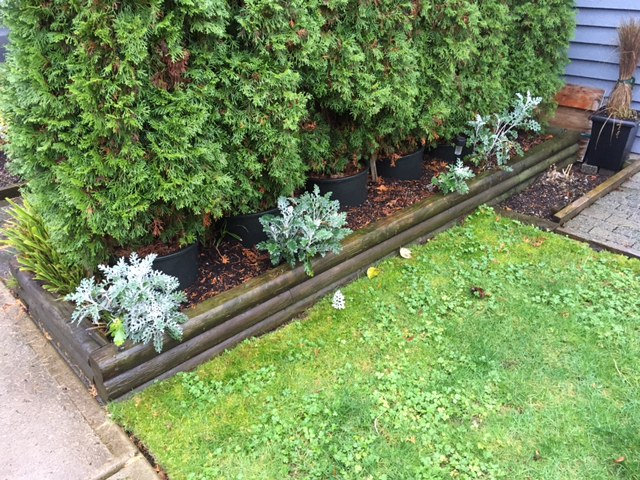
When you look at the picture below, you know something isn’t right. You have cedars in plastic pots sitting in a raised bed; and it looks like the work is still in progress.

Except, this particular unit is occupied by an accomplished home gardener. You know the type. They do their own planting and maintenance and, if you’re lucky, they let you make a pass through with a backpack blower.

Now, the proper planting technique would be to remove the trees from their pots and plant them in the raised bed. This allows the roots to establish in the soil, whereas in the pots the roots would likely circle and eventually girdle the tree.

So, I bravely knocked on the door to find out what’s going on. Perhaps the owners needed help with planting the cedars. I would be happy to help.

Council bomb

It turns out that the owners had removed the pots and-correctly- planted the trees in the raised bed. Then there was a twist. A letter from their strata council arrived shortly thereafter, advising the owners to put the trees back in the plastic pots and plant them like that!? What? That’s ridiculous.

This is what happens when the enemies you make in your complex volunteer for strata council. Now you’re facing a monthly $200 fine if you fail to comply with the order. And we know that the order doesn’t make any sense. The best planting for long-term health is to remove the pots and plant the trees in soil. The way the owners had it in the first place.

Of course, you can go to council and make your case. Not every strata council has the same bylaws. You have to check with your own strata council. I think your unit comes with access to the bylaws.

The owner I spoke to didn’t sound motivated enough to fight. That’s obvious because the trees are now sitting in their plastic pots.

One trick would be to remove the plastic pot bottom so the roots could escape.

Conclusion

Avoid making enemies in your strata complex because you never know who will get on council later. Your enemies could cause lots of headaches for you down the line.