
I came across the term “industrial athlete” while reading an article on caring for your body in Arborist News (February 2013). All green industry workers work hard in the field all year and taking care of their bodies is critical to their work performance.
Some highlights. Many workers don’t eat enough, skimping on breakfast and skipping lunch because of the sluggishness they experience after eating. Proper hydration is important; excessive caffeine consumption contributes to dehydration.
Rest and recovery are important; and so is sleep.
Workers who take care of their bodies perform better and make a larger contribution to their company’s success. Review the article and take care of your body Properly!
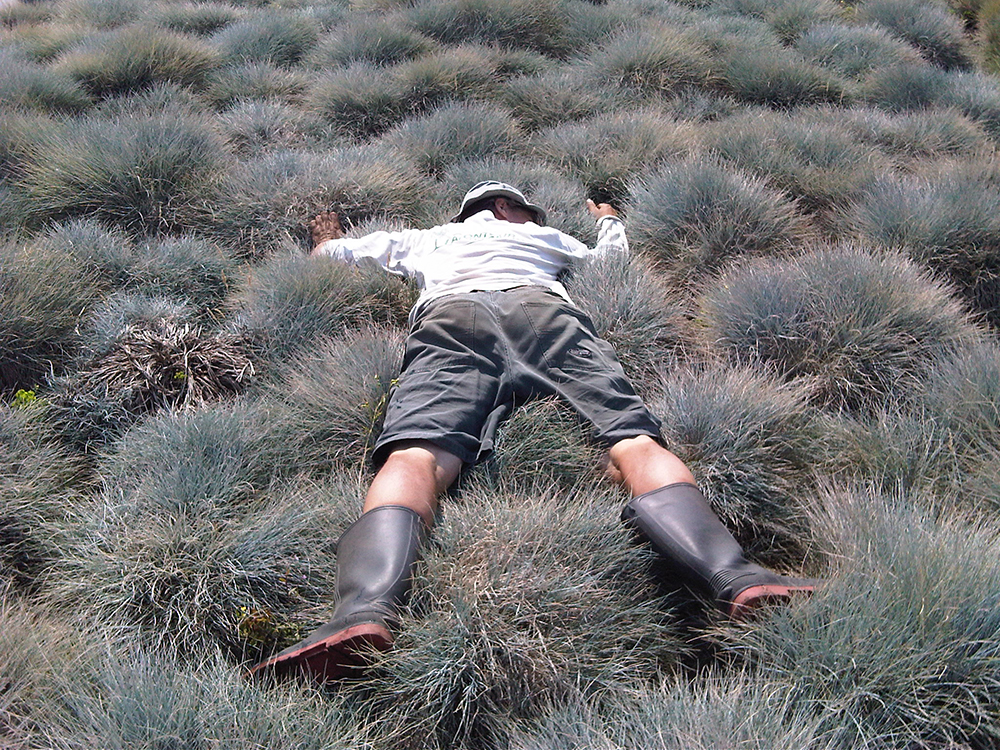
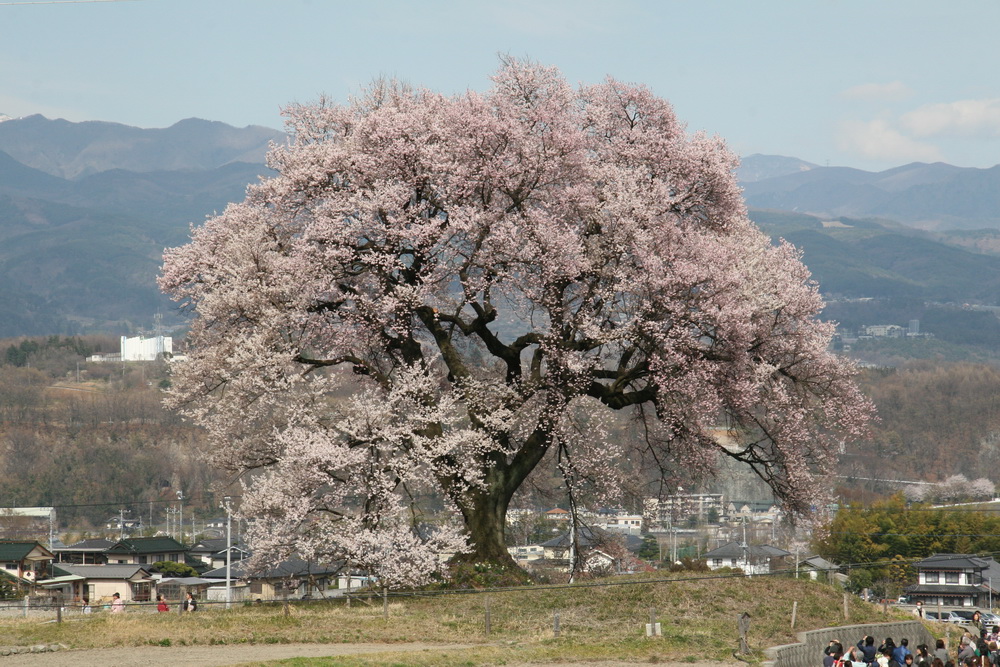
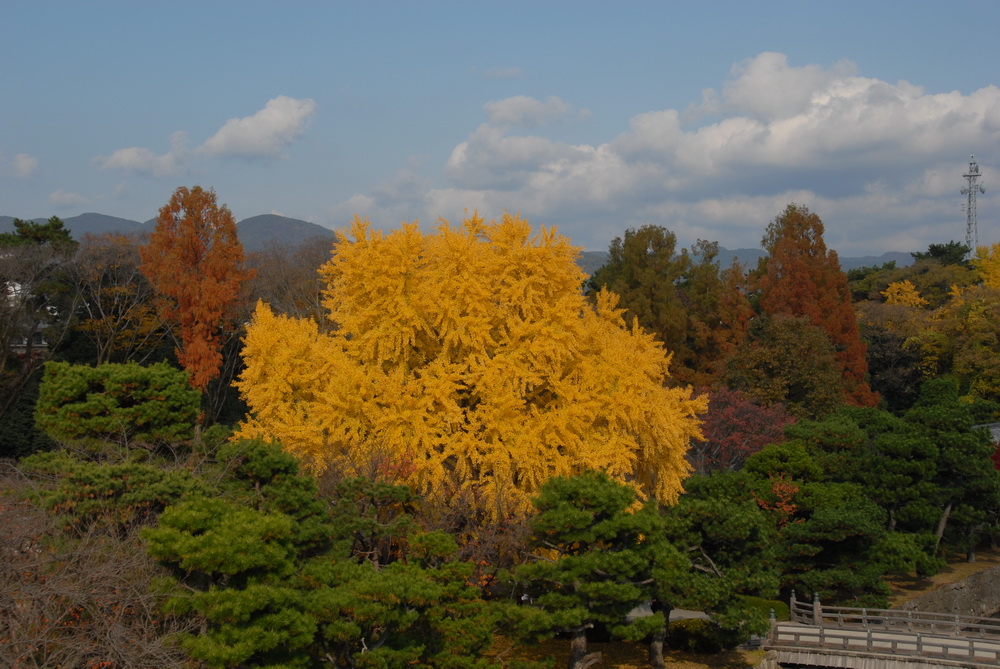
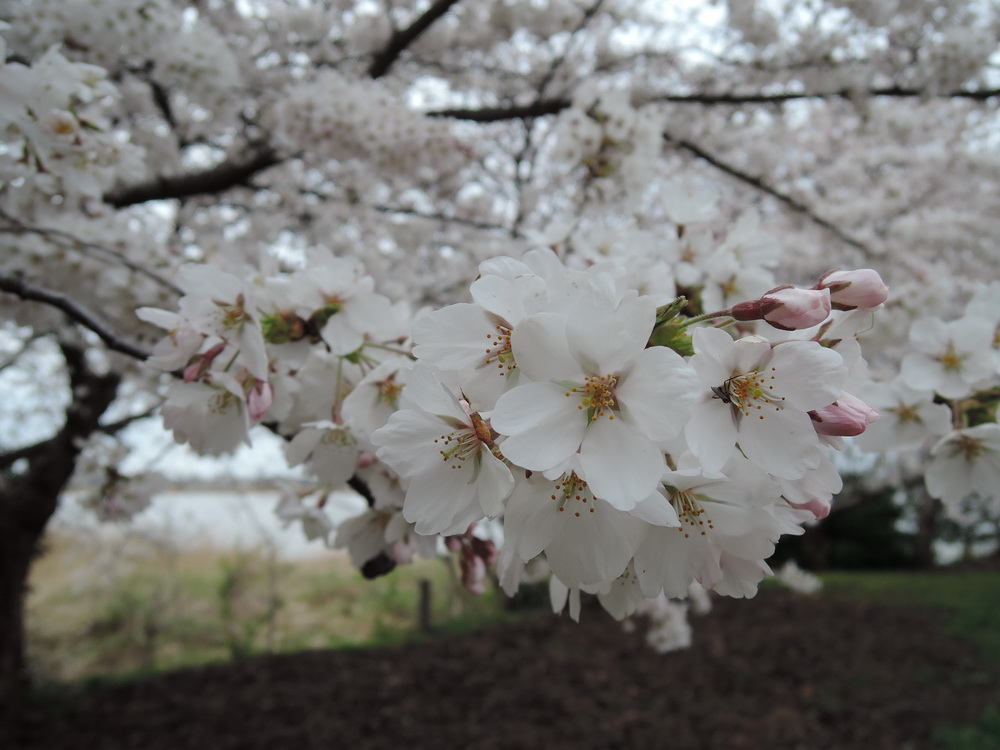
We know conclusively that we can derive health benefits from spending time in nature, or even just by looking at nature. The Japanese have their own research called shinrin-yoku or forest bathing. Read more on this here:http://www.shinrin-yoku.org/
Now some researchers are working on the big remaining questions: What dose of nature exposure is needed to achieve maximum mental and physical health benefits? (How long and how frequently?) Perhaps one day we will get nature pills. Read more here: http://dirt.asla.org/2015/06/
This all means that having beautiful, healthy landscaping around your house or business can be good for your health!
Dr. Linda Chalker-Scott is my hero. She is an associate professor and extension urban horticulturist at Washington State University.


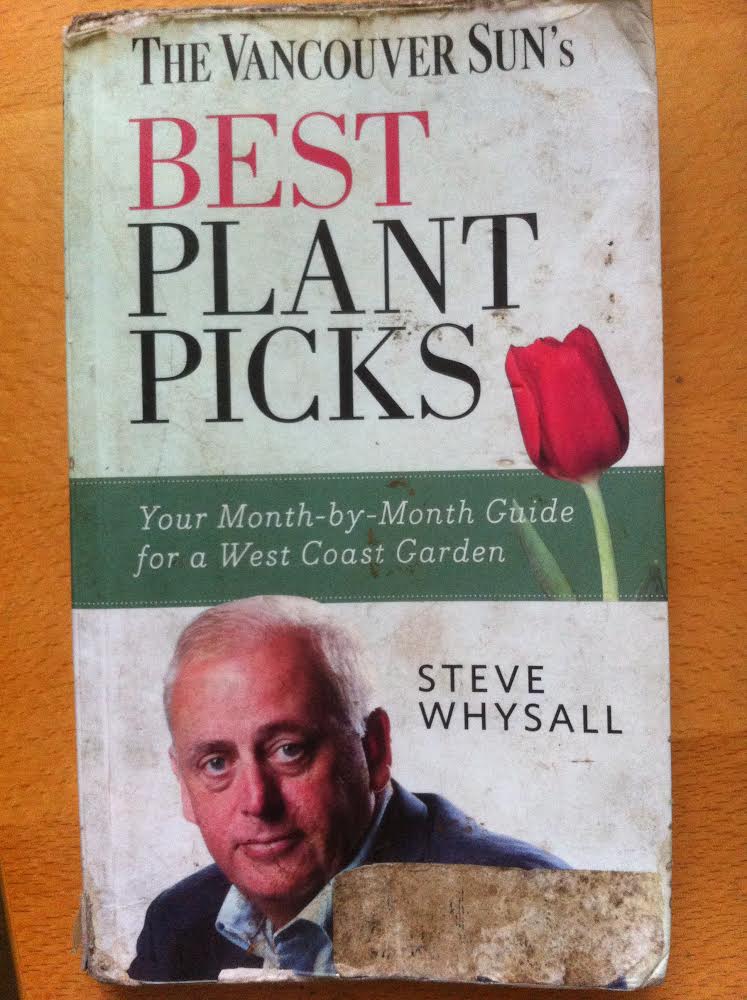
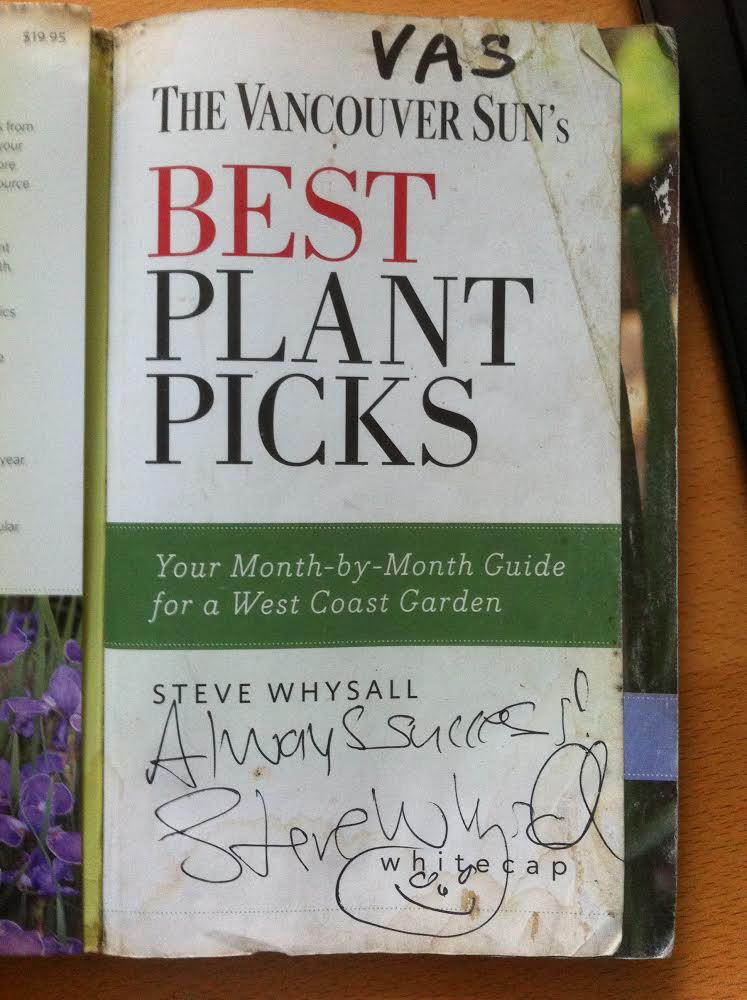
Sustainable Landscape and Gardens is more of a technical manual which can be ordered directly from Linda. Her latest book How plants work is a fantastic book for gardeners everywhere and green professionals. I finished the book while travelling in Japan in late May and my review will appear in a future blog.
Linda also writes in popular magazines and has published extensively in scientific literature. We have already seen reference to her technical paper on mulches in an earlier blog.
So why a hero?
- She is a Ph.D. and gardener who uses sound science
- She translates hard science into understandable and thus usable information for all gardeners and green professionals, and, this is important
- She is “local”
If you are a gardener or green professional, you will love her work. If you read it and study it, it will make you a better professional or gardener. Google her today and thank me later. I hope to meet her at a future seminar…..
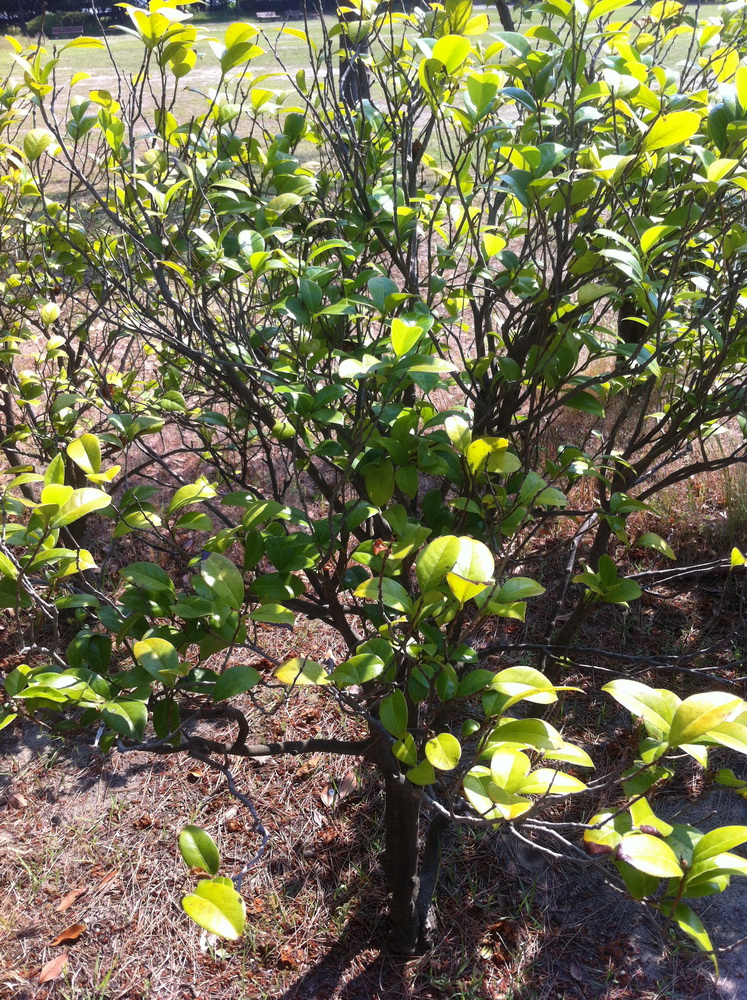
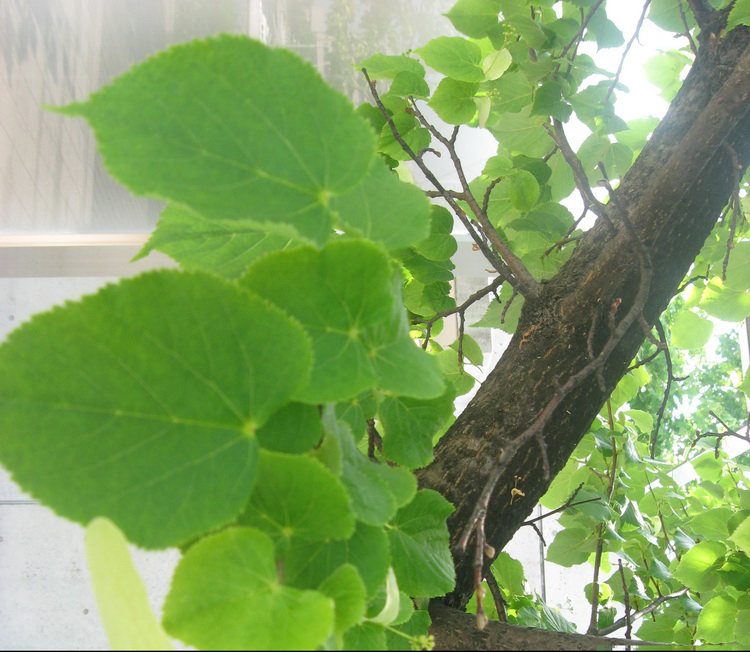
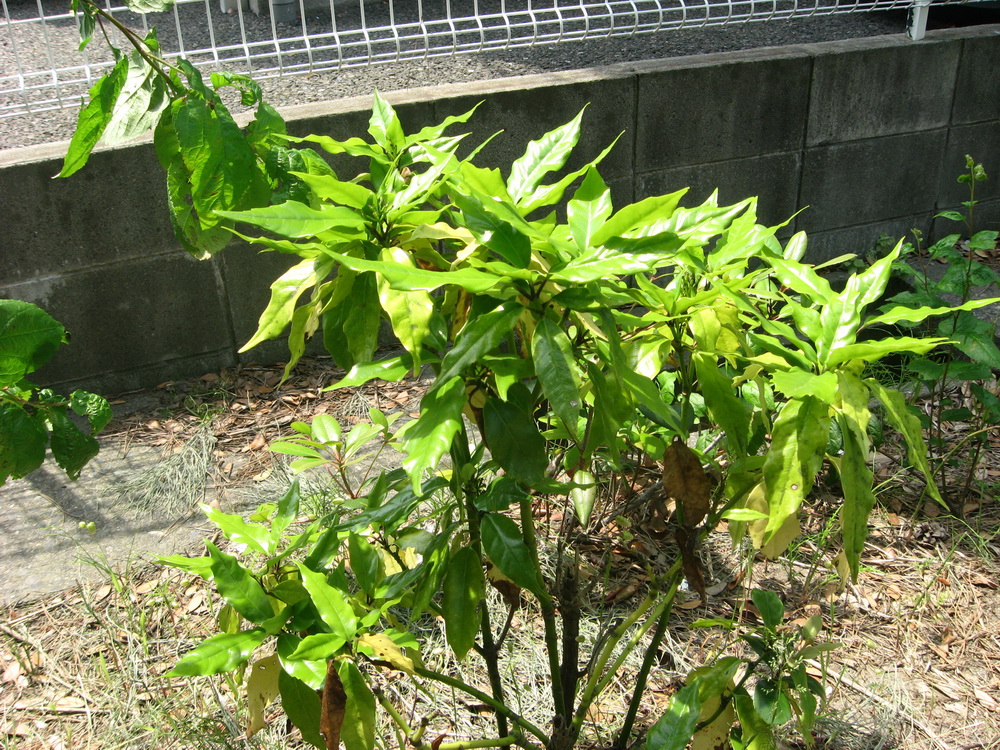
I always wanted to do this: travel to Japan, explore on a bike and catalogue as many japonica/japonicum plants as possible. The list below is from my visit this past May to Niigata City, Niigata prefecture, Japan. It’s situated on the Japan Sea in what is known as the snow country.
Please run through the list and see how many you know. BC residents should get a high score.
- Spirea japonica
- Fatsia japonica
- Styrax japonica
- Aucuba japonica
- Pieris japonica
- Camellia japonica
- Callicarpa japonica
- Cercidiphyllum japonicum
- Hamamelis japonica
- Tilia japonica
- Alnus japonica
- Gleditsia japonica
- Carpinus japonica
- Hypericum japonicum
- Ligustrum japonicum
- Eurya japonica
This show is a must-see for all local green professionals. Walking through the trade show is always interesting. Sometimes there are plant identification quizzes and when you feel like taking a break, head for the beer garden.
There are always plenty of interesting seminars and most are good for education credits, if you are ISA and Landscape Industry Certified. If you are not certified, why not?
My favorite is the all-day Urban Forestry Symposium. The speakers are tree experts with Ph.D.s and the fee includes lunch. So not only do you get to learn new things about trees, you also get a chance to network and meet new green professionals. Priceless.
Most landscape companies have free or discounted tickets. Ask your employer to cover your time so you can attend some courses. I feel it’s time well-spent.
See you there!
- New Location
- Expanded Show
- Stellar Education Program
Registration is now open!
www.CanWestHortExpo.com
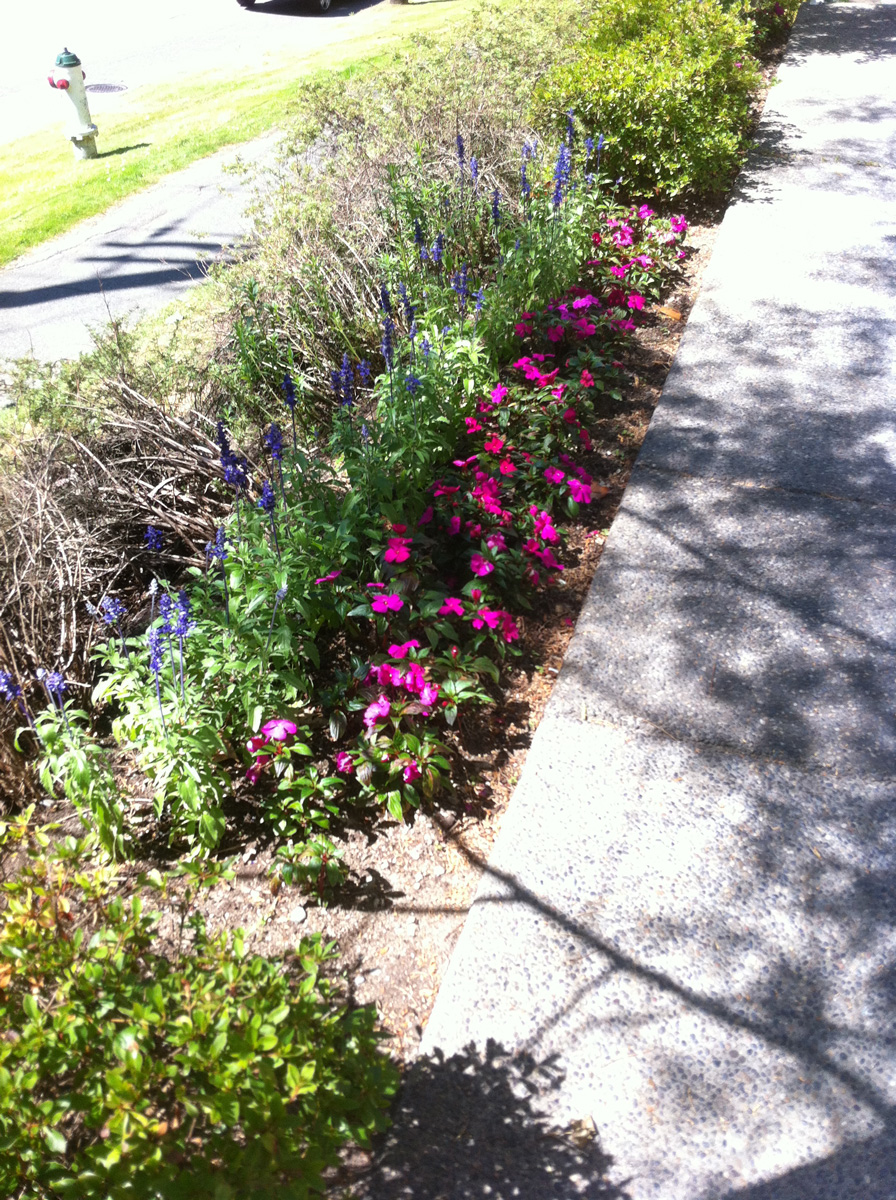
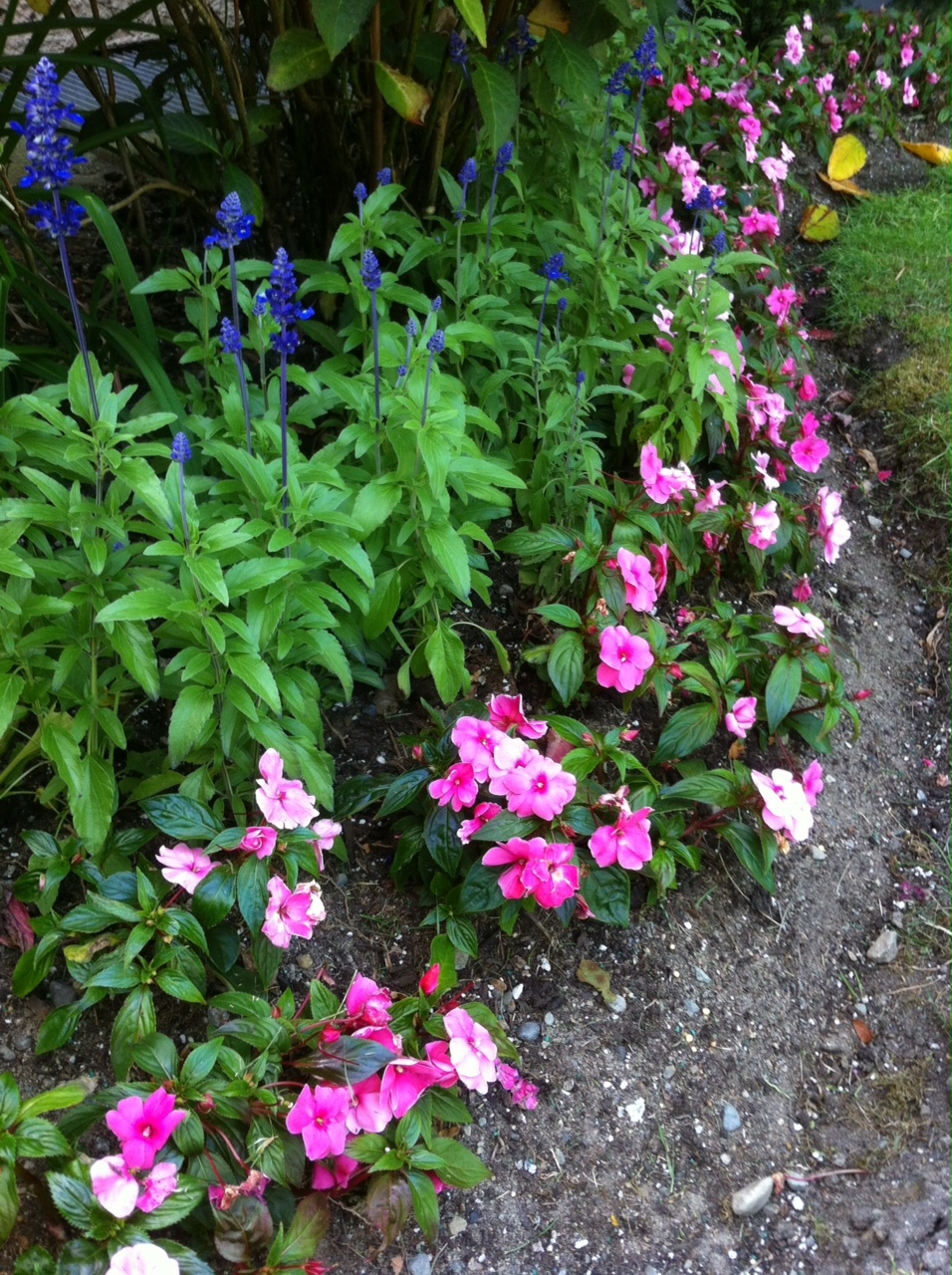
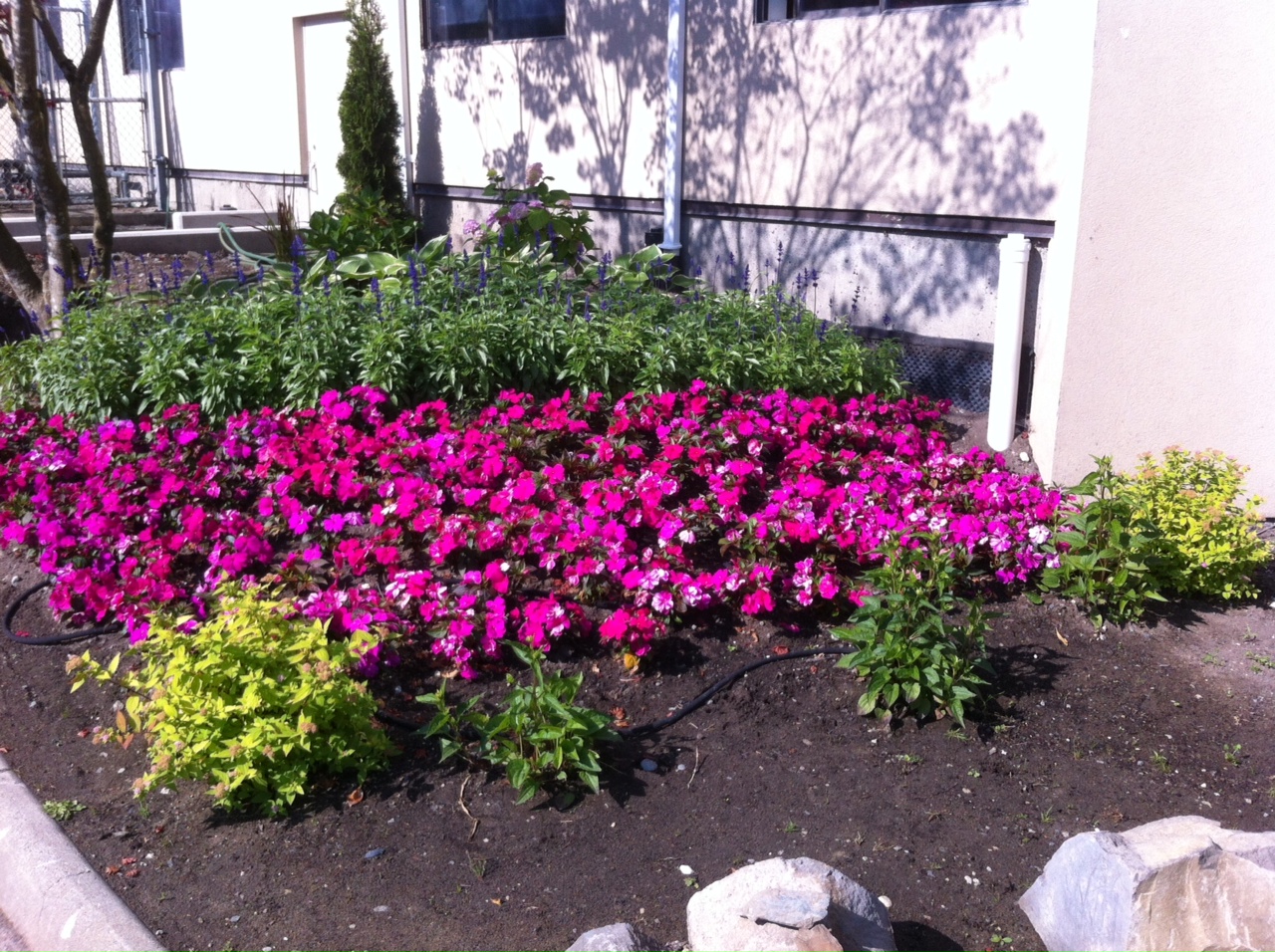
Adding summer color to your garden can be quite easy. Look what happens when you use a simple two plant combination. Blue Salvias work great with Impatients. You can pick your favorite colors and have some fun arranging them. The taller Salvias go in the back. Make sure everything is well-watered. Next season change things up with a different combination or add other plants.
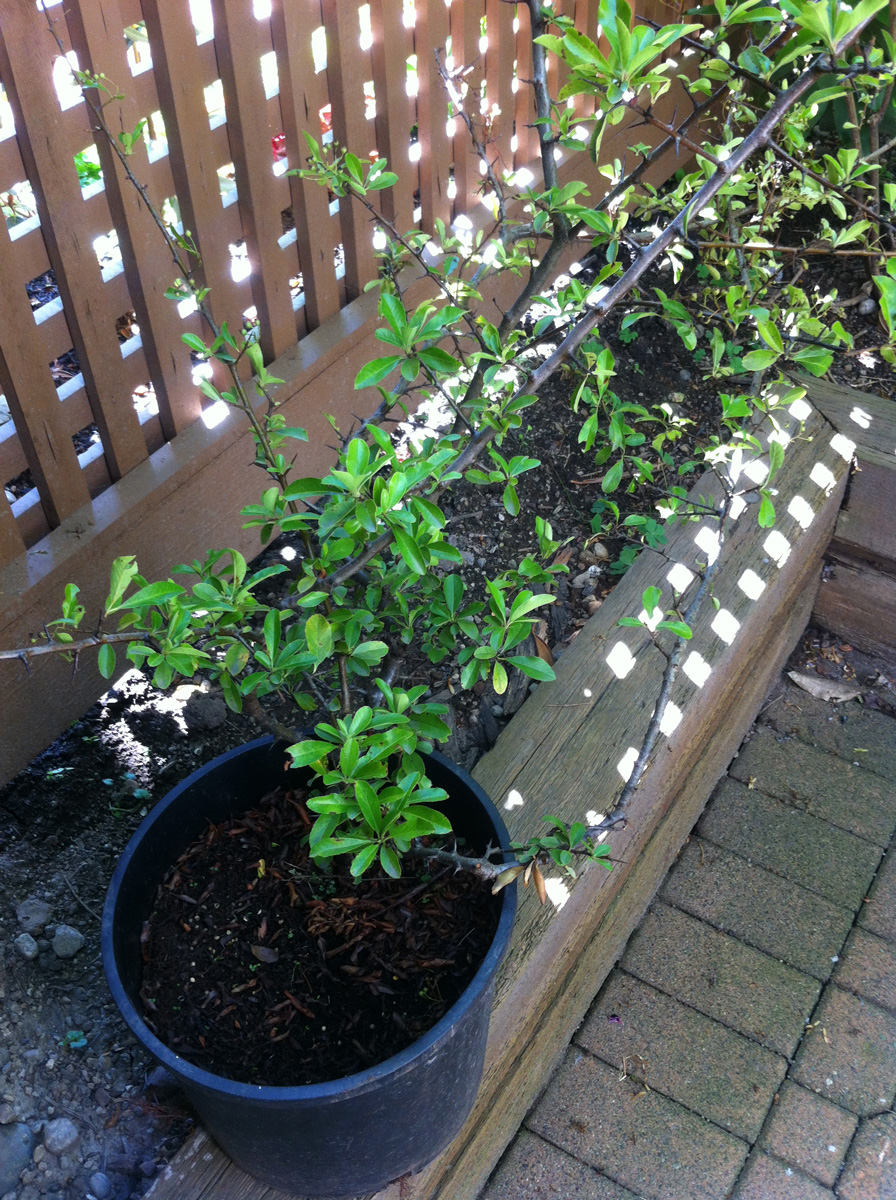
Recently I was asked to plant thirty nine Pyracanthas in New Westminster so it’s a good time to examine this evergreen shrub belonging to the Rosaceae family.
It’s related to Cotoneaster but its leaves have serrated margins and it has thorns.
White flowers come out in early summer and later berries. Pyracantha is a good alternative to artificial walls and fences. It’s also good for wildlife because birds can nest in it, the summer flowers are good for bees and the berries provide food.
Pyracantha is easy to grow and requires little maintenance. Pruning for shape can be done three times a year.
Here is the key feature: the dense thorny structure makes Pyracantha valued in situations where an impenetrable barrier is required. This is why I found myself in New Westminster with thirty nine prickly specimens. The planting happened along the outer parkade walls because of several recent break-ins. Watch out bad people!
On my recent visit to Western Japan I ran into three interesting plants, showing that plant identification work can be done even while travelling.
What plants have YOU discovered?
Bletilla striata (urn orchid)
This plant is very popular in Niigata city.
Callistemon speciosus
This is a shrub in the Myrtaceae family, endemic to Australia. It flowers in spring or early summer. The flowers look like bottlebrushes;
the obvious parts of the flower are stamens with pollen at the tip of the filaments.
Dahlia imperialis
8-10m tall, tuberous, herbaceous perennial; rapidly growing from the base after a dormant winter period, developing brittle, cane-like, four-angled stems with swollen nodes and large tri-pinnate leaves, those near the ground soon being shed
Flowers in autumn before the first frost.
When I found myself recently on the West Coast of Japan, I took advantage of the downtime for some much-needed body maintenance. You can easily take similar steps where you live or wherever your travels take you. How do YOU handle body maintenance?
Step one, look good. Haircut, shave and massage for roughly $15 and only minutes away by bike from my in-laws’ home.
Step two, exercise. Of course! Niigata city is protected from the Japan Sea by a pine forest or matsubayashi. The trails inside are perfect for running. I had a great time running here and stopping to check the local plant life. I never travel without my Salomon Speedcross trail runners.
Step three, massage. $30 per hour was a great deal and I got my back and shoulders done over several sessions. The clinic was clean and comfortable, the girl was cute and my Japanese language skills were good enough to negotiate everything.
Step four, hot springs. This is a must for every visitor to Japan. The hot water baths feel awesome and when the heat starts to get to you, sneak outside to the open air bath or rotemburo pictured below. For obvious reasons the female bath is discreetly walled off.
Step five, eat well. Japanese food rocks, from sushi and sashimi to a quick bowl of ramen. A $7 bowl of ramen always hits the spot and ramen shops are everywhere. Trying different versions of ramen is great fun.
Nicely recharged, I am now back at work! Don’t forget about your body maintenance.
There is still time to join a free online soils course called Soils: Introducing the world beneath our feet, starting July 6, 2015, and taught by Dr. Carly Stevens from Lancaster University. It’s an online course with videos, articles, audio, discussions and assignments. Students will take part in activities that explore the soils where they live. No prerequisites or experience required, the course is open to all.
To register follow this link: https://www.futurelearn.com/
2015 also happens to be International Year of Soils! Visit www.fao.org/soils-2015/en to learn more about this precious resource.
See you in class!