
All Posts By

Vas Sladek

How landscapers crush winter

By | Landscaping, Mulch, Seasonal | No Comments

I’m often asked what landscapers do exactly in winter. So let’s take a look at one example from today. Incidentally, today was a beautiful sunny December day and I’m hoping it stays like this until Christmas.

Materials

First, I had to dump green waste because I didn’t get to it on Friday. Normally it’s a routine task but since temperatures dipped over the weekend, I was worried about my green waste load freezing to the truck deck. Luckily it went well.

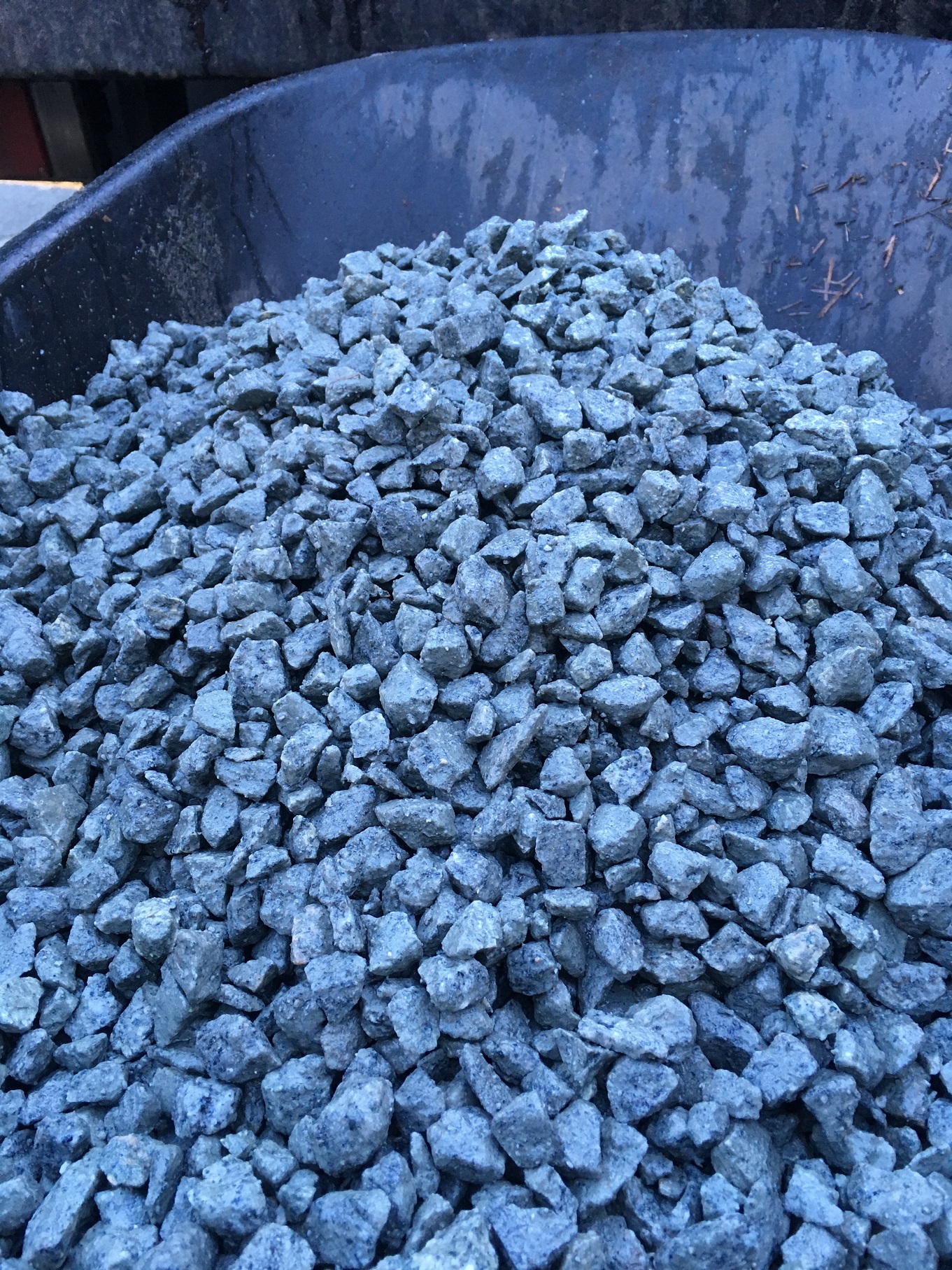
Second, I picked up three yards of 3/4 crush rock. Yes, installing rock is a great winter task because it can be done on colder days when soils aren’t really workable; and pruning brittle plants could ruin them.
 

IMG_5572

3/4 crush.


Community garden

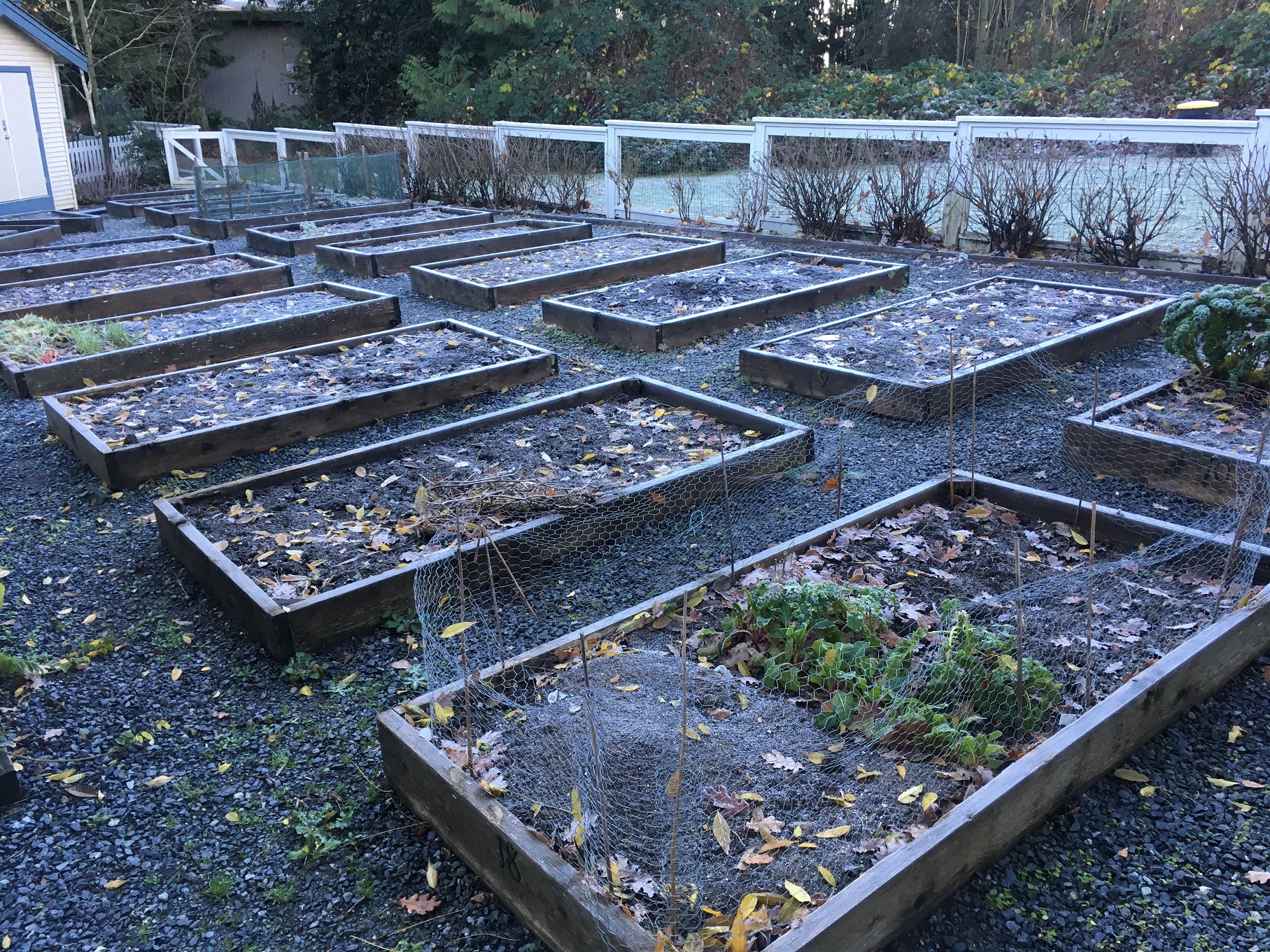
The goal was easy: replenish pathways in a community garden. The pathways did look tired and there were some big weeds so I spent some time on weeding.
 

IMG_5575

Note the weeds and depleted crush levels.


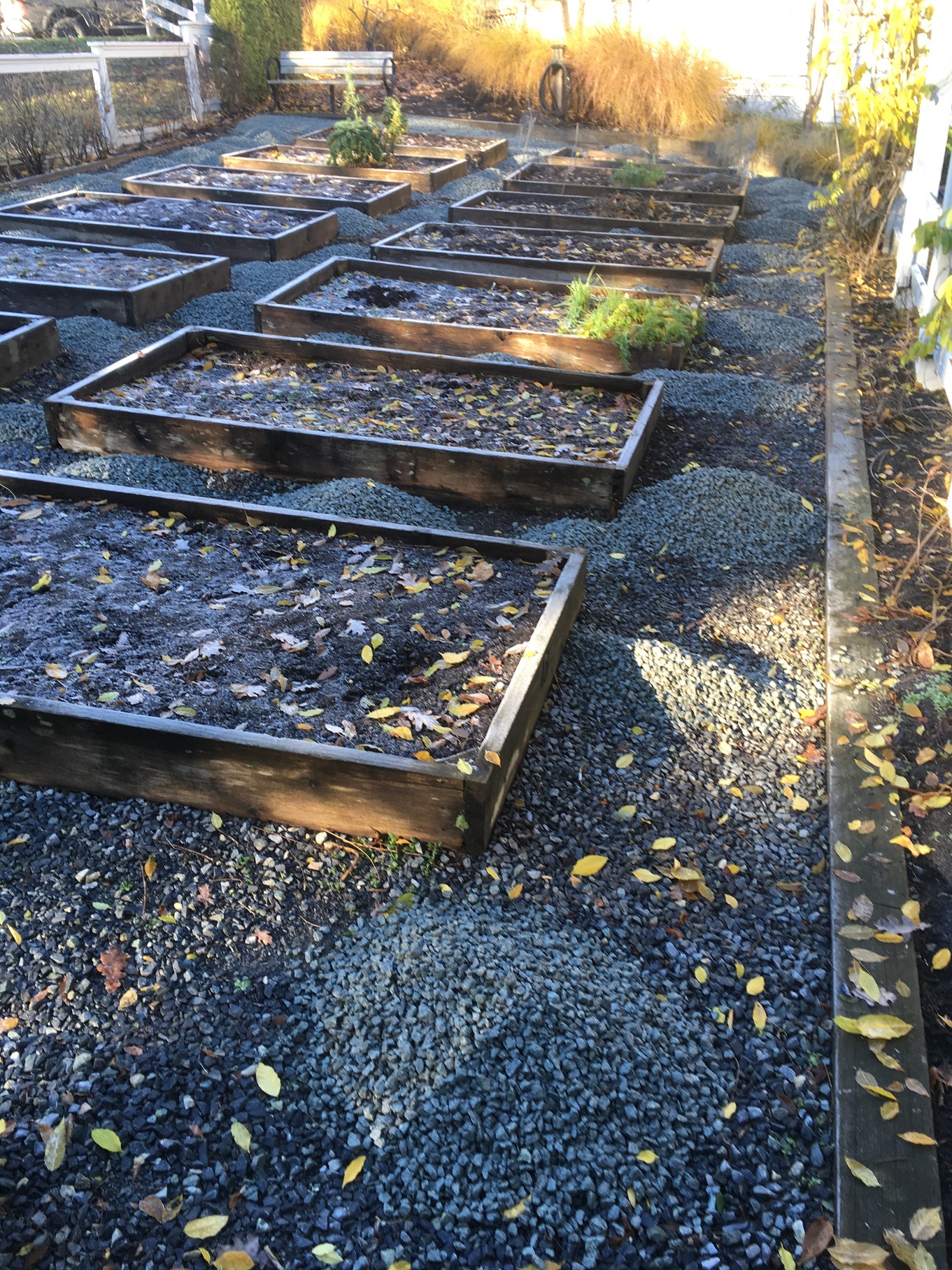
Then I wheelbarrowed the crush in. Simple work.
 

IMG_5581


All done, for now. There will be more crush brought in here this week to make sure we have an adequate layer of crush. This should help to keep weeds down.
 

IMG_5584

This looks much better.


Preparations continued

Pathway preparation isn’t super exciting to read about but I want to point out that not all landscape tasks are sexy. Sadly, some workers attempt to “cherry-pick” their tasks, preferring to do easier stuff. I personally hate this approach. As a landscape supervisor I do everything, without any “cherry-picking” and I’m hoping it will rub off on our employees.

I recommend to all of our apprentices that they do all tasks and do them well. That’s the best preparation for their Red Seal exams.
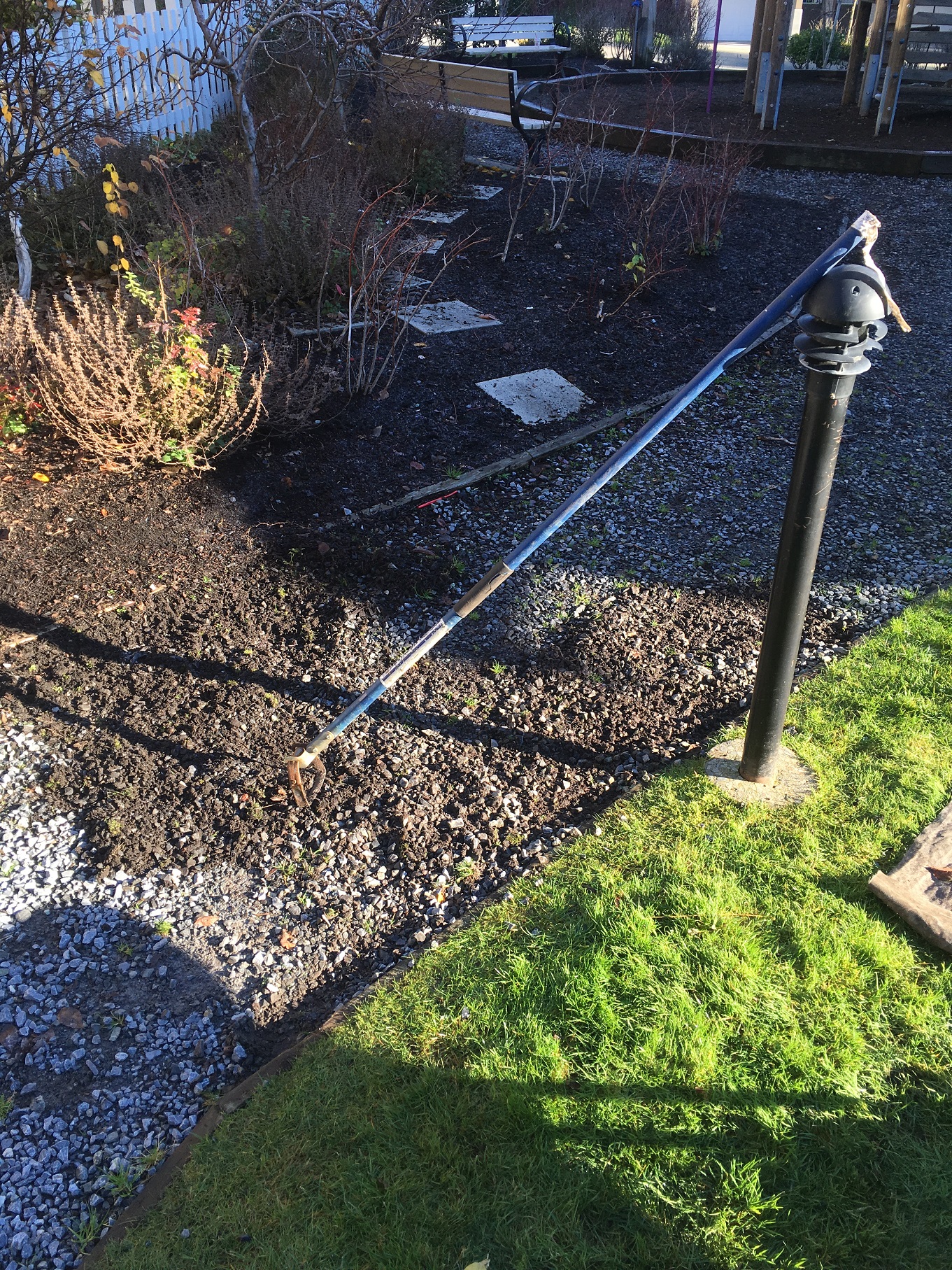
 

IMG_5585

Scuffling weeds out of pathways is a lot of labour but it has to get done.
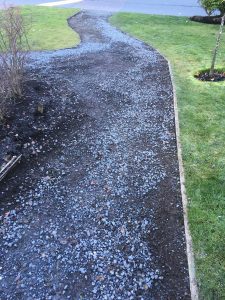
 

IMG_5599

All prepared for new crush install.


Conclusion

West Coast winter landscaping can be a challenge but there are tasks that can be done in lower temperatures. Installing crush and weeding pathways are two decent winter landscape tasks.


Plant ID eBook dream

By | Education, Plant Species Information | No Comments

One of my earlier blogs showcased my plant ID picture book specifically targeting strata landscape plants. New workers would come on and they would ask me the same plant identification questions over and over. Now, as a landscape supervisor, I’m paid well to help out as much as I can. But it does get repetitive. So I self-published an eBook on Amazon’s KDP with 100+ of the most common strata landscape plants.

Practice

It took a while but the whole thing finally clicked with a new worker last week. She stared at a Viburnum davidii shrub and asked me if it was a Portuguese laurel (Prunus lusitanica). No, it wasn’t. Then she sighed and expressed her frustration with plant identification.

And I was ready! Why get frustrated when I put together an eBook for people like her. It’s nothing special. It’s just a simple picture collection of the most common plants we see on our strata (multi-family) sites. For the price of one regular Starbucks coffee you get a list of plants you’re guaranteed to see on your work sites. No tropical plants or vegetables, no fluff to waste your time.

Once you cover the basic 100+ plants, you should be good to go. Yes, the plants don’t repeat completely but I can handle questions about beautiful Ligularias. Viburnum davidii are fairly common.


IMG_3350ed

Viburnum davidii

Amazon

So the girl went home and bought a copy of my eBook. It’s a simple process and it’s extremely cheap. And every sale boosts my Amazon ranking, which is updated hourly. That’s why my Facebook post was called “#1 for an hour”.


IMG_5461


Why plant ID?

Plant ID is a critical skill for landscapers. Knowing plants speeds things up on site and avoids many embarrassing mistakes. It’s also something bosses expect you to have. After all, this worker wants to be in a foreman position next year which will lead to better pay. I will help her as much as I can, now that she’s my “client”.

I’m really happy that this whole thing worked out the way I envisioned it.

One major glitch with ISA’s TRAQ qualification

By | Arborist Insights, Education | No Comments

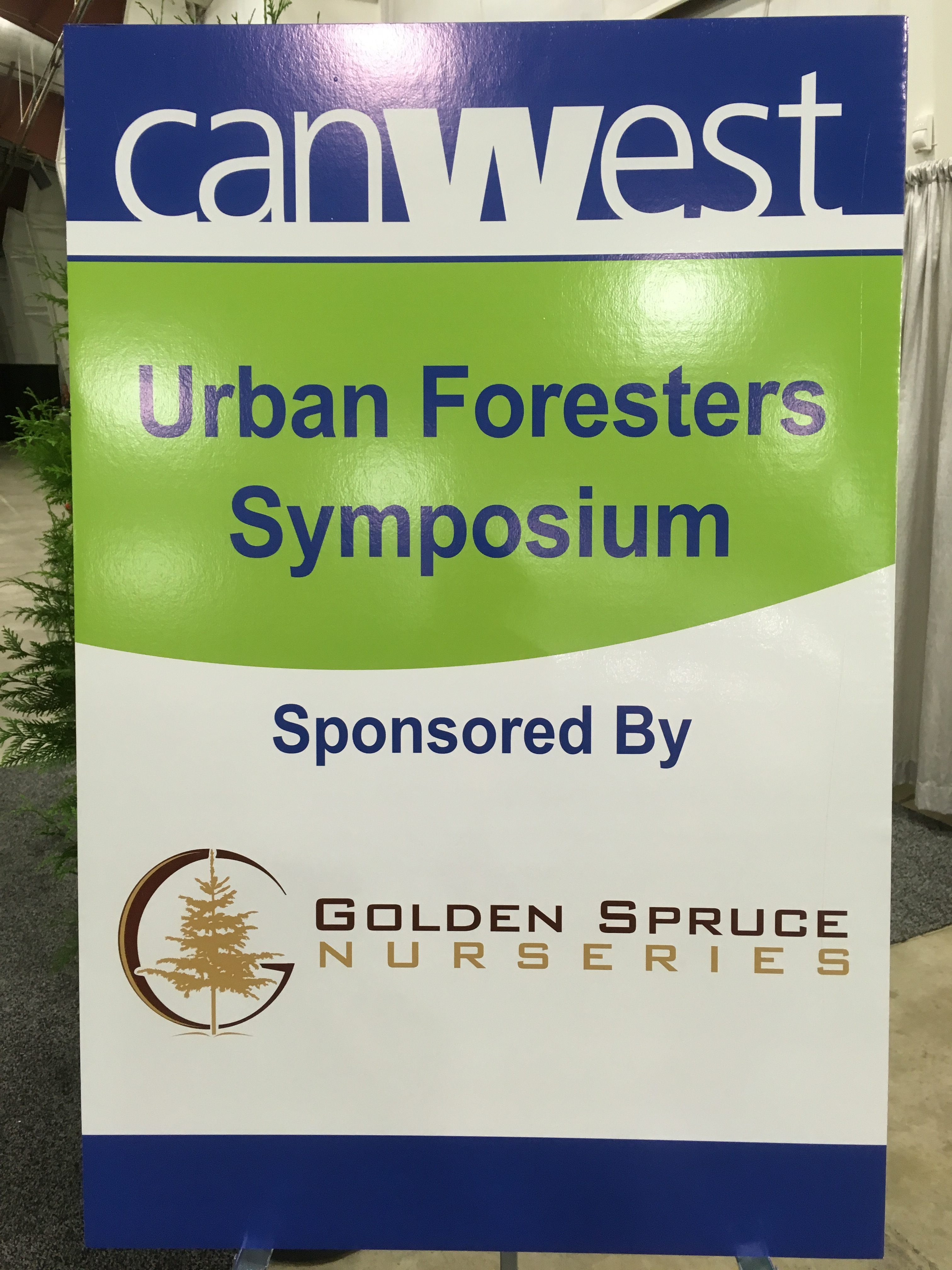
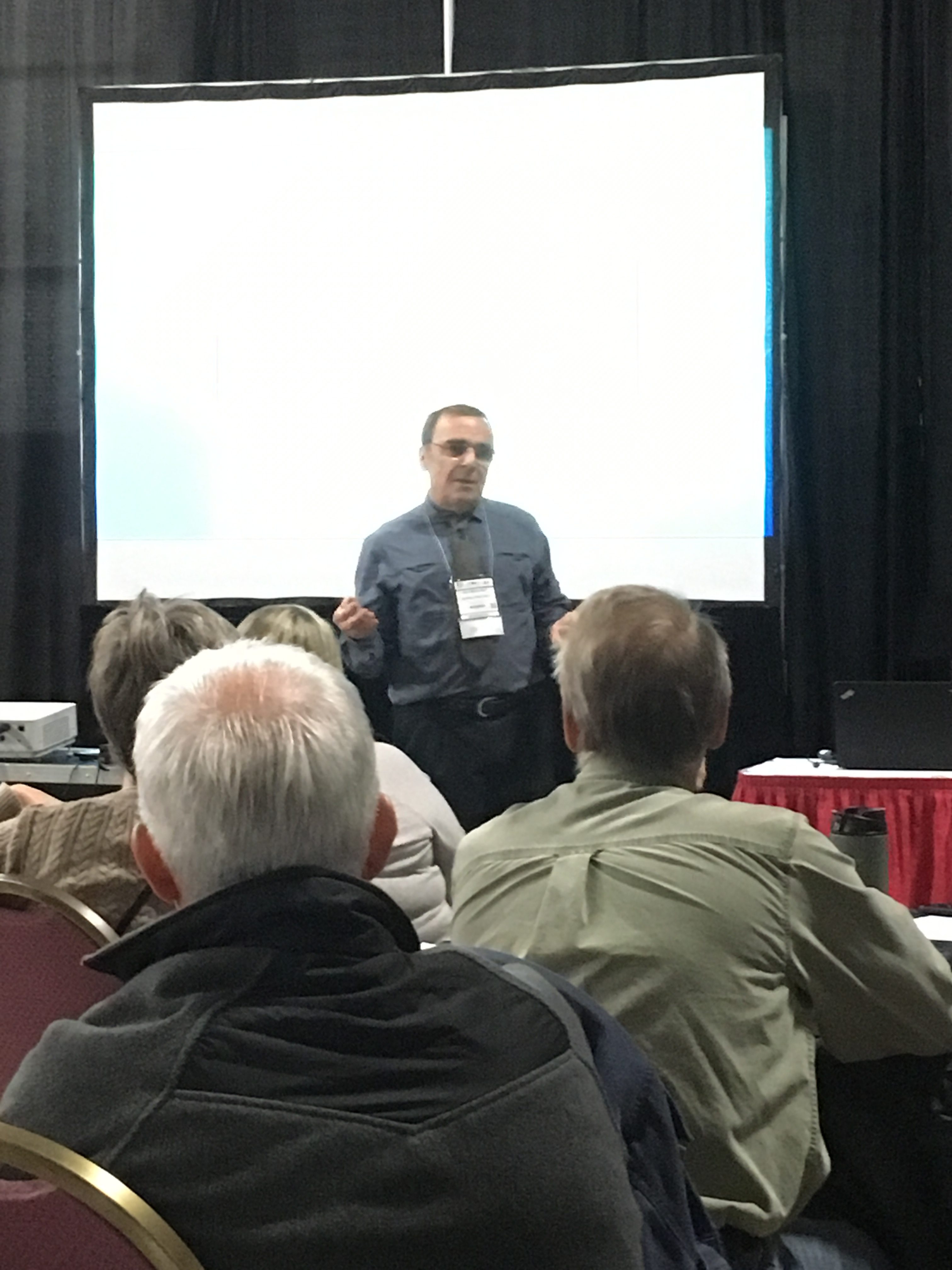
One of the four lectures listed in the Urban Forester’s Symposium didn’t really excite me. Effective report writing sounded too soft. I prefer hard, technical lectures. But effective writing is very important. I should know. I’m trying to grow this blog and squeeze money from clients on other blogs.

Occasionally, I also have to write tree-related correspondence and construction sign-off letters.


IMG_3502


The glitch

TRAQ (Tree Risk Assessment Qualification) is ISA‘s new qualification and my lecturer, Dr. Julian Dunster, is heavily involved in the training of new candidates in the Pacific Northwest. But there is a glitch: as new TRAQ qualified arborists start writing reports, clients complain that the reports they generate are poor. So you may be able to assess the condition of my tree at home but your report to my municipality may not be understood. Or flat out rejected.

I thought it was almost comical but effective writing is a skill. You have to practice it and develop it. You can start by taking Dr. Dunster’s January course. Keep on writing and get better.


Seminar notes


Below are some key ideas from my notes.

1. There is no such thing as a private report. Assume that your writing will be made public. So be careful.

2. Think clearly-write clearly.

3. Know your audience and assume they know nothing.

4. Start at the beginning: what’s the assignment? Tree inventory, risk assessment or tree removal?

5. What’s the deliverable? Memo, email or a detailed report?

6. What’s the purpose of the report? Are you simply recording events and facts or are you informing people of your opinion?

7. Who is the client and what’s her educational level? Homeowner will differ from an engineer.

8. Don’t waffle: say what you mean!

9. Unsure about your grammar? Read it out loud. If it sounds funny, it probably is. Also, eliminate obvious typos.

10. Your report should contain evidence and justify your opinion. Simply saying that the homeowner’s tree is declining doesn’t help.

11. What’s your style? Passive or active? WordPress likes it when I use active voice but writing passively on a technical report might be fine. Just don’t mix the two styles. “It was observed….” vs. “I observed….”.

12. Keep your sentences sharp, short and to the point.

13. Remember, your reader needs information from you to make a decision.

14. Expect your reports to be in pdf format and follow logical steps: Introduction, Body, Wrap-up. Include pictures. Data can go in the appendix.

15. If you can’t explain something simply, you don’t understand it well enough. You must be credible.

16. Punctuation is important!

17. Cut out unnecessary stuff and don’t rush- come back to your report later.

Conclusion

  1. Good reports take time
  2. It’s hard work
  3. Be professional
  4. Mistakes happen


Ornamental grass cutback: time it right

By | landscape maintenance, Seasonal, Species | No Comments

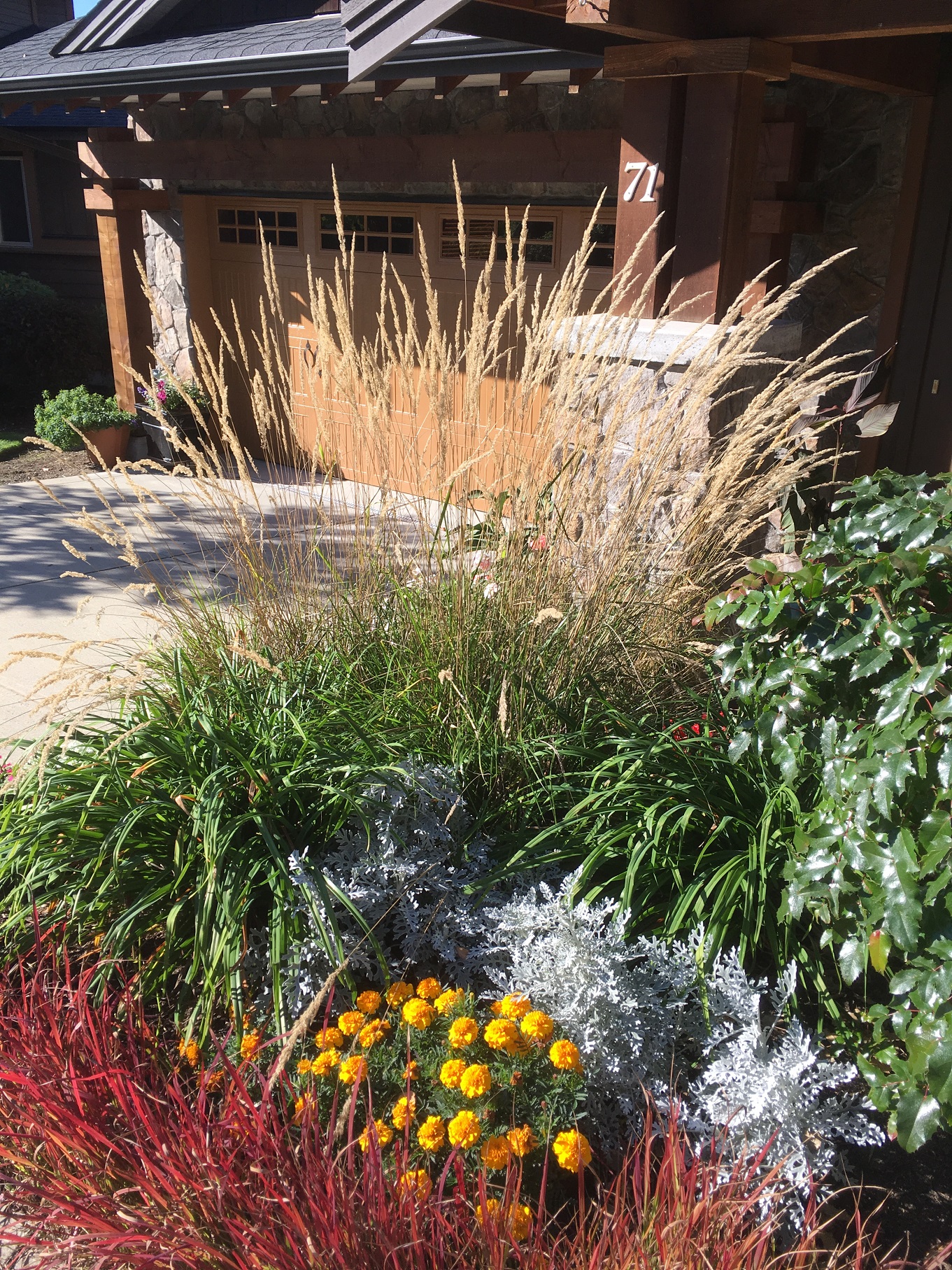
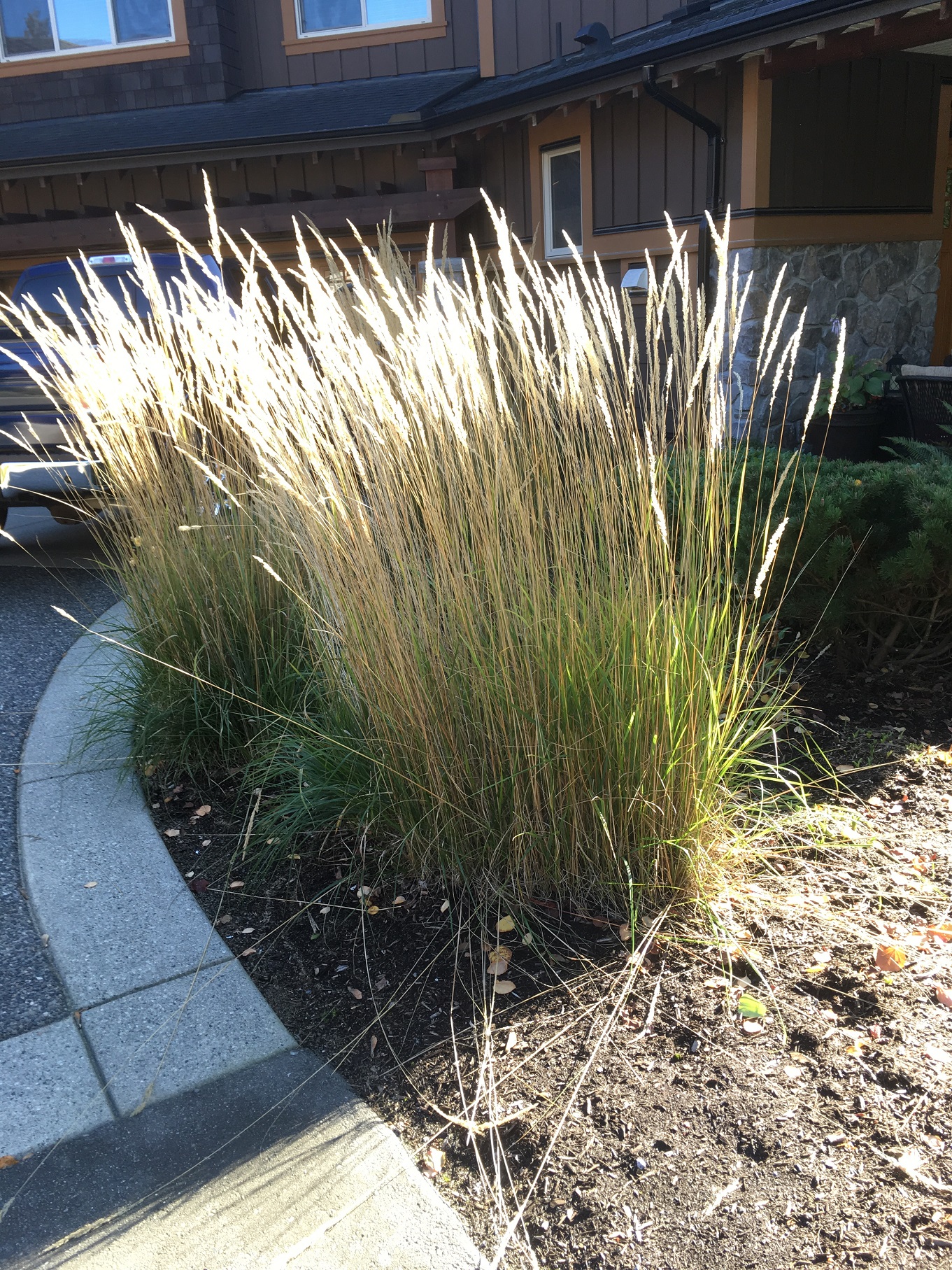
I was on a large strata site last week planting winter pansies and testing out a new Stihl brush cutter. Finished for the day, I descended down the long private road that winds through the complex. And what really struck me was the beauty of the ornamental grasses. They were gently moving in the late afternoon sun and they put on a great show. They were ornamental for sure.


IMG_3881


IMG_3856


IMG_3884


Pressure

Unfortunately, the beautiful Calamagrostis x acutiflora ‘Karl Foerster’ were coming down. So you have to ask yourself why this is happening just as the grasses start to look their best. It comes down to pressure because this particular strata site is huge. It takes four weeks to make one full maintenance rotation. And the fear is that before the grass area is due for service, rain and wind will have destroyed them. That’s too bad because the show they put on along with their cousin grass species totally warmed me up. Now all that was left was a grassy stump to look at until next spring. This totally defeats the point of planting these grasses when they’re not allowed to be ornamental.

Note that there is always the possibility of rot in the centre when the grass is cut back too early.


IMG_3858

This is it until next spring. Rot in the middle is always a danger.


Cut back timing

Ornamental grasses flower in the fall and when everything else in the landscape fades, they give us something to look at. Personally, I cut them back only when they’re all broken up on the ground.

If you can let your ornamental grasses stand into winter, you might get rewarded with a beautiful frosty look. And birds also feed on the flower spikes in winter when there isn’t much else to eat.

If you can, let your grasses be ornamental and enjoy them well into spring. If you must cut them back, do it when they’re flopped over and hugging the ground.

Collecting CEUs is a snap!

By | Education | No Comments

So you made it, you passed your written and practical exams and now you’re Landscape Industry Certified. Great. Now the hunt is on for education credits and this blog post will show you how easy it is to collect them.

Requirements

The requirement is 24 CEUs every two years, ending on December 31. I renewed this year so my next renewal will be on December 31, 2019.

The renewal fee is $84.75 and the form and payment must be sent on time to the Canadian Nursery Landscape Association. There are late payment fees and if you leave it really late, they will make you re-write the tests. So renew on time.

Yes, I know, it’s a nice money grab but it forces you to learn which is excellent. And you should be able to pass the renewal cost on to your employer. Your employer in turn looks good for having certified professionals on staff.

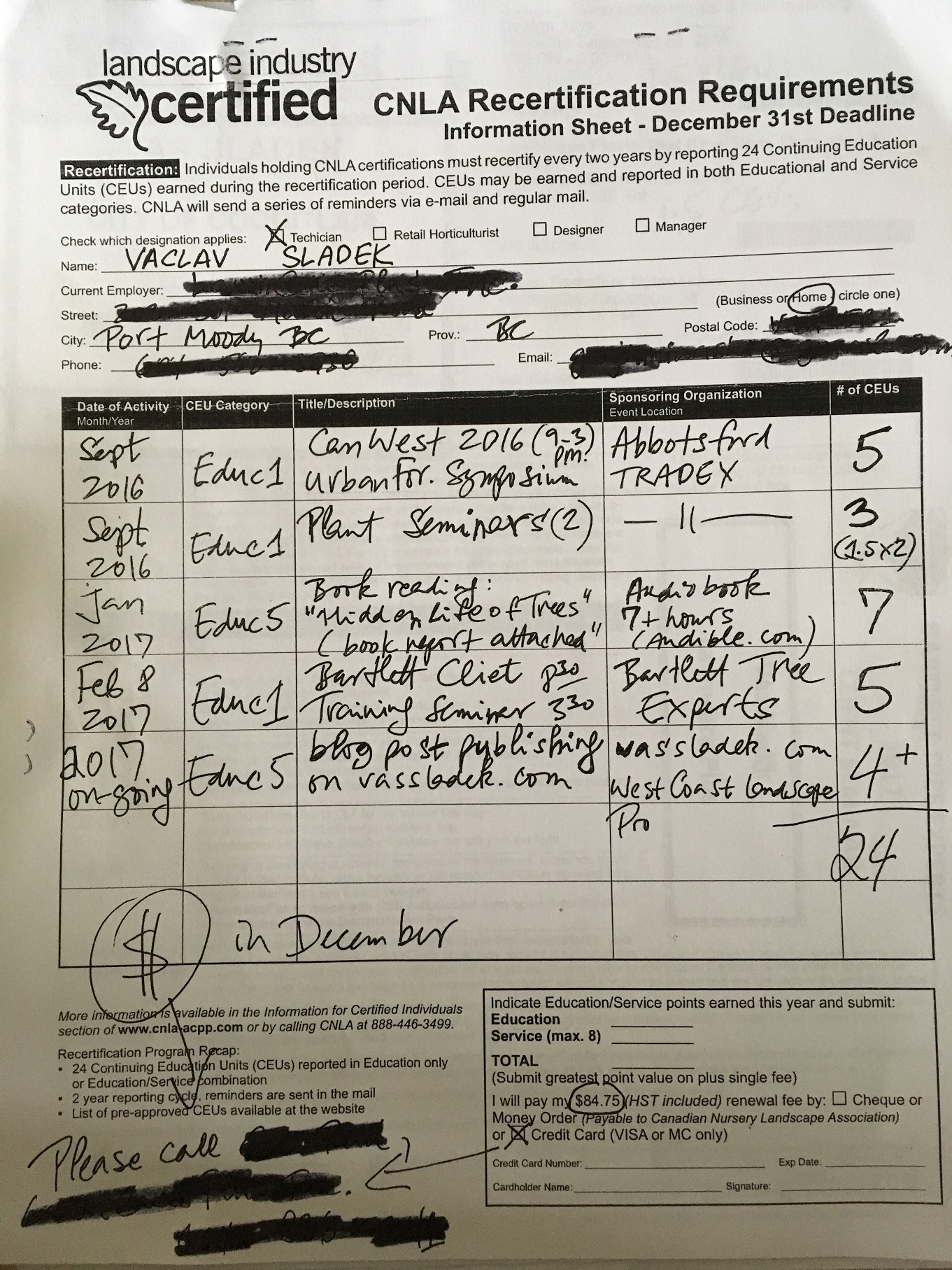
So how do you collect the required CEUs? Take a look at my last CEU report.


IMG_1949


Trade shows

Attending trade shows is the best way to score CEUs because you get to mingle with other professionals while you do it. I usually attend the CanWest Hort Show in Abbotsford, BC, the best trade show there is in British Columbia.

Last year I attended the all-day Urban Foresters Symposium which often features Ph.D. speakers who are extremely knowledgeable and articulate. Lunch is included in the $200 fee.

I also took in some plant seminars, each lasting 1.5 hours.


IMG_1485


Books

I used to struggle with book reading time estimates until I discovered audiobooks. Now it’s a breeze because the listening time is clearly shown. I strongly recommend Peter Wohlleben’s “The Hidden Life of Trees” book. It will change the way you look at trees. Forever.

Finding appropriate books for CEUs is easy. It’s normal for me to finish one book while I work. I highly recommend Audible.com.


Bartlett Tree Experts

Bartlett invites clients every winter to their client training seminar so my boss sent me. And it was worth it. It was snowing lightly outside so it was nice to be inside with hot drinks and great lectures.

Finding lectures and seminars is easy. Van Dusen Botanical Garden also puts on many lectures that qualify for CEUS.


Blogging

As a professional blogger I could point the CNLA to my published blogs. And I will do the same for my next renewal. I find I learn lots by writing about landscaping, gardening, trees and horticulture.


So don’t worry about collecting CEUs. Passing the CLT tests was the hard part.


Adding some winter colour is easy

By | Seasonal | No Comments

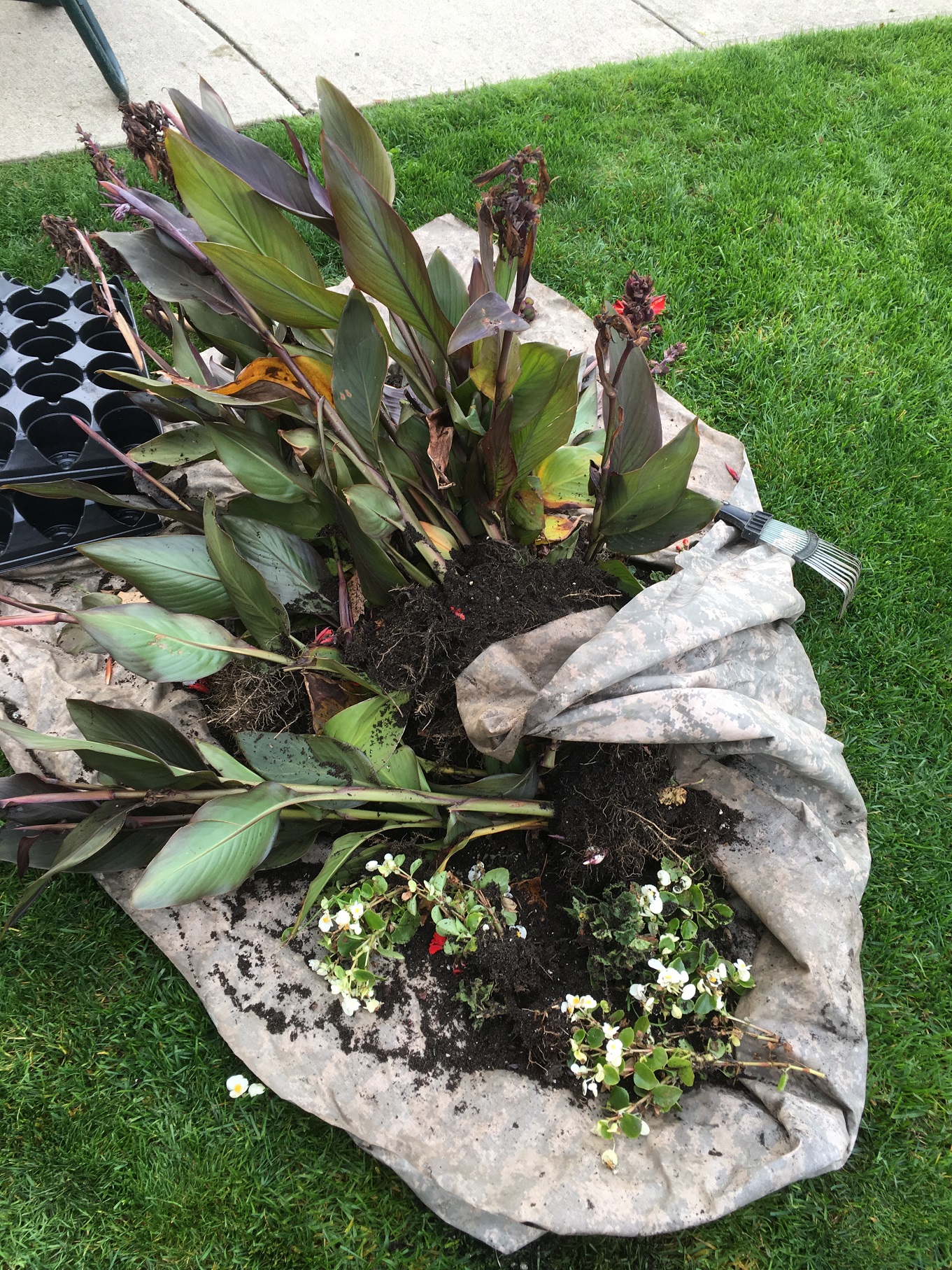
By early fall most summer annuals start to look suspicious so we remove them and clean up the beds. Now what? What do we do with bare beds all winter?

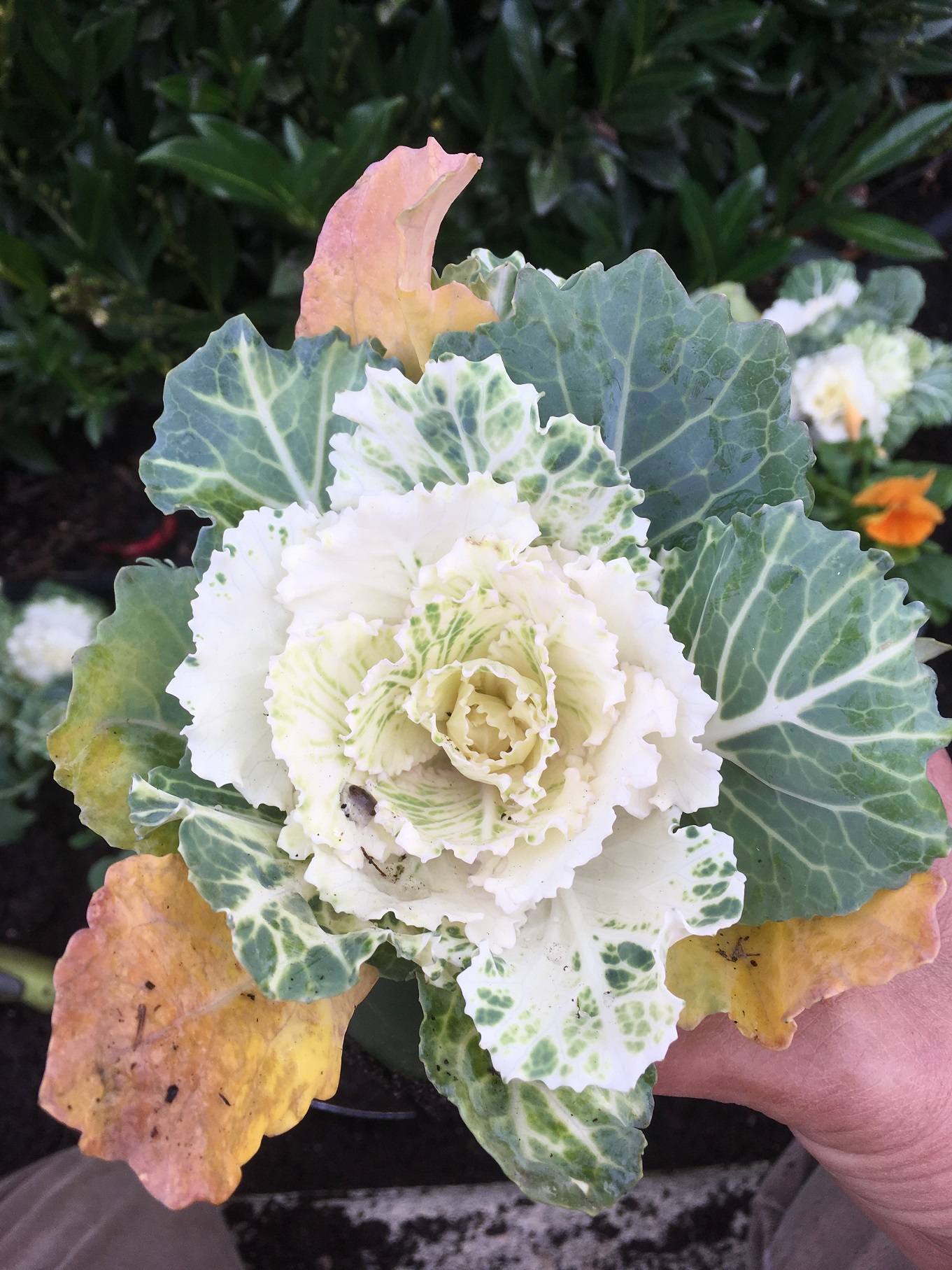
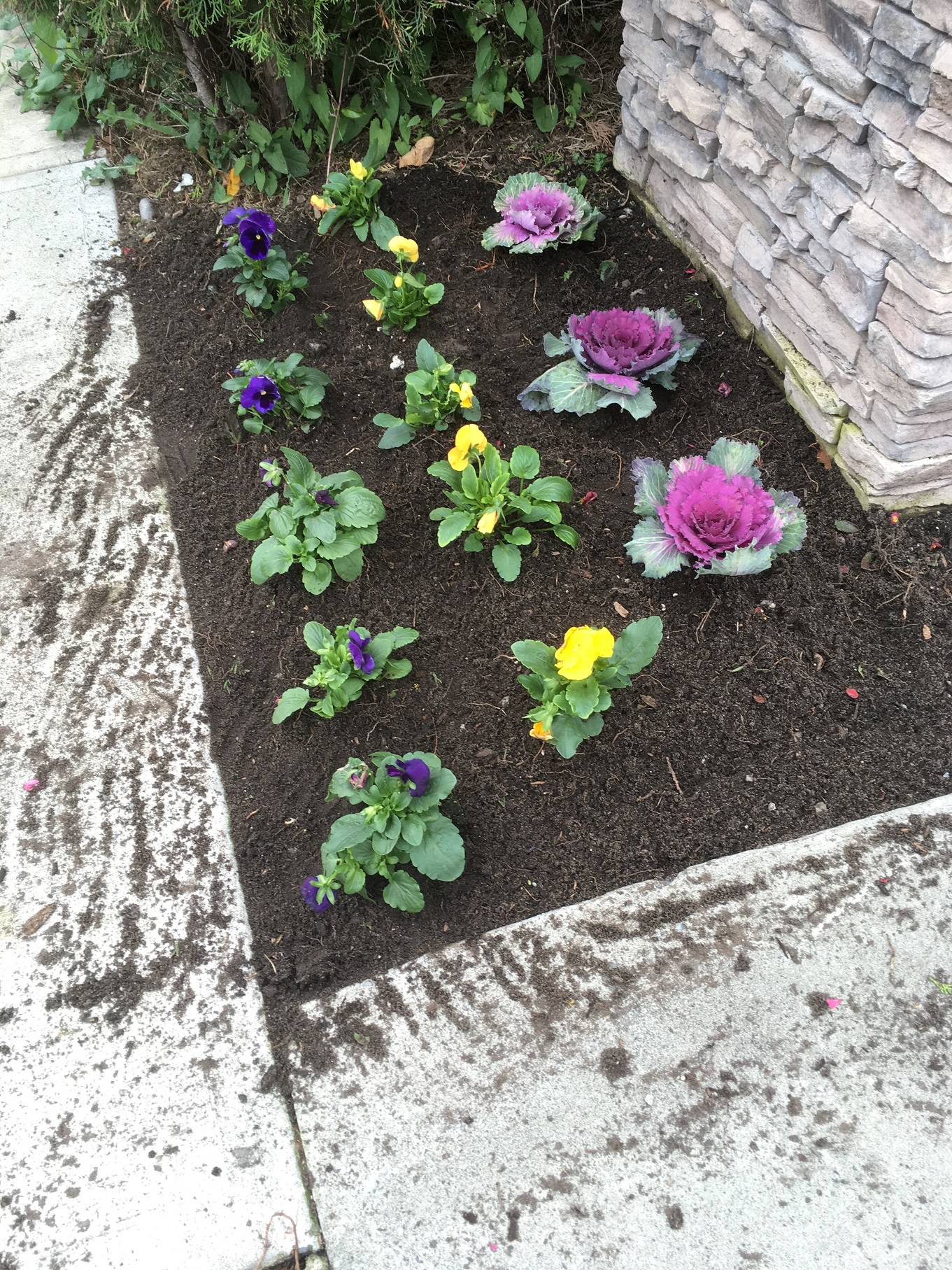
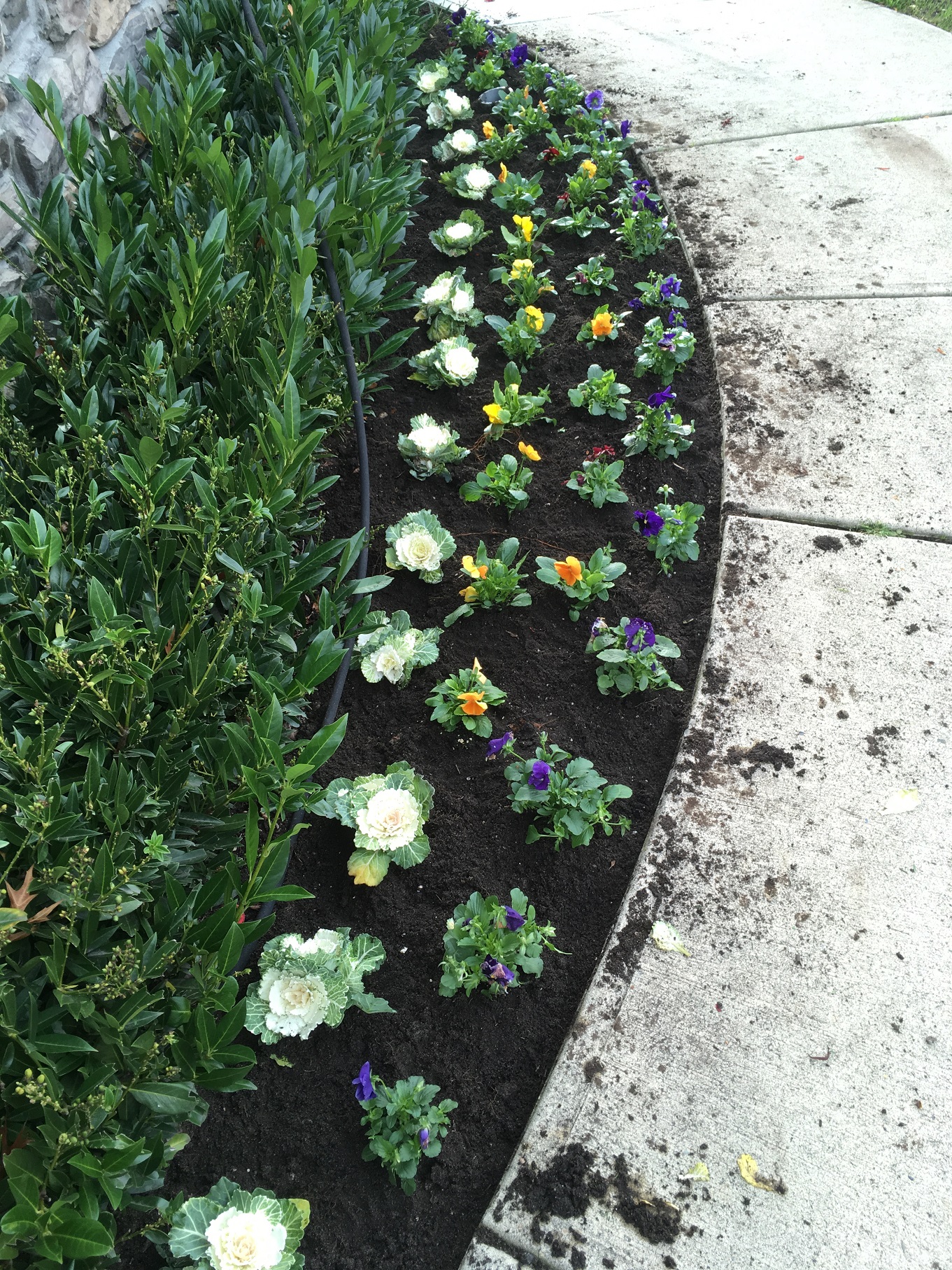
Don’t worry, there is an easy way to add some winter color to your planted beds. And it won’t blow up your budget. Consider using ornamental kale which adds nice, bright whites and purples to your beds. Brian Minter, writing in Tri-City News, (October 10, 2018 A24) reports that ornamental kales should be fine in winter unless it’s -10 degrees Celsius for long stretches.

It’s nice to plant ornamental kale with good companions. We used pansies but Dusty Millers are also good. Planting around evergreen Carex species is also good.

Key tips

Brian Minter offers two key tips. One is to plant ornamental kales in groups so the bright colors really stand out. This is obvious. The other tip isn’t. Plant ornamental kale deep so they look like they are popping out of the ground. Since I read Minter’s article half-way through our winter planting, I adjusted my planting afterwards.

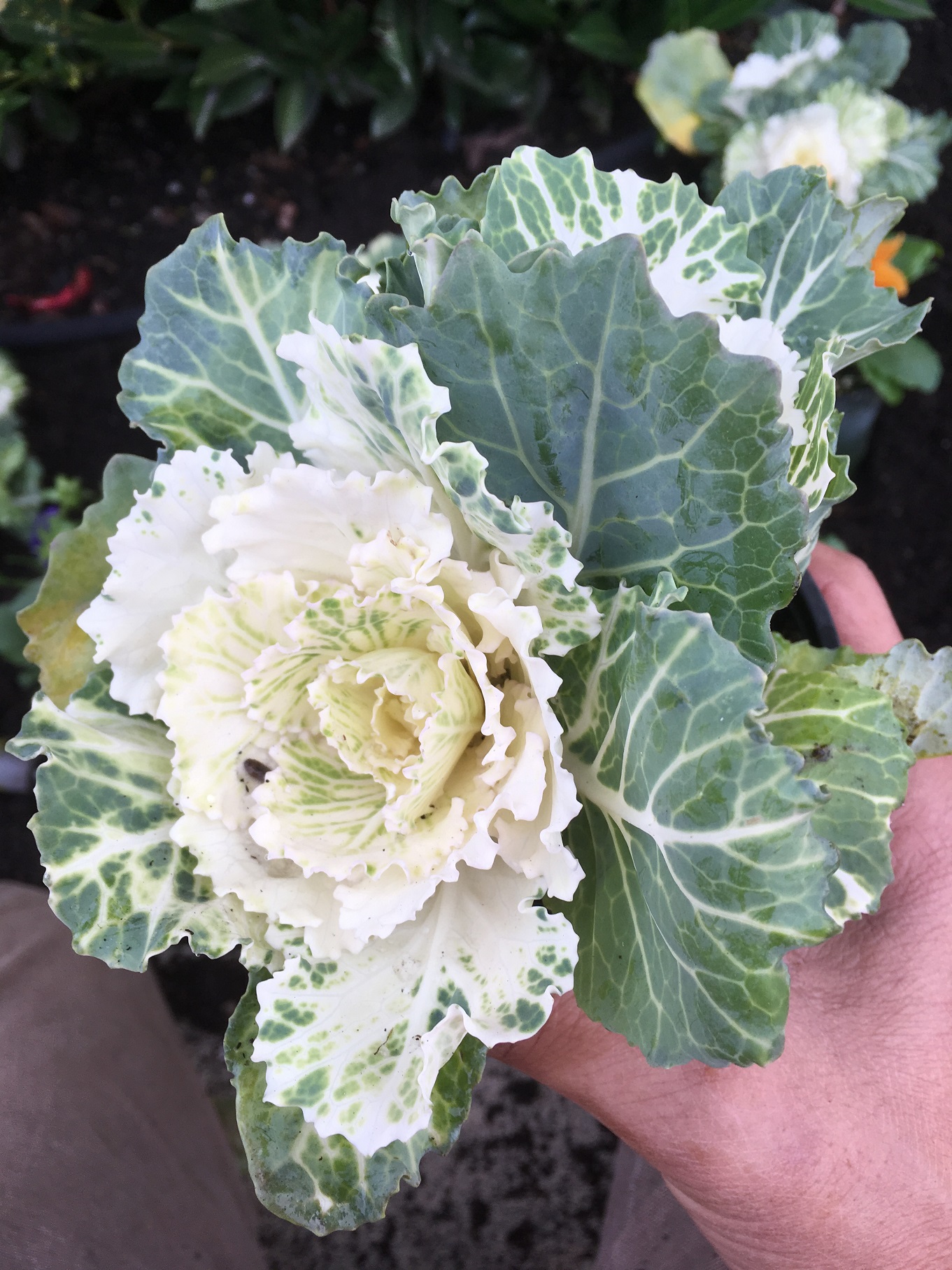
A third tip involves peeling off the bottom leaves that look brown or yellow before planting your kale. It cleans up the plant nicely.


IMG_3821

Remove the yellow foliage before planting.


IMG_3822

Much better; and ready for planting.


Examples

Let’s look at some actual examples. First comes bed preparation. Remove all annuals and rake and cultivate your beds so they are clean. Cultivation fluffs up the soil and makes planting easier.


IMG_3814


My directions were to plant kale and then alternate with yellow and blue pansy lines. At your house you can experiment and arrange everything to your liking.


IMG_3833


This driveway corner looks much better now and hopefully the plants survive the winter. Remember to do your clean-up blow gently so you don’t blast out the plants.


IMG_3824


This is another high-profile boulevard corner and it looks fine for now.


If you haven’t tried winter planting with ornamental kale and pansies, give it a go. You can also do your garden pots. It will add fresh colour to your garden just as the days get shorter, darker and colder. Group the ornamental kales and plant them deep. Then pray for a mild West Coast winter.

How to inspire future green workers

By | Education, Landscaping | No Comments

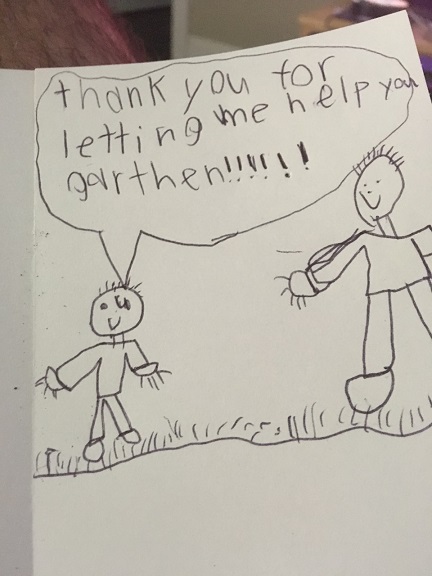
I know a landscape foreman who received a nice card from a kid living on his site. As the seasons piled up the two developed a nice relationship. The kid would “help” on site and it would totally excite him. His mother appreciated the attention the boy received but now they were moving away.


IMG_0437

This is a card for a foreman from a resident boy moving away.


What I remember

I would see them only sporadically and every time I saw the woman she was very pregnant or stuffing her family car with kids. I also remember the boy handing me a bag of cookies once to hand over to the previous foreman. But since the man was on holiday, I promised to hand over the cookies later and thanked the boy. I lied.

One of the cookies broke so I tested it and the others soon followed. And they all passed their final test. I’m not proud of it but the boy never found out.

I also remember the boy being excited about tree work and my ISA certified arborist patch. Unfortunately, I couldn’t give him one. He can easily earn it later.

Two lessons

1. This boy is a poster child for biophilia, defined by Edward O. Wilson as “the urge to affiliate with other forms of life”. He loved “helping” the landscape crew, excited by trees, machines and the big truck moving around the site. I’m sure he will become a green industry worker when he grows up.

2. This case also nicely illustrates that providing good quality work on site isn’t the only thing landscape companies should focus on. Building relationships is just as important. Sure, it takes precious time away from never-ending maintenance work but it’s an important sacrifice. Assuming it doesn’t get out of hand.

Clients that get to know you well are more likely to retain you so don’t forget to build relationships with your clients. You might get a cool card one day.


“The science of gardening” course review

By | Education | No Comments

Because I follow Dr. Linda Chalker-Scott on social media I knew that she was in the studio recording her Great Course called The Science of Gardening. Then after several months I checked the Great Courses website and the course was available. There was just the small problem of cost. The course list price is over $200US which is way over my budget.

Soon after this I opened my copy of Fine Gardening magazine and inside it was a priority code which lowered the cost to $59.90US. So I bought access to the course on the same day and it was well worth the price.

I believe all gardeners and landscape professionals should go through this excellent course. Here’s why.

a) Dr. Linda Chalker-Scott is based in the Pacific Northwest which makes her a great local resource. I own several of her books and often refer to her extension publications. If you are a gardener or landscaper you must know her. Period.


38800233_10217128405506717_8333181206526951424_n

Dr. Linda Chalker-Scott


b) The course is made up of 24 lectures and each lecture runs at around 30 minutes. The key selling point is that everything is science-based. There are many myths in gardening and Linda destroys many of them. This should save gardeners a lot of money.

Take, for example, the sale of deer-resistant plants. Home owners install their new plants but deer eat them up anyway. That’s because a very hungry deer will eat whatever she can get (feeding pressure). There are no pest-proof plants.


IMG_9344


Another myth is landscape fabric. Long sold as guarantee of a weed-free landscape, it actually doesn’t work. In the course Linda covers two beakers with two different landscape fabrics and they both don’t allow any water in. So much for the promise of water and air movement between the fabric and the soil below. Landscape fabric is a waste of money. Now you know.

c) The studio lectures are nicely interrupted with field visits which gives the student a nice mental break. Linda also gets her hands dirty demonstrating various things like bare root planting and pruning.

d) My favourite lecture is number 17 CSI case studies where various interesting landscape issues are presented and analyzed. This was by far the most interesting lecture.

e) If you need CEUs toward your Landscape Industry Certified re-certification this course will be good for 12 credits. I haven’t checked with the International Society of Arboriculture (ISA) yet if they will recognize this course.

Conclusion

The Science of Gardening is an excellent science-based course that’s well-worth the $60US cost. Dr. Linda Chalker-Scott is an excellent Pacific Northwest professional and I’m convinced that all gardeners and landscapers should be familiar with her work.

How I became a top 10 landscape writer on Quora.com

By | Education, gardening, Landscaping | No Comments

Quora.com is a fun site where you submit any question you want and wait for someone to answer it. As you read the answers, you are asked to upvote the one you really like which in turn helps the writer.

Lately, I’ve been hanging out on the site answering basic landscape questions. Then, recently I received a notification from the site. I was now officially a top 10 landscape writer. I had no idea they kept track.

So let’s take a look at some question examples and my answers. If you have a burning question, you can ask on Quora.com or message me through this blog.


1. What is an interesting book about flowers or plants?

The Hidden life of Trees is the best book about trees right now. It will blow your mind. You will never look at trees the same way.

Braiding sweetgrass is the best book I’ve read on native use of plants in the US and Canada. Absolutely amazing.

Lab girl is a great book by a Ph.D. researcher; chapters alternate between plants and personal life. Also a great look at women in academia and what a struggle it is. First time I read about “resurrection plants”.

The triumph of seeds is also amazing. How do seeds survive for hundreds of years and then, one day, decide to go for it?

2. Why is tree trimming important?

Tree trimming is an amateur phrase, I’m sorry. Always say tree pruning. Trimming sounds suspicious and it usually is. I prune trees.

Most trees know what to do but in our cities and multi-family complexes with limited space, pruning is often required because of obstruction issues. Say, a resident has to duck to get out of her apartment on her way to Starbucks.

Pruning is also important for young trees so they can be trained to look great in the future.

Pruning is also required when we find diseased, dead, damaged or crossing branches.

My e-book on Tree maintenance is available on Amazon for less than a cup of coffee, just search by title or by name: Vas Sladek.

3. How do I maintain a lawn mower for perfect lawn mowing?

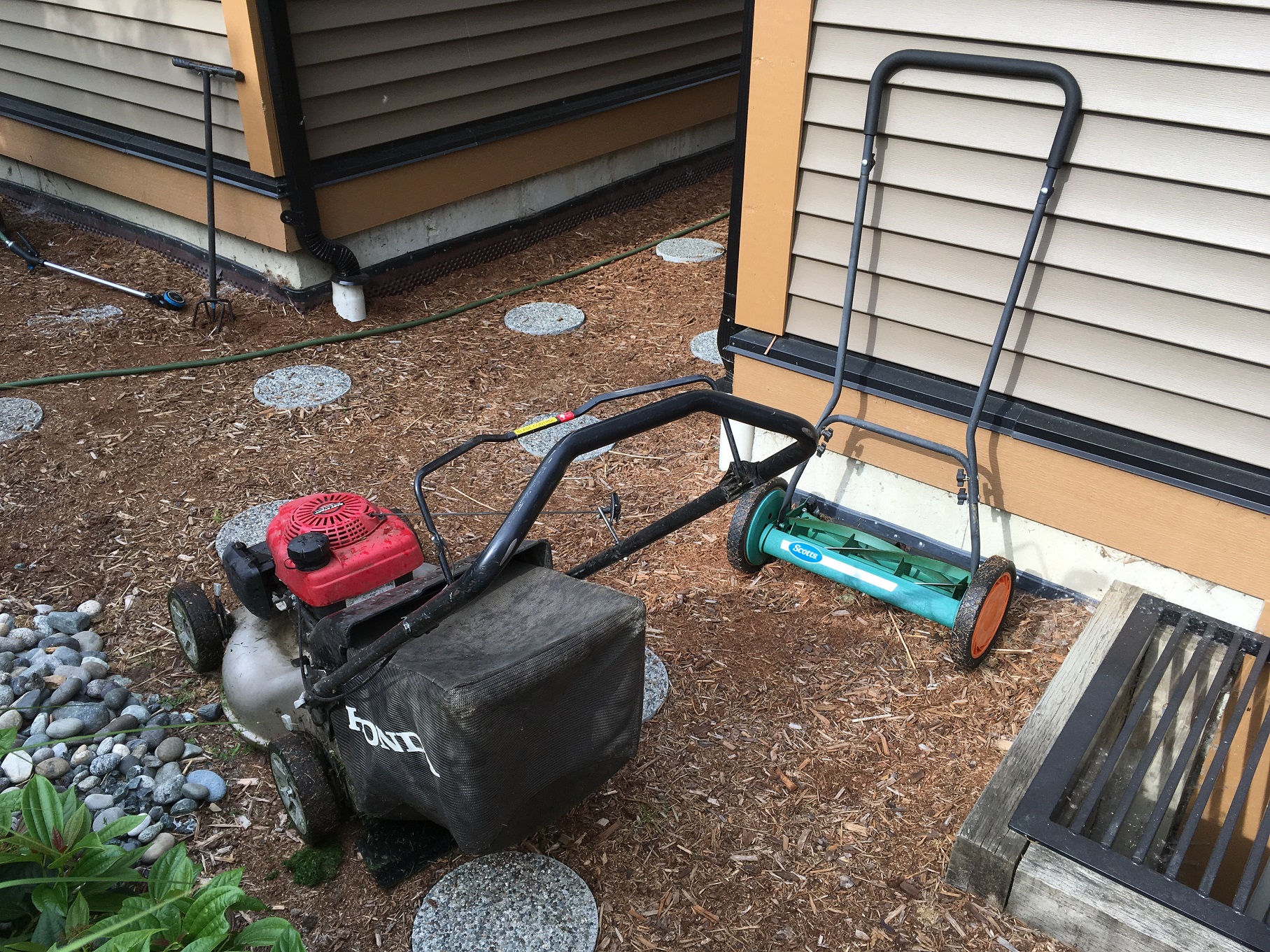
Check your oil levels weekly, change spark plugs and change blades often for a great cut. Sharp blades are critical. Otherwise you are shredding grass blades.

Check your wheels so they don’t wobble. Tighten as required. Anything else, visit your nearest dealer.

If you can, use Aspen fuel, which is allegedly gentler on machines. It is also 99% hydro-carbon free which means you don’t pollute your home with poisons. See www.aspen.se

IMG_7897

4. It’s been raining for two days right after my lawn got aeration. Do I have to aerate the lawn again?

No! The point of lawn aeration is to allow more water and oxygen into the root zone so rain after aeration is perfect. You should only have to aerate once a year although some companies also do fall aeration.

5. What exactly does the choke setting “do” when I start the cold motor of a riding mower?

When your small engine is cold, the choke restricts air flow so the engine is getting a richer gas mixture and therefore starts easier. Once your engine is on, you should take the choke off.

Warm engines will start again easily without a choke.

There you go. If you have a burning question, go to Quora.com and ask away. You can also share your knowledge by answering some questions.

Are you afraid of chainsaws?

By | Company News | No Comments

I have an uneasy relationship with machines but I’m not afraid of them. Years ago when I was a candidate in the Landscape Industry Certified program at the Kwantlen Polytechnic University I was literally shaking when I hit the chainsaw practical station. The attendant noticed and asked me if I wanted to walk away. No, never!

I did everything correctly but I forgot to put a log in place which made it difficult to cut anything. Oops. Luckily it wasn’t a deduction. I found a log and passed the station. Walk away, don’t make me laugh.

Now, fast forward to 2018 and read about a perfectly good day I had with an old warrior chainsaw. The chainsaw is very old but a new chain made it usable. The bonus was that I got to change the chain myself which was extremely therapeutic.

It’s hard for an ISA certified arborist to admit that in my nightmares my chains always break and fly off. So putting a new chain on correctly made me relax. After all, I installed it myself.

The other bonus was that I was flying solo and allowed to practice. There was nobody watching.

Dead birches

My task was fairly easy: take down six dead birches (Betula papyrifera).