
All Posts By

Vas Sladek

Aphids from hell

By | landscape maintenance | No Comments

Aphids are soft-bodied, sucking insects and they have a well-known association with tulip trees (Liriodendron tulipifera). As they suck on the leaves they exude sticky honeydew because they can’t process sugars. The trees aren’t harmed and beneficial insects arrive to feast on the sugars and on the aphids. That’s the basic biology.


IMG_2230

Tulip tree leaf covered in aphids and sticky honeydew because aphids can’t process sugars.


One desperate owner

Every summer the same desperate patio owner approaches me asking if I could take out more branches off the tulip trees. And it turns out I can’t. I would need a bucket truck.

Whenever there is a clash between people and trees, I normally favour the trees because we need them. Trees provide many, many, free ecosystem services; and lately tree planting is suggested as one way to fight climate change.

And yet, I really feel for this lady. Imagine her sitting out on her back patio, drinking wine with her husband as her little kids play at their feet. Then she looks up and sees aphid honeydew falling down all over her yard. That’s messed up. Aphids from hell!


IMG_2216

Untouchable city trees on the left and honeydew covered patio. An unfortunate choice of tree species for this setting.


City trees

Since the boulevard trees technically belong to the City of Maple Ridge, they are protected and very unlikely to get removed. Poor lady.

I’ve taken out a few lower branches but taking out any more with a bucket truck would probably attract the attention of bylaw officers. And I don’t even have access to a bucket truck. Plus the trees wouldn’t look like normal trees.

And so the lady suffers every summer, sitting on sticky patio furniture and probably cursing her real estate agent.

She isn’t the only one. I have written a blog post after reading about another desperate home owner in Vancouver.

Still, we need trees in our cities and sticky honeydew can’t be enough to condemn them.


Why autopilot pruning is a bad idea

By | Pruning | No Comments

June and early July is mid-season pruning time on the West Coast. As plants flush out people start panicking and out come hand snips and power shears. This is especially true on strata (multi-family) sites where there is limited space and nature must be harshly controlled.

Autopilot?

Successful pruning requires good knowledge of plants and an intimate knowledge of your clients’ sites. Autopilot pruning can lead to disaster. We can’t just take a run at the landscape. Why not? Because different plants have different flowering times and specific requirements. For example, I power shear Philadelphus x virginalis but not Rhododendrons.


IMG_2243

Power sheared Rhododendrons look ugly.


Owners also have their specific requirements which is why it’s important to keep detailed site notes and inform all new employees.


Weeping owner


IMG_2219


This weeping lilac is nicely pruned but the worker went a bit too far. You have to disconnect your autopilot and think about the plant’s growth habit. It’s OK to keep any weeping branches from touching the ground but it’s a mistake to eliminate the weeping habit.

When the owner came home, her lilac wasn’t weeping anymore but she was. And the worker learned a good lesson.


Mind the gap


IMG_2188


Last year I was sent to this site to help with pruning. How would you prune this area?

Incorrectly thinking the small Prunus laurocerasus ‘Otto Luyken‘ in the middle had to be rescued, I expertly shaved both Prunus lusitanica hedges. Minutes later I got a lecture from the owner: he was hoping the two Portuguese laurels would become one. I had no idea. One year later they’re getting closer but I still think the small laurel in the middle is thinking….WTH?


Conclusion

Successful pruning requires good plant and site knowledge. When owners have weird habits and requests make note of them and inform any new staff. If you learn a good lesson the hard way then learn from it and move on. The shrubs will grow back.


Is vertical edging worth the trouble?

By | landscape maintenance, Lawn Care | One Comment

I hate vertical edging but sometimes I have to do it because blade attachments aren’t available. Then, when I finish I’m close to developing a rash that will only go away after I complete blog posts like this one.

Why vertical?

Why do we vertical? Why flip a machine on its side and shred your edges? Because it’s convenient. You’re already there, your flat edging is completed and now you just burn out the edges and bail. There is no need to walk back to the truck to change attachments or change blades. And you don’t have to train workers on a new machine.

Personally, I think vertical edging is too much trouble. Let’s examine some of its limitations below.

Vertical limitations

Let’s consider many of the limitations of vertical edging. And before we get into it, note that some big companies don’t allow you to vertical. This is mainly because it gives your site or home an inconsistent look; and it also increases the chances of worker injury and site damage.


Shredding plants

This is my biggest problem with vertical edging. As you go along the edge, inevitably you will encounter plants growing over the edge. So you either skip the edge or you shred the plants. Most workers just shred the plants. Either way your site look suffers.

By contrast, the blade edger has a metal cover which discreetly slips under the plant and allows for edging without injury to the plant.
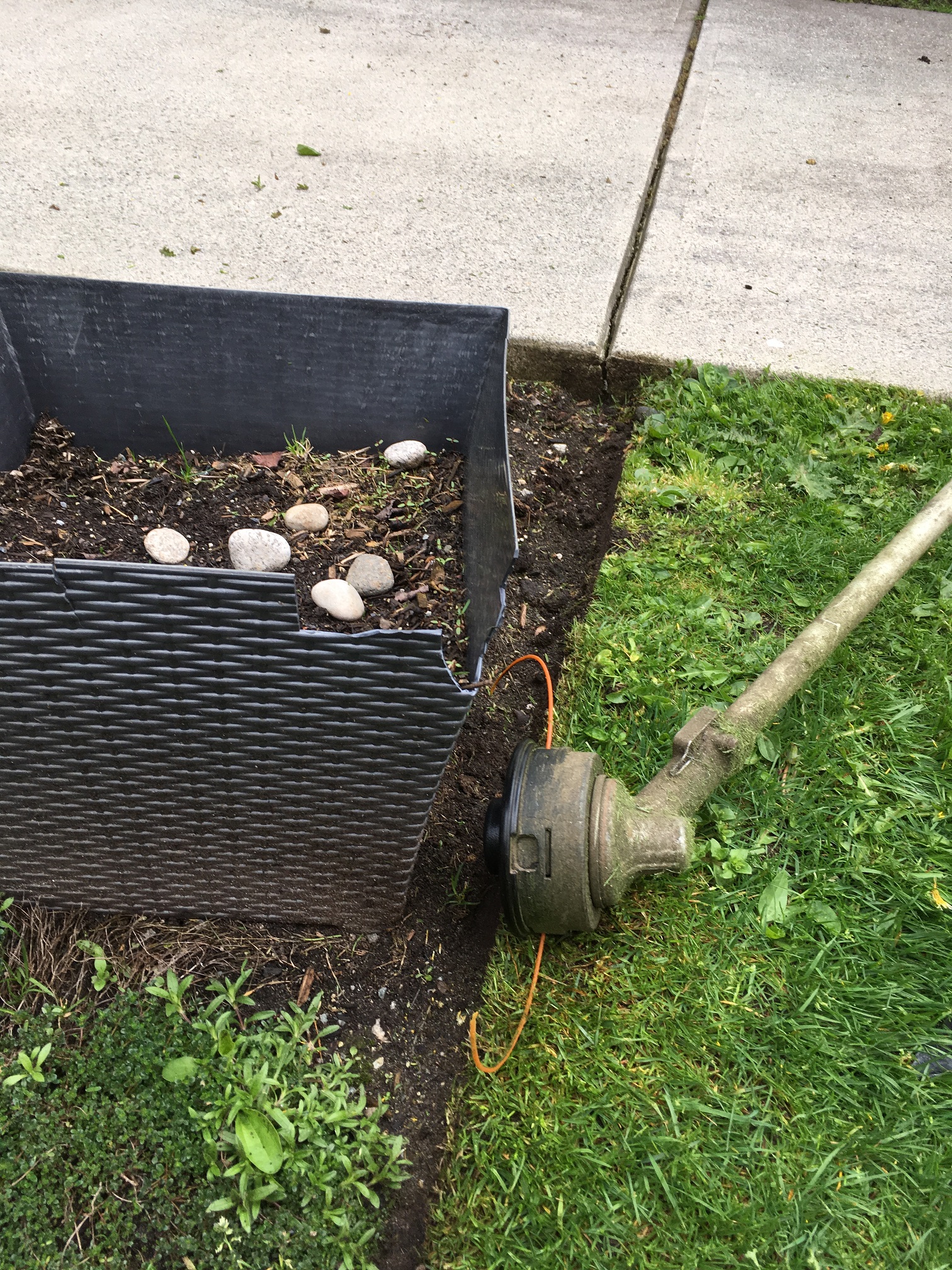
 

IMG_9692

Damage isn’t limited to plants. This pot is missing a lot of plastic already.

Injury risk

Since there is no cover over the line edger you’re bound to eat a few rocks and other debris. Definitely wear goggles every time and close your mouth; and kiss your baby skin goodbye. To avoid getting hit workers angle the edger from the recommended 90 degrees which nicely leads us to the next point.

By contrast, the blade edger blade is covered with a shield and a rubber flap on the bottom.

Erosion

When you shred the edges at 45 degrees every week you eventually get erosion. Think of the UK coastline. This can lead to client complaints as the owners’ lawn edges retreat. Also, anything short of 90 degrees is ugly. If your edge can’t break your ankles, it’s not done right.

Reestablishment

Sometimes you fall behind on boulevard edging and when you finally get to it, you have no hope of re-establishing the edge. The plastic line is too weak.

By contrast, the blade edger digs in with a new blade and easily re-establishes the edge. This is also true for soft edges where the edge is gone.

Hard edges also look inconsistent and it’s slow work because as the plastic line shreds I have to constantly reload it by tapping the attachment head.


IMG_9646edit

While blade edgers can be kicked off course by sidewalk blemishes, vertical edging is much less consistent.


By contrast, the blade edger just digs into the hard edge and flies away. This is the best place to start training new workers.
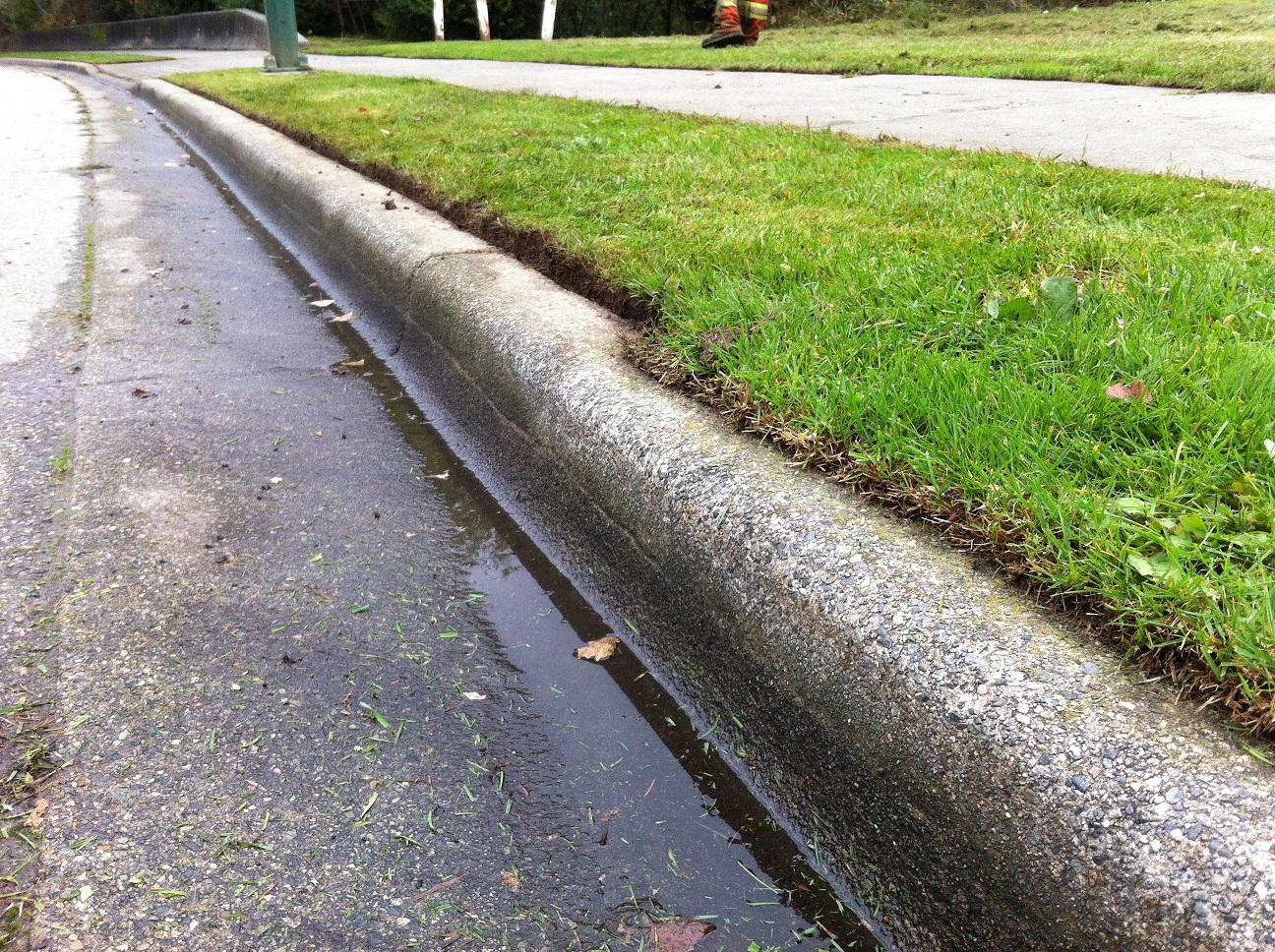
 

IMG_9643edit

The top edge is my blade edger work; the bottom is a private landscaping company with line edgers. No contest!

Tight edges

My blade edger blade can nicely start and finish the lines by fitting tightly against the hard edge/soft bed zone. Vertical lines struggle here so the beginning and end of many edges stay shaggy.

Tree wells

I can blade edge around a tree well in seconds and leave it looking sharp. Vertical edging around tree wells is a pain.

Sucking exhaust

Vertical edging requires you to lift the engine higher which means the exhaust is much closer to your head. If you start getting dizzy, it’s the exhaust. This blog post assumes that you or your employer aren’t paying big dollars for the much cleaner Aspen fuel. Burning regular gasoline mixed with oil in a small engine isn’t very ecological. I want the engine down by my waist with the exhaust pointing back.
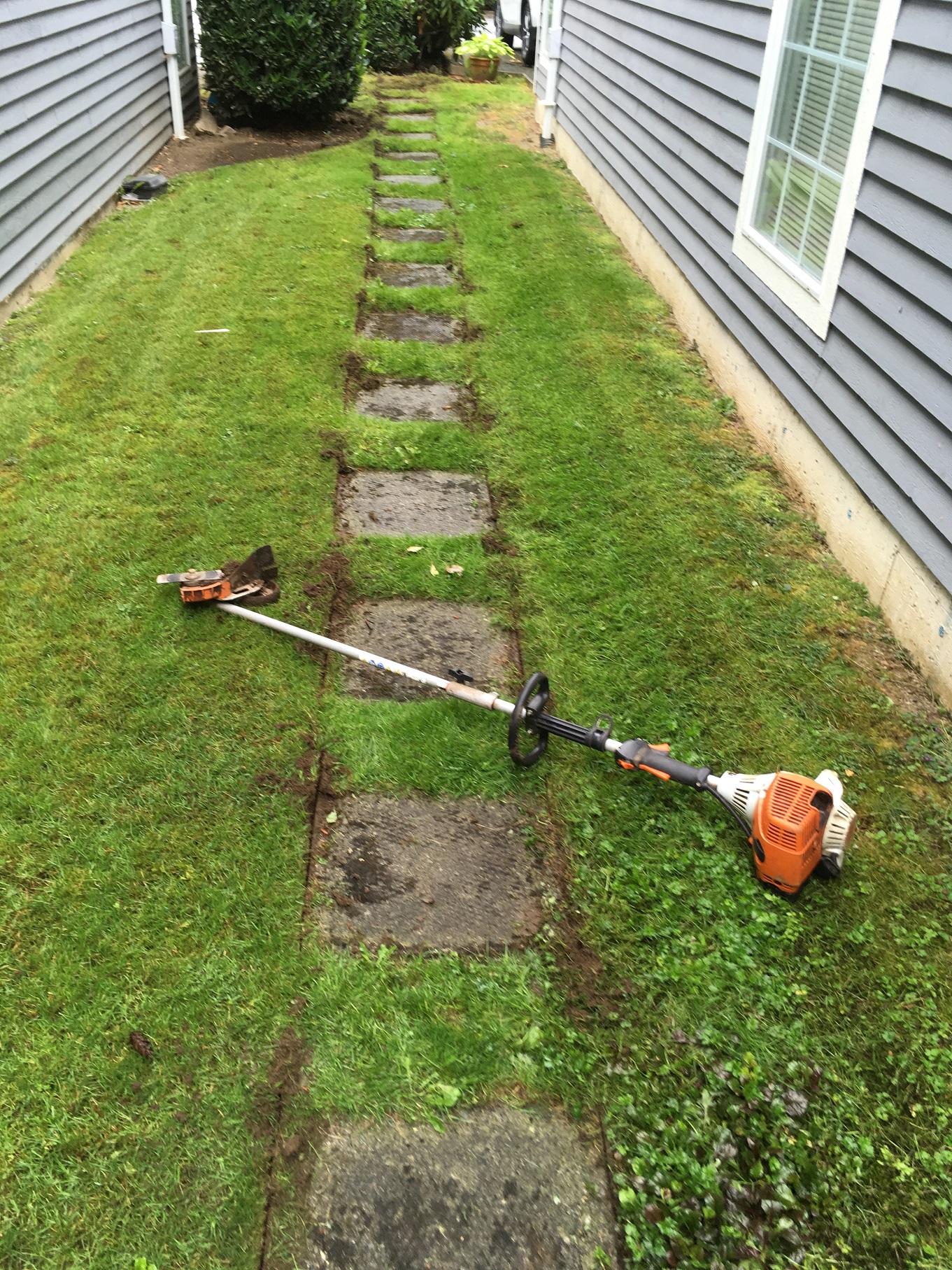
 

IMG_9411

Only blade edgers can nicely sharpen up stepping stones.


Is vertical edging worth the trouble? I don’t think so. Do you? Please leave comments.
 

Chafer beetle battles: time for nematodes

By | Lawn Care | No Comments

This week is the third week of July and that means it’s time to buy nematodes to your lawn, if it’s suffering from European Chafer Beetle damage. Chafers are invasive insect pests and the larvae feed on the roots of grasses which causes serious damage to lawns.


IMG_3315ed

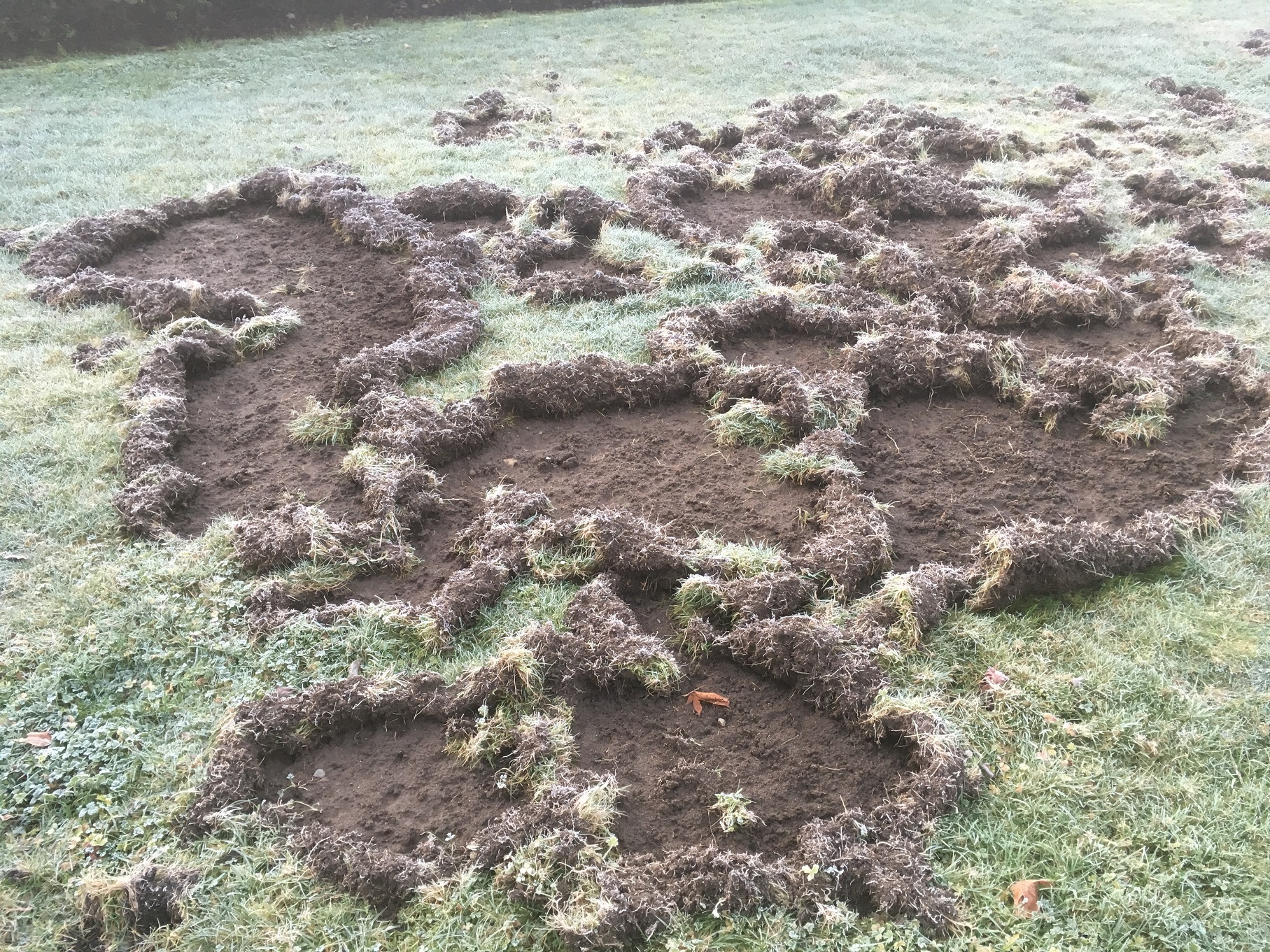
Animals looking for grubs can destroy your lawn overnight.


Then later we get animals digging up lawns looking for juicy grubs and lawns are destroyed overnight.

Chafer beetles are here to stay, too. But we can take the fight to them.


IMG_9656

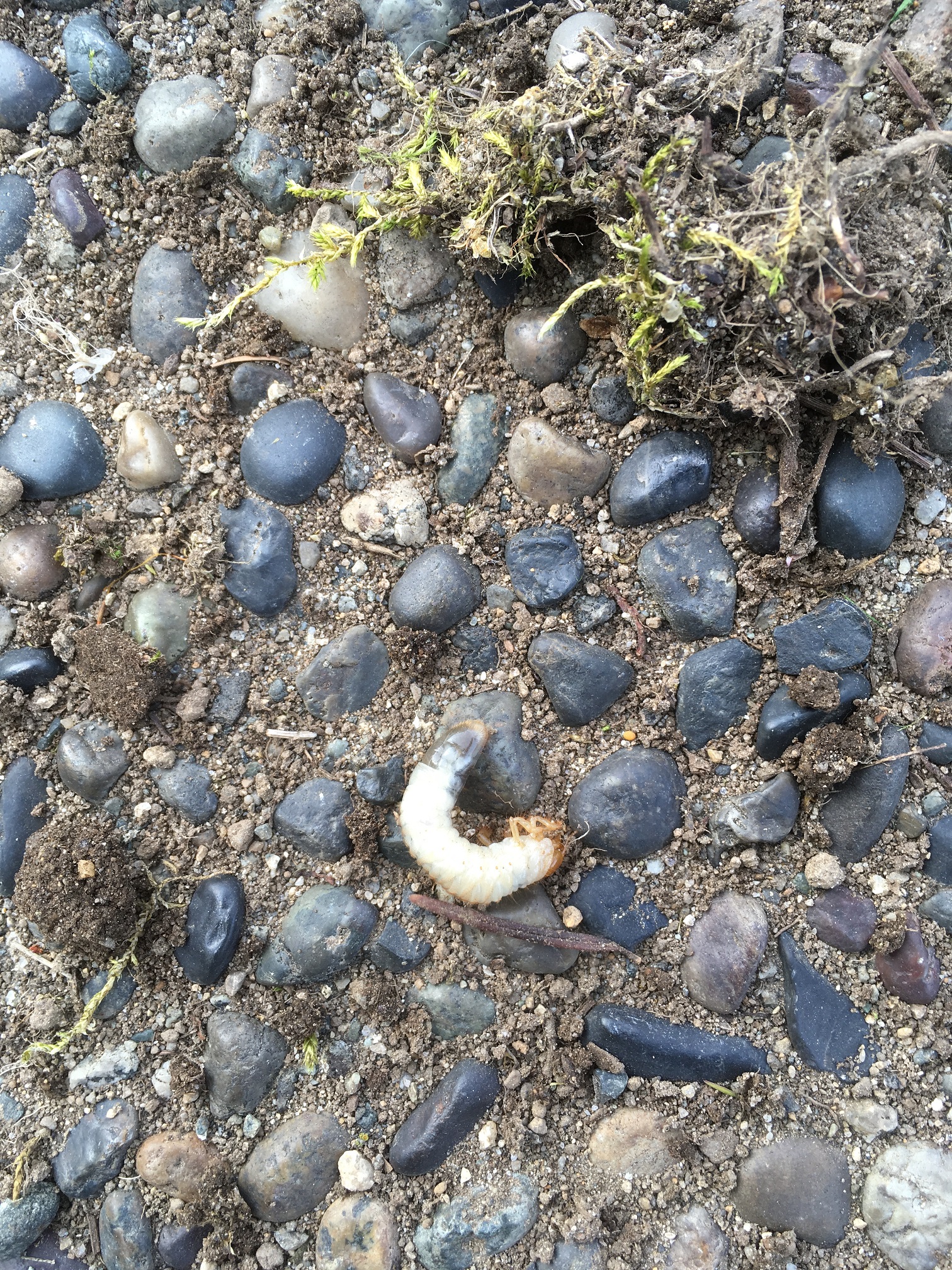
Juicy grub from this spring.


Nematodes

If you failed to pre-order nematodes earlier in the season then just go down to your favourite garden store and ask if they have any in stock. Nematodes are tiny worms that live in the soil. If you apply them correctly they will chase down Chafers in your lawn. Do this in late July.  You might want to read my previously published blog to see how I did it.

Chafer cycle

Chafer beetles emerge out of lawns and soil in June and fly into trees to mate. Then they go back into lawns to lay their young.


IMG_8014

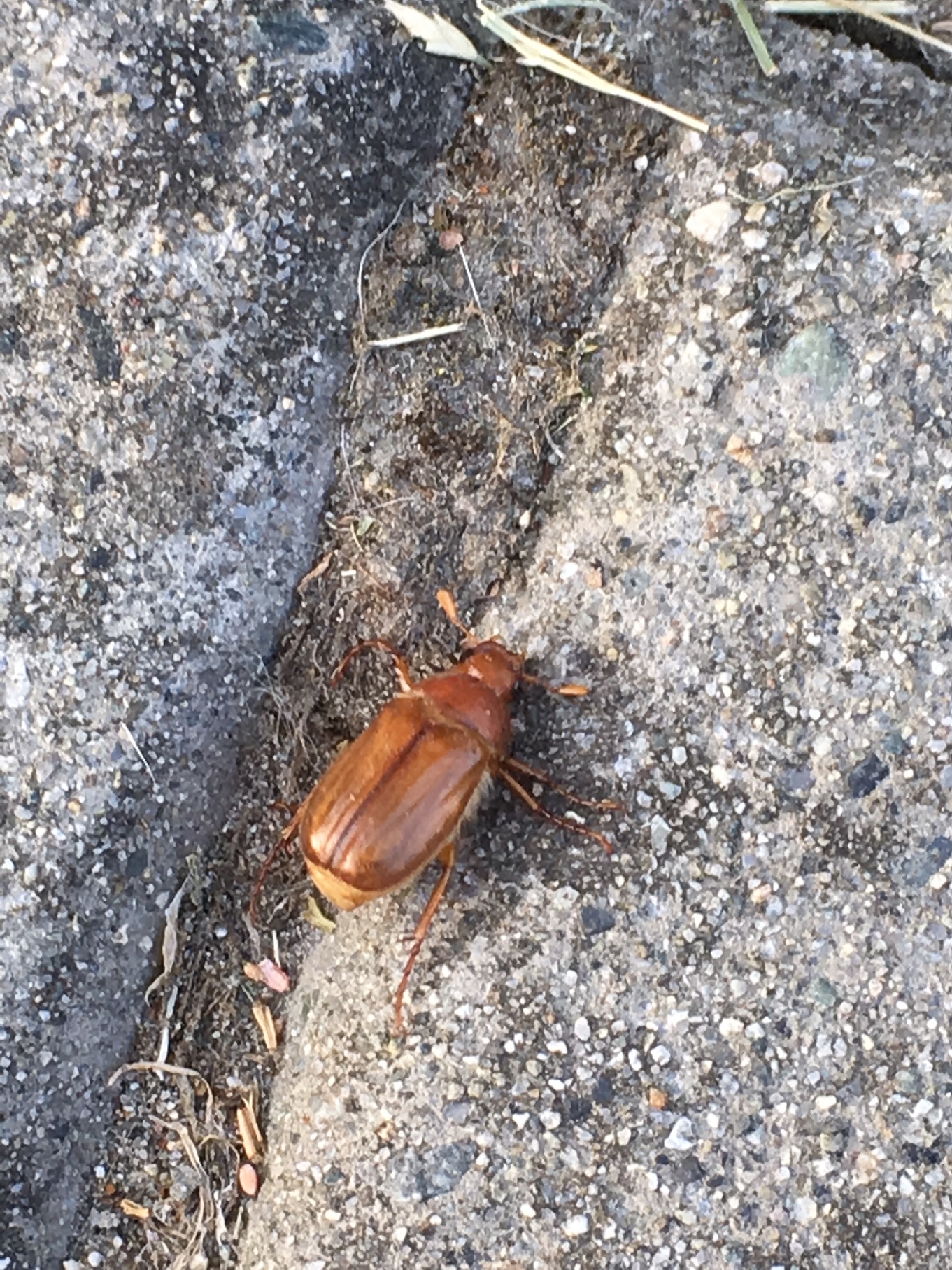
A very pregnant Chafer beetle heading for the lawn.


This is why the late July nematode application is critical. Once the grubs get too big the nematodes aren’t effective.

So, let’s review: buy nematodes in the third week of July and apply them in late July.

Follow the directions carefully. Your lawn should be soaked before nematode application and after. Also, remember that nematodes are photo-sensitive. Direct sunlight will kill them so apply them early in the morning or evening.

This is my blog post about my residential application. It might help you.

Lawn care

According to municipal handouts, healthy lawns should only need an hour of watering a week. Keep your grass at least 6cm high and leave the clippings on your lawn. The clippings serve as free fertilizer.


Conclusion

Keep your lawn healthy. If you have Chafer damage buy nematodes now and apply them at the end of July. Follow the directions. And pray!


Eliminating early summer obstructions in landscapes

By | Pruning | No Comments

I love the early summer season. The weather is nice and the landscape is lush green. But with the new lush green growth come issues. People start panicking and assaulting their busy green workers with requests.

And often the requests turn out to be minor issues, easily solved with a bit pruning. For any bigger requests, write them down and do them on your next visit.

Let’s take a look at some recent examples.


Mailbox crisis

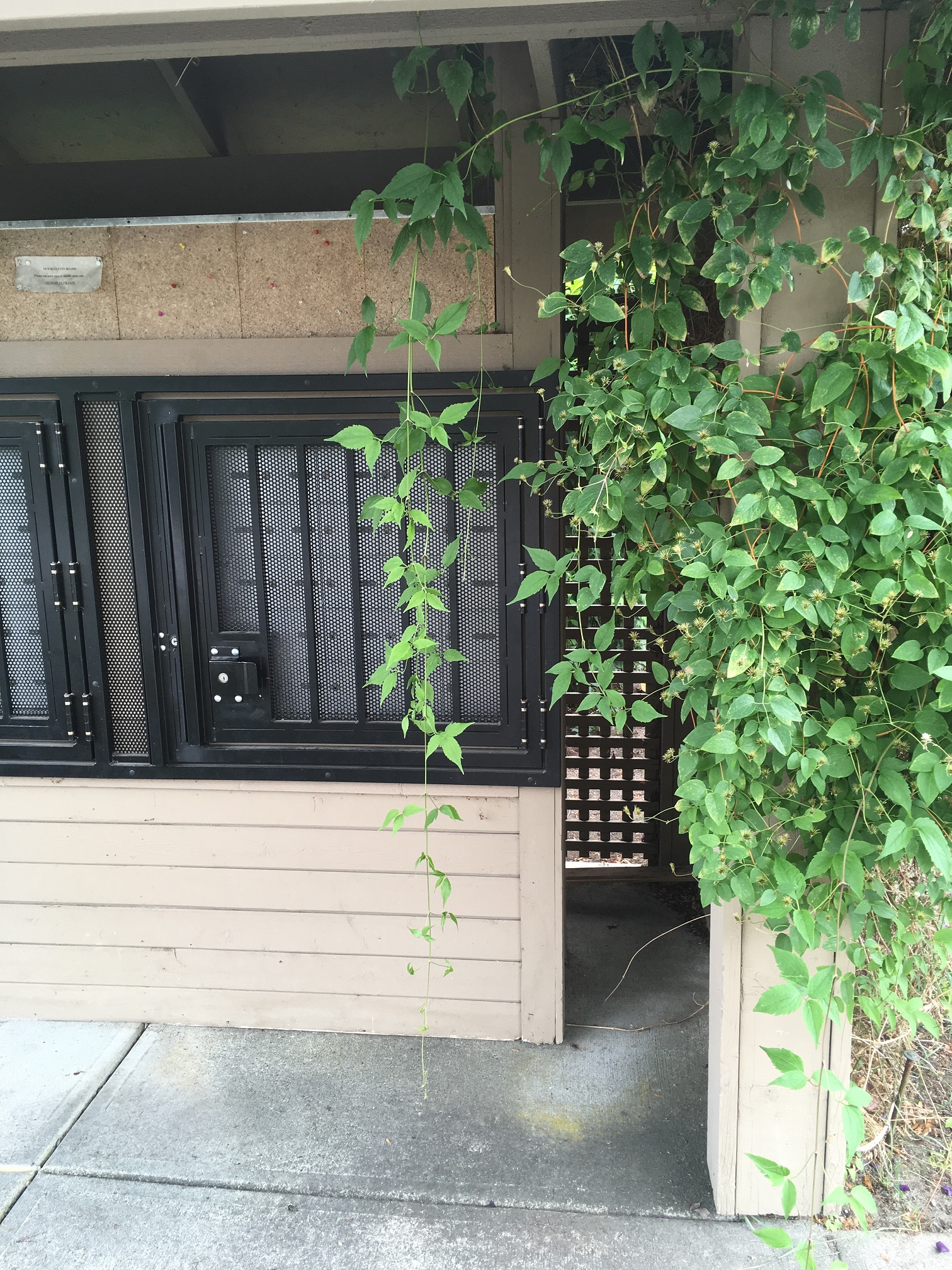
Last week I was approached by an elderly gentleman who clearly wasn’t impressed by the mailbox Clematis. The vine interfered with the pick up of his junk mail so he asked me to take care of it. Sure. The whole operation, not counting clean-up blow, took me about ten minutes.


IMG_2210

To an elderly resident this is a crisis.


IMG_2213

This should do.


IMG_2211

Not a bad show for a mailbox kiosk.


Gate


IMG_2189


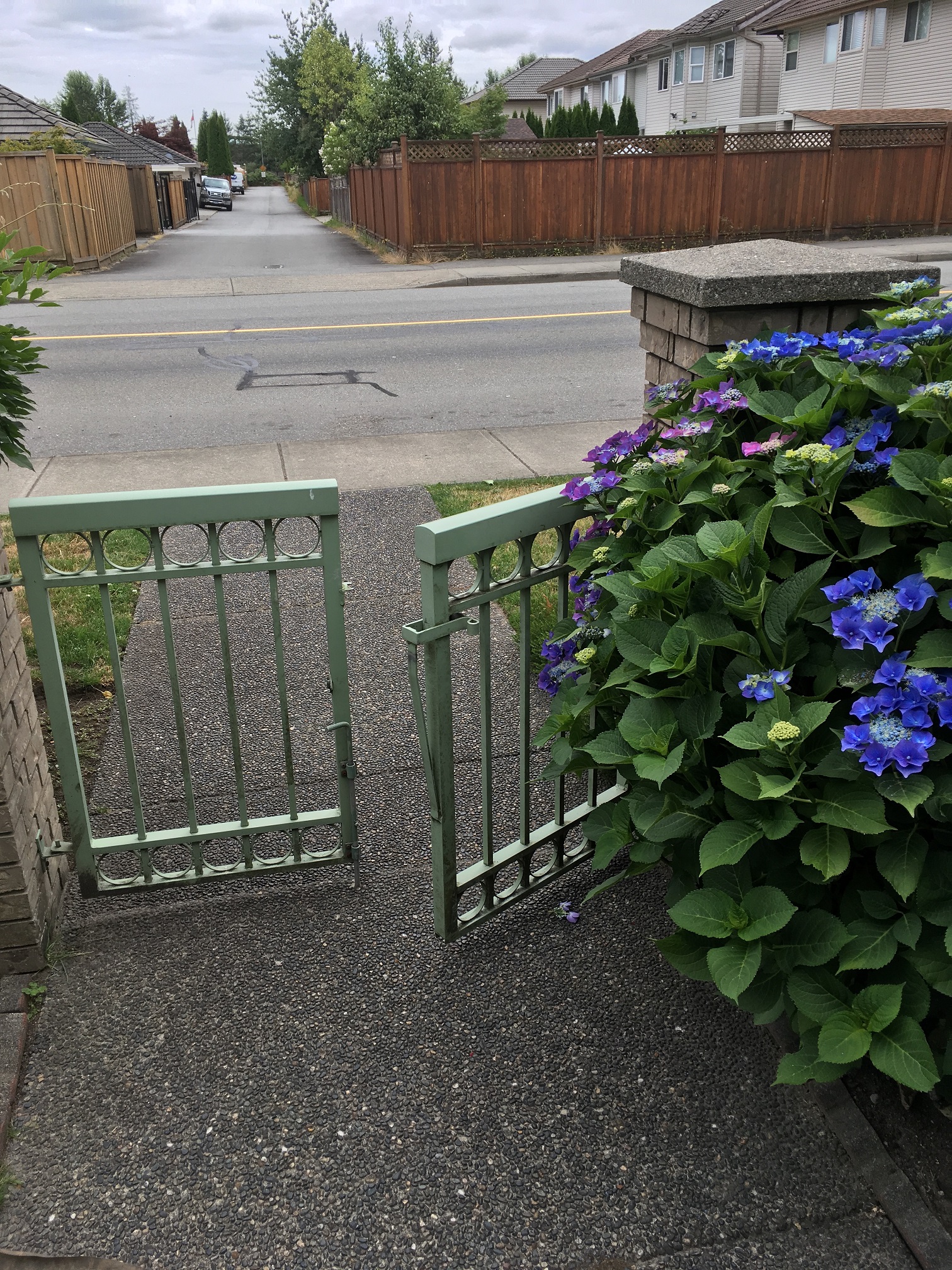
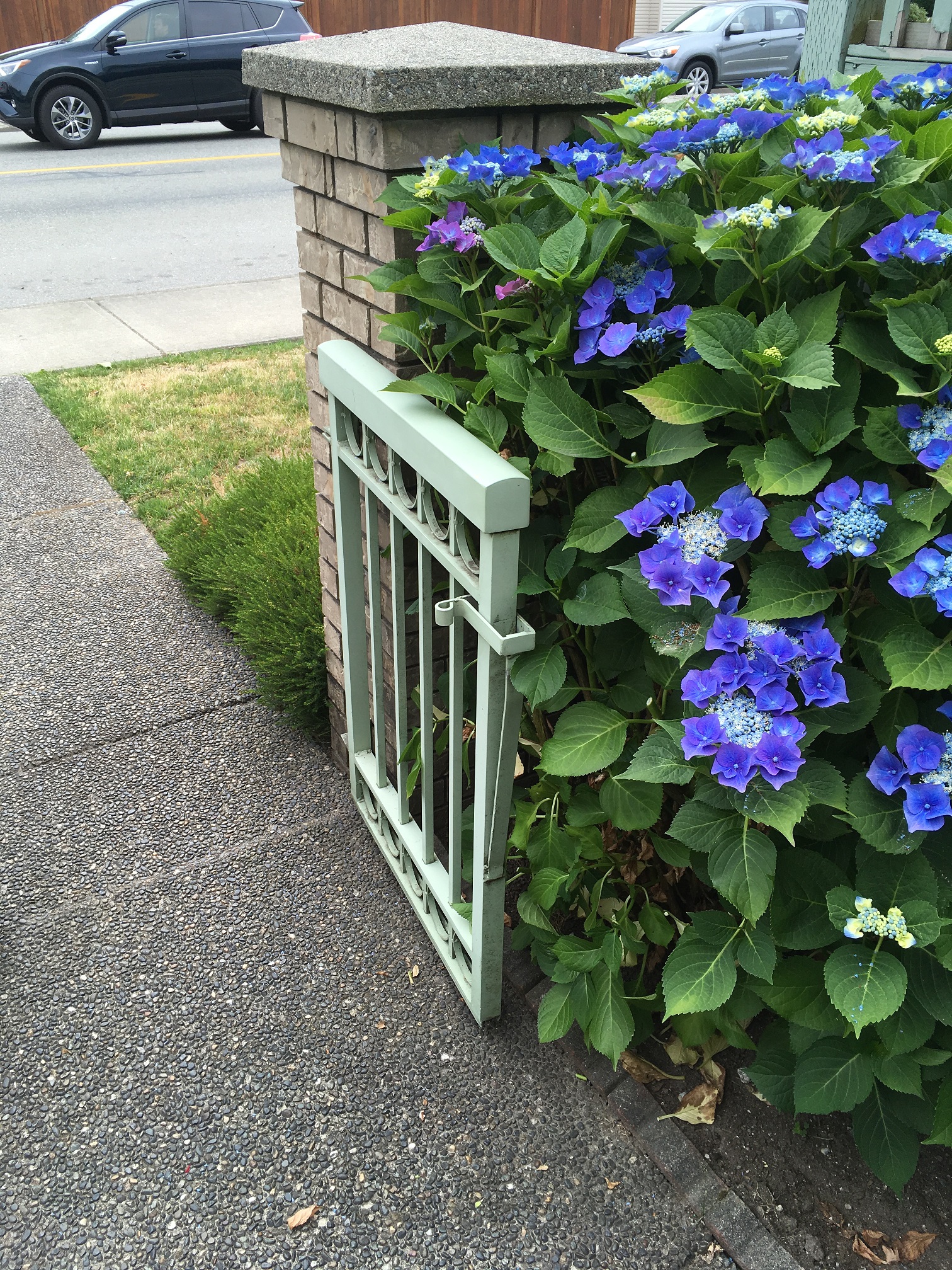
Again, this is hardly a disaster. Plus, the Hydrangea is blooming nicely. But to the lady living in this unit this is a major annoyance because she has to push the gate open. And as she does so the gate bounces off the plant and back into her body.

Luckily, I was on site helping out and took care of it right away. Always do this if it doesn’t interfere with your day plan. Of course, I did warn her that she would lose some of her flowers. No big deal. She didn’t care.


IMG_2190

All done! Problem solved.


Signs


IMG_2225

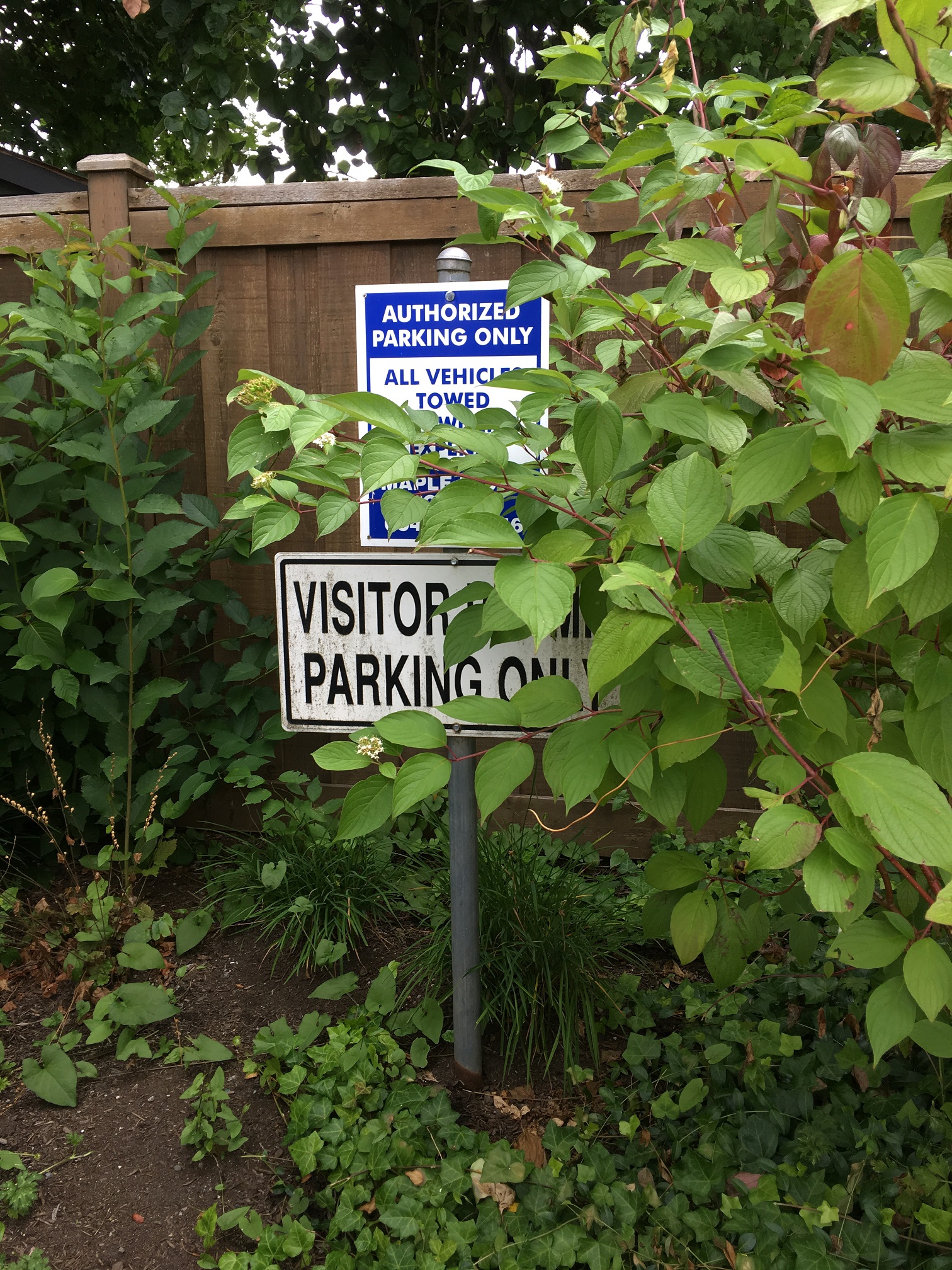
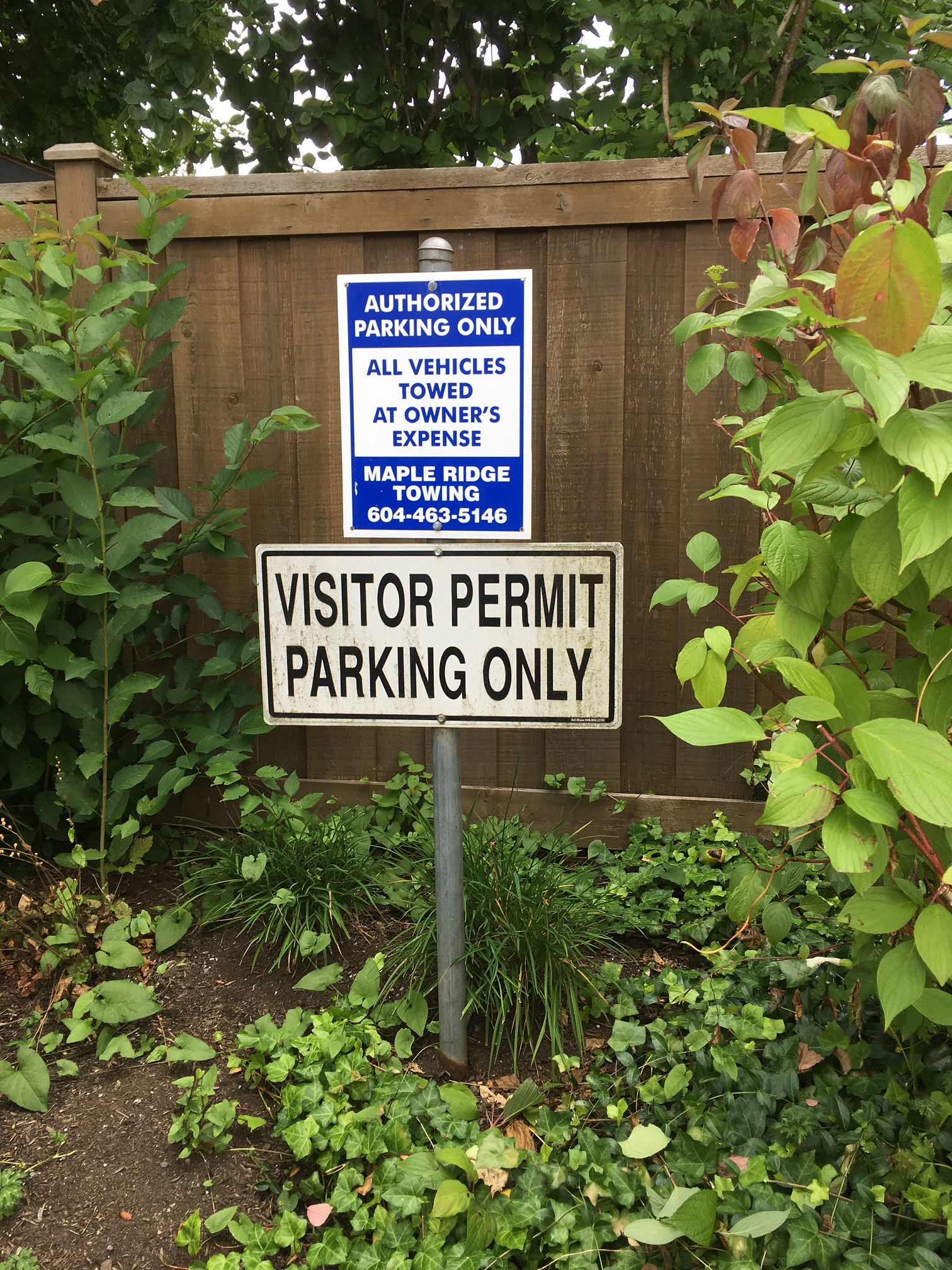
Signs are posted for a good reason; to warn or inform, not for fun. And again, this was a quick fix with my hand snips. The dogwood shrub (Cornus) can also be power sheared but I prefer nice precise cuts.


IMG_2226

This was an easy two-minute fix.


As plants push out new growth in early summer you can expect to get some interference. Usually it’s not the disaster people make it out to be. So take care of it right away if possible. All of the examples above were quick fixes and the residents appreciated it. Always make your clients happy!


Making the case for attention to detail in landscape maintenance

By | gardening, landscape maintenance | No Comments

Details matter a great deal. I was recently called to a residential garden with lawn care and pruning clearly completed well. But what about the details? Many details remained and taken together, they detract from the overall presentation. So, I got to work.

Details

Blackberry and salmon berry shoots protruding from the cedar hedge and shrubs were by far the biggest blemishes. So, I cut them down which sounds easy until you see the wild zone at the back of the cedar hedge. The school board never maintains the wild zone so of course it allows all kinds of undesirables to encroach on the neighbouring landscape.


IMG_2258edit

Blackberry and Salmon berry invasion in progress.


IMG_2270edit

After my intervention.


IMG_2256


IMG_2278

Much better!


Ferns

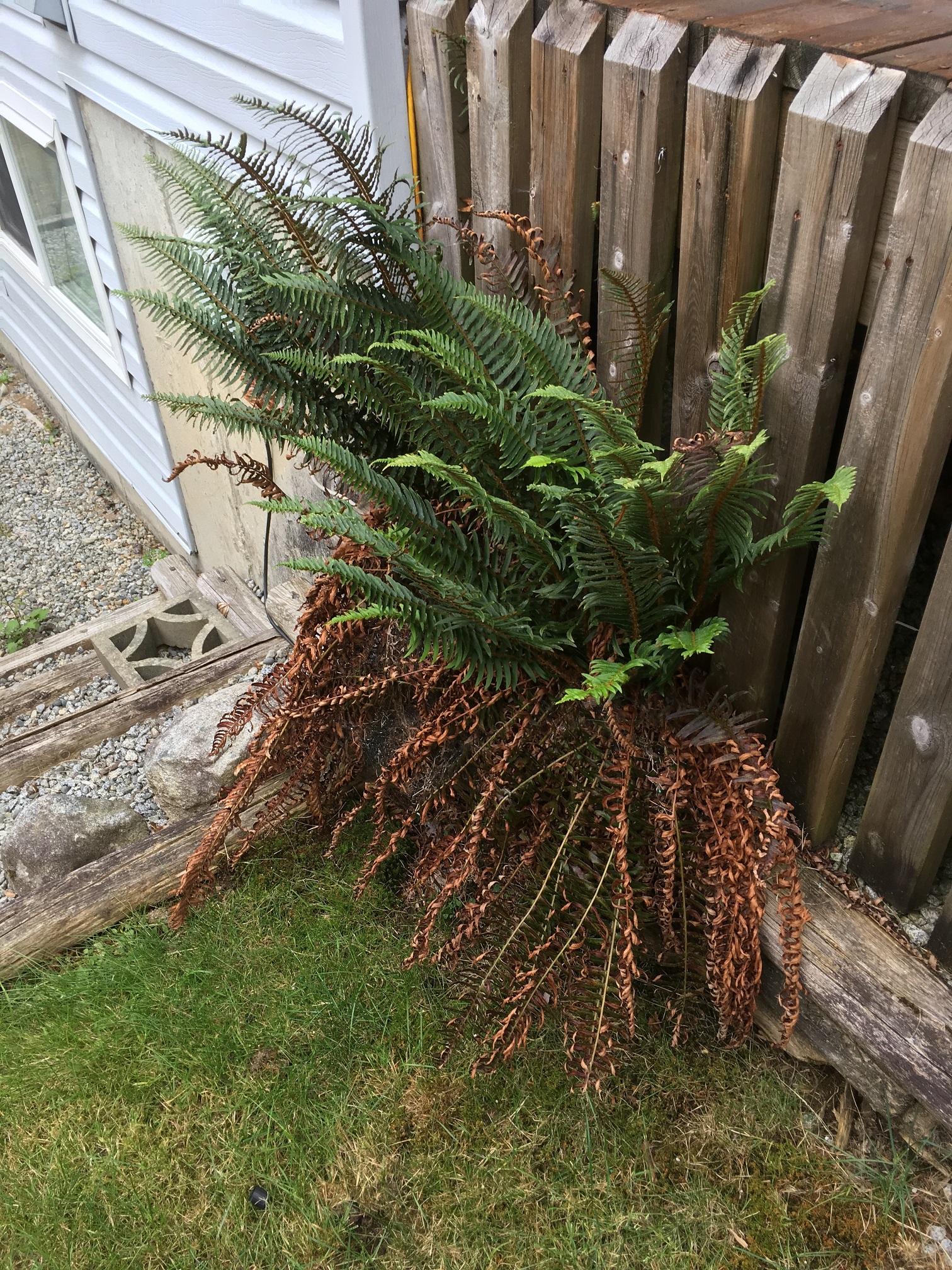
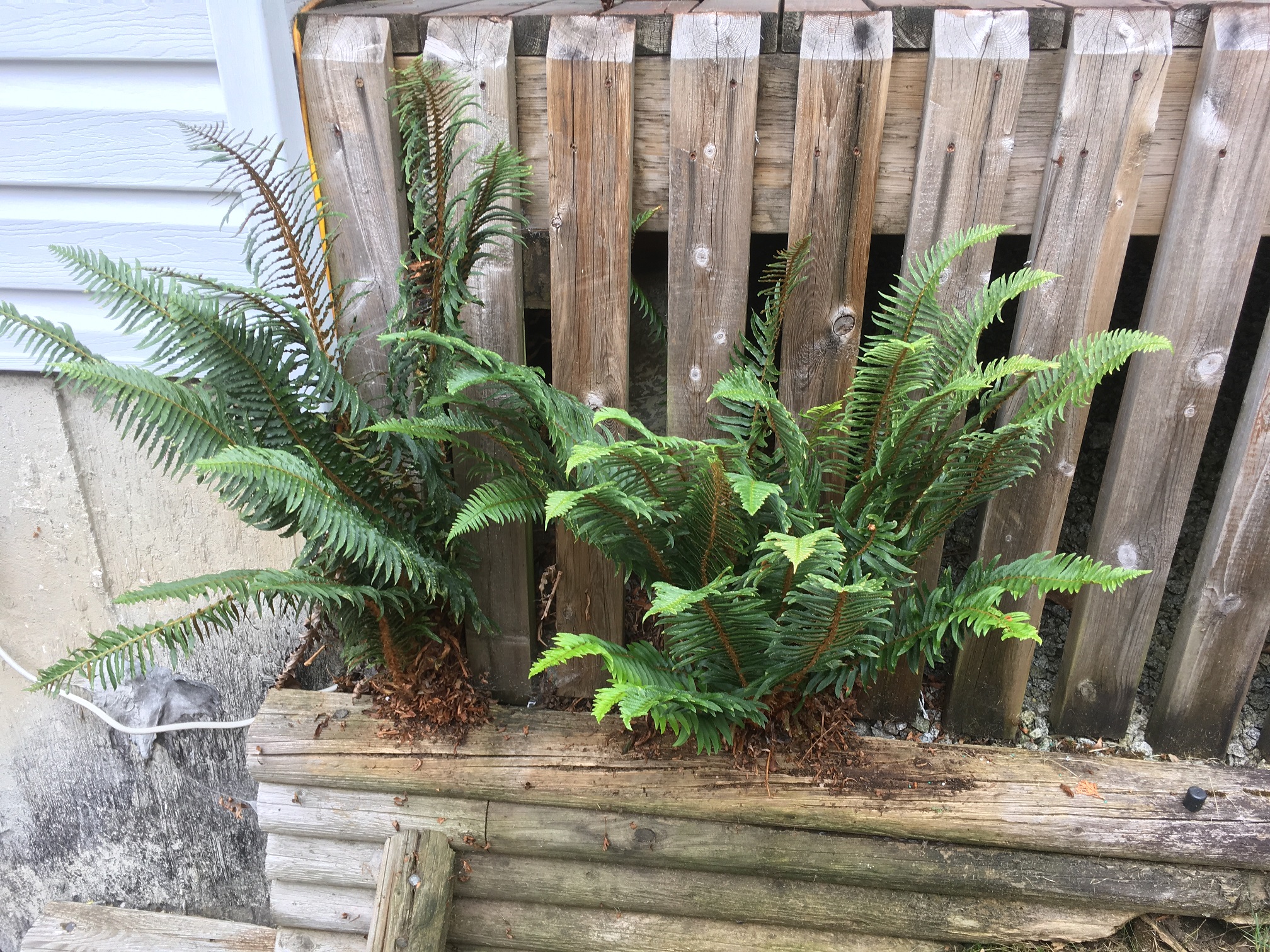
I also found two ferns on the side of the patio and cut them back. They are native sword ferns (Polystichum munitum) and only require one annual cutback after new fronds push out.


IMG_2260


IMG_2264

Much better and we’re good for another twelve months.


Weeds

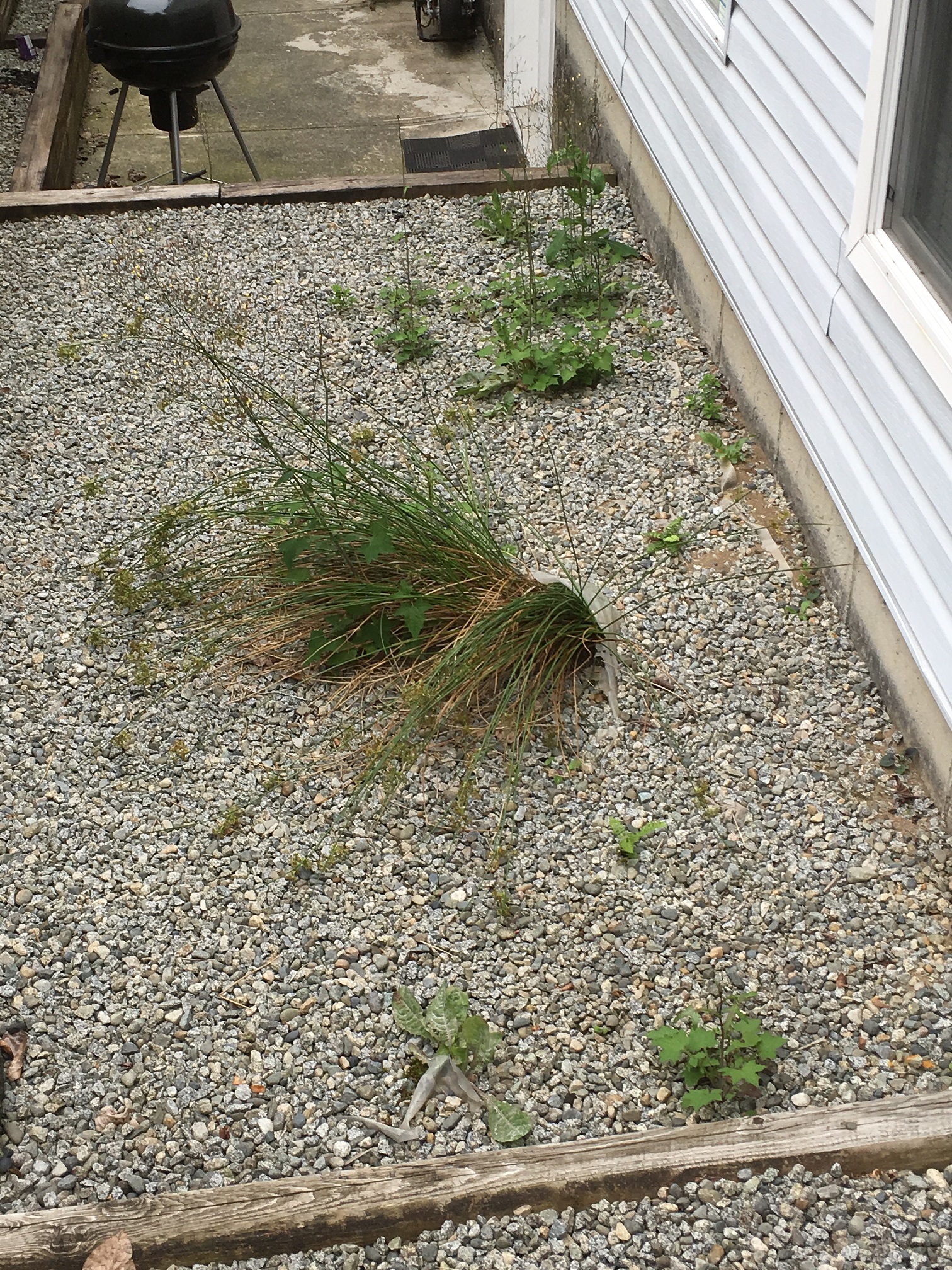
Nobody likes picking weeds but the side of the house was starting to “burn”. The rock layer isn’t deep enough to deprive the weeds of sunlight so they poke out of the landscape fabric.


IMG_2261

These weeds had to go.


Tree branches


IMG_2274


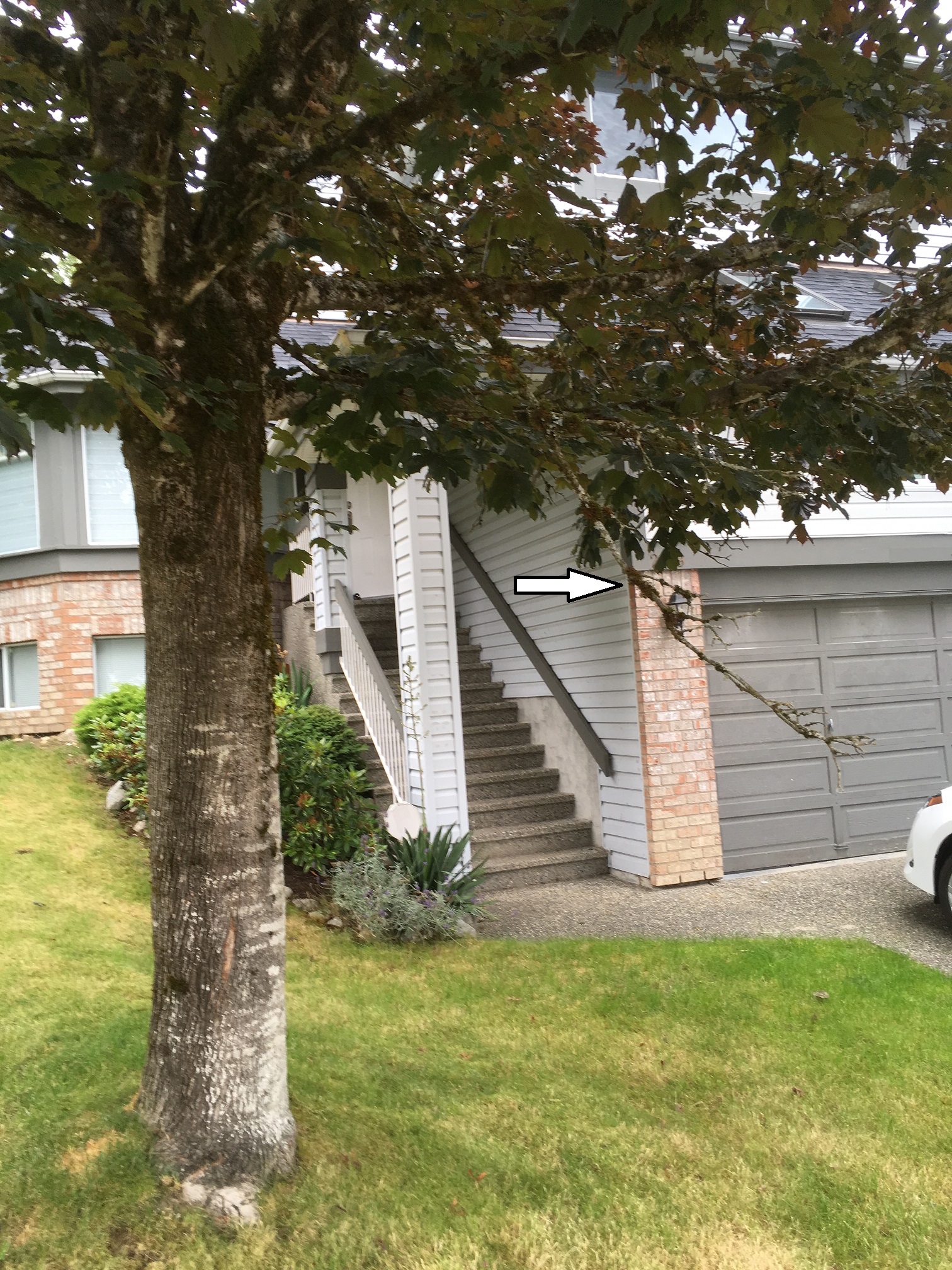
It’s a small detail but one dead branch pointing down (see white arrow) is unsightly and it presents an obstacle for lawn care people. So grab a sharp hand saw and make it disappear.

Why you should never trust metal grates

By | health and safety, landscape maintenance | No Comments

Why you should never trust metal grates


IMG_2284


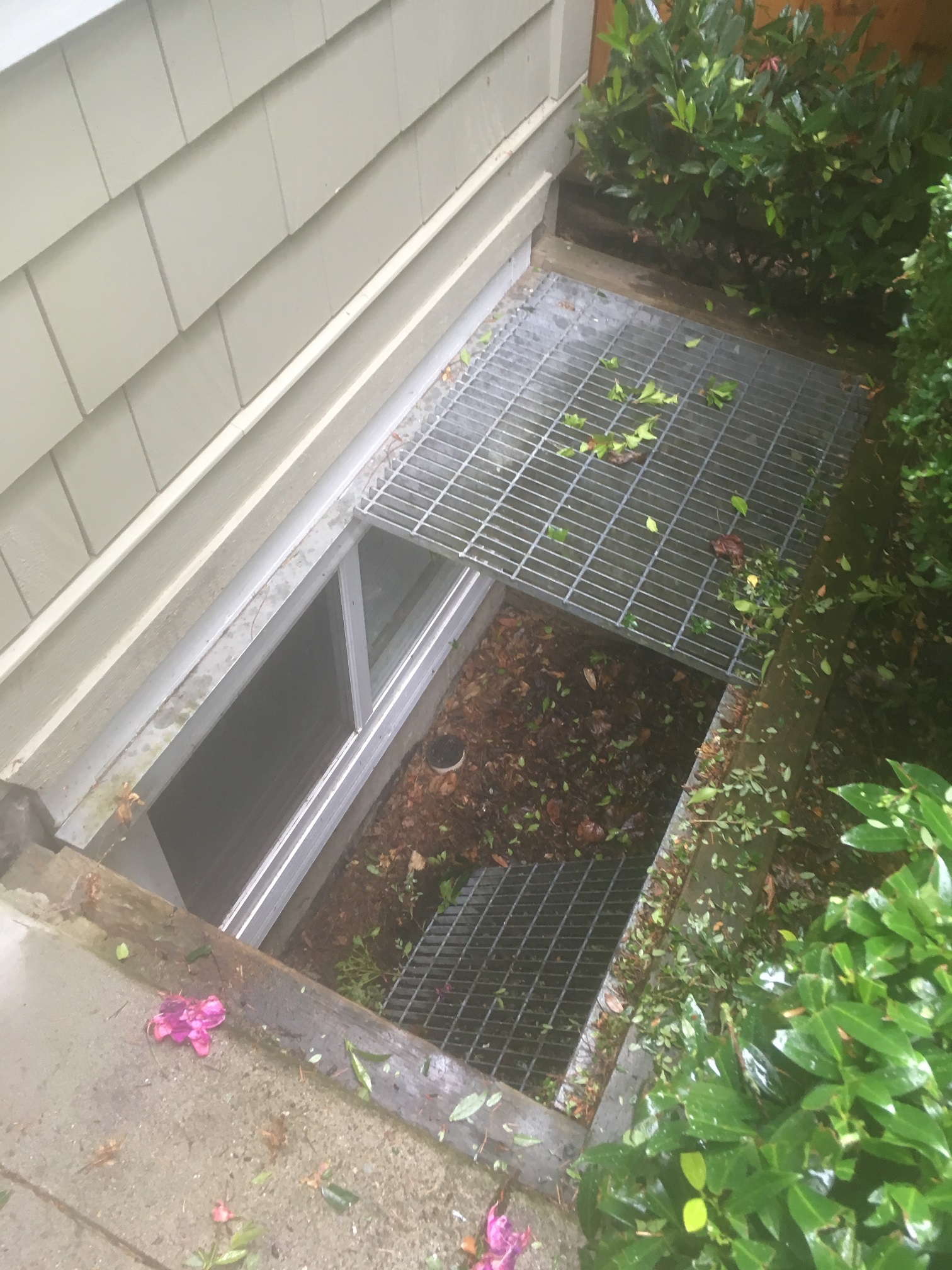
Never trust metal grates on your sites. I found out the hard way today after safely working on top of several sets while pruning shrubs. Then I got cocky by concentrating on my shrub pruning and not testing the grates. And one failed! As they sometimes do.

Luckily, I was using extendable shears so when I plummeted down the moving blades were far away from me. Unfortunately, during the brief fall my right shin met the hard edge causing me immediate discomfort. If I hadn’t been wearing rubber rain pants and long pants my shin would have been much uglier.

I retrieved a first aid kit from one of our work trucks and, after washing the wound and dressing it, I drove myself to my local health clinic. There I was coldly told that the doctors there didn’t do stitches.

Emergency

Aha. So, I walked to emergency nearby and waited.

After two interviews and a check of my vital signs I was moved to a bed inside. And I was ready with a print out of the July issue of the Altucher Report. Emergency doesn’t mean urgency. It takes forever to see a doctor.

Once, when my son was a little baby he wouldn’t stop coughing so I rushed him to the same emergency. By the time the doctor on duty showed up, my son was soundly asleep! Emergency, yeah right.

Dr. Quon checked my puncture wound and confirmed that I would need freezing and two stitches. And everything went well until he left his summer intern in charge of closing the wound. Let’s just say she struggled a little bit.

It also didn’t help that the patient next to me moaned non-stop until she got the medication she begged for.


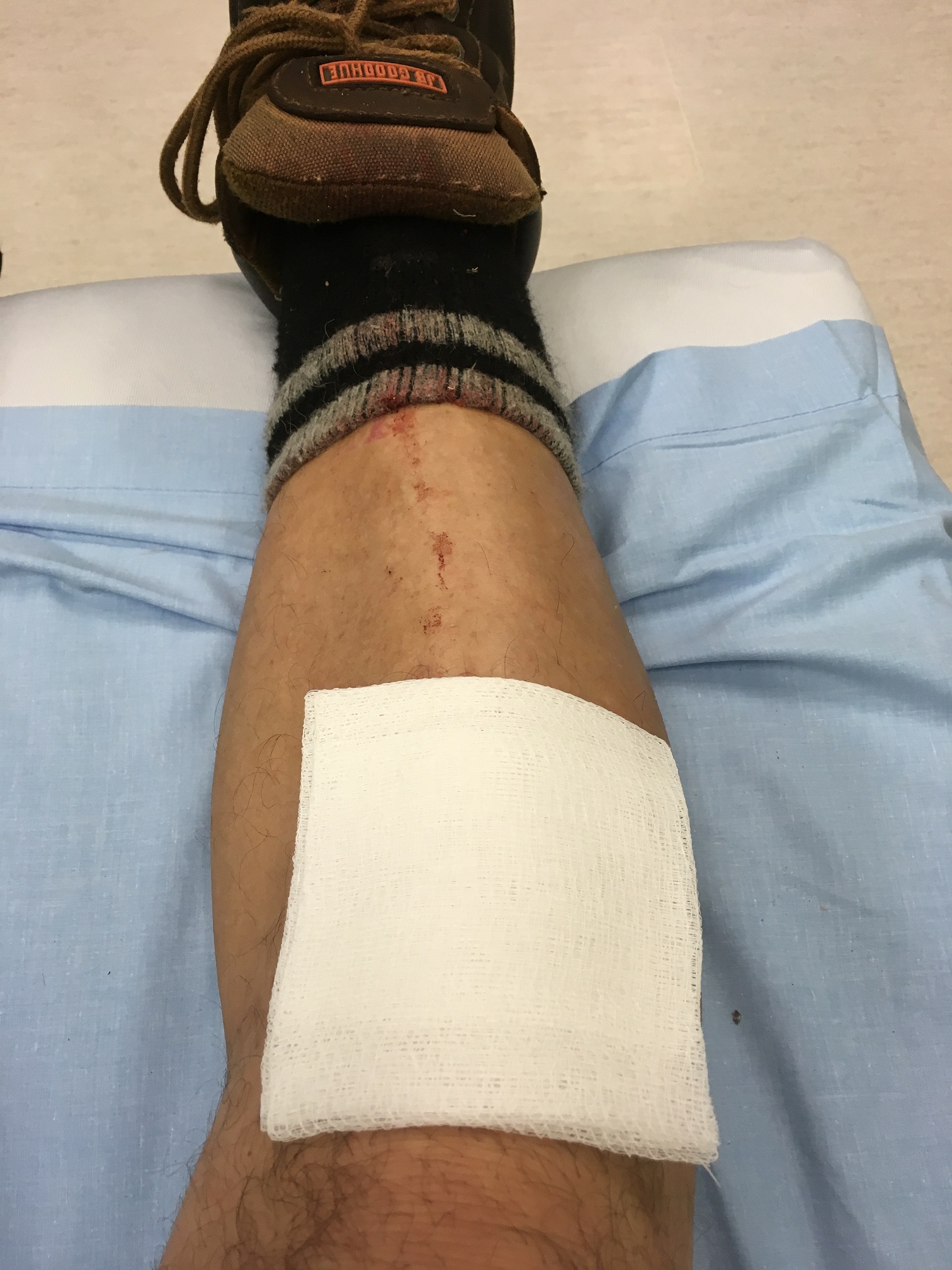
IMG_2286

This is the family friendly photo of my shin puncture wound waiting for two stitches.


Conclusion

Let’s review: a) never trust metal grates on site because inevitably one will fail and b) make sure your company vehicles have first aid kits; you will need them one day and it also complies with WCB rules.

And don’t get cocky, stay safe.

Another shocking waste of time

By | landscape maintenance, machines | No Comments

New landscape foremen gain experience as they work in the field with their crews and you can expect them to surprise you. I often think I’ve seen it all, but it’s not true; I will never run out of blog topics.

Consider my recent visit to one work site. The foreman and his helper were behind on mid-season pruning and finesse work. Really behind so I was called in to help out. That’s my role as landscape supervisor. I help out and train workers as we go.

Polished heads, really?

After finishing line edging, I found both workers by the truck washing and polishing their line edger heads!? Completely shocked and annoyed, I asked them why we were polishing machine attachments at ten o’clock when there was tons of pruning and weeding to do. “That’s how I like it” was the foreman’s reply.


IMG_1379ed

A nicely polished head but what’s the use when your site is burning?


Luckily, I kept calm and left to resume pruning. But this sort of time wasting shows the crew’s inexperience. They wash and polish attachments that will get dirty again the next day instead of doing important work. Logistics can be done at the end of the day before the crew leaves the site. Ten o’clock in the morning is prime time for pruning and weeding.

Blind

The crew’s inability to see their time wasting and lack of focus is extremely shocking. Having extra people on site should have been a good hint. But no, they polish their attachments after every use and chat while their sites burn. The front entrance area was full of large weeds and it could have been cleaned up in the time it took to polish two attachments.

So, what is a landscape supervisor to do? Well, first I write a blog post about it to educate others about time wasting in landscape maintenance. Second, I went online to have some fun. I posted a question on several lawn care Facebook groups, asking their members how many of them washed their line edger heads after every use.

Results

Because the Facebook groups are populated by professional lawn care dudes who run their own shows they laughed hard. Not a single individual washed his attachments after every use. That’s because most of them run businesses; they don’t work by the hour for bosses. They hustle all day so they don’t have time to waste.

My way

Following the latest feedback research, I informed the crew what I would do. I would focus on the site by taking care of mid-season pruning and finesse work. Then, if I still worried about the condition of my attachments, I would polish them after loading up the truck at the end of the day. Maybe. In practice, I never polish my attachments. I lubricate them periodically; and I replace worn out parts.

Focus on real work, never waste time!

How I discovered Kelowna’s Japanese garden

By | gardening, Reviews | No Comments

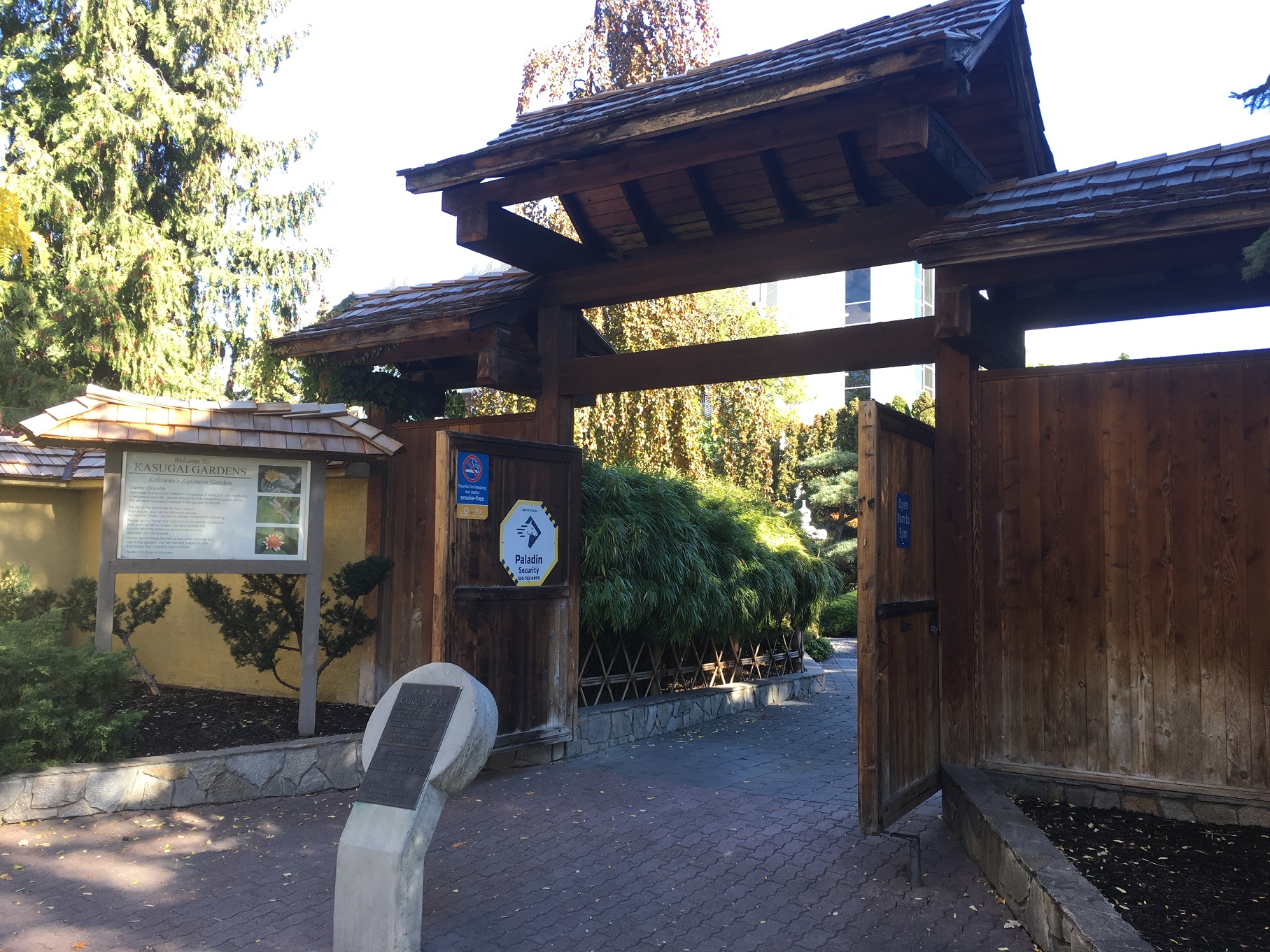
It makes me smile every time I make a pleasant garden discovery. My last discovery happened thanks to my wife, a snow country girl from the West Coast of Japan. She checked tourist information sites for Kelowna because my son had fall league soccer matches there all weekend. And bang, there was a Japanese garden tucked behind Kelowna’s city hall. It was something like a five minute drive from our hotel and it was free! The sunny fall weather helped, too.


IMG_4202


Japanese gardens

Two important things about Japanese gardens. One, the Japanese love nature and it’s reflected in their gardens. Forget religion and various Zen trinkets. It’s just that they live on a small, crowded mountainous island so large private gardens are reserved for the rich.

Two, there is lots of room left for your imagination. It’s not like Western gardens where there is so much stuffed into the garden your eyes don’t know where to look first. I love this about Japanese gardens. They can do so much with some Azaleas, moss and stone. Spaces between plants are extremely important.

Kasugai

Kasugai is Kelowna’s sister city and it’s from that relationship that this garden developed. The garden is small; my kids burned through it in no time because they were thinking about lunch. I took a bit longer because I had research to do for my blog.

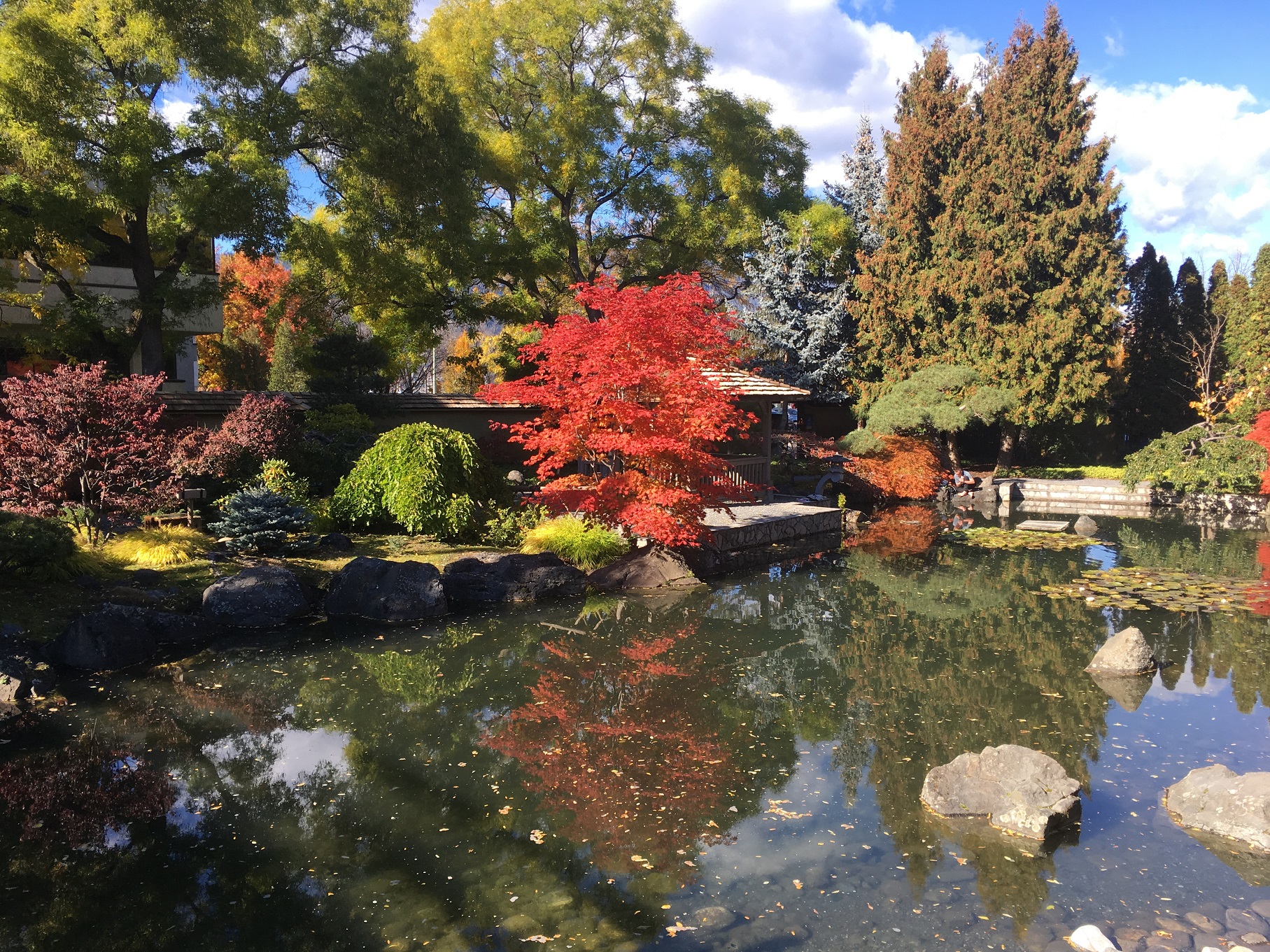
I noted the common Japanese garden features: gazebo to sit in, rock garden, lantern, bridge, pond and stream with koi carp fish.


IMG_4132


My favourite trees

As soon as walked into the garden, I noticed a specimen of my favourite tree, Albizia julibrissin. Unfortunately, in October the beautiful fragrant flowers are long gone. When you get up close the flowers tickle your nose. The fragrance must be experienced because I can’t describe fragrances.

The garden also sports another tree species I love. Davidia involucrata. In summer, when the round fruit is partially covered by the involucre, you understand the common names given to this tree. Ghost or handkerchief tree. I prefer ghost because the first time I looked up into this tree in a Vancouver daycare, the fruits covered in long white involucres looked like ghosts. I wonder if the kids ever noticed.

Stop by

If you have some time to kill in Kelowna, definitely stop by this free Japanese garden. It’s well worth the visit.


IMG_4140


IMG_4158


IMG_4131

Pro blogger Vas researching…..

Why eating lunch alone is bad for you

By | health and safety, Landscaping | No Comments

My regular work day includes a thirty minute lunch with no other formal breaks. When I first started with my current company, not having morning and afternoon breaks felt weird but there was an upside. I finished early. So, to ease my body into the new schedule, I would take quick micro-breaks to drink and eat a snack without sitting down. Now, in my fourth season, it’s all fine.

Lunches

I normally eat lunches alone because we don’t have huge crews and I need the mental break from physically demanding work. Unless my co-worker Allan is nearby, because I often poach some of his excellent Arabic tea.

Once, completely exhausted by lunch in hot weather, I collapsed in my truck and the workers turned me in to the boss. Vas sleeping, as if! I was meditating. Incredibly, this came up in my work performance review.

Not alone

And according to an article published in the Globe and Mail (“Eating lunch alone at work can have adverse effects“, Friday July 27, 2019) I have plenty of company. Almost half (42%) of working Canadians eat lunch alone every day.

Eating lunch alone isn’t really normal. It happens when people start working. Then, eating with colleagues seems like a gift we can’t afford to accept.

I find that as a supervisor in charge of field production, many workers don’t really want to spend an extra half hour with me. Unless, of course, it’s cold or rainy outside and my company truck is warm.

Adverse effects

I had no idea eating alone came with so many adverse effects. According to research mentioned in the article, “people who eat most meals alone may express feelings of loneliness and social isolation”. “Eating in solitude is more strongly associated with unhappiness than any single factor, other than having a mental illness.”

Benefits

There are many benefits to eating together and scoring free Arabic tea is just one of them. How about improved communication with co-workers, stronger relationships with co-workers, increased happiness, job satisfaction and greater productivity.

Considering the many benefits listed above, I think I will try to eat the odd lunch with our crews.