
All Posts By

Vas Sladek

Mistakes homeowners make

By | gardening, Landscaping | No Comments

This is yet another blog post inspired by a question posted on Quora.com. As a landscaper, what do you think are common mistakes homeowners make?

There are some mistakes that repeat so let’s take a look at my list.


A. Poor watering

People are busy so they take out their garden hose and spray their plants for a few minutes. Unfortunately, some plants, trees especially, require slow soaking which takes more time and attention.


IMG_0865

New plantings require slow soaking.


Before you water your garden beds, stick your finger in your soil to see how much moisture is in there.

Hanging baskets require heavy soaking. I learned this when I worked at the City of Coquitlam. I had to soak every hanging basket until the water was gushing out on the bottom. It seems crazy but if you have hanging baskets, water them really well. Don’t just spray them.

My boss’s wife dumped her hanging baskets last week because they dried out. I told her to soak next year’s baskets like hell and now, slightly upset, I fear she will start making mistakes on my paycheques.


B. Reaching for chemicals

Homeowners are quick to reach for chemicals to solve problems in their gardens. Yes, I know, your local big box store is selling it so it can’t be bad. Right? Don’t do it. Search for better solutions, don’t introduce synthetic chemicals to your garden.

I know people who dump Killex on their lawn weeds every year. Then their kids go out to use the trampoline. I tried to cover the weeds by fertilizing their lawns really well. It didn’t matter. Killex it was.

Incidentally, I object to the cover photo. Dandelions (Taraxacum officinale) are awesome and edible. I frequently drink dandelion root tea. If you hate dandelions, dig them up manually.


IMG_1213

Just attach your hose and push the lever to on. Red Seal Vas does NOT recommend this.


IMG_1215

Are you sure you want this on your home lawn?


C. Client vs customer

Nobody enjoys getting ripped off but, please, get to know your landscape professional and keep him for years. That’s how you become a client and landscapers love clients. Why? Because we can educate clients while we solve their landscape problems. It becomes a good relationship.

I run from customers. Earlier this year, I was referred to a man with pressing landscape problems so I went to see him. His first question was how much? It seems logical to ask about rates but I already know this dude will be a headache.

His mugo pines (Pinus mugo) were covering over half of the public sidewalk and he was afraid of getting fined by the city. I would be more afraid of ladies in motorized wheelchairs raising their middle fingers.

I did the pruning by hand, got paid and left. I hope I never hear from him again.

Now, back to my own mistakes.

Enjoy your summer.


Never tolerate death in the landscape

By | landscape maintenance | No Comments

Some months ago I spent a very satisfying morning at one site removing dead plants.  I say satisfying because I hate seeing dead plants on any site. It always looks like the landscapers don’t care.

We removed so much dead plant material, it loaded up our truck. That’s how bad it was; and how long overdue it was.

Two special cases

There are two special cases where removing dead plant material can’t be done. One is where the strata council decides against it for whatever reason. Since they’re the people paying you for your services, all you can do is suggest courses of action.

Two, the site plants may still be under warranty if the site is still new and the strata council hasn’t taken over the site from the developers. You might get to catalogue the dead specimens and hope the developers replant them. It’s usually a bitter fight so don’t make it worse by removing dead plant material. Just wait until everything gets resolved.

Why?

It’s not always possible to find out why some plants died but you should try. With our West Coast summers getting hotter some plants are doing worse than others. For example, Western Red Cedars are suffering.

Sometimes it’s poor installation or malfunctioning irrigation system.


IMG_0956

This Rhododendron was smothered by landscape fabric and river rock. Fabric plugs up and doesn’t allow water to penetrate to the root zone.


Assuming the plants didn’t die because of your poor maintenance, this is a great opportunity to sell the strata new plants. And that means putting together a quote with labour costs plus mark-up on every plant. In exchange the strata gets a better looking site. Looking at dead plants is depressing.


IMG_0948

This dead Thuja plicata hedge looks terrible.


Not same old

Obviously, it wouldn’t make sense to replace dead cedar hedges (Thuja occidentalis) with more cedars. We’re finding that Portuguese laurels (Prunus lusitanica) are doing much better in the landscape and form very nice hedges. You just have to make sure they get established well.

Trees should be treated the same way. Try a different tree species once you’re sure the tree is really dead. If you’re not sure, take your snips and gently scratch a branch. If it’s green underneath there is still life in it; if it’s brown, it’s toast and you should replace it.


IMG_1573

This Cornus tree failed the wiggle test but just to make sure, I scratched the branch. Brown means it’s toast so I pulled it out easily.


Conclusion

Dead plants look awful in the landscape. We want healthy, beautiful landscapes for people to live in. Try to remove and replace dead plants as soon as you can get approval from your clients.


One bad week

By | health and safety | No Comments

Life is never perfect. It will throw you some curves once in a while. I was thinking about this last week while planting fastigiate cherry laurels at a beautiful city site.

It was a perfect sunny morning and the site was nicely flushed out in new green foliage. One added bonus was that I had eight specimens of Prunus laurocerasus Genolia to plant. I had never planted this fastigiate species.

Broken body

And yet my body was slightly broken. It was almost comical. My right arm was swollen from a wasp sting earlier in the week; my left upper arm was swollen from a tetanus shot and my right shin still had stitches in it from a mid-week pruning accident.  I was extremely happy to take my son to his Friday night soccer tournament, buy coffee at Starbucks and just watch.

Stinging insects

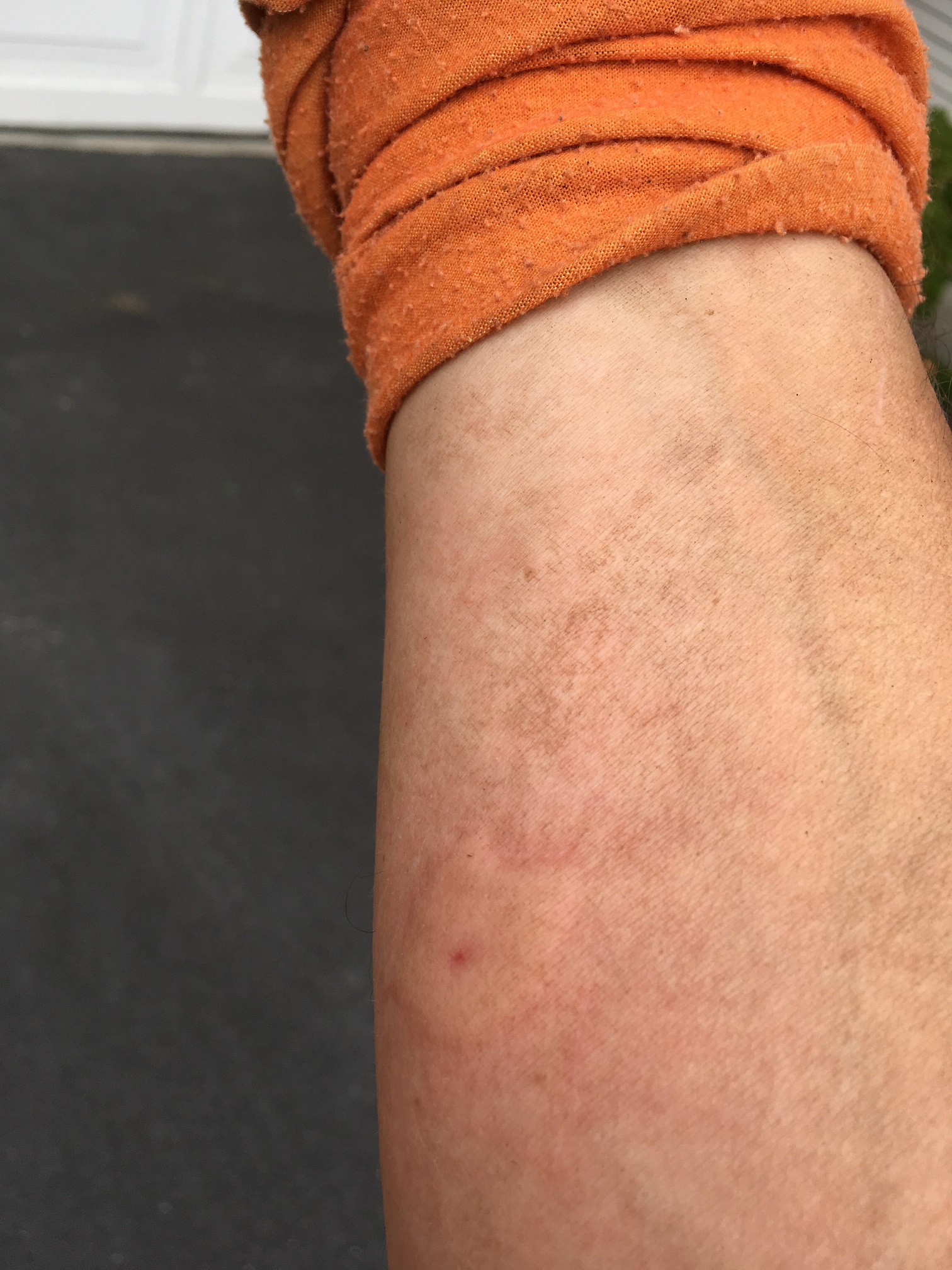
It’s almost impossible to avoid stinging insects when you spend your whole day in the landscape. I was raking up debris after pruning shrubs and, since the leaves were stuck in rocks, I had to use my hands for the final step. And that’s when a nasty wasp sting alerted me to a nest inside wooden steps. That was on Monday.

By Wednesday my arm was nicely swollen and itchy.
 

IMG_2223

Shot soon after the sting, before swelling.


And that’s when I started pruning in tight backyards. The only way to access the shrubs was to step on metal grates which separate the houses from the shrubs.

Now, I have some field experience so I visually inspected the grates before stepping on them. Then I got cocky and fully concentrated on pruning.

Bam, the metal grate slipped out from the house side and I plummeted 3-4′ straight down. Luckily, the extendable shears kept the blades away from me.

Unfortunately, as I went straight down my shin hit the edge and created a nasty puncture wound. So, I drove myself to emergency and now I’m recovering. The gash is healing but the shin is sore so planting cherry laurels wasn’t as much fun as it usually is. Planting requires dropping to my knees and using a shovel. I managed.
 

IMG_2317

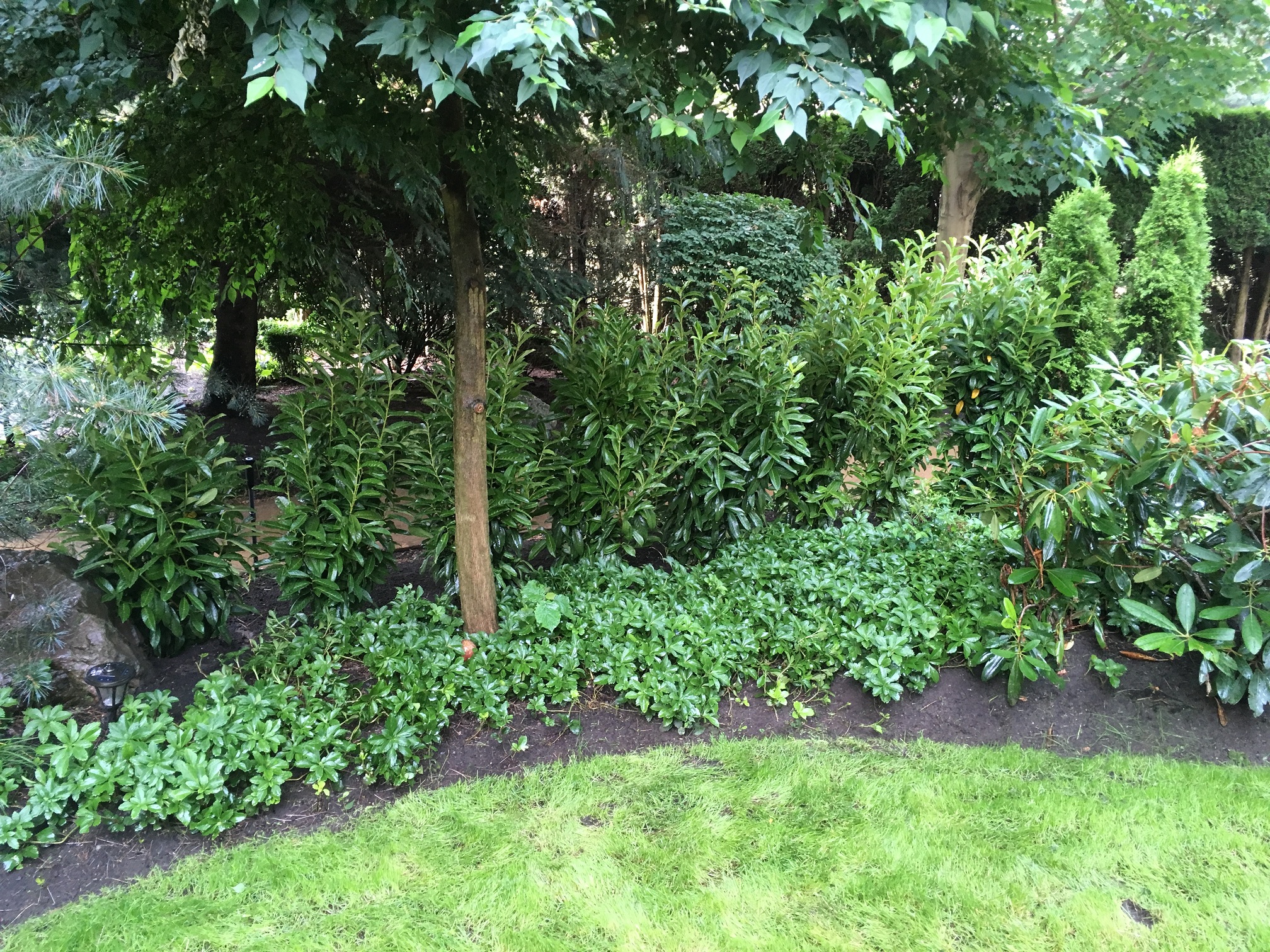
The new cherry laurel screen is in the back. Prunus laurocerasus Genolia.


It’s a long season in the field for landscape professionals. You can expect to work in all kinds of weather and don’t be surprised if one of your weeks goes sideways. But I’m sure you’ll manage.


Don’t miss CanWest 2019

By | Education, Events | No Comments

Don’t miss CanWest 2019 Horticulture Expo, Western Canada’s Premiere Horticulture Trade Show. If you read this blog frequently-and I hope you do!-you will know that I harp on this every year. The show runs from September 25-26, 2019.


Why I attend


IMG_2447

Landscape pro Vas planning his CanWest lecture line-up.


Yes, thanks to the generous support of my company, I get two paid days off to hang out at a trade show. But it’s not about escaping from work. It’s about learning and collecting education credits. And this year looks very promising.

As an ISA certified arborist I attend the full day Urban Foresters Symposium on Wednesday; and this year two lectures look interesting: tree planting and installation; and tree diseases affecting Pacific Northwest trees. There is usually enough time after the symposium to take the plant ID test on the trade floor.

Then, on Thursday, there are short courses available. This is my proposed list.

  1. Renovation pruning of an Old Garden, 8:30-10am
  2. Garden zombies: horticultural myths, 10:30-12:00, Dr. Linda Chalker-Scott
  3. Pruning fruit trees, 1:15-2:45

CanWest rock star!

Note that the second course is taught by my online mentor Dr. Linda Chalker-Scott from the University of Washington. I have most of her books and I bought her Great Course. All of them are great resources. Not only is there science behind Linda’s work, she’s also local. If you’re not familiar with Linda, now is your chance to correct that frightening omission. Thank me later.


38800233_10217128405506717_8333181206526951424_n

Dr. Linda Chalker-Scott, don’t miss her lectures and learn from her work.


Lots happening

There is lots more happening at CanWest than lectures. The trade floor is covered by booths, there is a job board, arborist demo zone, bug zone and pest ID challenge, and truck and trailer safety.

You can also reconnect with old co-workers and meet new people to build your network. This trade show is awesome for a professional landscape blogger like me. And some of my work will appear on this Proper Landscaping blog.

Don’t miss this year’s CanWest. If you see me there, please say Hello and give me feedback on this blog.

Learn. Connect. Grow.

Butterflies and cherry laurels: Why collecting new firsts is a lot of fun

By | gardening, Landscaping, Plants | No Comments

I really enjoy collecting new firsts. It makes my working life more exciting and, because I’m doing something for the first time, it becomes a good learning experience. Let’s examine two of my firsts from yesterday.

Butterflies

Yesterday, I was rushing my end of the day clean-up blow because my son had a soccer tournament to get to. Then I stopped to admire a Butterfly bush (Buddleia davidii). It flowers from June to September and clearly the flower panicles weren’t fully formed yet.

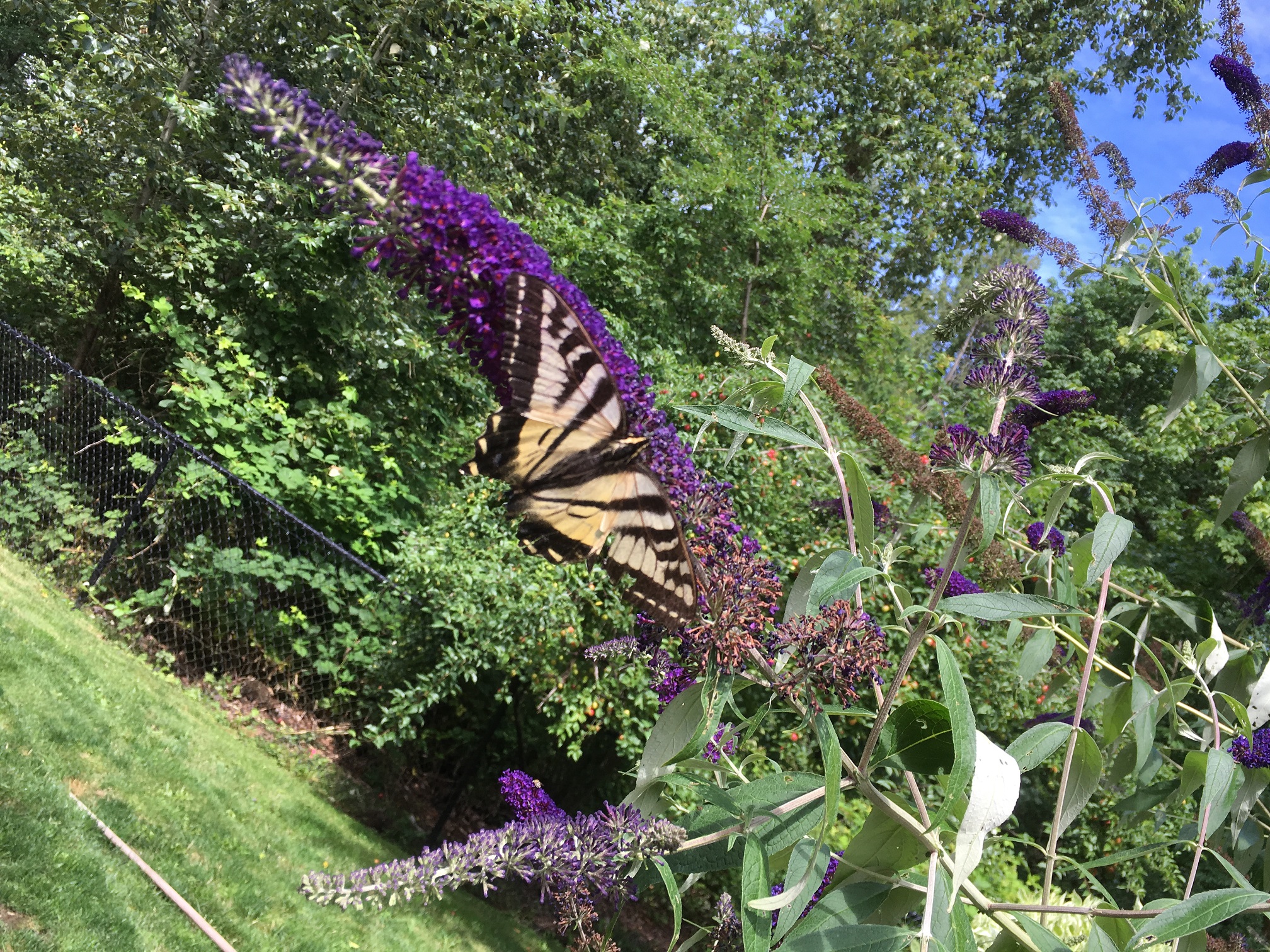
And then a butterfly showed up, attracted by the flowers and totally oblivious to my presence and the loud blower on my back. Finally I had my own picture of a Buddleia davidii with a butterfly, confirming the common name.

Now considered invasive, Buddleia davidii provides summer interest. Then when it starts to get out of control, we hack it up.


IMG_2334

Buddleia davidii (Butterfly bush) with a butterfly; my first photo confirming the common name.


Prunus hedges

I’ve seen and worked with English laurels (Prunus laurocerasus) before but the Genolia variety is new to me. This fastigiate cherry laurel (Prunus is in the cherry family) is perfect for privacy screens because it has a more upright habit (fastigiate). It also handles partial shade.

The upright habit and shade tolerance were critical factors in my project area.


IMG_2309


I had just taken out four dead cedars (Thuja occidentalis ‘Smaragd‘) from under a Styrax japonica tree. Obviously, replanting with the same cedars would be suspicious so in went the fastigiate cherry laurel. It can handle full sun, partial sun and shade; in this location it will get some sun and lots of shade.

The upright habit will help the homeowner create a privacy screen between his unit and the walkway. Plus the glossy green leaves are very attractive. The cherry laurel will also flower.

I watered the laurels in nicely and checked the planting depth afterwards. I got my first ever Prunus laurocerasus Genolia planting done; and the owner was extremely happy to get his dead cedars replaced. I can’t wait to check on the hedge later in the season.


Mid-season pruning in bear country

By | Pruning | No Comments

June and July are prime pruning months in the landscape. As we hit mid-season, most trees and shrubs are happily outgrowing their spaces and they must be pruned back. If you missed the mid-season pruning start in your garden, you can still catch up. On large strata-multi-family-complexes, getting off to a slow start can be problematic.

This is why I was sent to do some pruning in bear country. The strata site I worked on gets frequent visits from a mother bear and her two cubs. Luckily, the noise we make with power shears keeps the hungry bears far away.

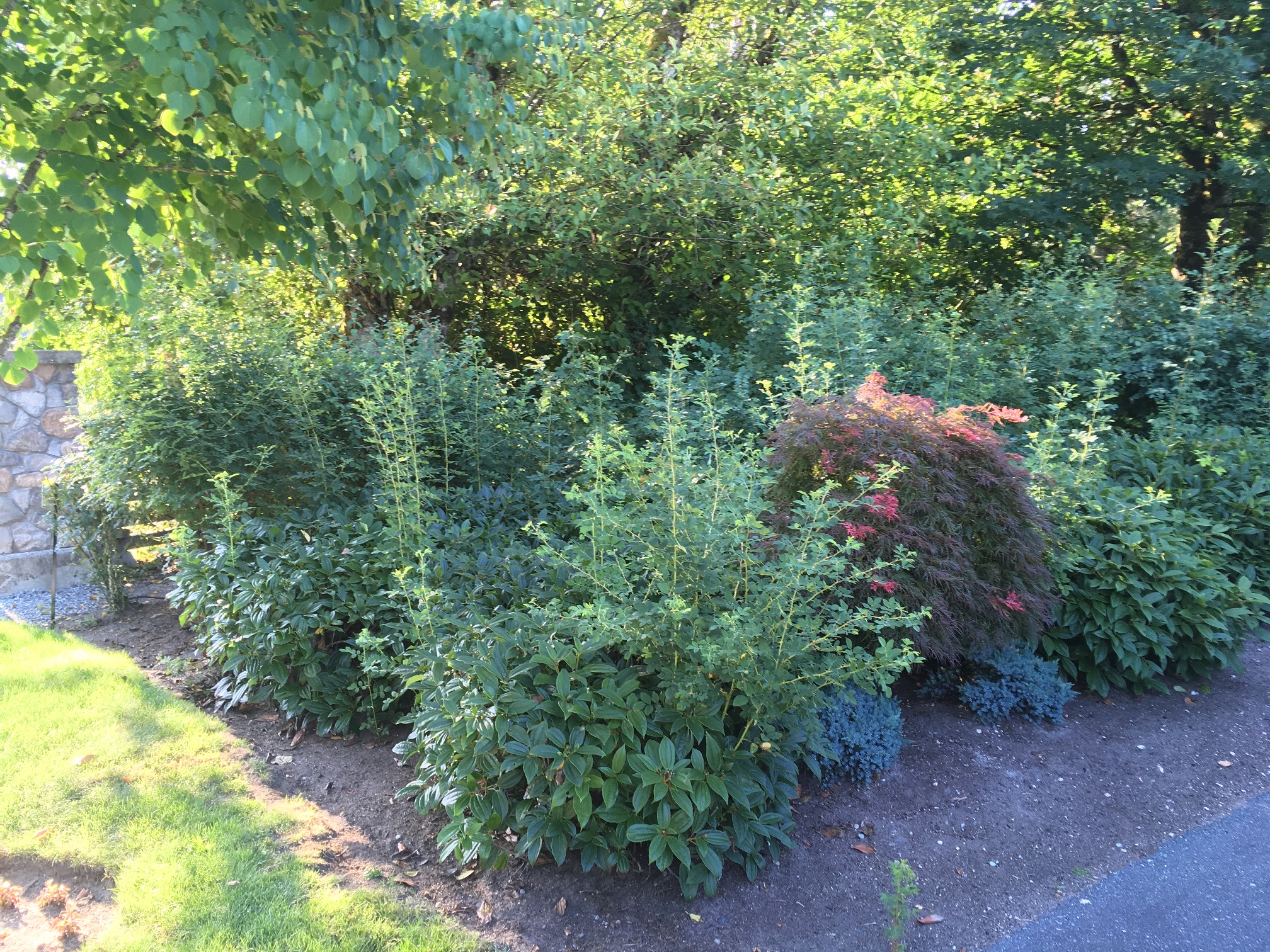
The pruning on this site was also slightly behind schedule. Take a look at the picture below and identify the problems.


IMG_2773edit

How many problems do you see?


This is a classic mid-season area full of targets.

  1. The Japanese maple (Acer palmatum) isn’t completely visible which bothers the residents.
  2.  The roses are sending shoots right through the Viburnum davidii shrubsI had to cut the roses down by hand with snips which was slow but necessary.
  3. All shrubs in the background require pruning.
  4. There are weeds in the bed edges.
  5. Trees have low hanging branches.


So, let’s grab sharp power shears, goggles and ear protection; and let’s get to work.


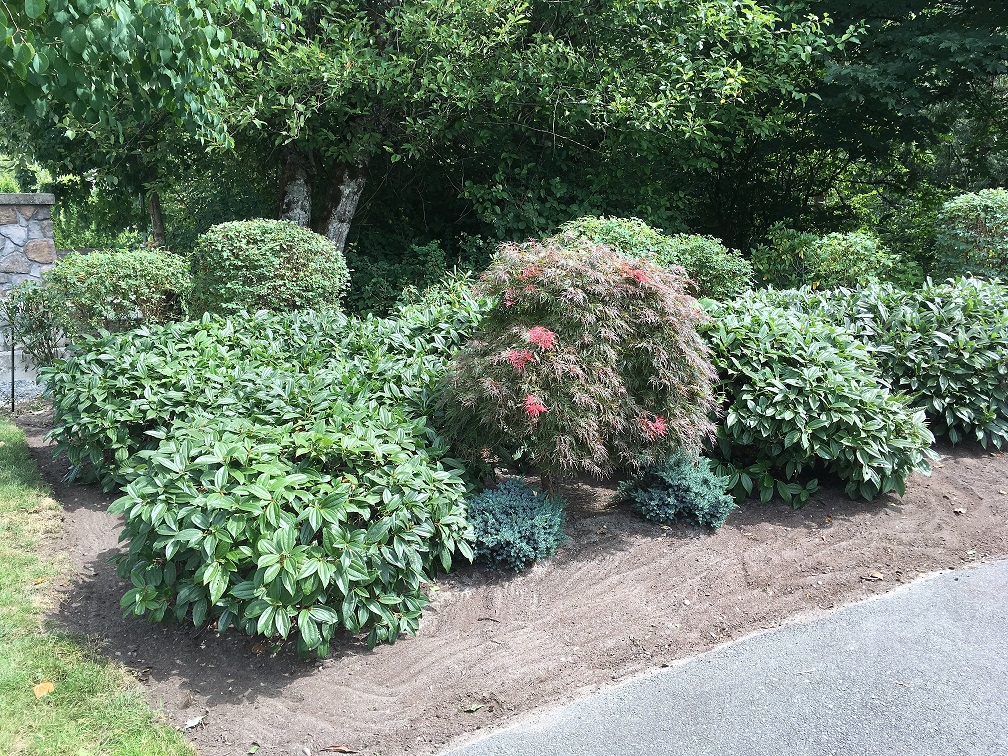
IMG_2777ed

Better?


  • The Japanese maple is now visible and the debris at its base is now gone.
  • The Viburnum davidii also look better without rose spikes sticking out of them. Note that I don’t like to power shear Viburnum davidii because it inevitably shreds the stems. If you have time, hand snip out any obvious spikes without making holes in the shrubs. Rake out whatever leafy debris you can but don’t stress out. It’s hard to get everything from inside multi-stemmed shrubs.
  • The rounded snowberry shrubs (Symphoricarpos albus) in the background are now under control.
  • Weeds are now gone from the edges and the bed edges are cultivated. This makes a good impression on people walking by or parking their cars. Note that the main task for the day was pruning so we weeded only the worst areas. I think the split would be something like 85% pruning-15% weeding. This is where new landscape foremen can falter: it’s critical to get your mid-season pruning done. If the finesse work suffers for  few weeks, so be it.
  • My tree work was limited to obstruction: low branches covering shrubs or interfering with parked cars. Summer isn’t the best time to prune trees. Wait for the fall when the leaves are gone and the crown structure is nicely visible. But don’t be afraid to prune your trees if there are obstruction issues.


When you hit June on the West Coast you should be thinking about mid-season pruning. And if you aren’t, chances are your clients will remind you with their requests.


Can your beds have too much colour?

By | gardening, Plants | No Comments


Before we get to the title question, let me set this up. Some weeks ago I walked into a local store looking for summer fertilizer. No luck. But I did find several specimens of Orange New Zealand sedge (Carex testacea) marked for clearance at $2. Two dollars? That’s right, just two dollars for a sedge with attractive foliage. And you don’t have to touch it all year. I bought one for each hand and walked out with a smile.

Now, why wouldn’t a sedge fly off the shelves? Because it doesn’t sport any bright colours!

Beauty or chaos?


IMG_2176


Can your beds have too much colour? When I see beds like the one pictured above I feel chaos because my eyes don’t know where to focus. I need calm and tranquility. And of course, this is all super subjective. I’m sure the owner is super happy about her garden.

I’m not judging anybody. I’m happy people have time to garden because it’s good for them, both physically and mentally.

Also, I’m not a garden designer. If I was, I would know the technical terms for too much colour. I just know my feeling of unease. So I had to write a blog post about it so I can let it go.


IMG_2166


Once again, this is too much colour for me. When I walk by, this bed does nothing for me because my eyes can’t rest.


Tranquility


IMG_2154


This is what I like. And you had to expect it from a dude who considers a $2 sedge a bargain. The flowering Thyme attracts lots of bees and it’s nicely bordered by Corral bells (Heuchera). Heucheras produce nice white flowers but they’re not super showy. It’s their deep purple foliage that rocks.

The yuccas add more white colour and height to the presentation. Best of all, my eyes aren’t pulled in many different directions. I can enjoy the view in peace. There, I said it, and now I can let it go.

Enjoy your garden this summer!

Learn to love your new Oakleaf Hydrangea

By | Plants | No Comments

This blog post is about oakleaf hydrangeas but I have to set it up a bit. It will make sense shortly.

Professional landscapers are more likely to hear a complaint than “thank you”. Sadly, that’s how it is. But there are exceptions. For example, one beautiful and large site treats its landscapers to a monthly lunch. Nice! In July it was a barbecue.

Smoke and fire!

Walking back to refuel my power shears, I noticed smoke between shrubs and assumed the barbecue was already on. I was wrong. A rebel worker was breaking WCB regulations by smoking on the job so I explained it to him in stronger language that doesn’t belong on this blog.

At lunch both crews assembled for the barbecue and minutes later one owner burst through the gate yelling “fire”. That would have been strange: ten people sitting around a table making small talk while a fire rages on.

What? No flowers?

The barbecue hosts eventually ran out of small talk and asked me why their new Oak leaf hydrangea wasn’t flowering. Well, like most hydrangeas they flower on the prior year’s wood. Since this was a new plant without flowers I told them to stay patient and wait for next season.

The owner replied that at 66 years of age, she didn’t have much time to wait for flowers. She has no choice.


IMG_2083

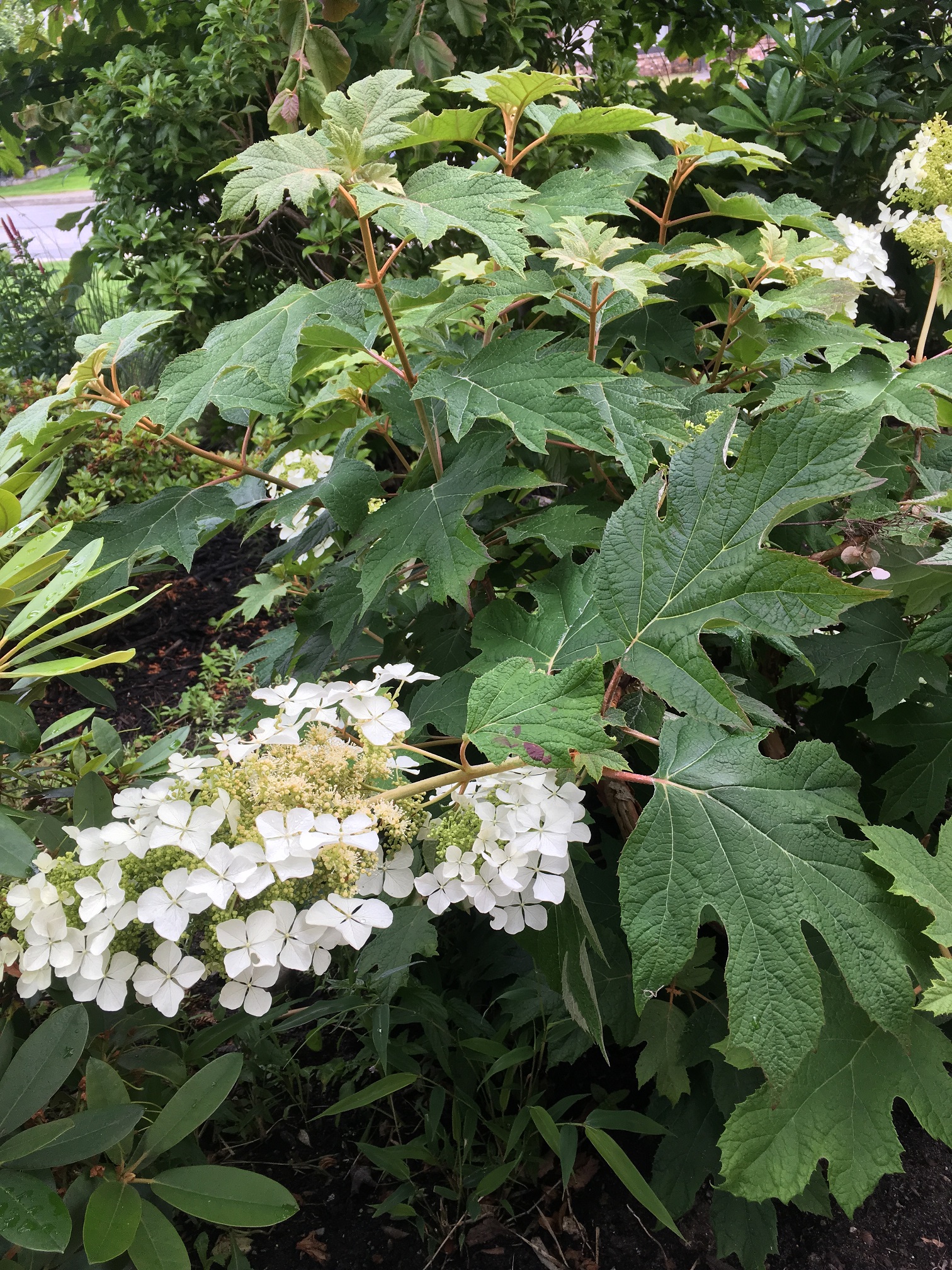
Brand new Oakleaf hydrangea. It will flower next season on the wood from this season, assuming the owners don’t prune it.


IMG_2146

This specimen was planted last year so the flowers are growing on last year’s wood. This is a common hydrangea habit.


LOVE IT!


Oak leaf hydrangeas are beautiful. I find the oak shaped leaves a nice break from regular hydrangea leaves. If you want some change, get one Oak leaf hydrangea for your garden. And if it doesn’t have any flowers, stay patient and don’t prune it.

Your street trees need water too

By | Arborist Insights, Landscaping | No Comments

I normally ignore ads in local newspapers but my eye caught a nice ad from City of Surrey. It’s reminding us that street trees need water just like our own trees and gardens. Especially trees under five metres tall. Older more established trees can handle a few weeks of dry weather because they have well-established roots.

How to water street trees

I like to use a standard garden hose without a nozzle and slow-soak the trees along the drip-line. Drip line means the ground directly below the tip of the furthest reaching branches. I see many people spray their trees and shrubs with the same sprays used for flowers.

Yes, it takes more time but slow-soaking trees is the best way to water them.

City recommendations

This is what the City of Surrey recommends:

  1. use a hose equipped with an automatic shut-off nozzle
  2. water twice per week for 15 minutes with a steady stream of water (about 20L)
  3. water at the drip-line

The City of Surrey will also provide you with watering bags if you have young trees on your street.

Plant stress

Water stressed trees can drop their leaves prematurely and be more susceptible to pests and diseases. Recently I had residents point out problems with their plants and all of them were clearly water stressed. It starts with adequate watering. Pests appear when the plants are weak and stressed.


Early summer photo essay

By | Species | No Comments

Every winter I dream about writing blog posts like this, highlighting  colours in the landscape; as I reluctantly put on extra layers before heading out into the landscape, suffering from a mild case of seasonal depression. Then I arrive at early summer and life is good. So let’s see.


IMG_2167

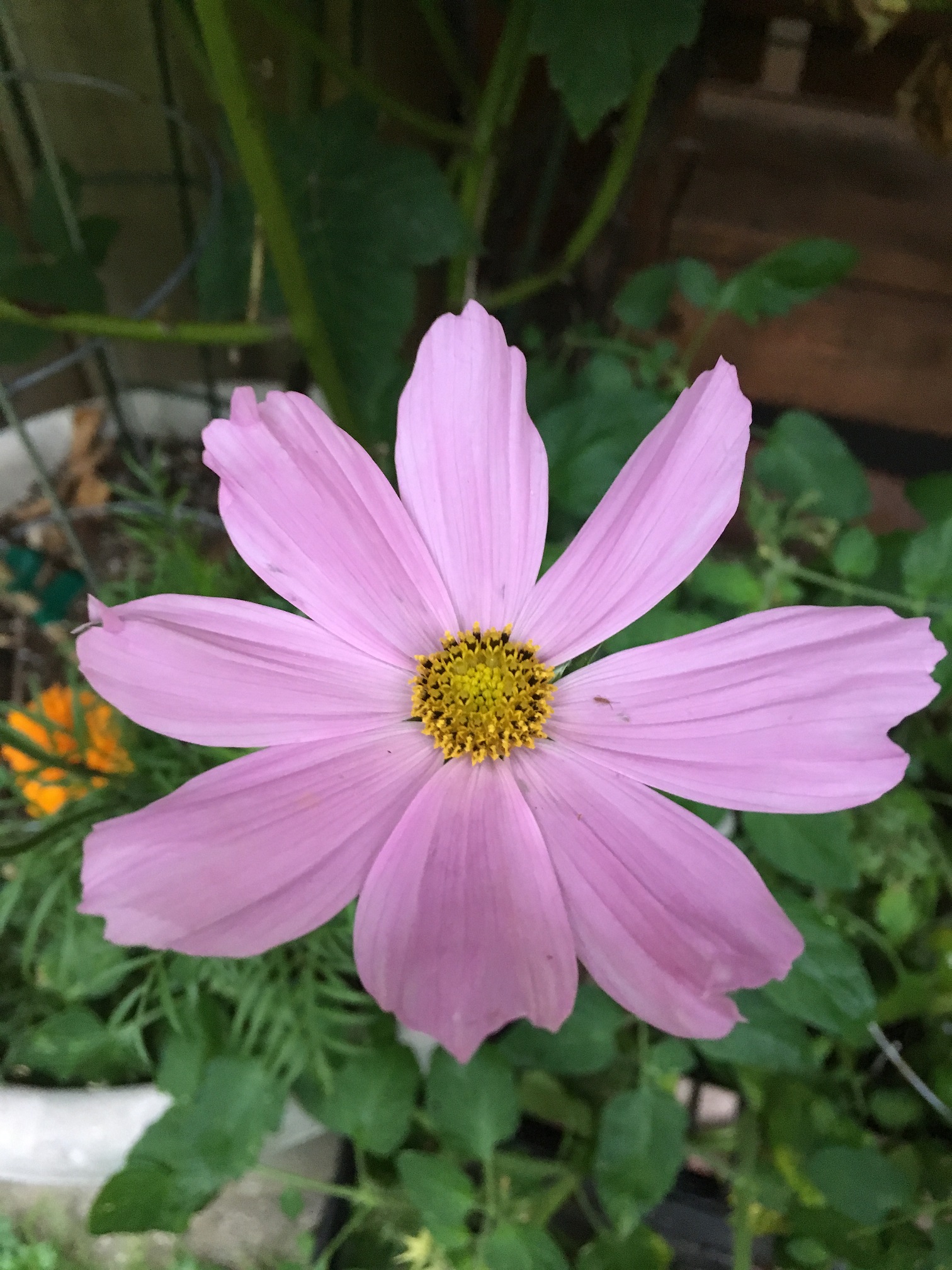
Cosmos


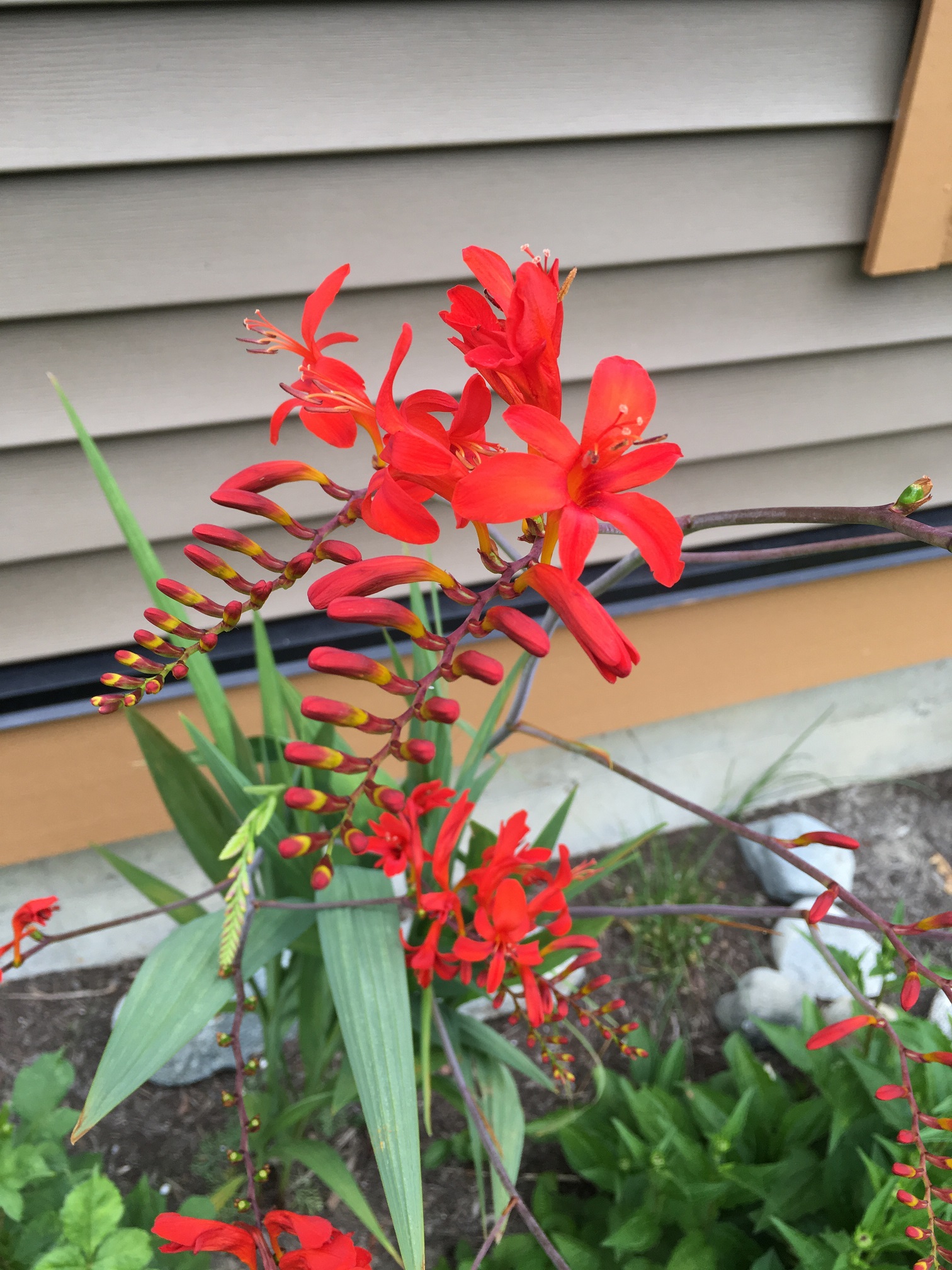
IMG_2120

Crocosmia ‘Lucifer’


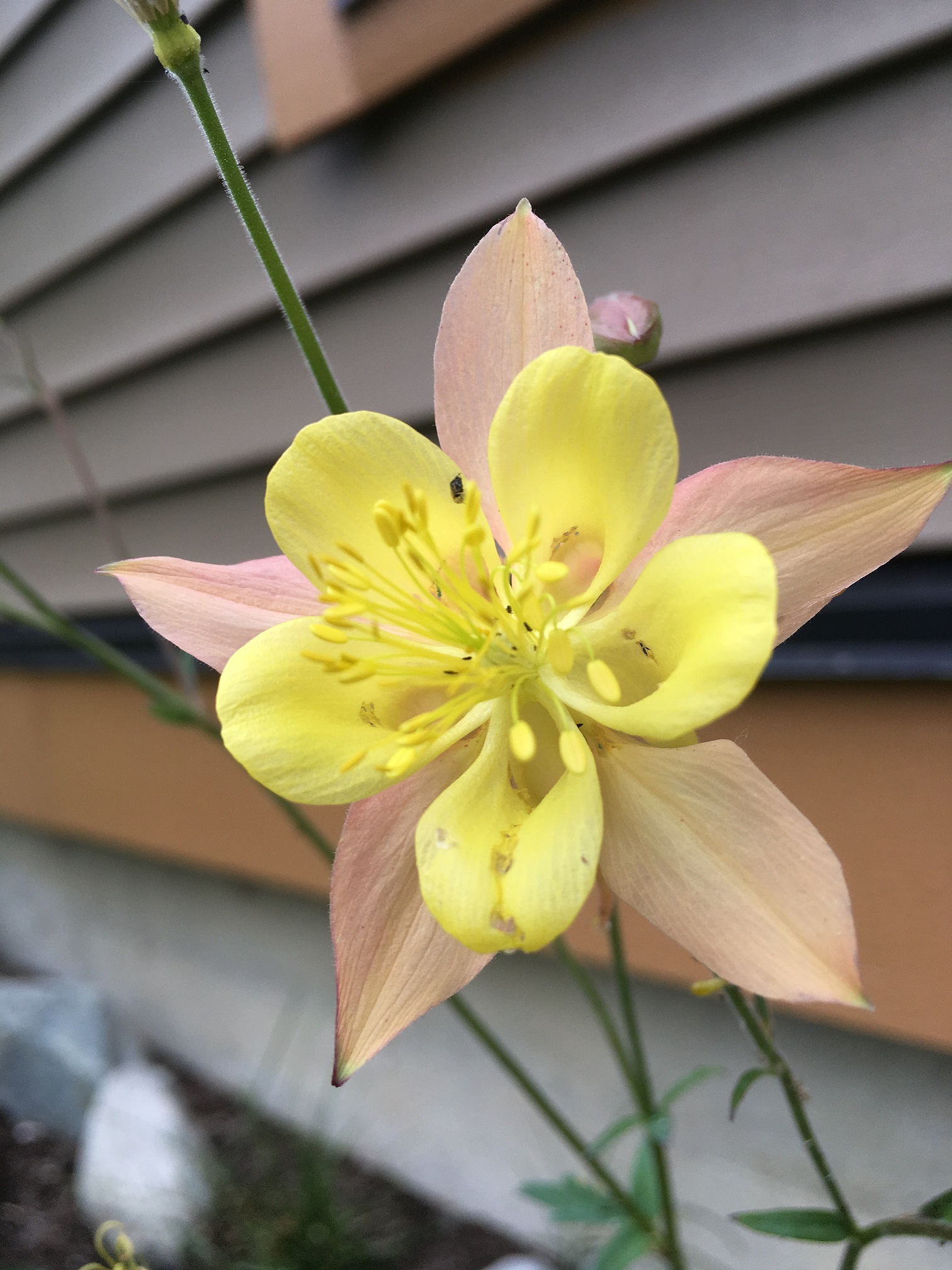
IMG_2123

Columbine


IMG_2146

Oakleaf hydrangea


IMG_2112

Monarda


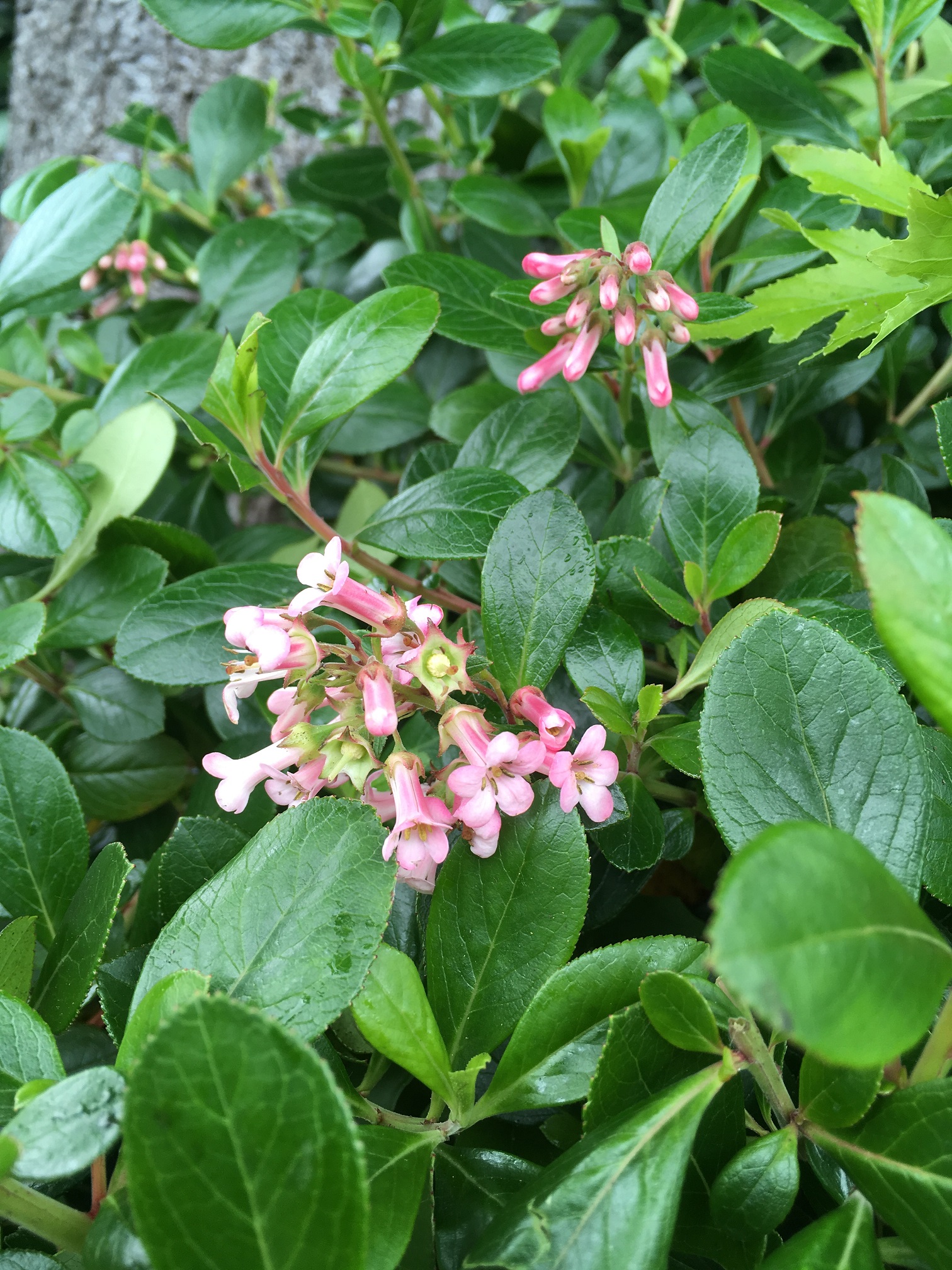
IMG_2092

Escallonia


IMG_2111

Mahonia


IMG_2093

Lilly


IMG_2081

Hypericum St. John’s wort, an awesome groundcover


IMG_1989

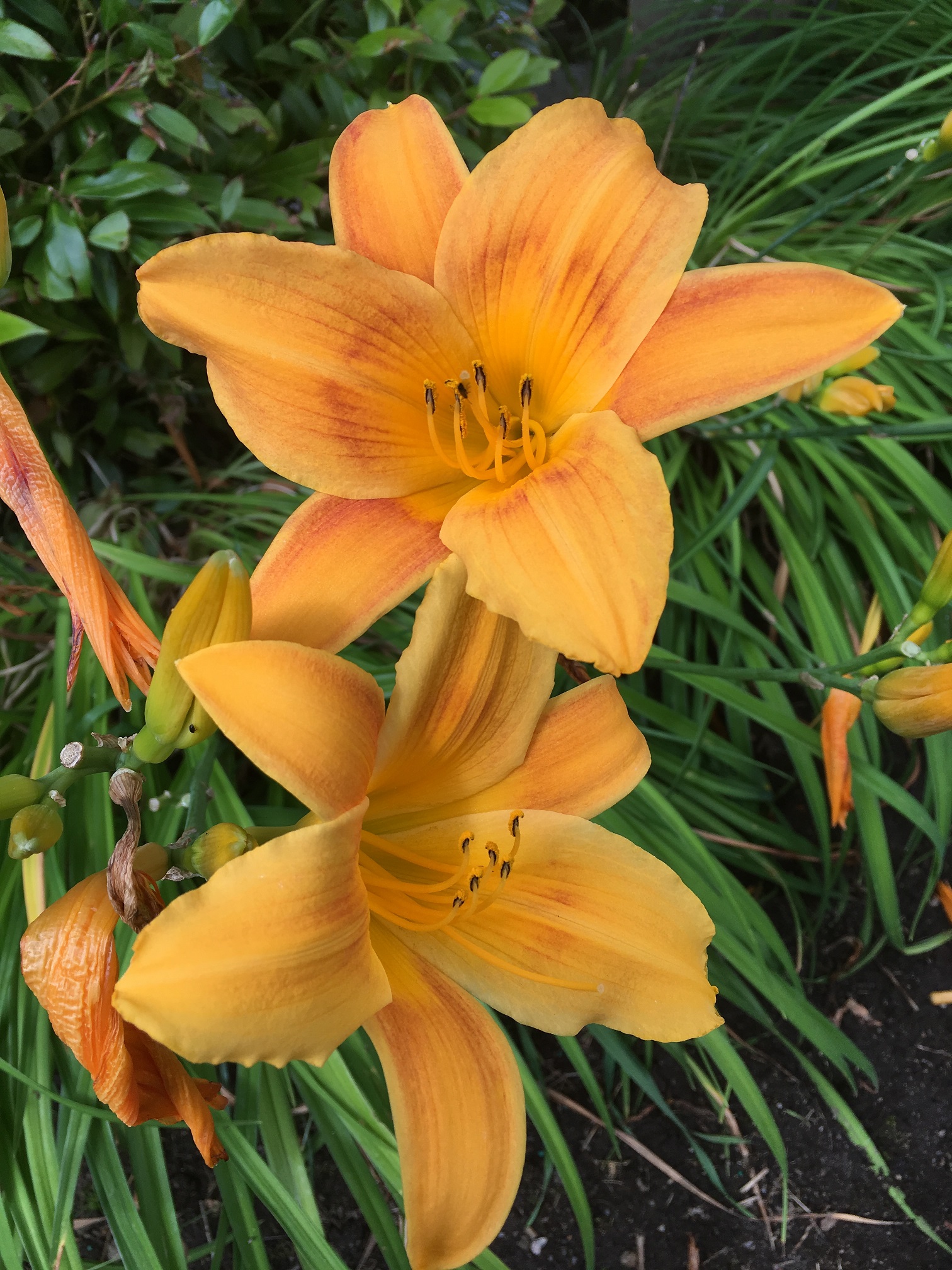
Hemerocallis


IMG_1988

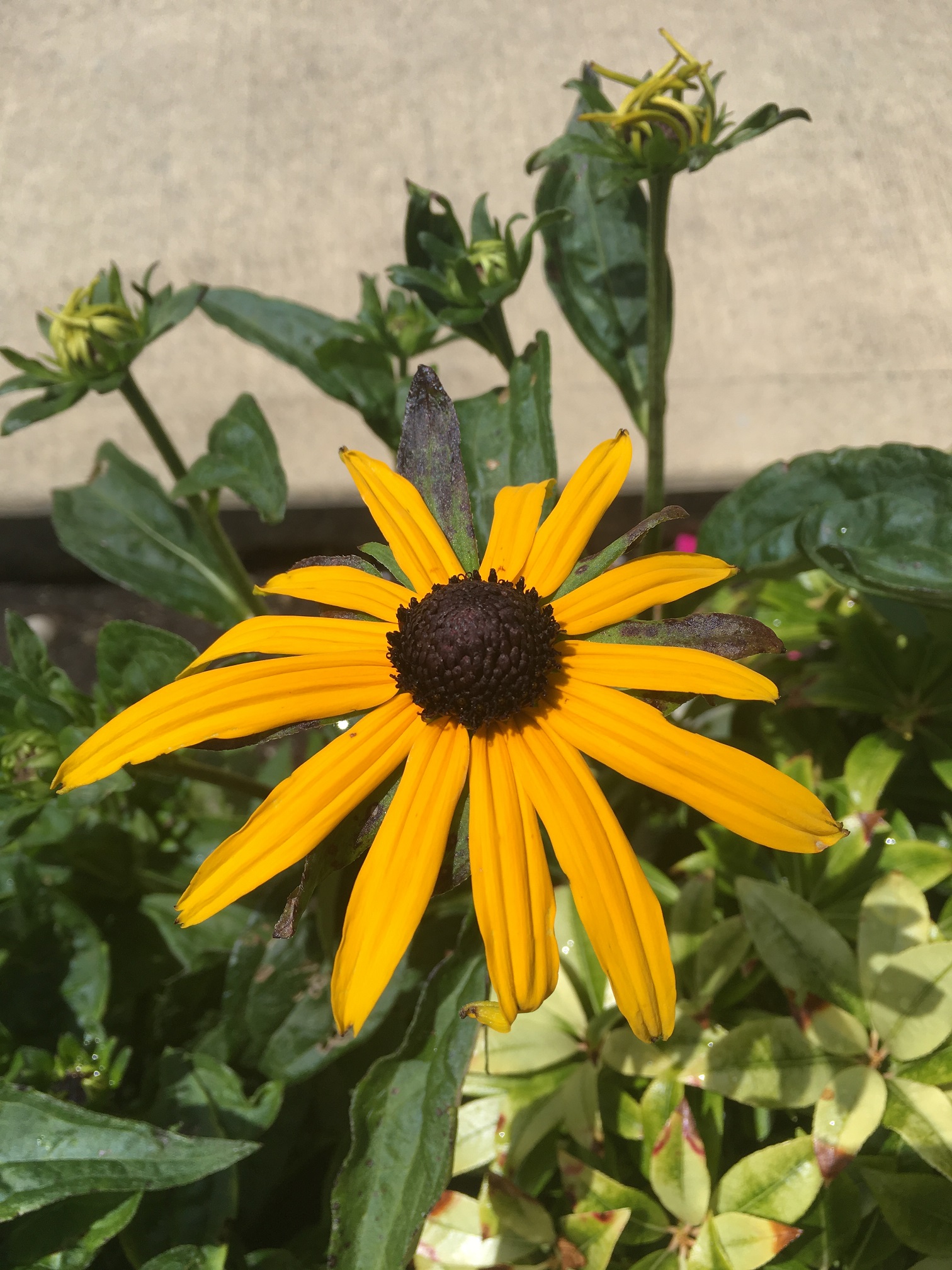
Rudbeckia


IMG_1987

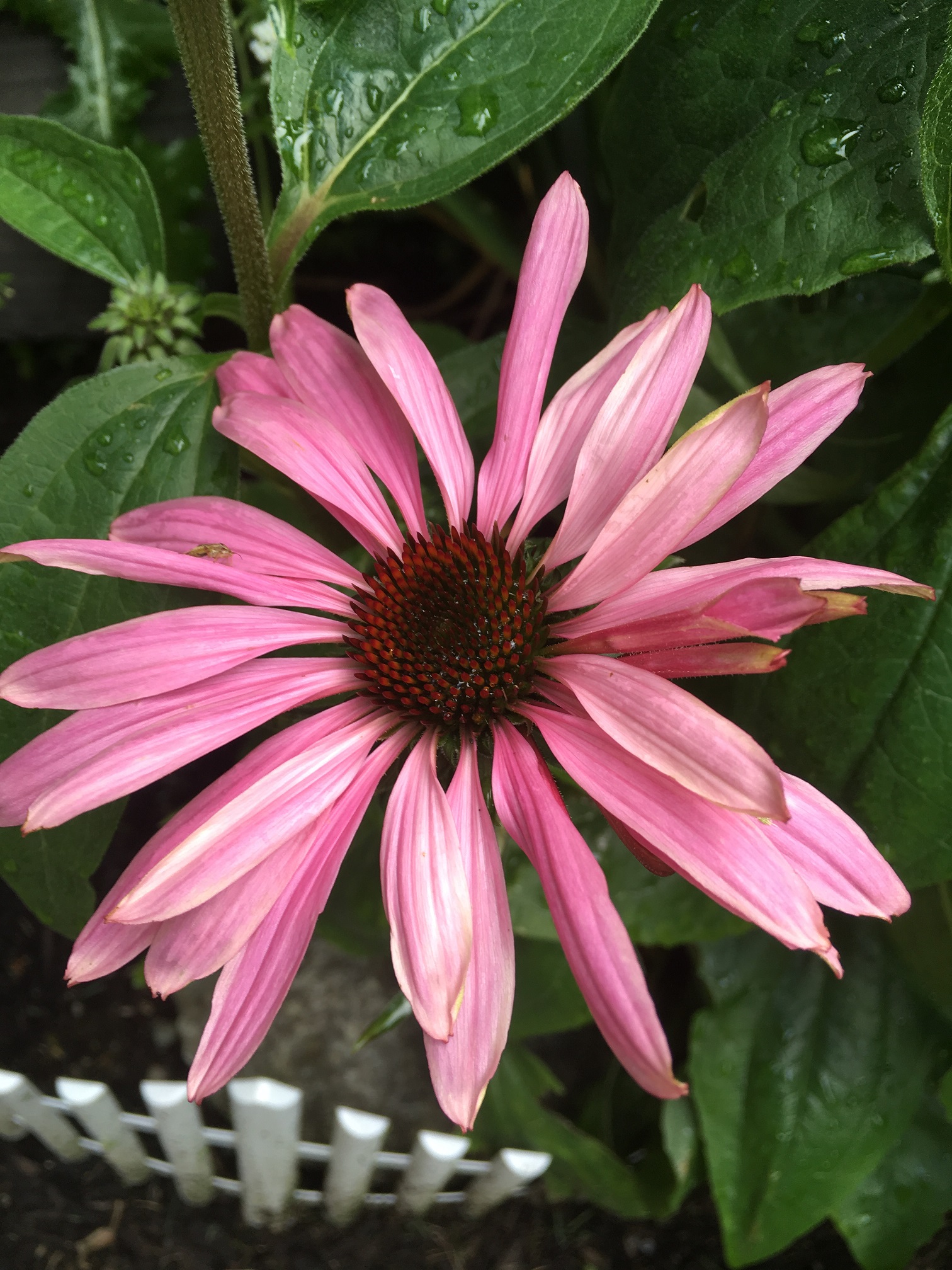
Echinacea


IMG_1979

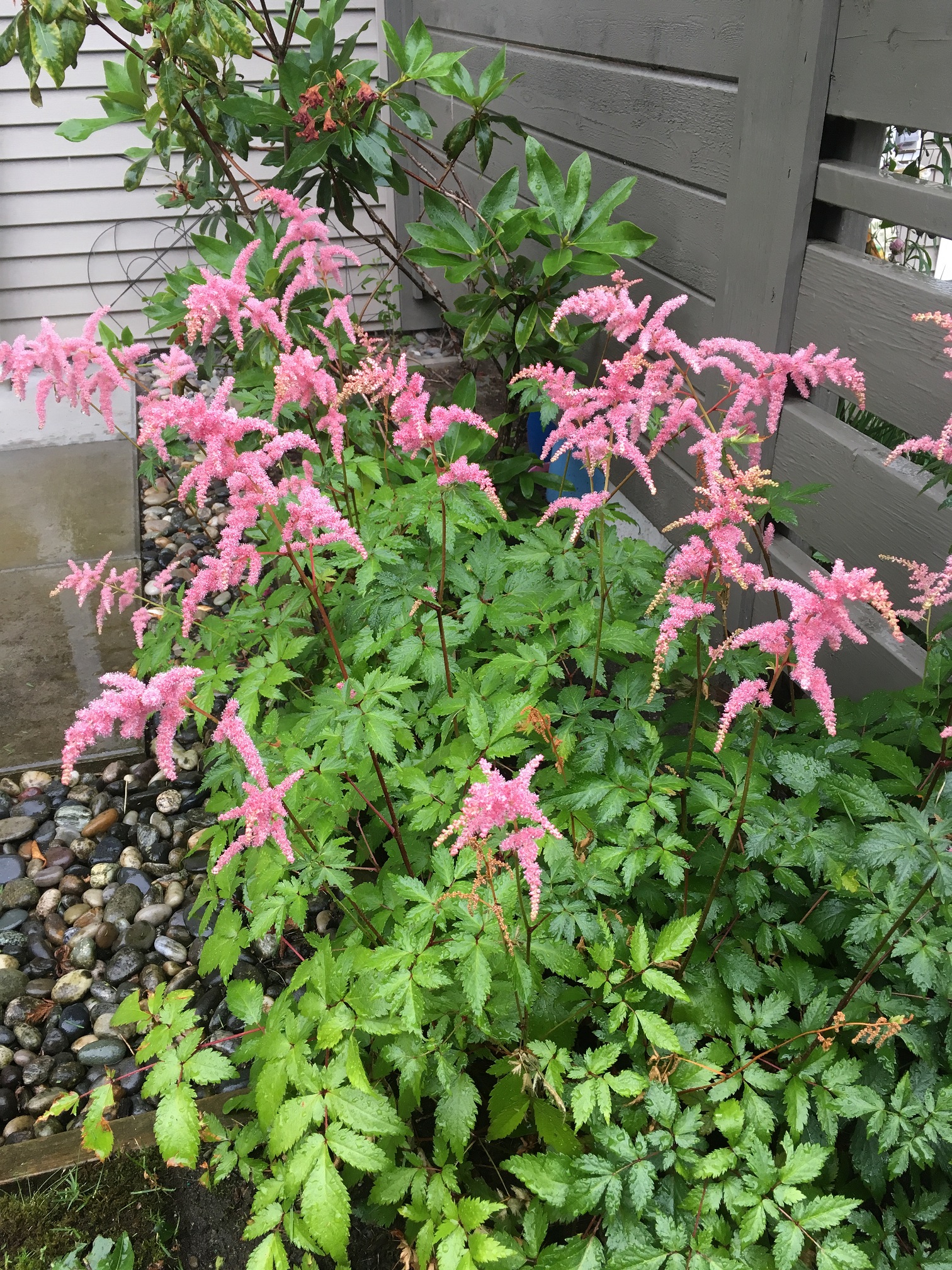
Astilbe


IMG_1581

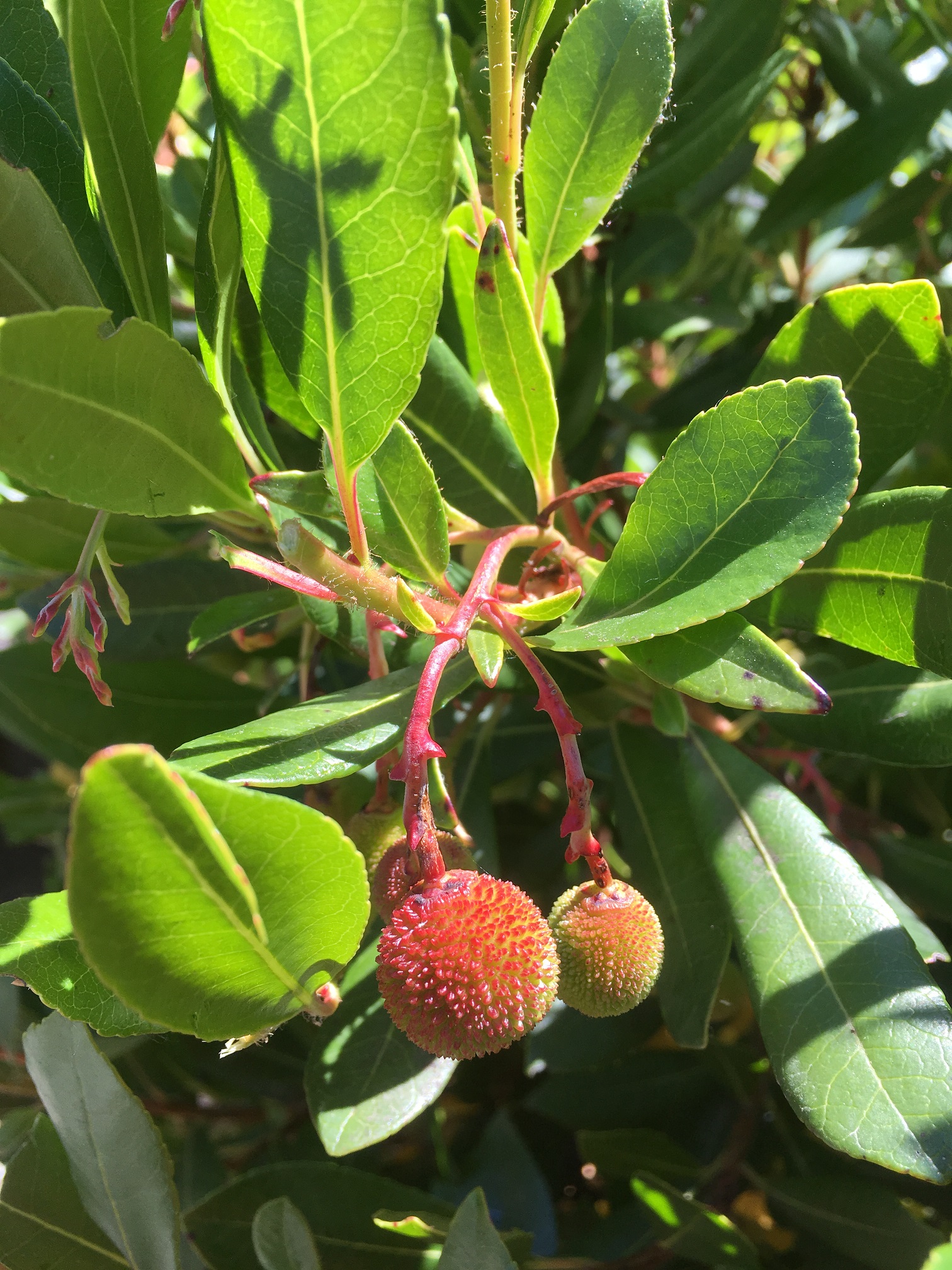
Arbutus unedo


IMG_1529

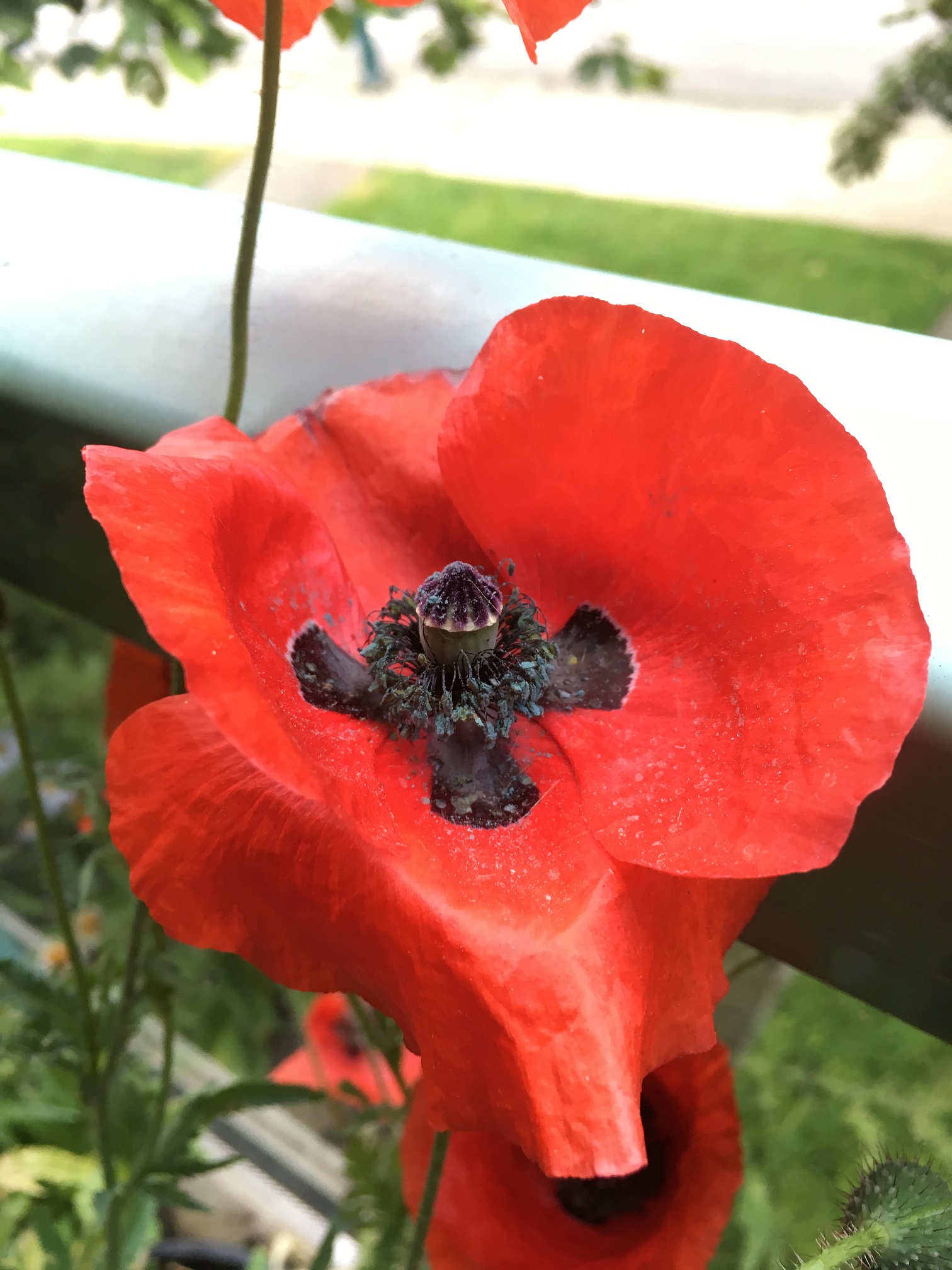
Papaver Poppy


IMG_1530

Shrubby rose


IMG_2119

Coreopsis


What’s growing in your garden?

Enjoy your summer!!