
Preaching about cuts and stubs
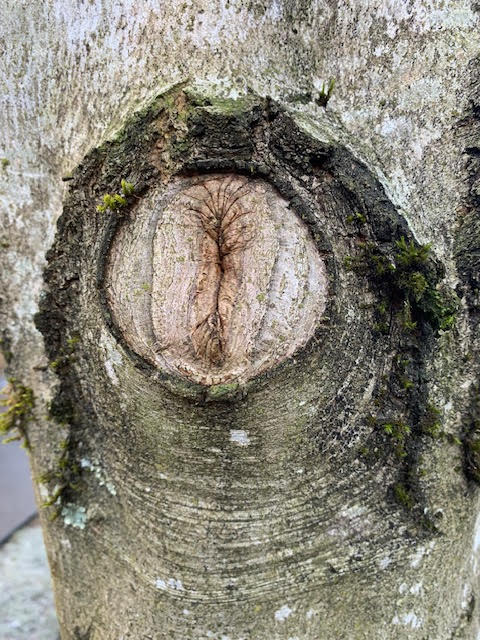
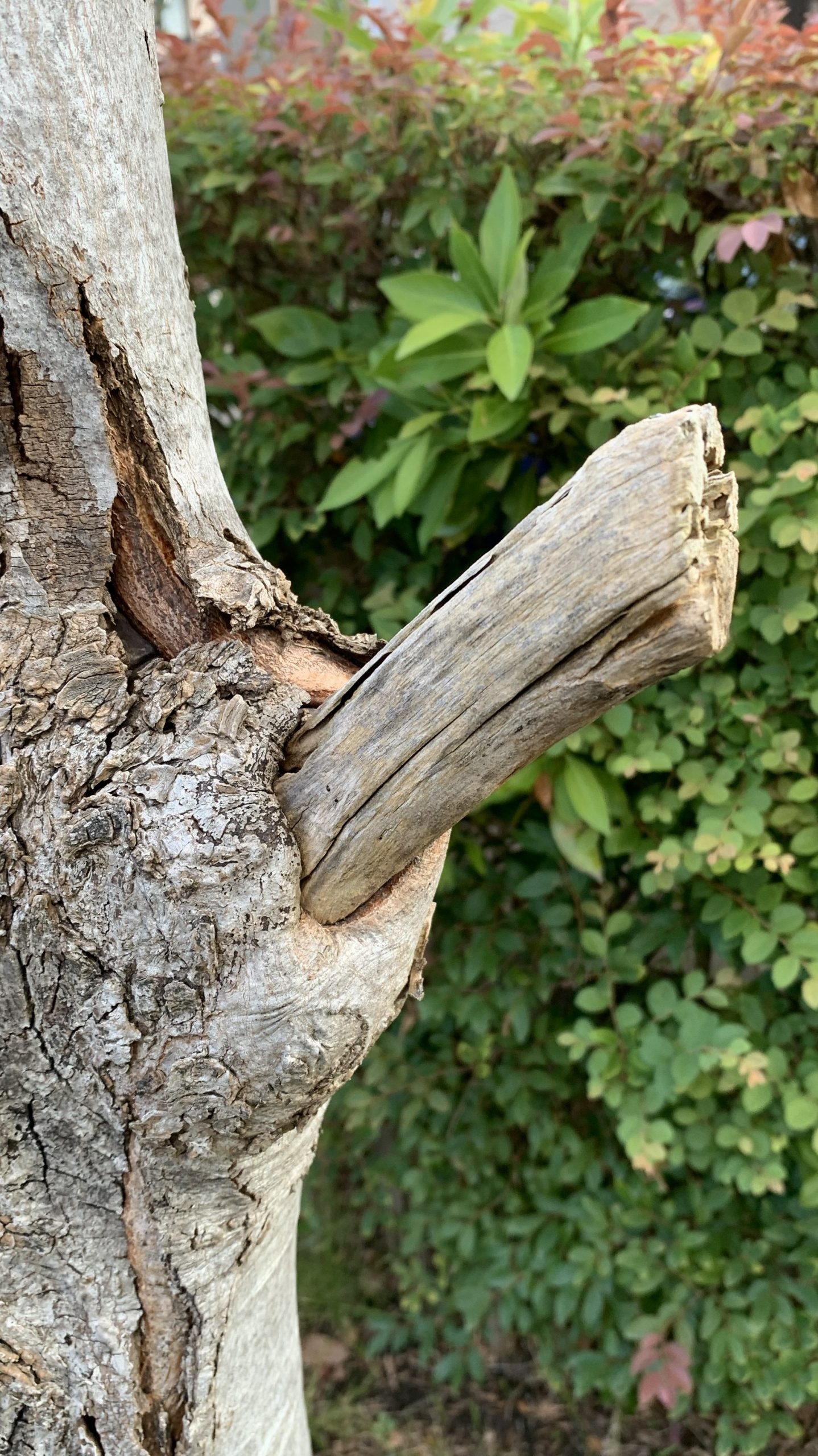
Every season I see bad pruning cuts on trees. Usually, people make a cut and leave a short stub, instead of making a proper cut at the bark branch collar. And what’s wrong with leaving stubs?
Normally, when you make a pruning wound on a tree, it reacts by immediately starting repairs. It takes time, but eventually the wound is covered up and all is good. But when you leave a short stub, the tree can’t cover up the wound. It can’t physically cover up a short stub.
The stub eventually dies and breaks off. But before it does, it can allow bacteria and fungi to enter the tree with catastrophic consequences. Plus, it looks awful when your tree is covered in short stubs.
Now, I’ve covered all of this in previous blog posts, and it may not be news to you. It was my buddy’s text that inspired this blog post.
Slime flux
It’s easy for me to show you tree stubs on trees but what is much harder to show is actual diseases entering a tree. That’s where my buddy comes in with his beautiful text message. He had a red maple on his site with vertical cracks and orange slime showing. He was correctly wondering what it was. Bingo!
This very nicely illustrates the dangers of open tree wounds. It doesn’t take much for fungi or bacteria to move in and this slime flux or bacterial wetwood is one example. That’s how we identified the orange slime that was oozing out of a frost crack. Since we didn’t prune this maple, we can assume it’s a frost crack.
Luckily, my online search revealed that bacterial wetwood isn’t fatal for mature trees; they can fight it off. Younger trees may not be so lucky. But it’s best not to push your luck in the first place.
Make good pruning cuts!