
Category

Landscaping

Annual Cuts

By | Arborist Insights, Education, Landscaping, Seasonal | One Comment

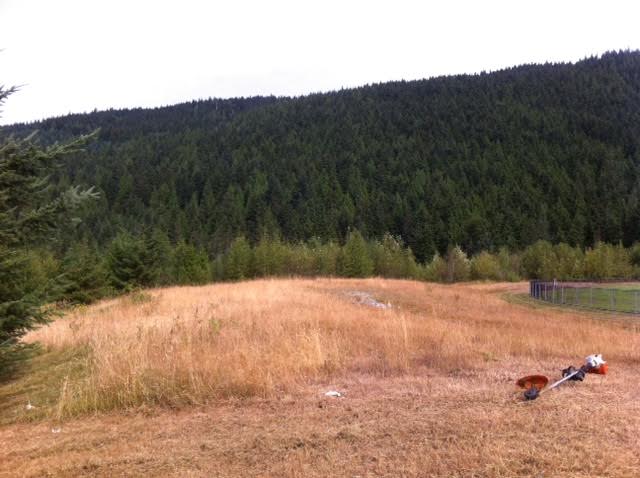
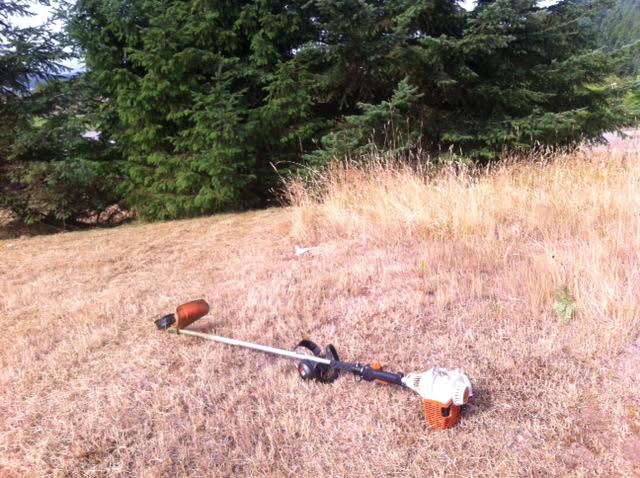
Every year I look for new experiences, both in my personal life and at work. This year I got a chance to work on annual cuts for the first time. This involves line-trimming meadow like fields and buffer zones using heavy-duty line. It can take days, and it will not be done for another year. Large areas are covered by Deere ride-on mowers.

Sometimes it feels like harvest time and the view can be great depending on your exact location. If you are working close to people, stop and let them pass.
unnamed (3)
Annual cut detail shot

unnamed (4)
Not a bad place to spend a day….

unnamed (5)
Stop to let people and pets go by…..

unnamed (6)
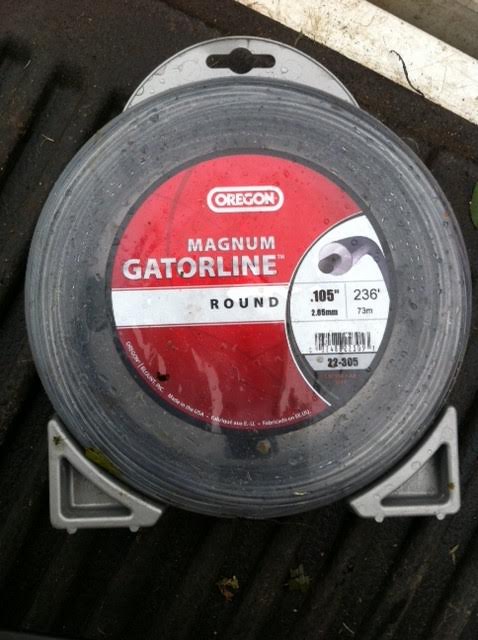
Heavy duty line

​If time permits, harvest ripe blackberries (Rubus discolor) before pushing back the thorny invasive canes. There are other hazards! The tall growth can hide all sorts of objects and small animals. I recommend using a full face shield but they are awkward and expensive. Goggles, ear protection and pants are mandatory. Use a hat, sun screen and bring water.

Best Advice: if you are not using a full face shield, CLOSE YOUR MOUTH! Little voles usually run away from the noise but I did not expect to decapitate two garter snakes in the space of three minutes. And I hate snakes. Harsh previous experience has thought me to look out for improperly discarded doggy bags; the contents defy description after six months of sitting in a meadow. Then there is garbage and rocks which can become nasty projectiles.
It feels great once the work is safely completed.

Follow local gardening guru Steve Whysall and learn!

By | Arborist Insights, Books, Education, Landscaping, Resources, Tips | No Comments

unnamed

Imagine my excitement last year when I discovered that my kids were having play-dates with Steve Whysall’s grandkids! Mr. Whysall has been writing about gardening for the Vancouver Sun since 1994. Look for his column on Fridays, usually on page C3. You are guaranteed to learn new things. I often rip out the section and file it.

Mr. Whysall has also published several books and organizes overseas garden tours. While the tours are attractive they are way over my family budget. I am, however, ready to plug what I consider to be his most useful book.

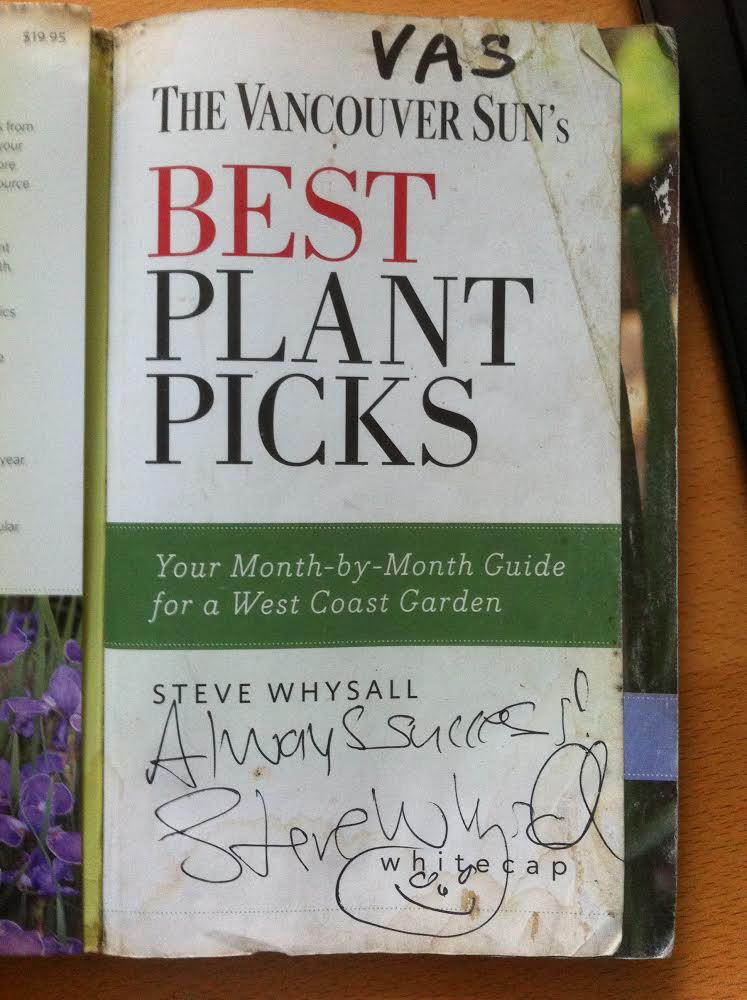
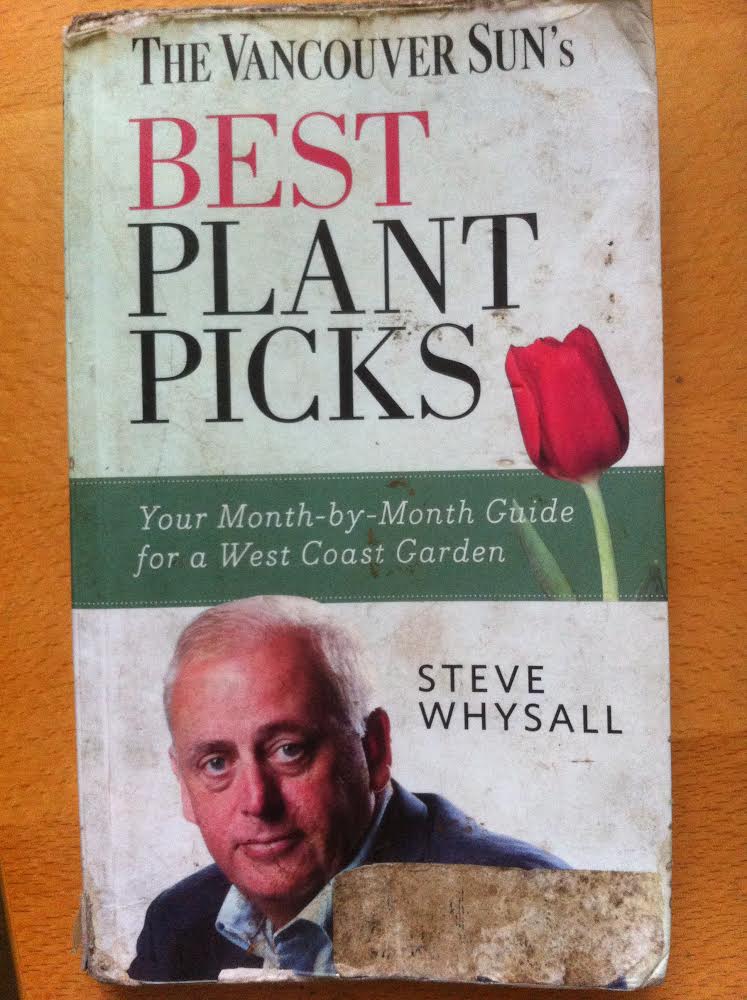
Best plant picks, slightly beat up and autographed, has served me really well. The book is a neat month by month guide for our West Coast gardens. I use it to practice plant identification and to review the list of garden tasks to be performed on a particular month. As the seasons pile up, I can run through the list of plants much quicker. Always learn about new plants and review them.

unnamed (1)  unnamed (2)

For more information visit www.stevewhysall.com. It is my humble opinion that the website could use an upgrade but it is still useful. If your family budget allows, please subscribe to the Vancouver Sun newspaper at www.vancouversun.com.

Nature Pill?

By | Arborist Insights, Landscaping | No Comments

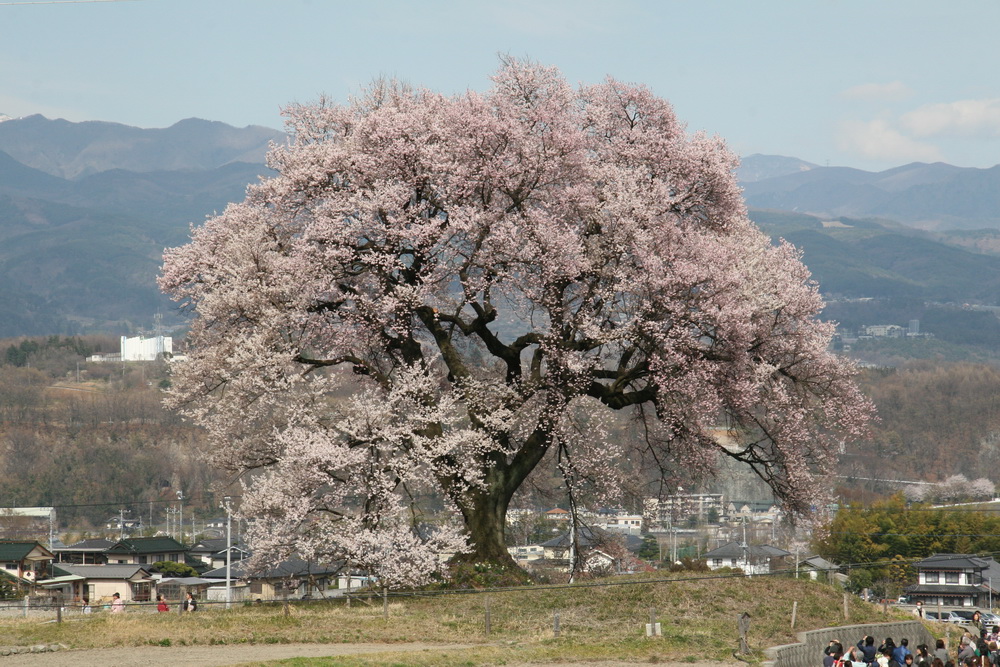
We know conclusively that we can derive health benefits from spending time in nature, or even just by looking at nature. The Japanese have their own research called shinrin-yoku or forest bathing. Read more on this here:http://www.shinrin-yoku.org/shinrin-yoku.html

Now some researchers are working on the big remaining questions: What dose of nature exposure is needed to achieve maximum mental and physical health benefits? (How long and how frequently?) Perhaps one day we will get nature pills. Read more here: http://dirt.asla.org/2015/06/03/what-dose-of-nature-do-we-need-to-feel-better/

This all means that having beautiful, healthy landscaping around your house or business can be good for your health!

Japan2015 169 Japan2015 877 Japan2015 1101

Hunting for japonicas in Western Japan

By | Arborist Insights, Education, Landscaping, Resources | No Comments

I always wanted to do this: travel to Japan, explore on a bike and catalogue as many japonica/japonicum plants as possible. The list below is from my visit this past May to Niigata City, Niigata prefecture, Japan. It’s situated on the Japan Sea in what is known as the snow country.

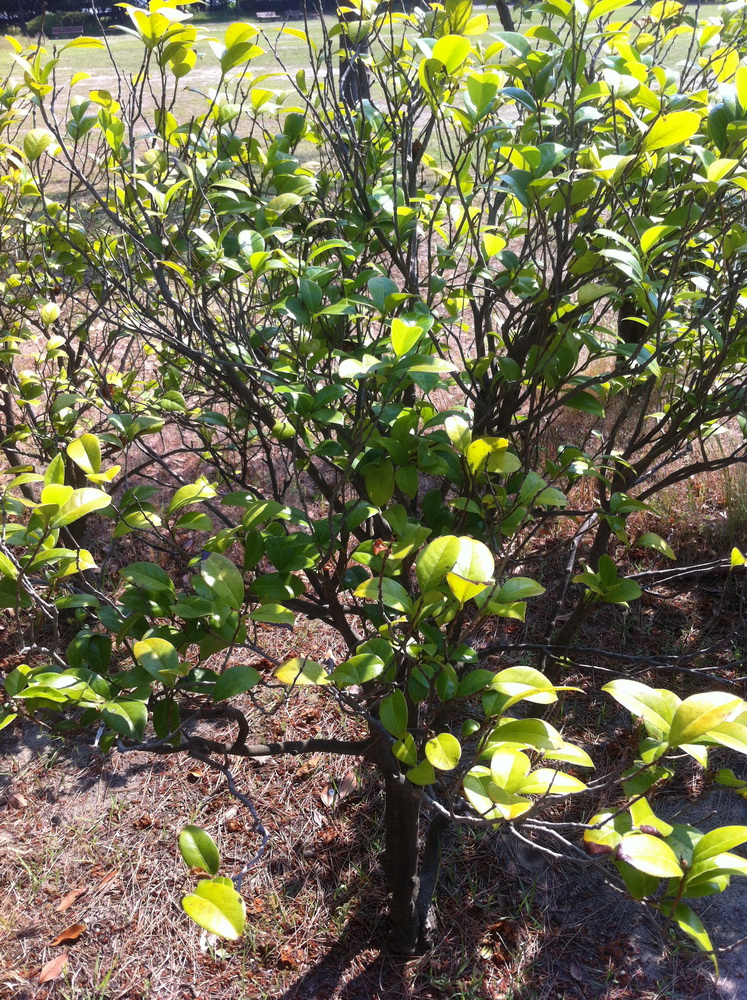
Cammelia Japonica
Camellia japonica

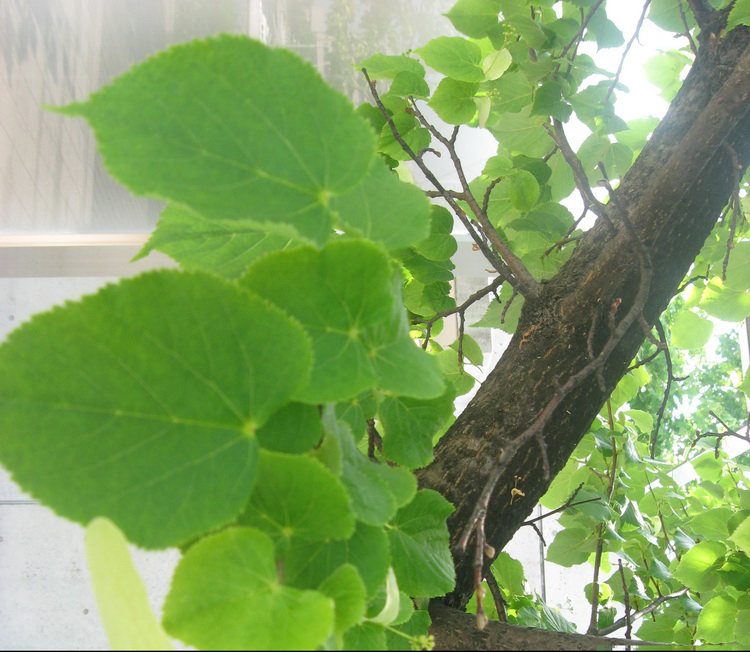
Tilia-japonica
Tilia japonica

Aucuba japonica
Aucuba japonica

Please run through the list and see how many you know. BC residents should get a high score.

  1. Spirea japonica
  2. Fatsia japonica
  3. Styrax japonica
  4. Aucuba japonica
  5. Pieris japonica
  6. Camellia japonica
  7. Callicarpa japonica
  8. Cercidiphyllum japonicum
  9. Hamamelis japonica
  10. Tilia japonica
  11. Alnus japonica
  12. Gleditsia japonica
  13. Carpinus japonica
  14. Hypericum japonicum
  15. Ligustrum japonicum
  16. Eurya japonica

Can-West Horticulture Expo 2015

By | Company News, Education, Events, Landscaping | No Comments

unnamed

This show is a must-see for all local green professionals. Walking through the trade show is always interesting. Sometimes there are plant identification quizzes and when you feel like taking a break, head for the beer garden.

There are always plenty of interesting seminars and most are good for education credits, if you are ISA and Landscape Industry Certified. If you are not certified, why not?

My favorite is the all-day Urban Forestry Symposium. The speakers are tree experts with Ph.D.s and the fee includes lunch. So not only do you get to learn new things about trees, you also get a chance to network and meet new green professionals. Priceless.

Most landscape companies have free or discounted tickets. Ask your employer to cover your time so you can attend some courses. I feel it’s time well-spent.

See you there!

  • New Location
  • Expanded Show
  • Stellar Education Program

Registration is now open!
www.CanWestHortExpo.com

Adding Summer Colour

By | Arborist Insights, Landscaping, Resources, Seasonal, Tips | No Comments

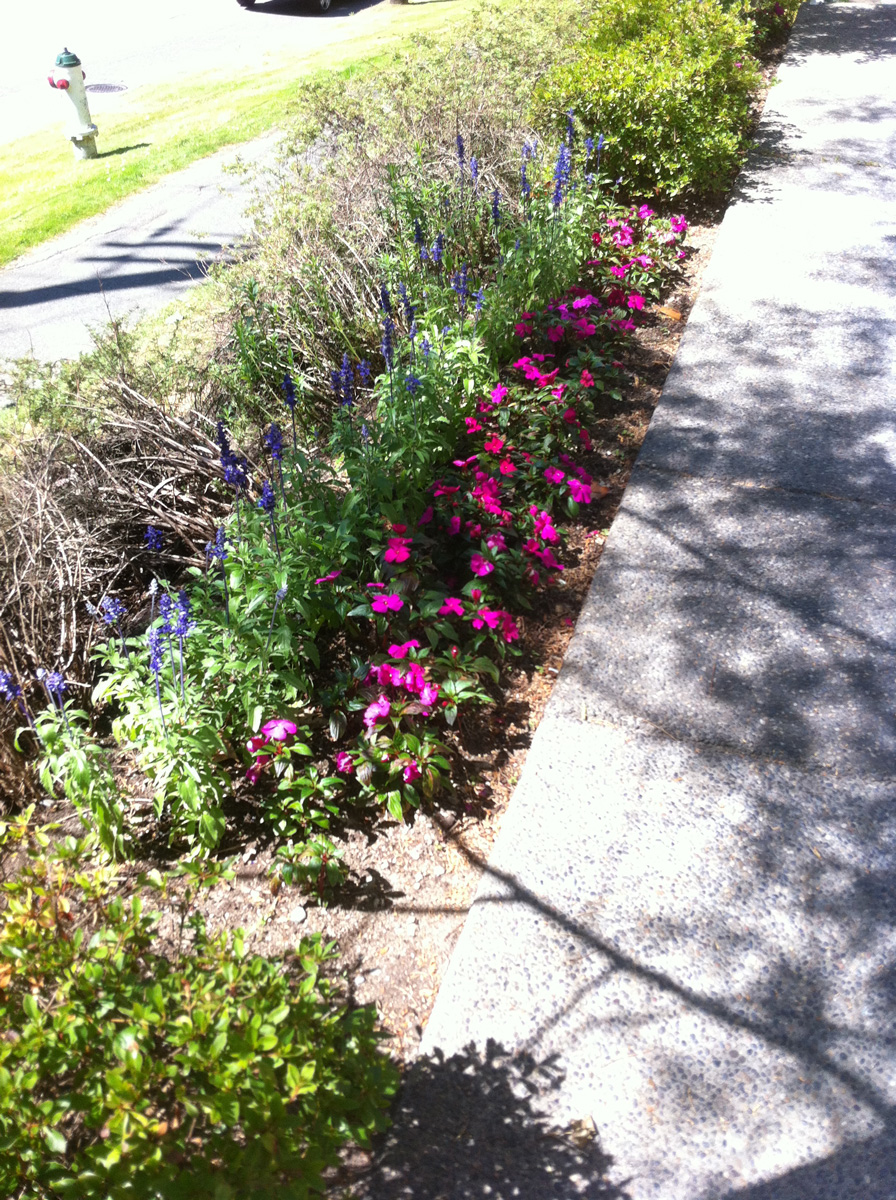
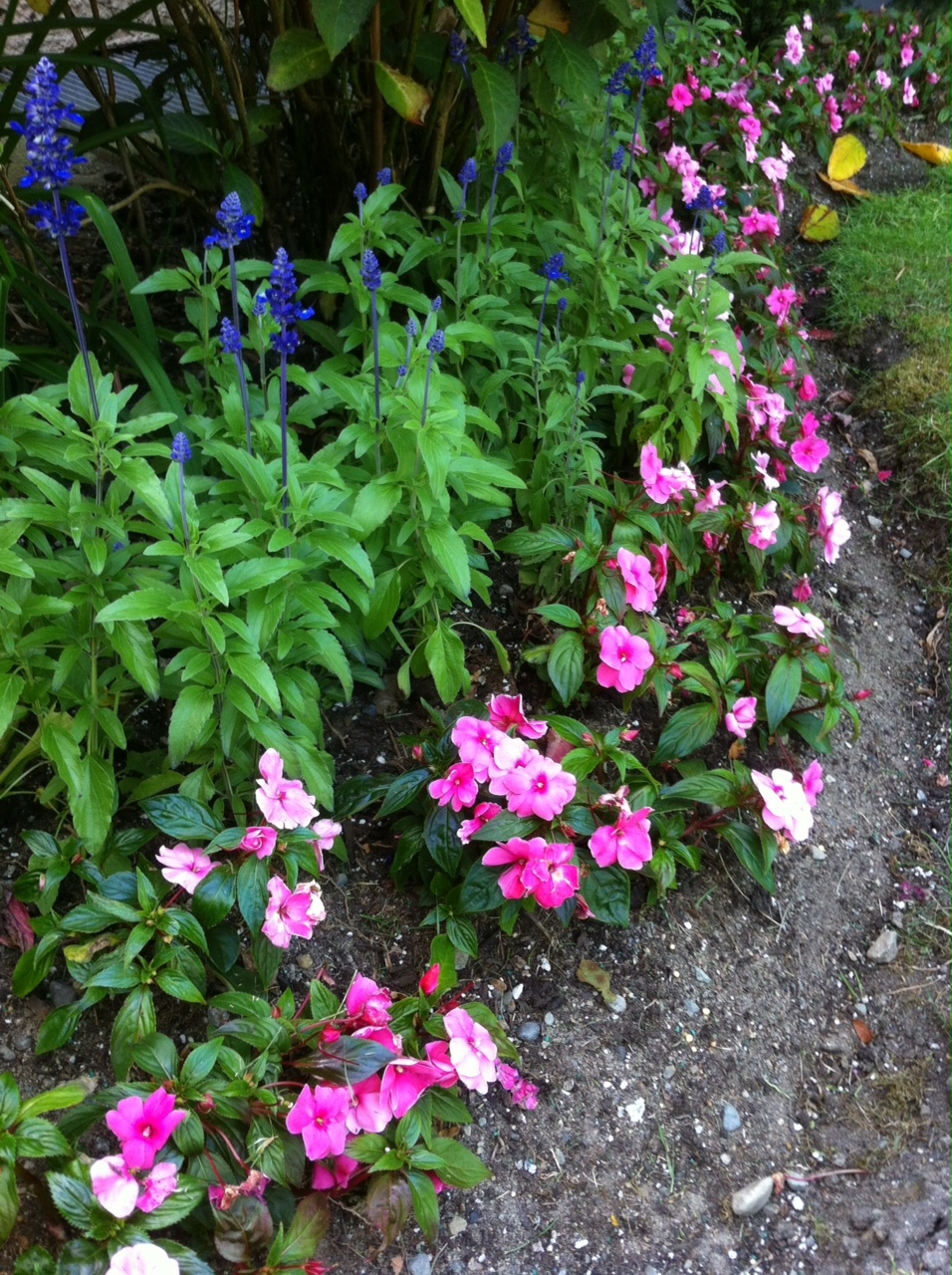
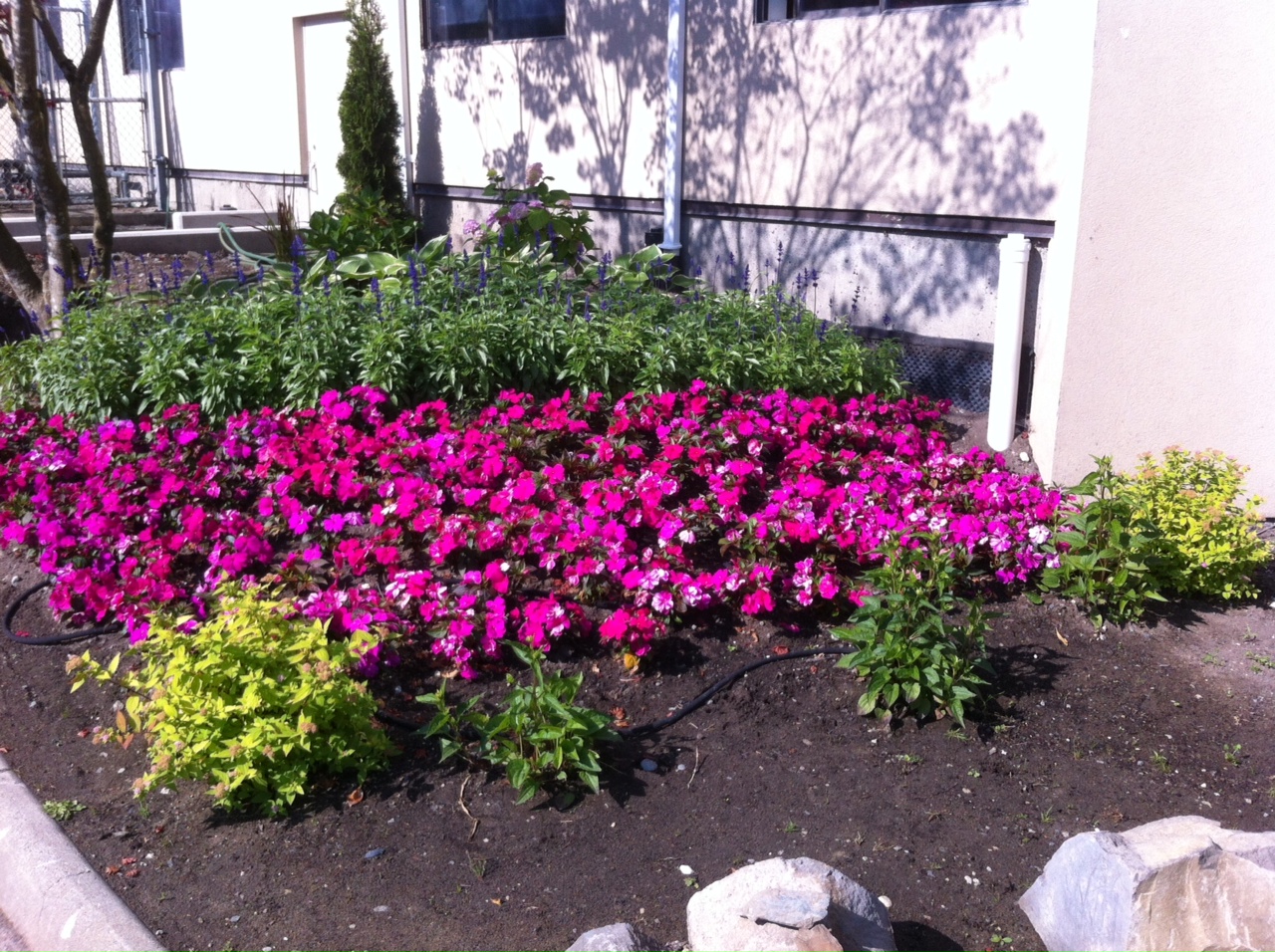
Adding summer color to your garden can be quite easy. Look what happens when you use a simple two plant combination. Blue Salvias work great with Impatients. You can pick your favorite colors and have some fun arranging them. The taller Salvias go in the back. Make sure everything is well-watered. Next season change things up with a different combination or add other plants.

2015summer-056 photo 1 photo 2 (1)

Pyracantha (Firethorn)

By | Arborist Insights, Education, Landscaping, Security | No Comments

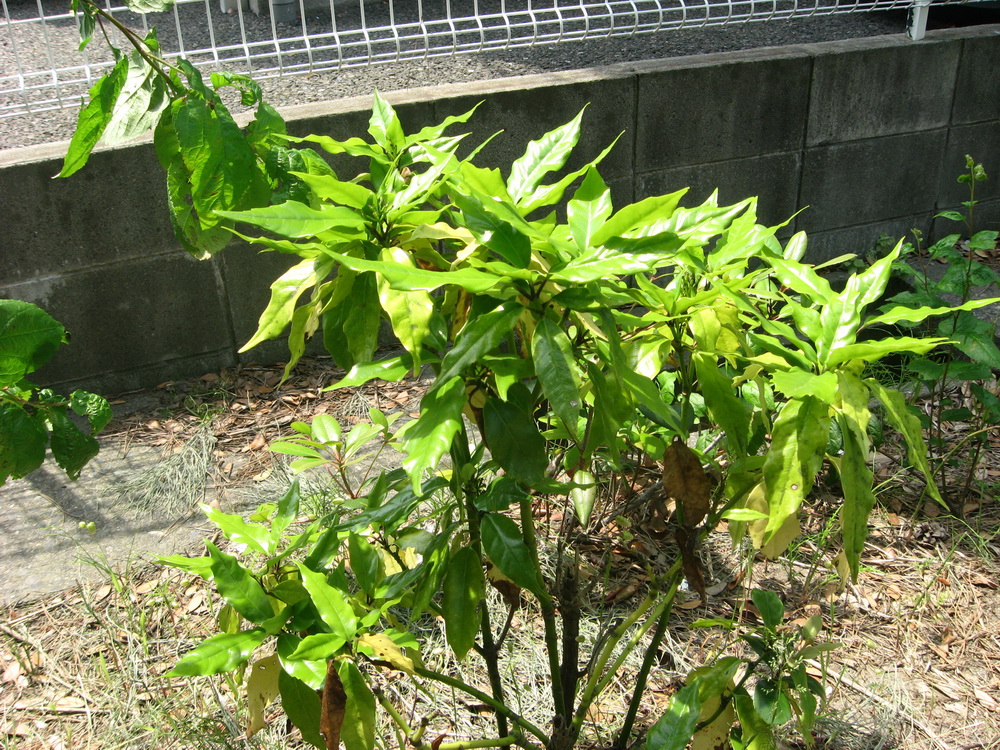
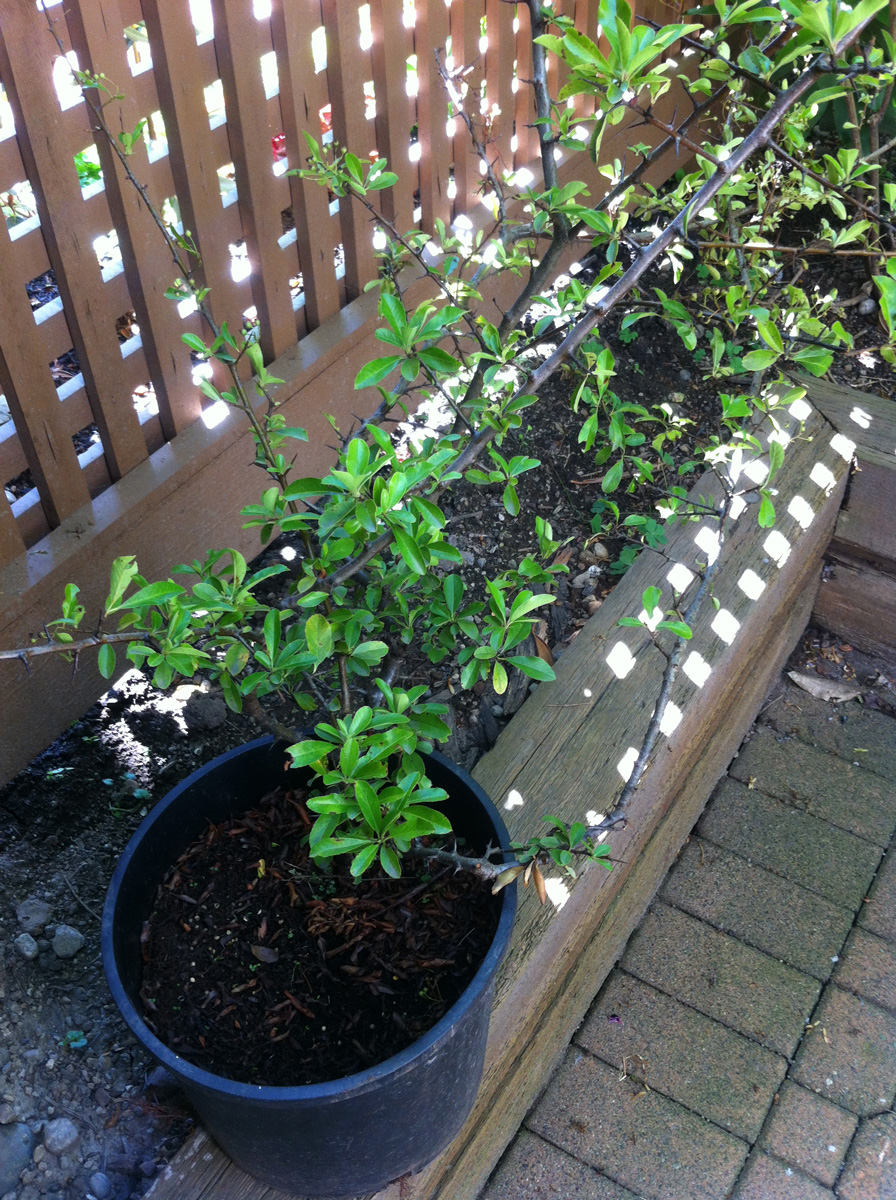
2015summer-052Recently  I was asked to plant thirty nine Pyracanthas in New Westminster so it’s a good time to examine this evergreen shrub belonging to the Rosaceae family.

It’s related to Cotoneaster but its leaves have serrated margins and it has thorns.

White flowers come out in early summer and later berries. Pyracantha is a good alternative to artificial walls and fences. It’s also good for wildlife because birds can nest in it, the summer flowers are good for bees and the berries provide food.

Pyracantha is easy to grow and requires little maintenance. Pruning for shape can be done three times a year.

Here is the key feature: the dense thorny structure makes Pyracantha valued in situations where an impenetrable barrier is required. This is why I found myself in New Westminster with thirty nine prickly specimens. The planting happened along the outer parkade walls because of several recent break-ins. Watch out bad people!

Something new from Western Japan

By | Arborist Insights, Education, Landscaping, Resources | No Comments

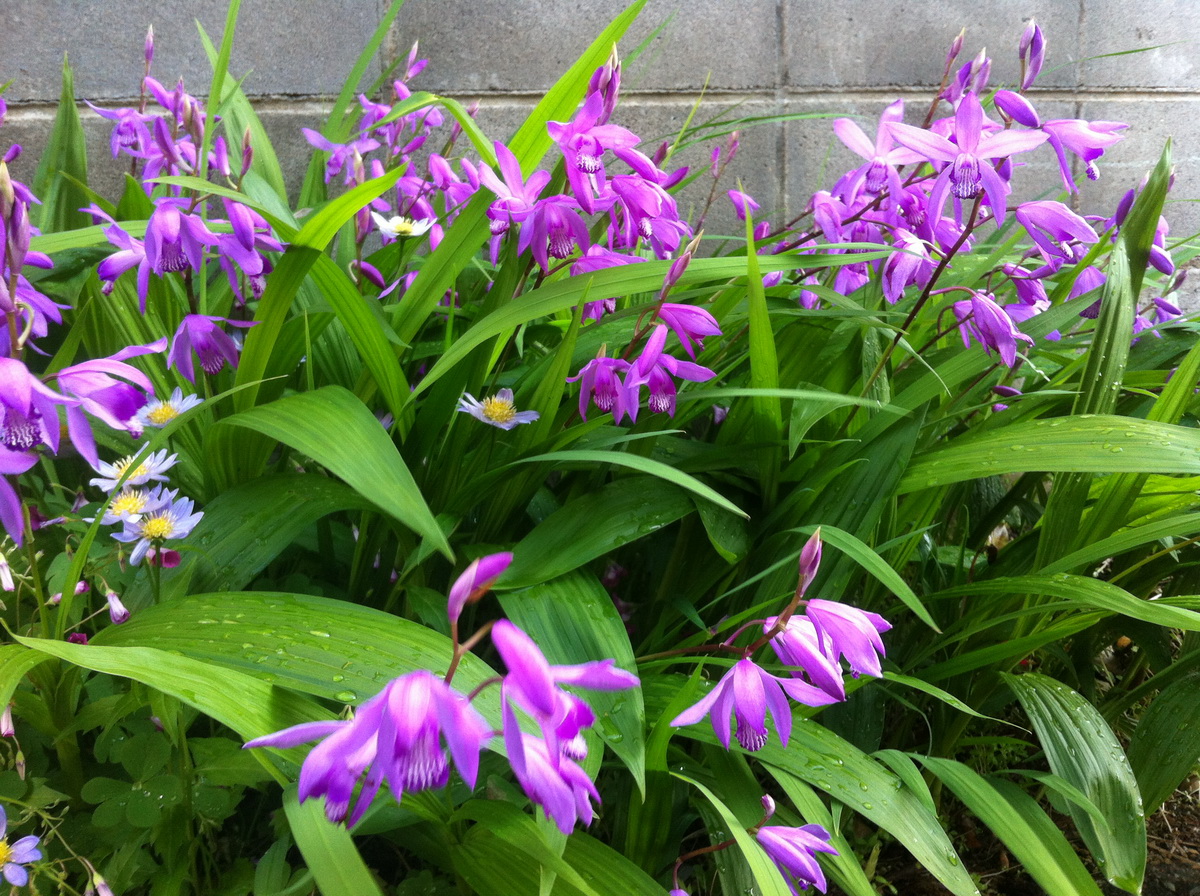
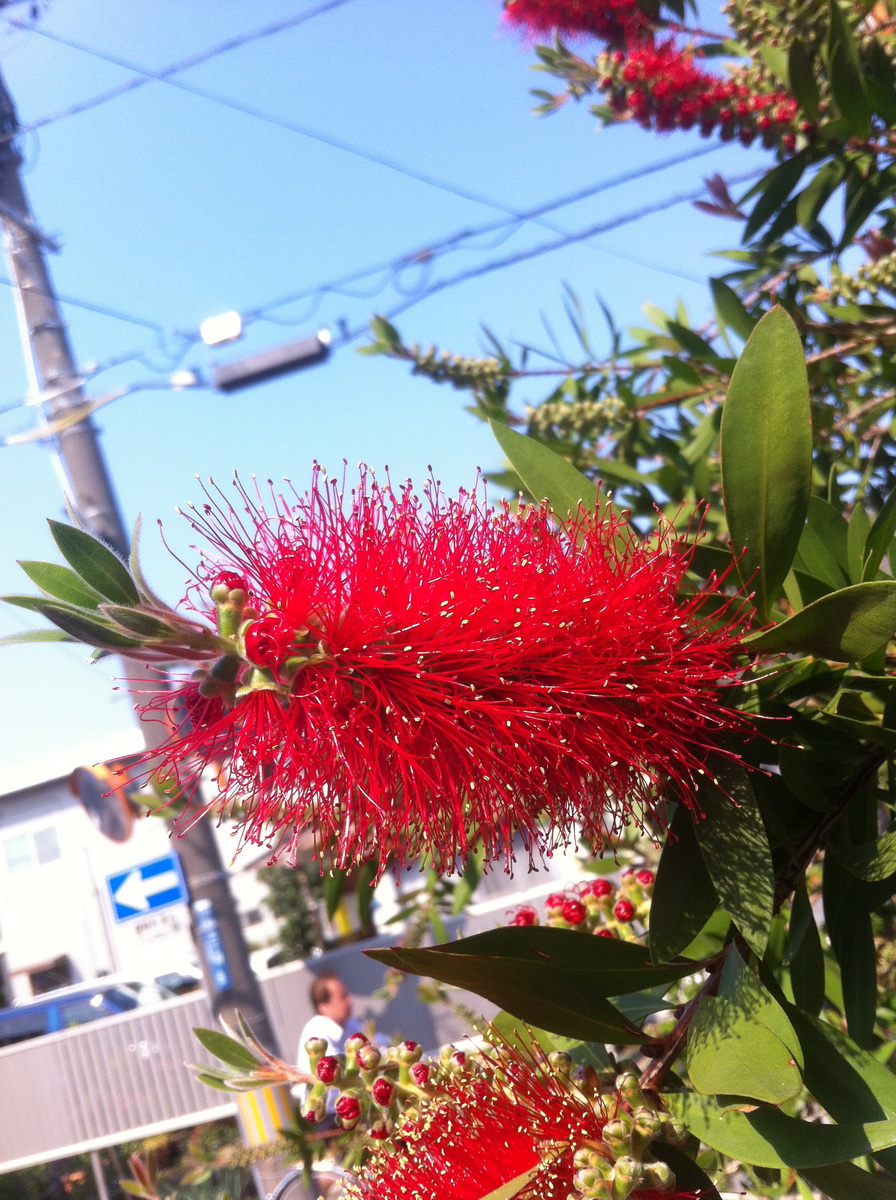
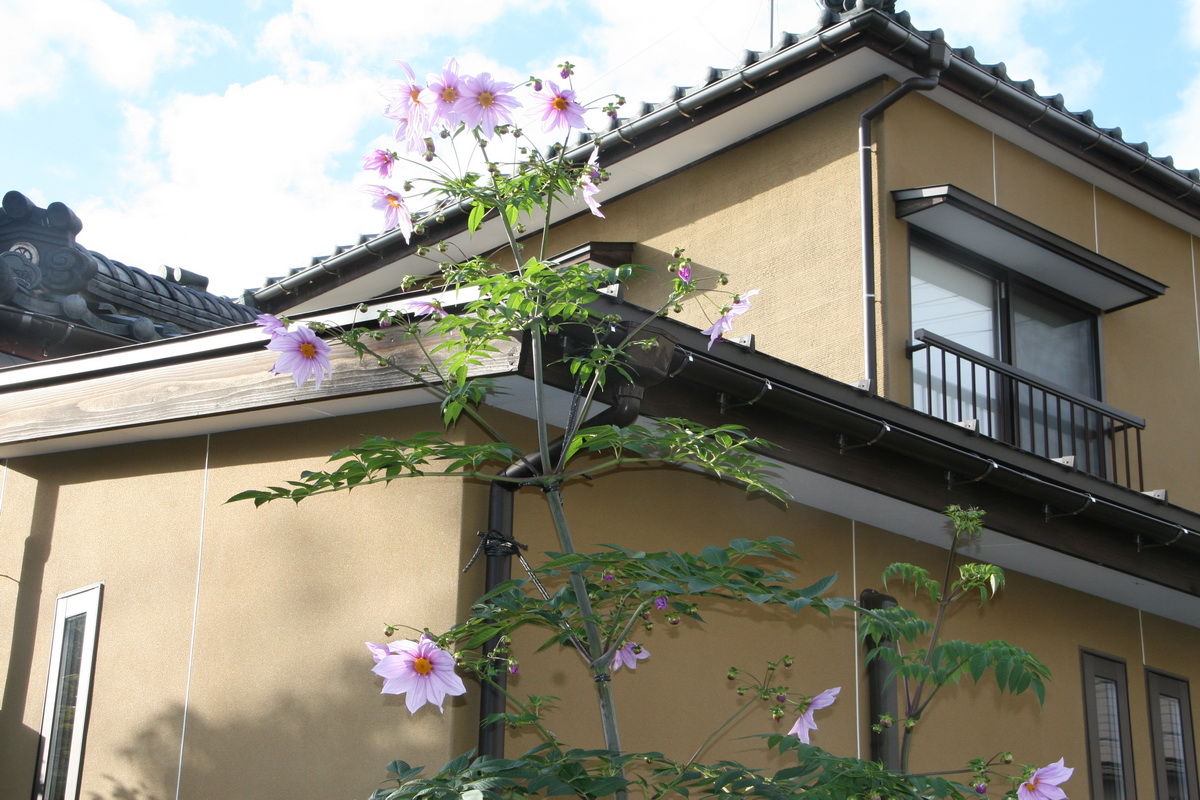
On my recent visit to Western Japan I ran into three interesting plants, showing that plant identification work can be done even while travelling.
What plants have YOU discovered?

IMG_7267

Bletilla striata (urn orchid)

This plant is very popular in Niigata city.

IMG_7328 IMG_7386

Callistemon speciosus

This is a shrub in the Myrtaceae family, endemic to Australia. It flowers in spring or early summer. The flowers look like bottlebrushes;
the obvious parts of the flower are stamens with pollen at the tip of the filaments.

Japan2015 1045 Japan2015 1050

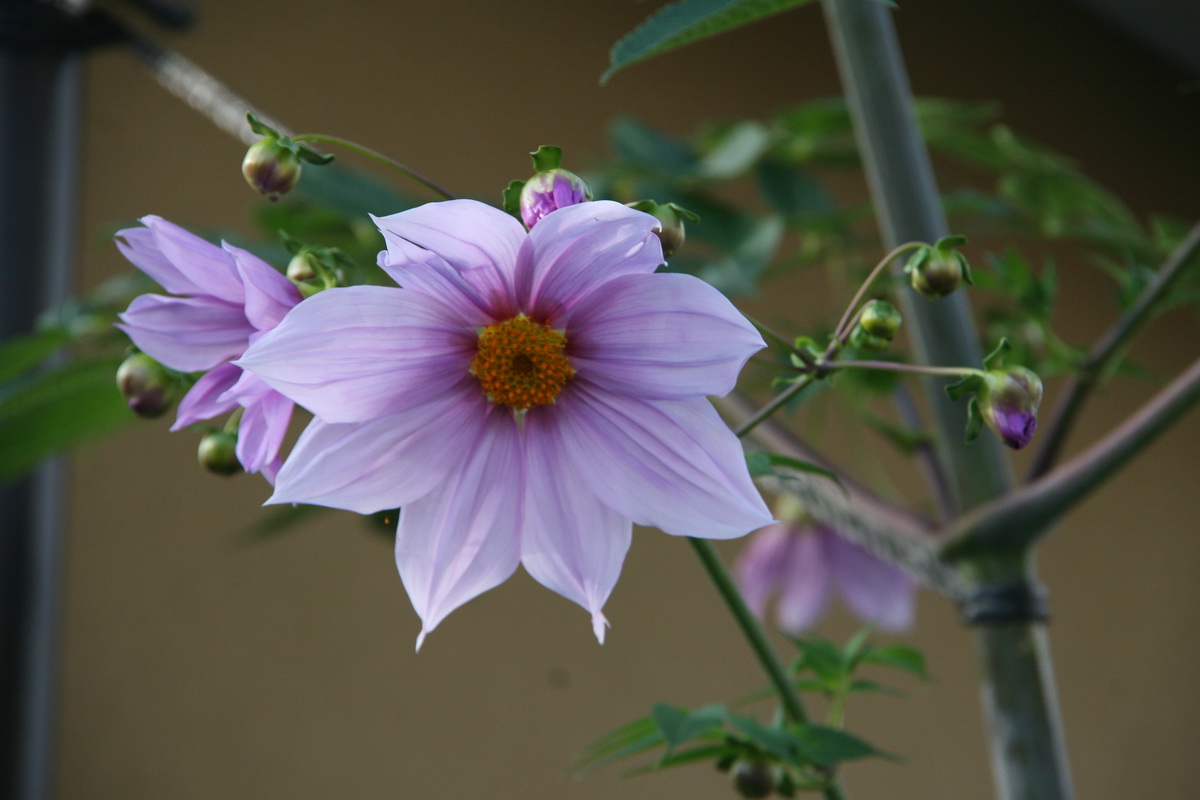
Dahlia imperialis

8-10m tall, tuberous, herbaceous perennial; rapidly growing from the base after a dormant winter period, developing brittle, cane-like, four-angled stems with swollen nodes and large tri-pinnate leaves, those near the ground soon being shed
Flowers in autumn before the first frost.

Your Safety Equipment

By | Arborist Insights, Company News, Landscaping, Resources, Seasonal, Tips | One Comment

Safety has to be taken seriously. Employers have to comply with WCB regulations that aim to protect the health and well-being of all employees. Are the contractors you hire thinking about safety?

saftey

A) safety goggles
B) gloves
C) high visibility vest
D) water and stain resistant work pants with extra pockets
E) STIHL Landscape Pro steel-toe, lawngrips

And do NOT forget hearing protection when working with or around machines. Some companies pay for annual hearing tests.

Stay safe!

Garden Giant Gunnera

By | Arborist Insights, Company News, Landscaping, Resources, Seasonal, Strata Maintenance, Tips | No Comments

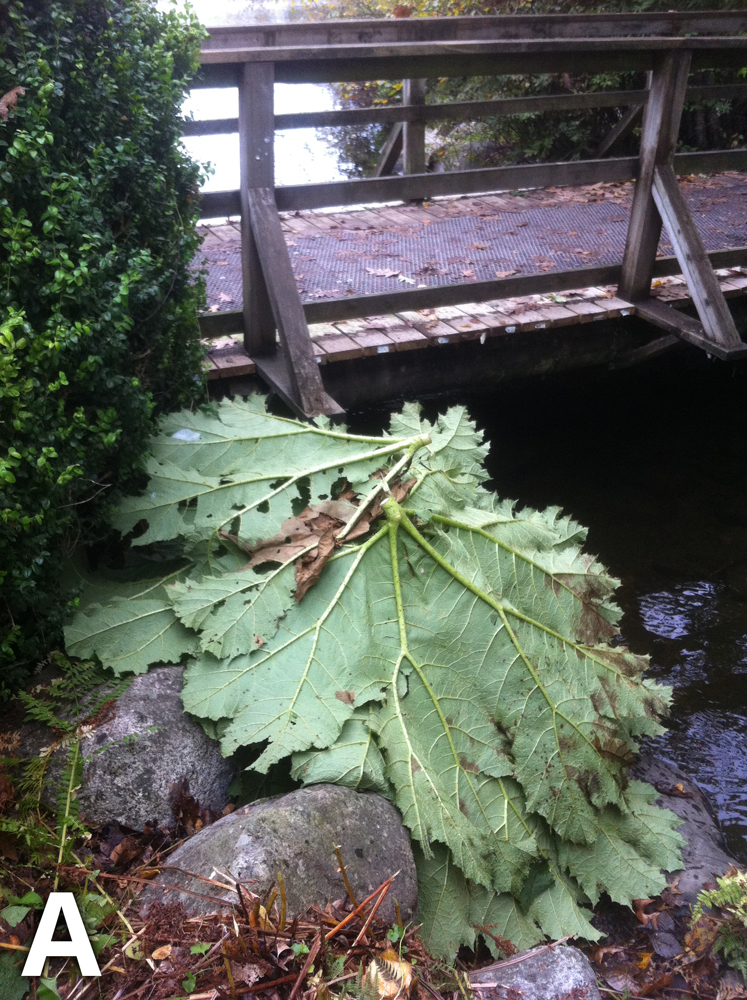
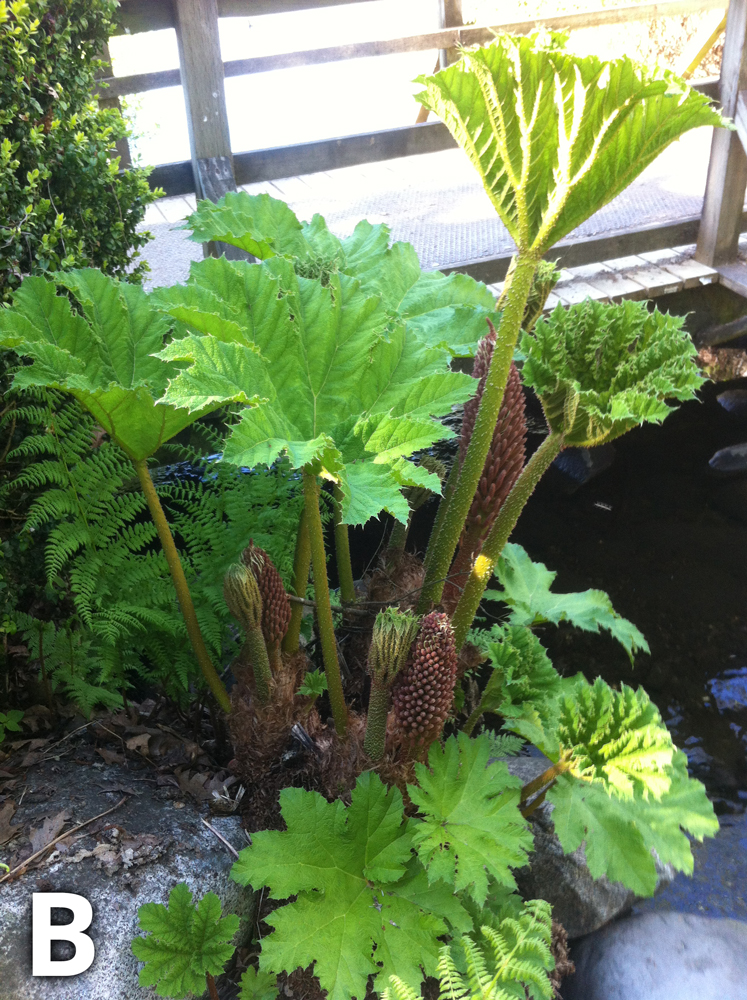
Gunnera manicata is one of the biggest and most spectacular herbaceous plants. It requires a lot of space and is best used as specimen plant in damp bog gardens or beside ponds.

The fat growth buds clustered in the crown are prone to frost damage so cut back the leaves in the fall and pile them over the buds for winter protection.

A B

Picture A is from fall 2014; picture B is from spring 2015.