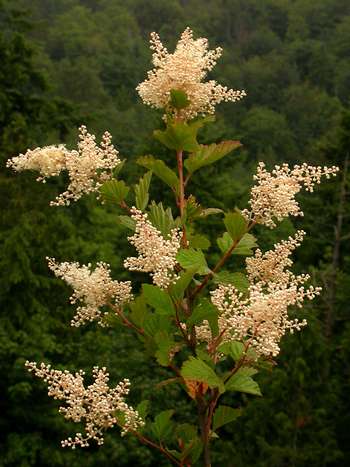
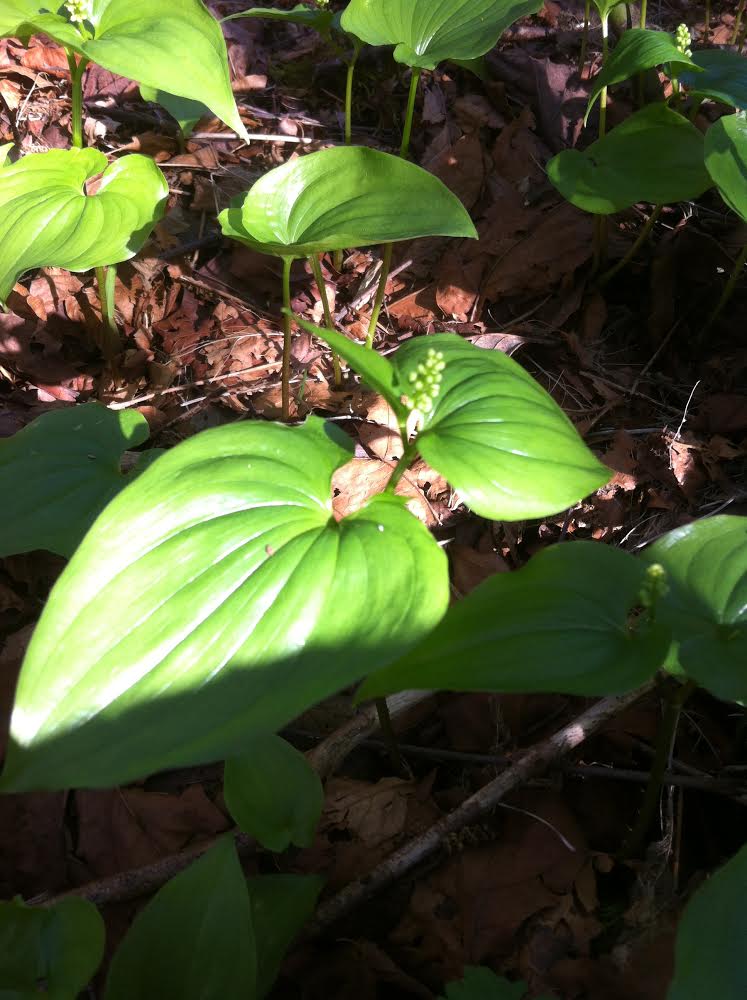
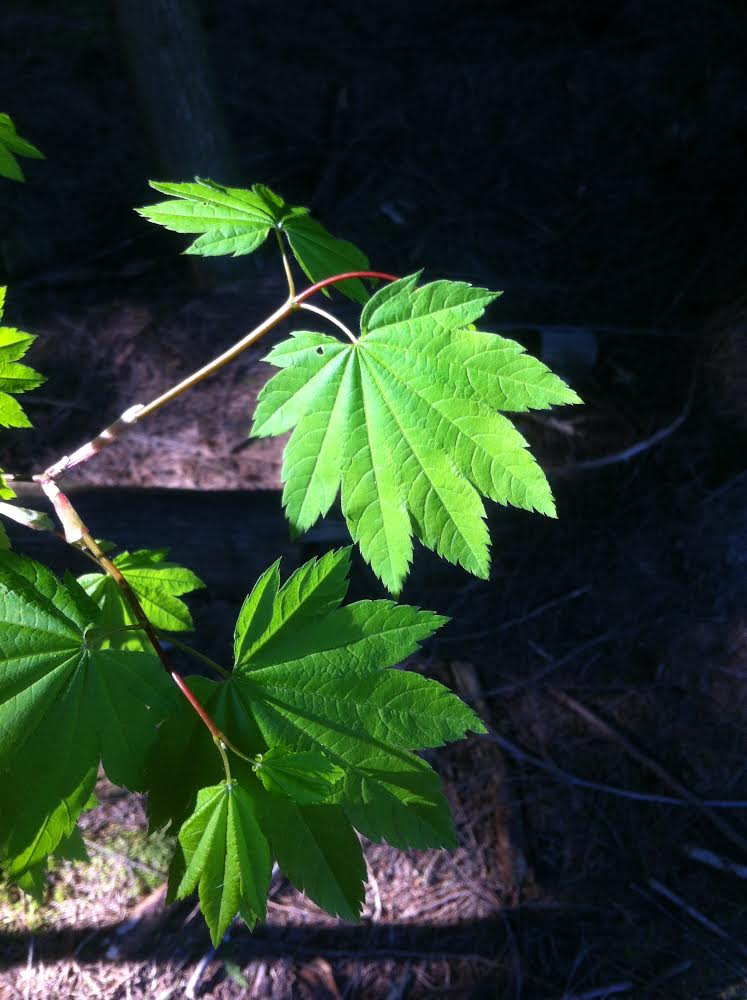
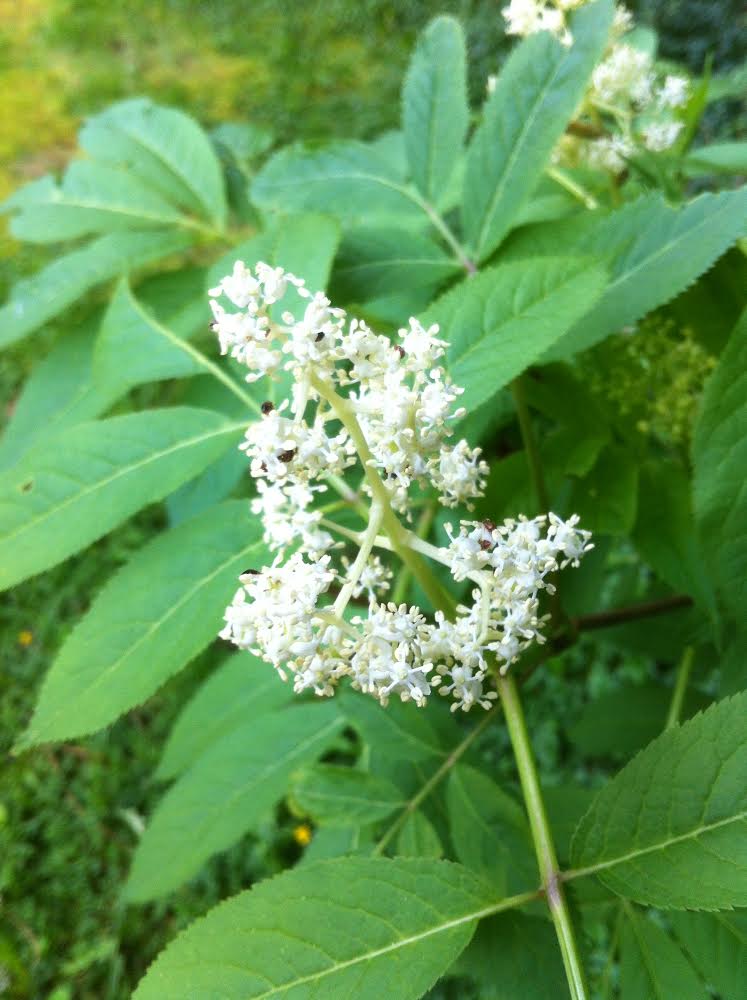
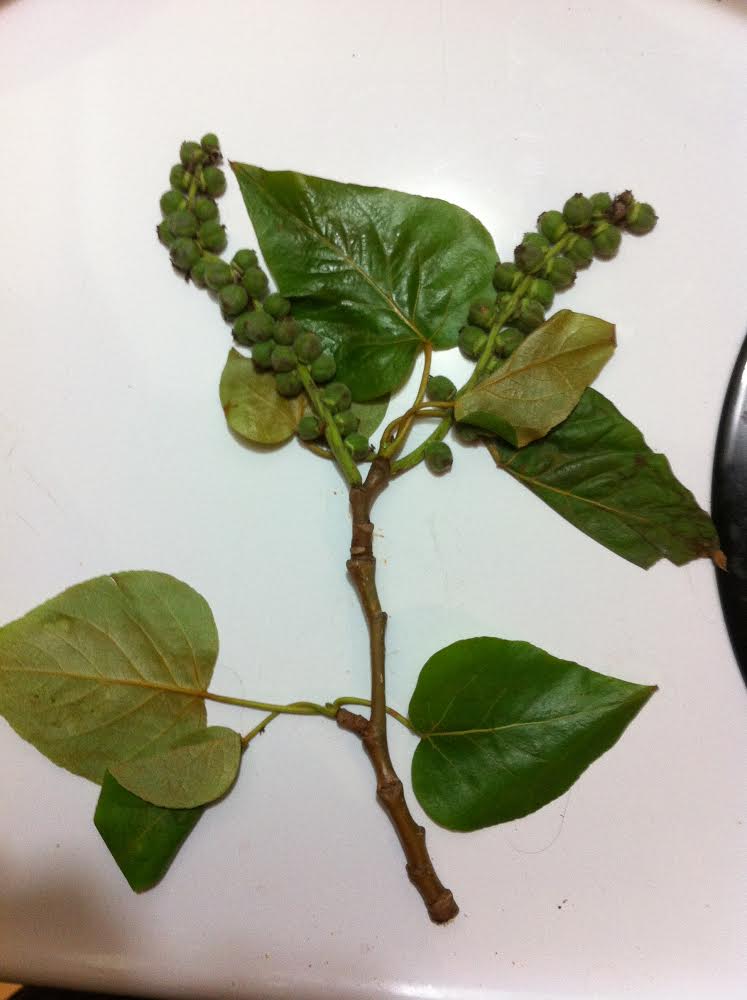
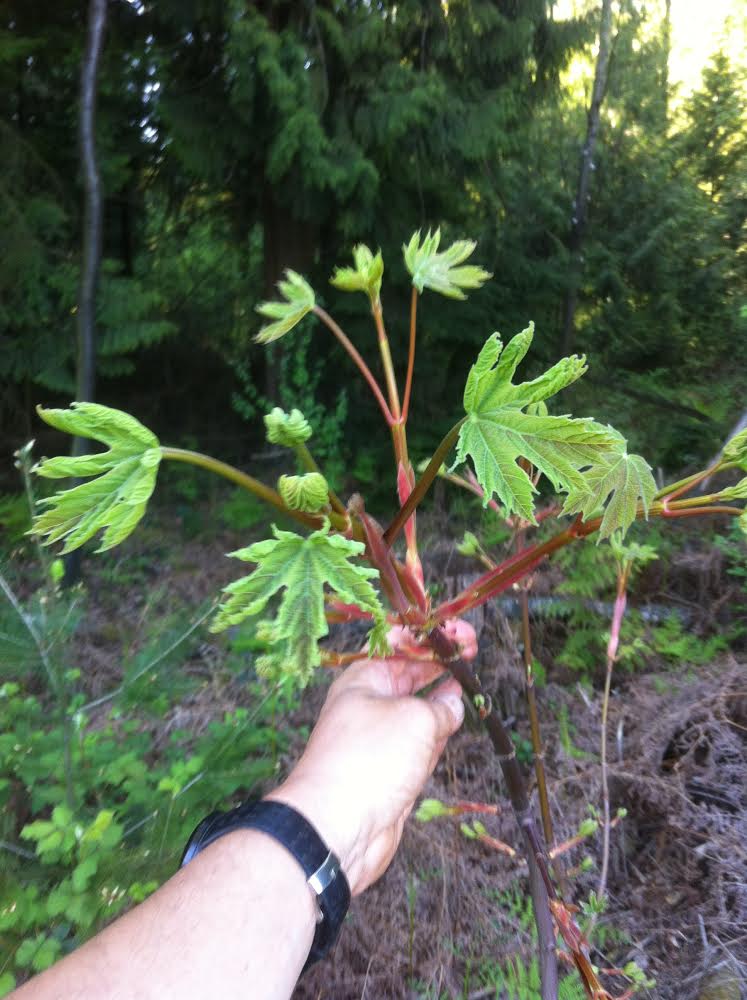
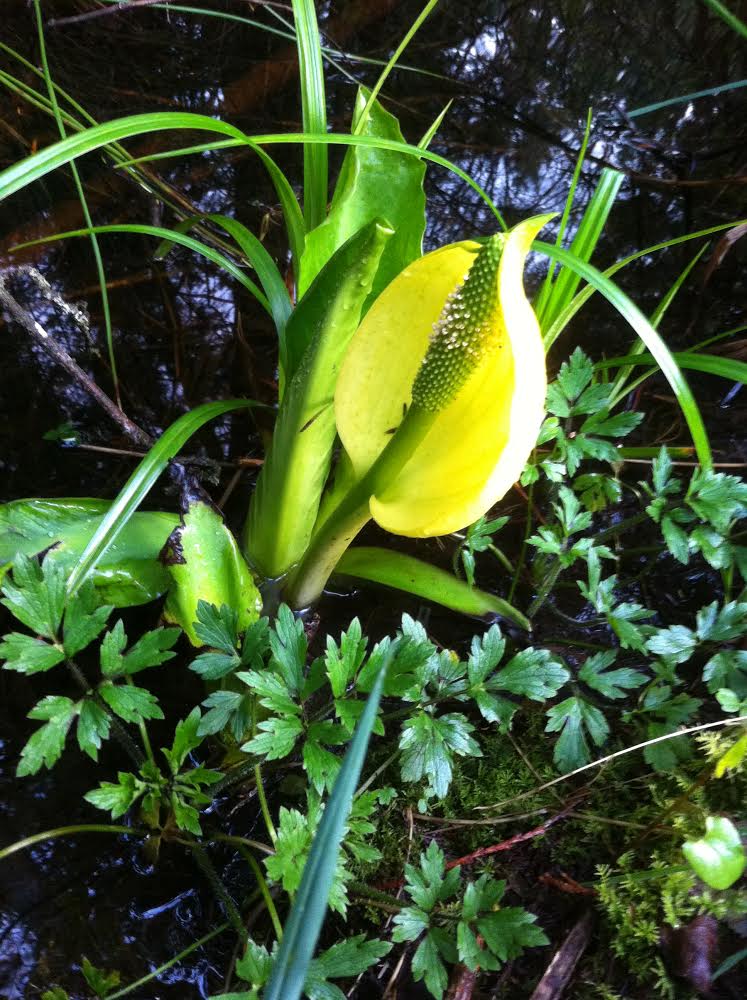
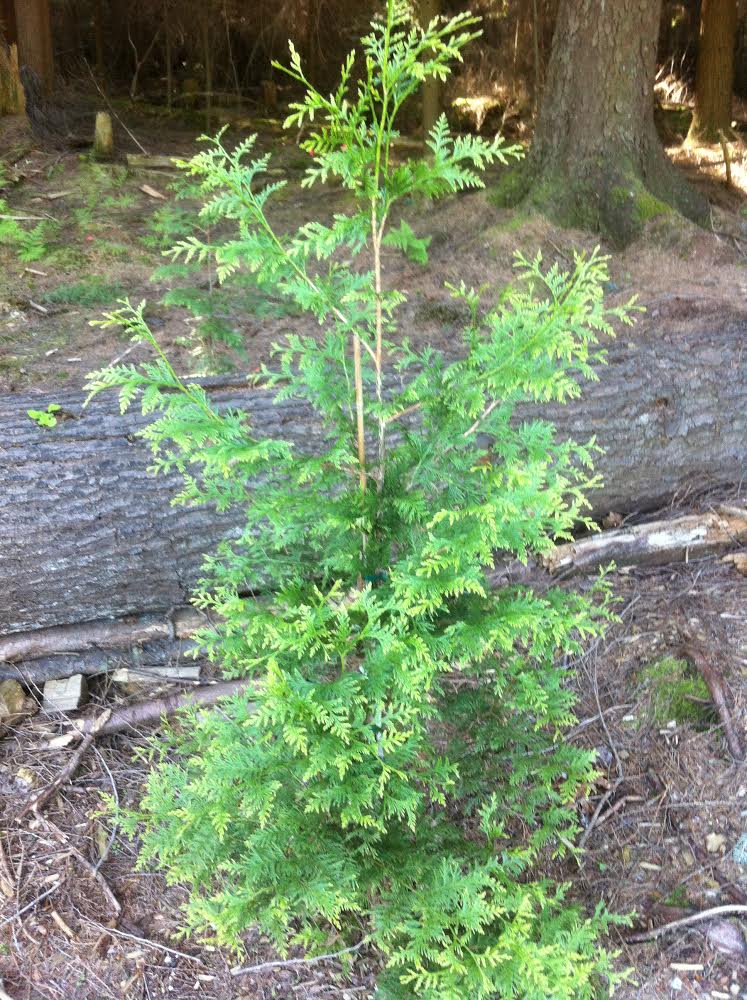
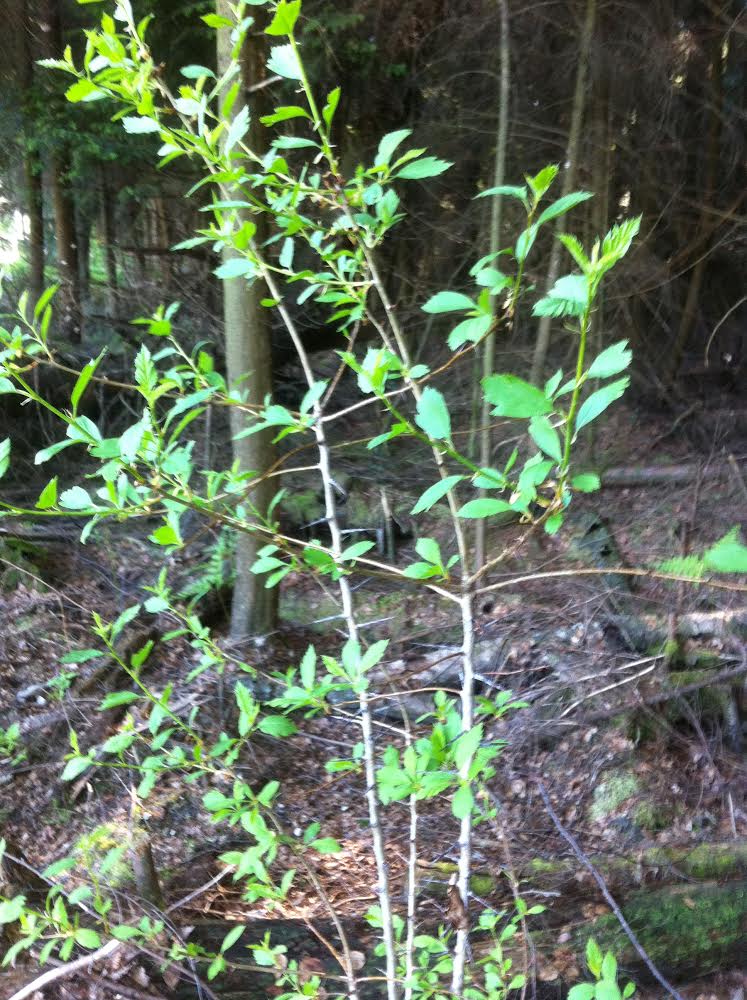
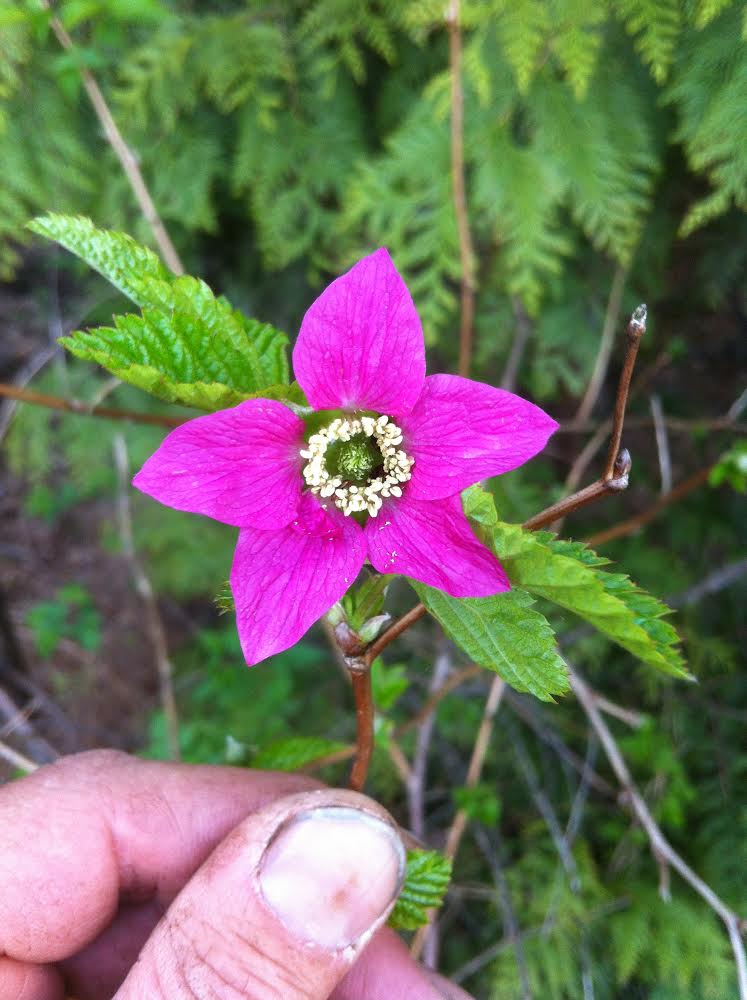
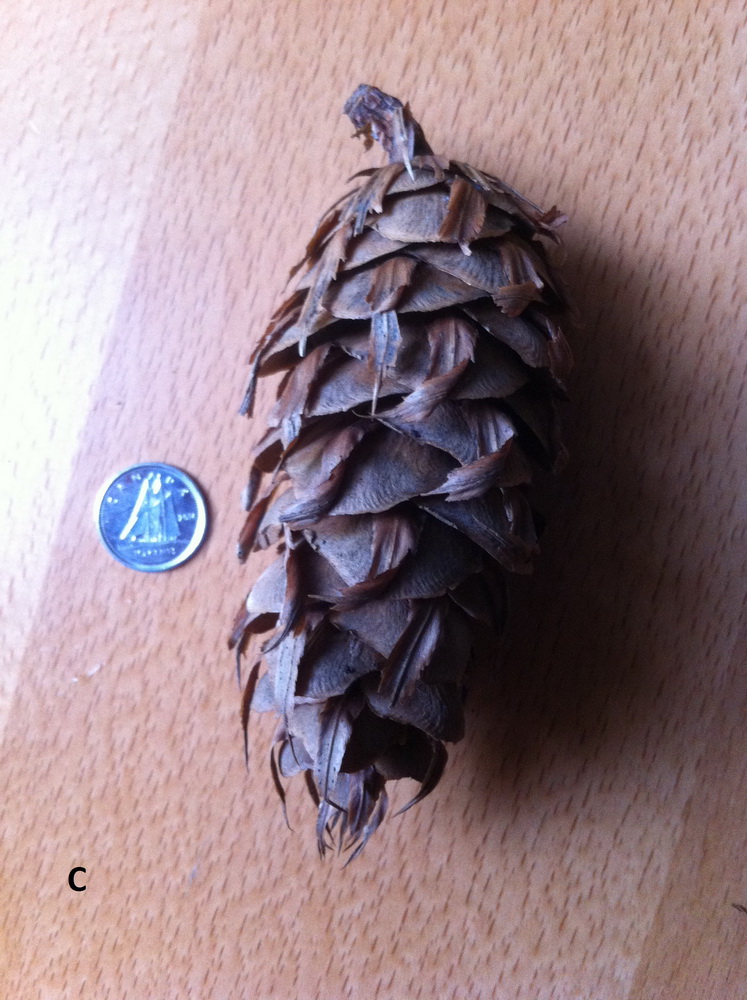
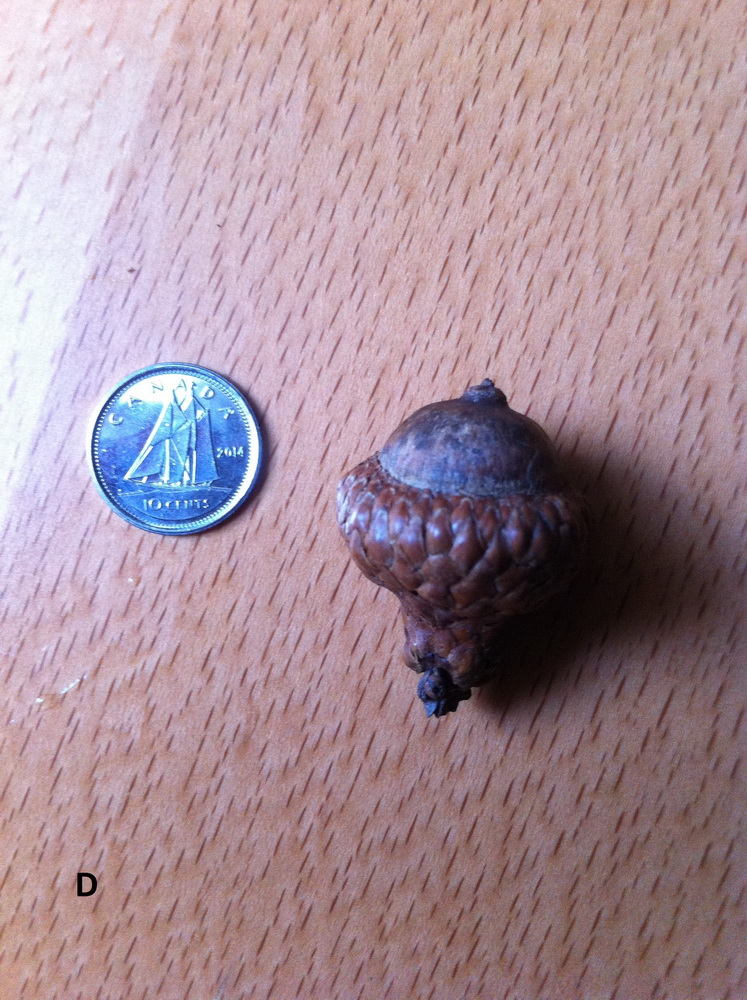
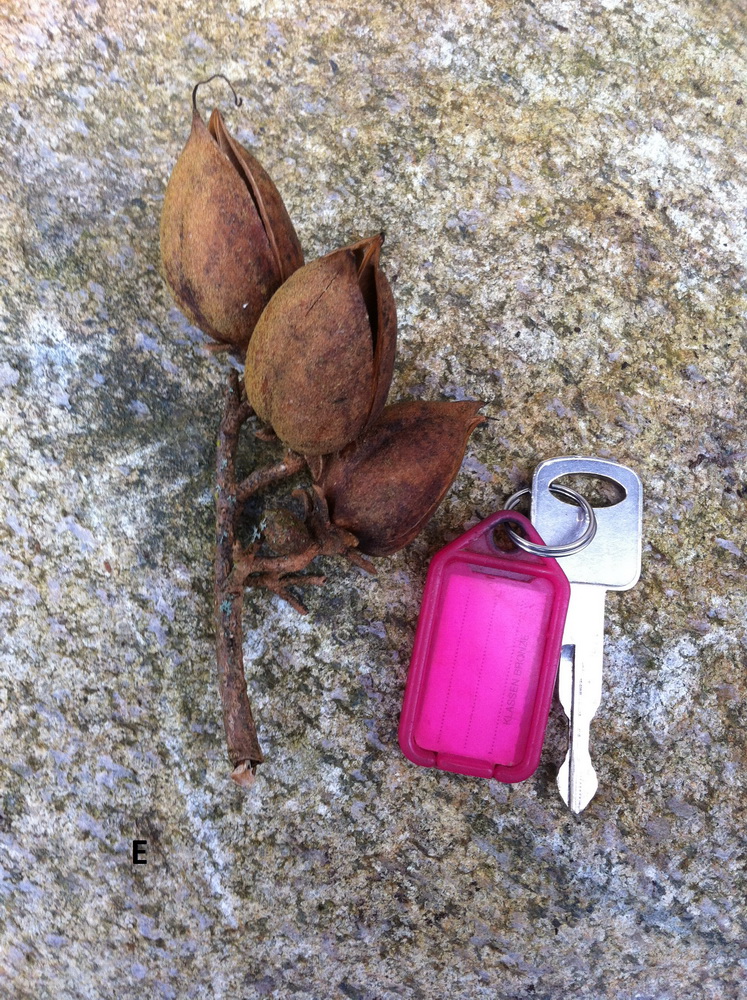
Let’s not forget about our native species. They’re beautiful and well adapted to our area. How many do you know?
Pulling spent bulbs is a pleasant seasonal garden task. Yes, sadly, the show is over but we’re making room for annuals! Tulips put on a good show, maybe two and then become erratic. It’s best to change your spring tulip display and get new ones.
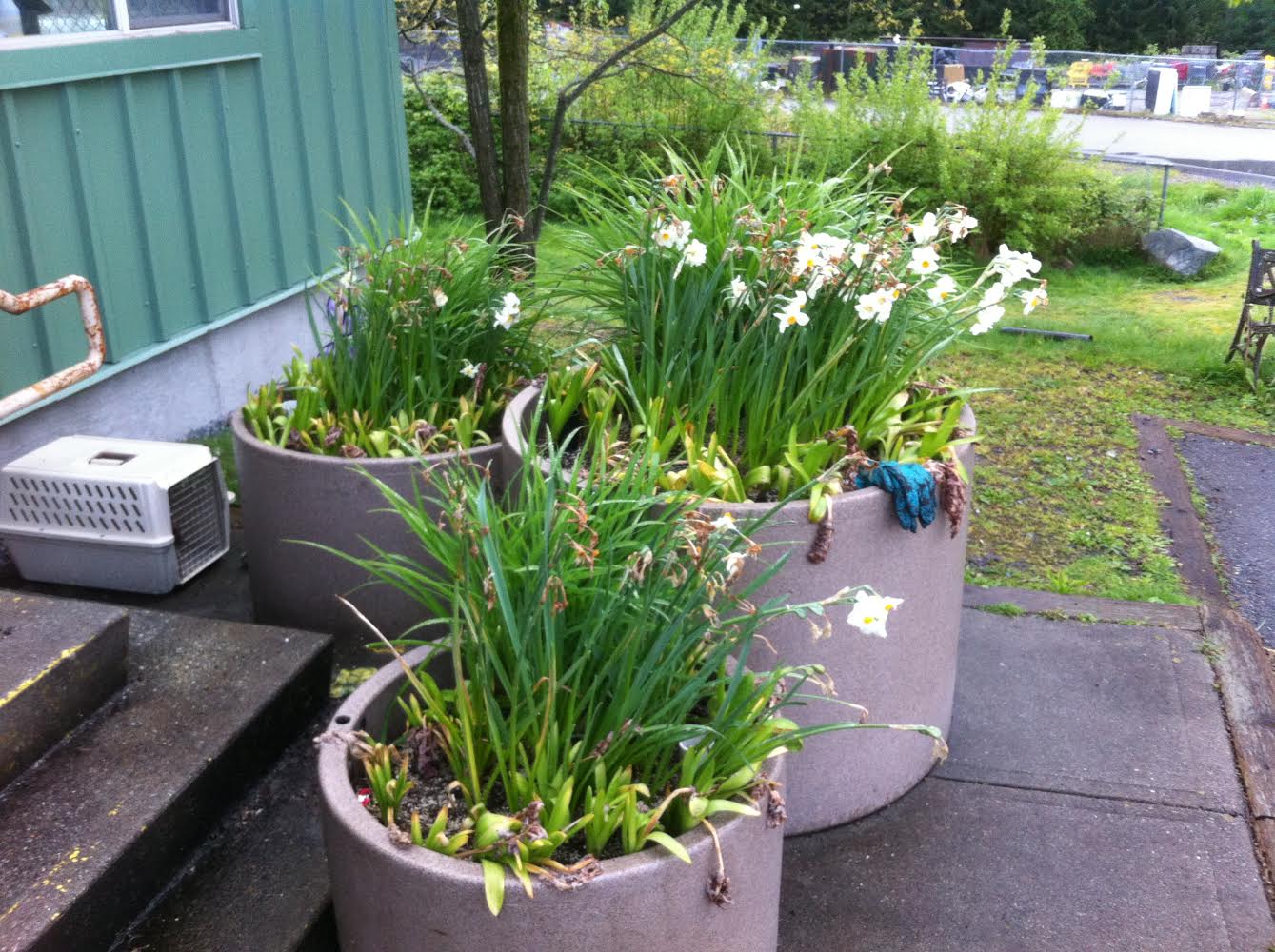
Unlike tulips, the bulbs pictured below are all “re-usable”. Daffodils can be naturalized, and the blue Anemones become perennials. Hyacinths are incredibly fragrant. Plant the spent bulbs with their green stalks and cut them back when totally retracted. Another option is drying the bulbs and planting them in the fall.
Enjoy planning your display for next spring.
The show is over…..
Religiously pull every single bulb…..
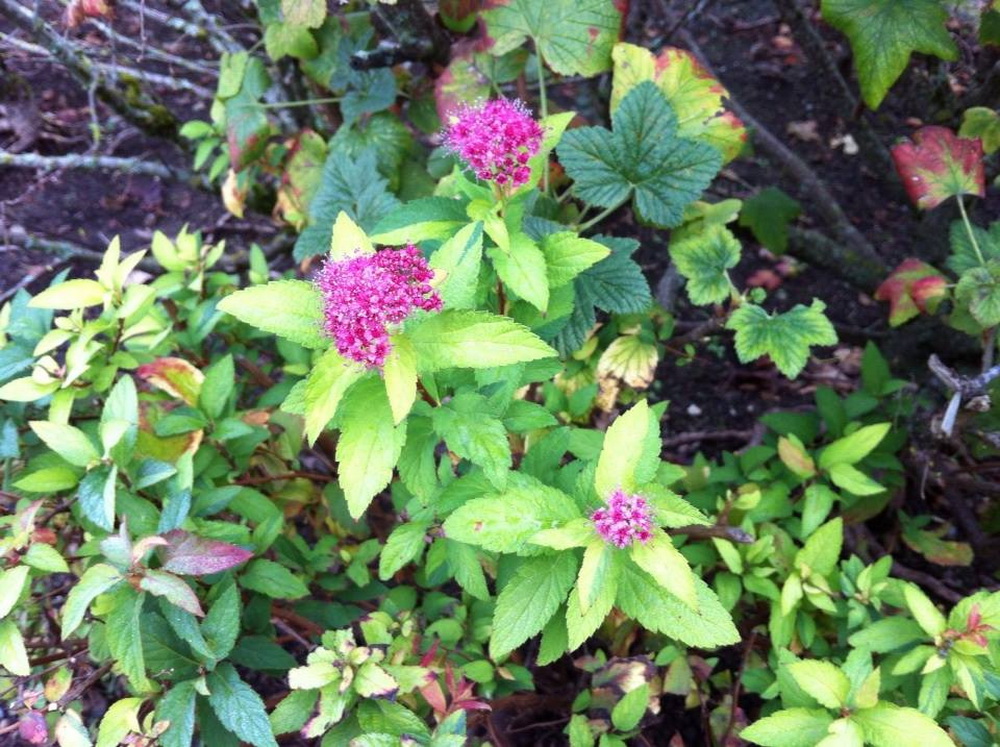
This is one of my favorite shrubs. It tolerates pollution, produces beautiful tiny flowers in corymbs (flat-topped clusters), and has attractive fall leaf color.
My research showed that Spirea produced a second bloom when cut back after flowering. The picture below shows the results of my field test. The second bloom came, it just wasn’t as profuse as the first.
When the shrub looses its leaves in fall, you can cut back the stems in winter to keep the plant from outgrowing its space.
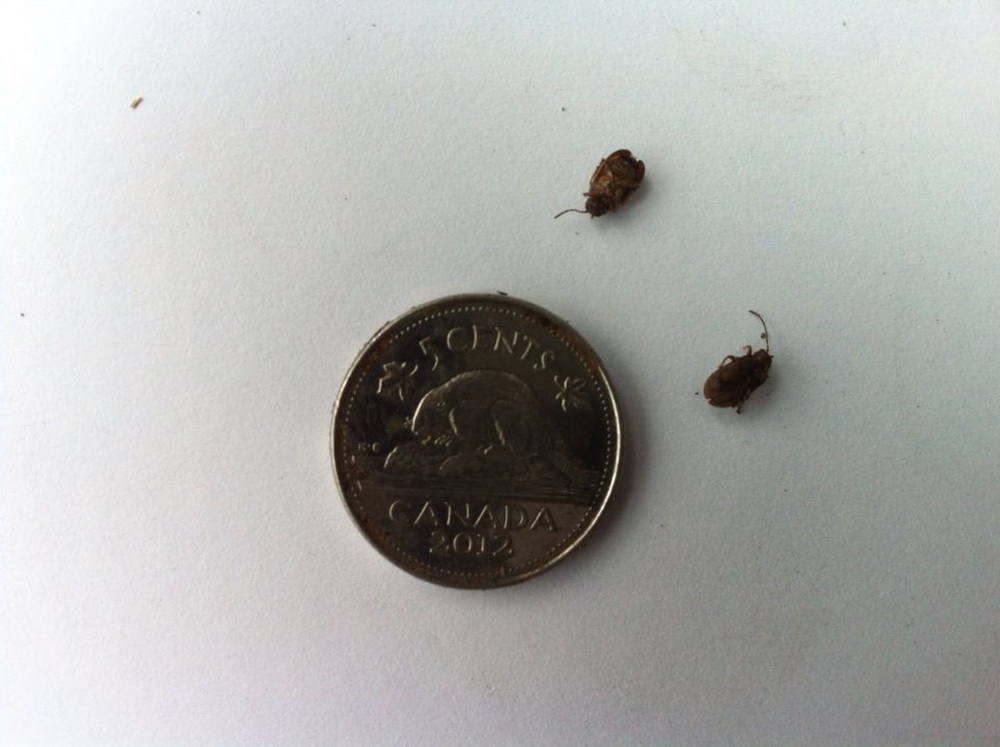
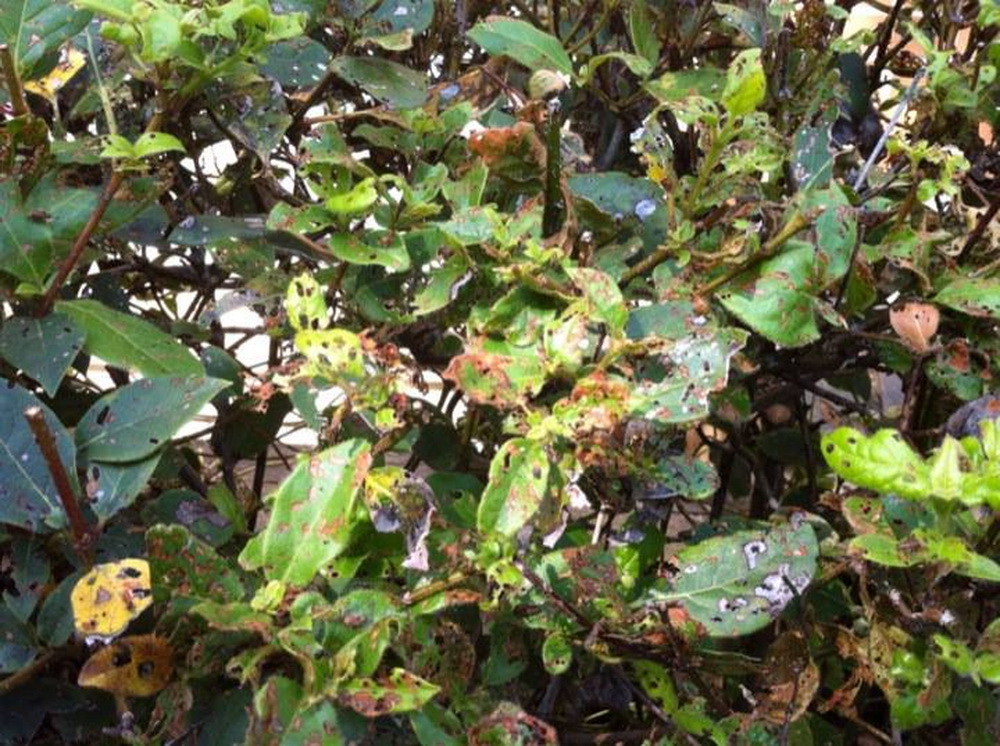
Healthy Vuburnum tinus are great plants with fragrant pinkish white flowers. But sometimes your plants get attacked by the Viburnum leaf beetle ( Pyrrhalta viburni) in numbers and soon all you see is tons of holes in your leaves. The larvae attack in spring and adult beetles in late summer.
Now what?
The cheapest solution is to renovate the plants by cutting them back hard at the base and waiting for new growth to emerge. A more expensive but better long-term solution is to remove the plants and plant a more suitable substitute.
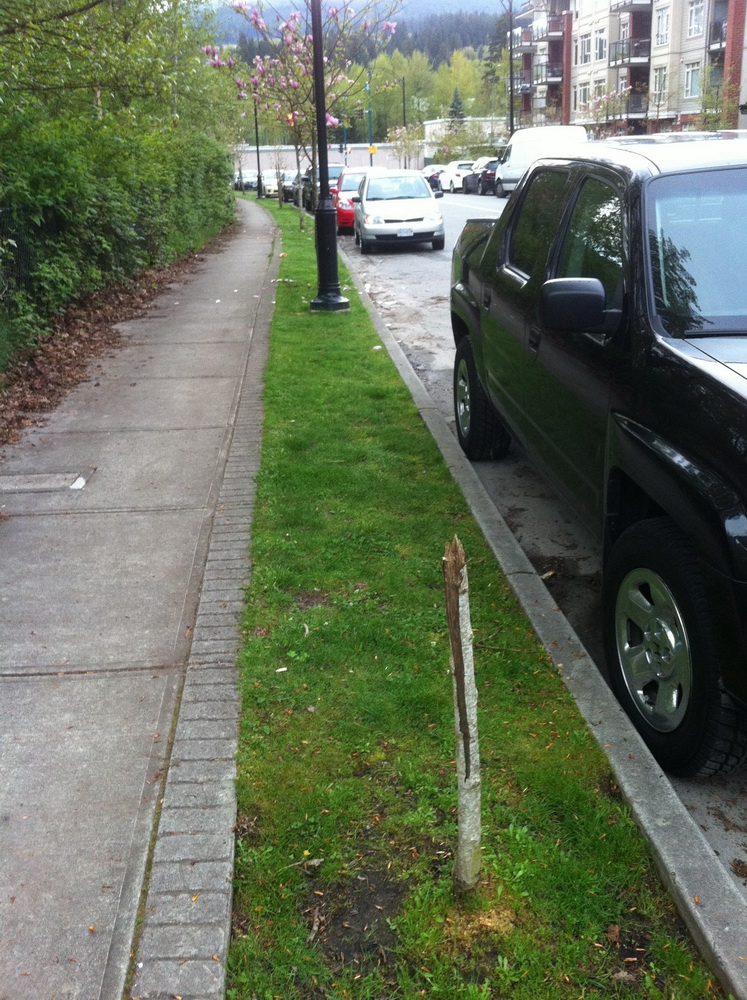
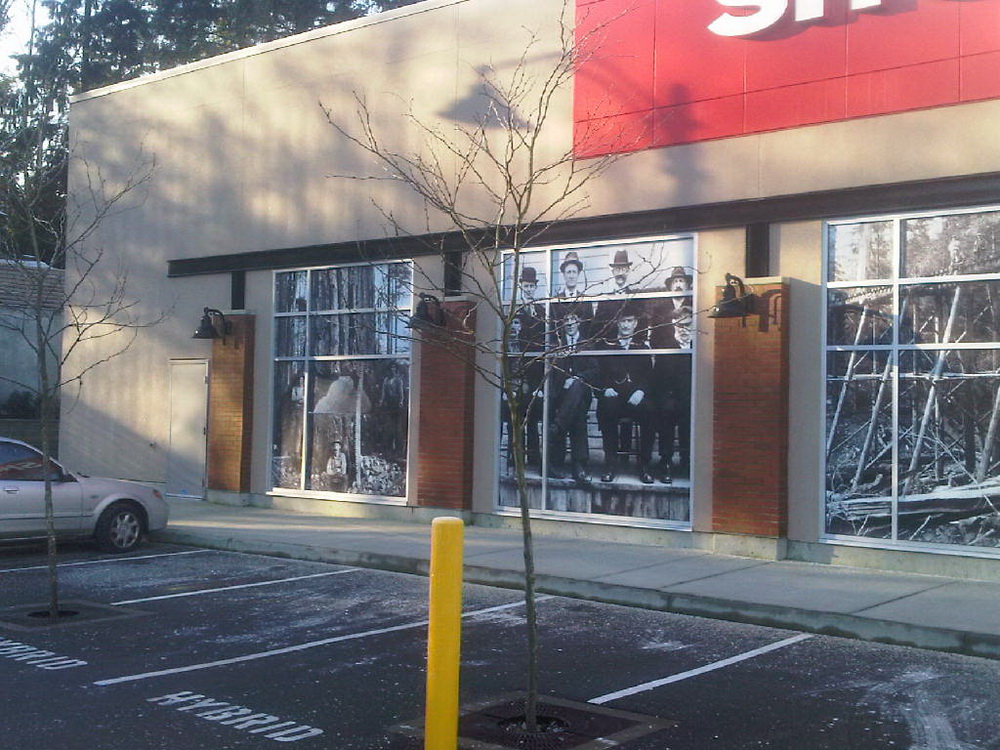
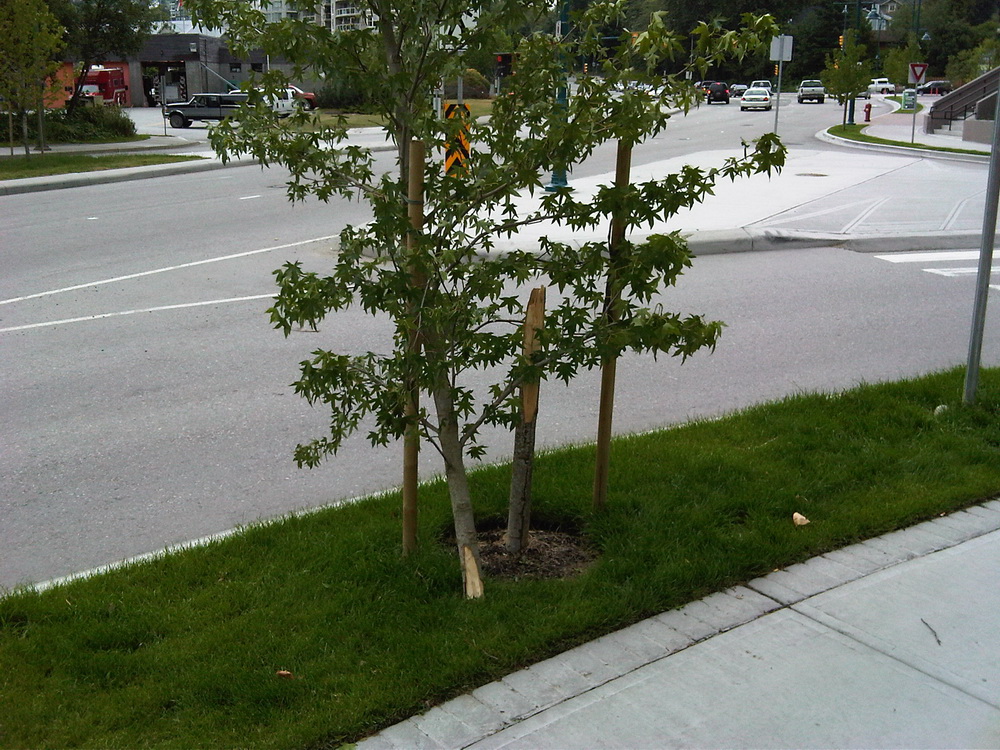
“Urban forests save lives” (link) was the heading of an article from The Vancouver Sun (March 24, 2015). And yet, our city trees often live short, brutal lives. They fall victim to storms, bad practices, bad design, and bad or new drivers. So let’s be mindful of the great work our urban trees do and treat them well.
Take a good look at the pictures below and see how many you know. Answers are below.
Show Answers!
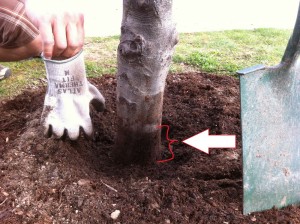
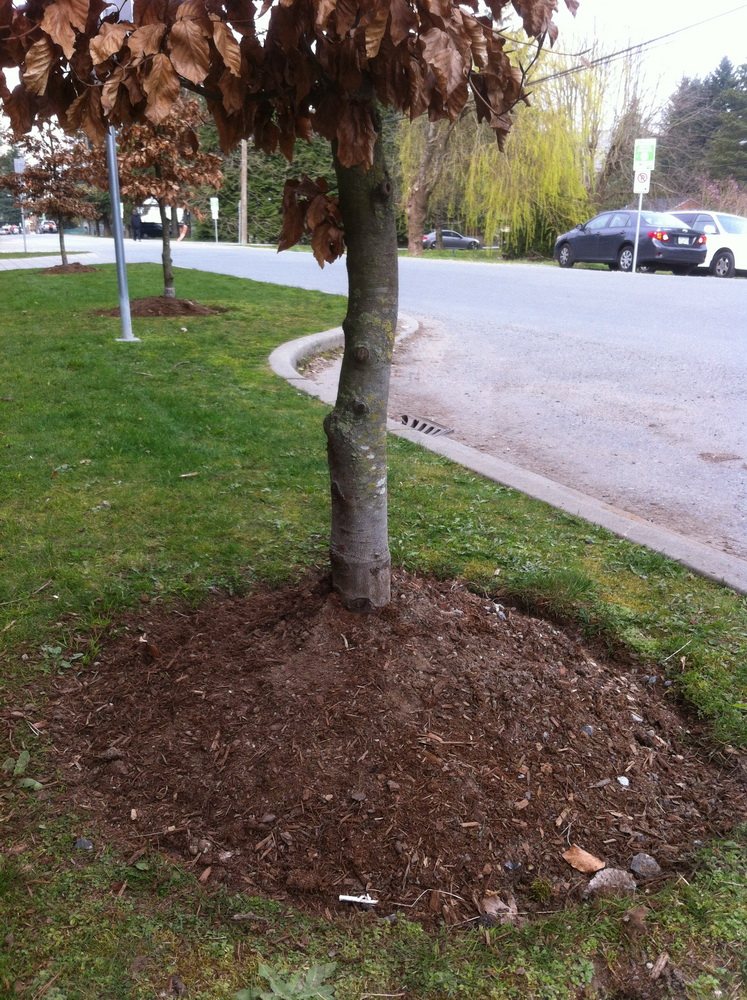
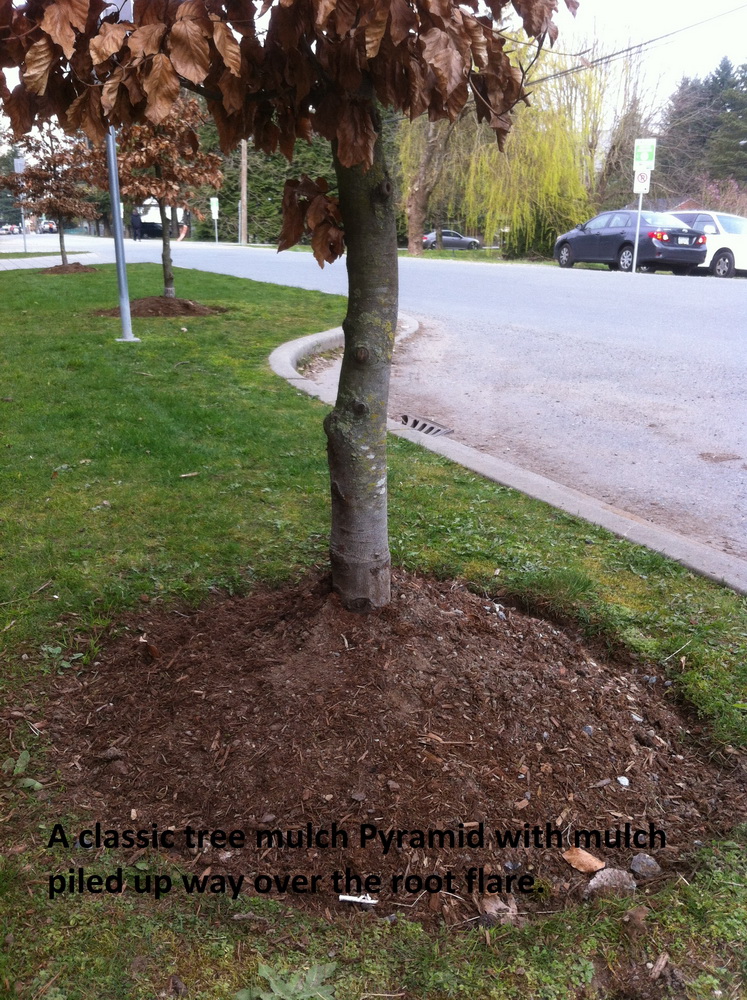
Yes, we have all seen them and most of us have made them but they are detrimental to the tree’s health. Why? Because piling mulch against the trunks of trees and shrubs creates a dark, moist, low-oxygen environment to which above-ground tissues are not adapted.
Fungal diseases require a moist environment to grow and reproduce; piling mulch on the trunk provides exactly the right conditions for fungi to enter the plant.
Also, opportunistic pests are more likely to invade a plant whose bark is wet due to excessive mulching.
Instead of creating mulch volcanoes (see pictures), instead, taper the mulch down to nearly nothing as you approach the trunk. This donut-shaped application will protect the soil environment as well as the above-ground plant tissues.
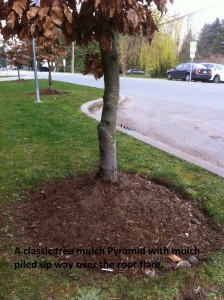
Now you know.
Source: Washington State University Extension Fact Sheet FS160E

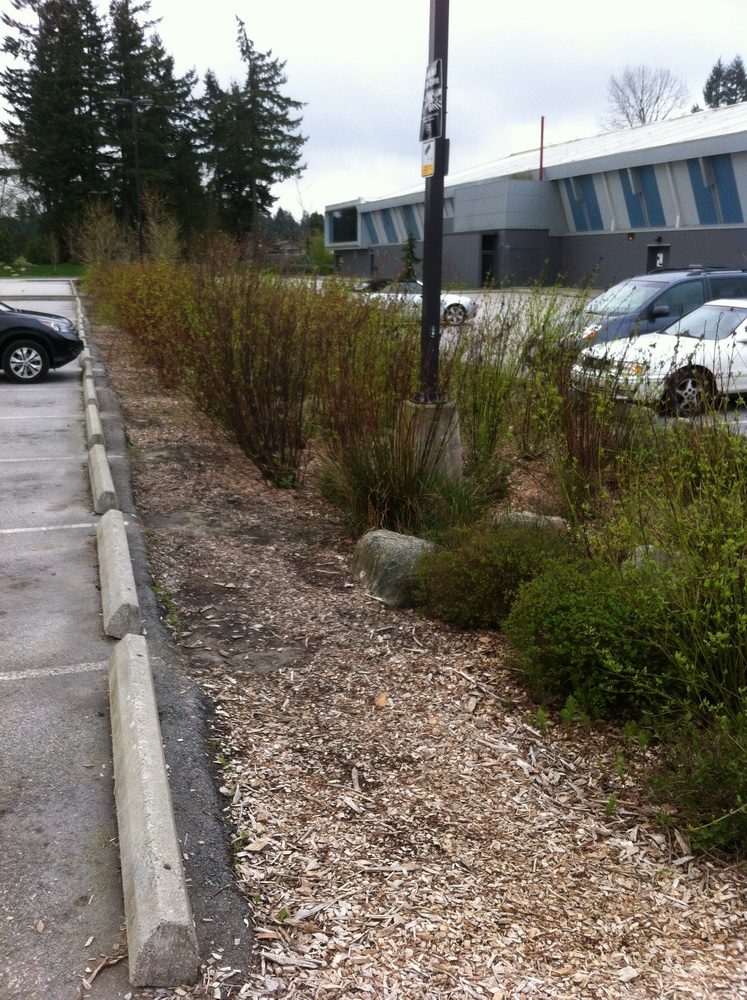
If you are like me, you park your car and rush to do whatever is on your to do list. Perhaps it’s a sale or a Zumba class. But stop and look at the hard-working bioswale. The plants in it remove your vehicle pollutants, capture carbon and cool the surrounding air. Paved surfaces tend to heat up and act as heat islands.
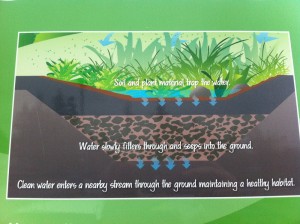
Water is captured by the plants and slowly soaks into the ground and eventually reaches local streams the way nature intended.

Note that while periodic weeding normally happens in bioswales, the one pictured below is covered with arbor-chips (free and effective) and Horsetail (Equisetum) is NOT an enemy in this setting.